Chemical peel and depigmenting treatment
Medical treatment for spots, melasma, acne, and anti-aging. Designed and applied by our aesthetic doctors in consultation.
Price: 100€

Treatment duration:
20-45 minutes
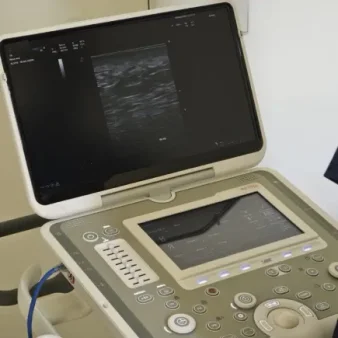
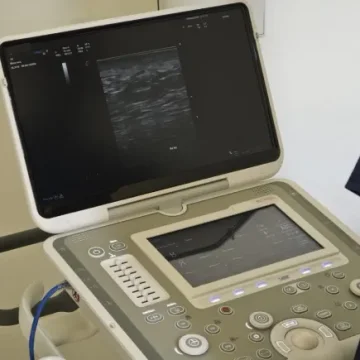
With NESAI® ultrasound
Included
Cabin treatment
Non-surgical
What is the Peeling?
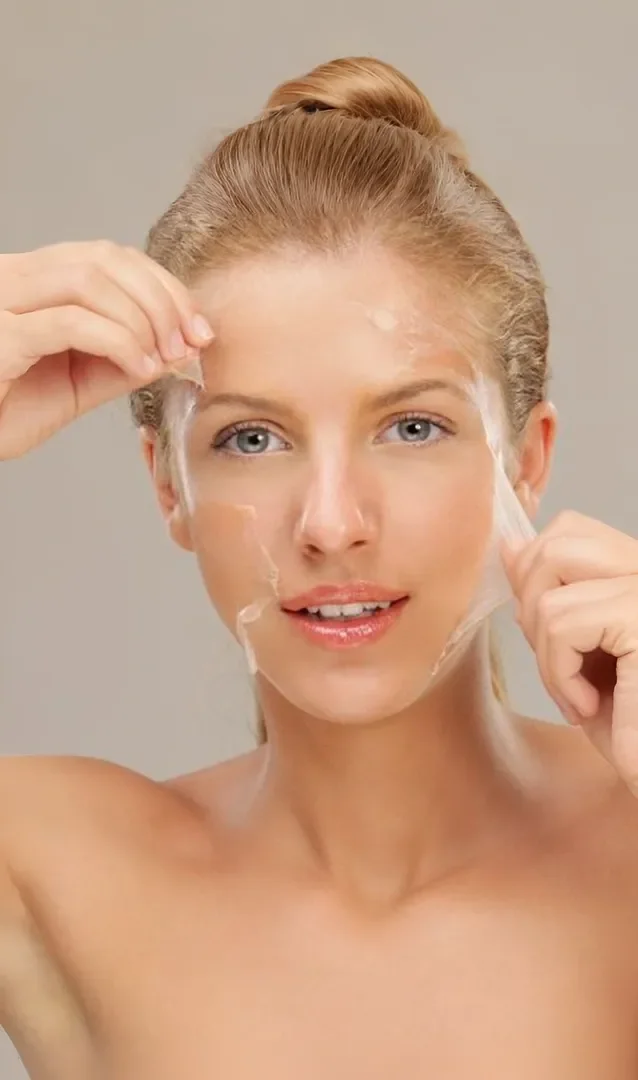
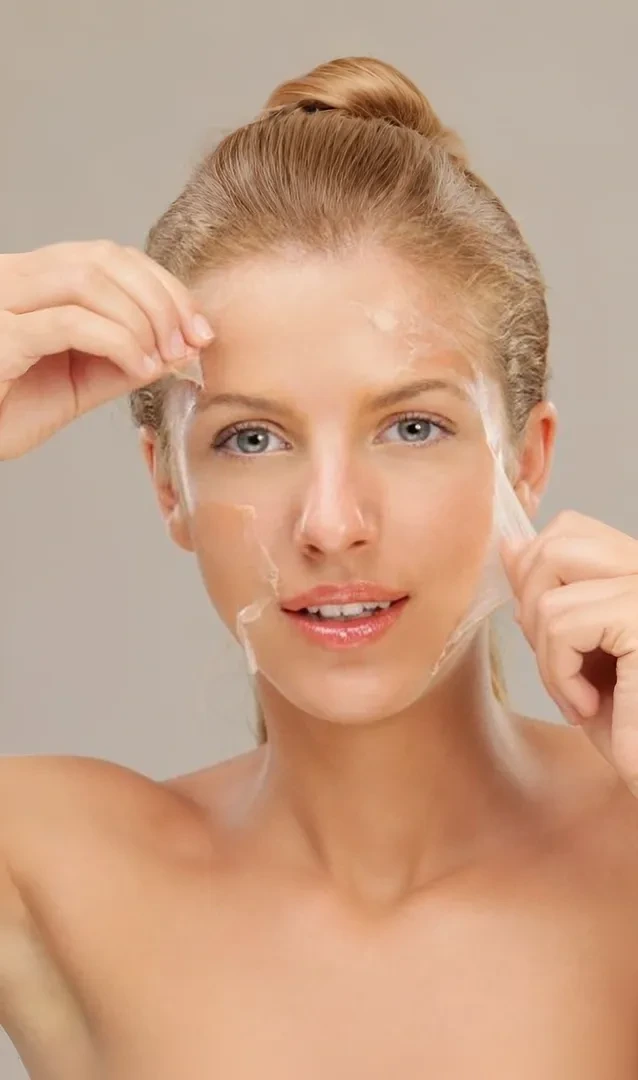
Chemical peeling is a non-surgical dermatological treatment that applies controlled acidic substances (glycolic, salicylic, lactic, mandelic, trichloroacetic, or professional medical depigmenting formulas) on the skin to exfoliate damaged layers and stimulate regeneration. The result is smoother, more radiant skin with fewer spots, fine lines, acne, and scars. At the Instituto de Benito, it is always prescribed by an aesthetic doctor after a personalized assessment.
Types of chemical peels we perform
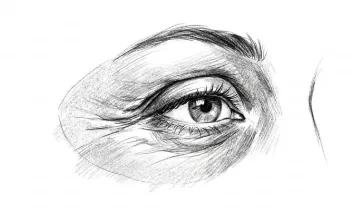
Periocular peeling treatment
Specific peeling for the area around the eyes that helps improve dark circles, fine lines, wrinkles, and signs of fatigue. It stimulates cell renewal and provides a brighter and rejuvenated look.

Chemical peeling treatment
Dermatological procedure that uses specific acids to exfoliate the superficial layers of the skin. It improves texture, radiance, spots, acne, and small wrinkles, leaving the skin more even and renewed.

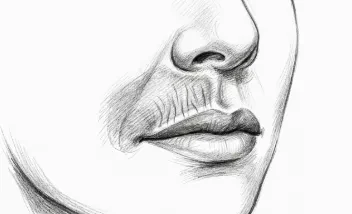
Chemical peeling treatment for barcode lines
Peeling focused on the vertical wrinkles above the upper lip, known as "barcode lines". It helps to soften expression lines, improve texture, and rejuvenate the perioral area.

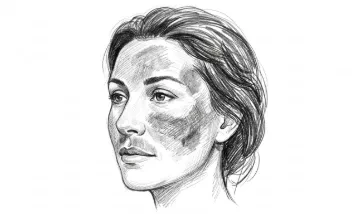
Dermamelan depigmenting treatment
Intensive depigmenting treatment designed to reduce spots, melasma, and hyperpigmentations. It evens out skin tone and helps prevent the reappearance of spots, providing greater luminosity and facial uniformity.

Medical evidence and support
Chemical peels are endorsed by the Spanish Society of Aesthetic Medicine (SEME), the Spanish Academy of Dermatology (AEDV) and by decades of international dermatological literature as a first-line treatment for hyperpigmentation, melasma, photoaging, active and scarring acne. The choice of active ingredient, its concentration, and the depth of application (superficial, medium, or deep) must be a medical indication: inadequate concentration or poor technique can produce permanent hyperpigmentation or scarring. That is why at the Instituto de Benito all peels are designed and applied under medical supervision.
What does the Chemical Peel treatment consist of?
The treatment is carried out entirely in the medical office of the Instituto de Benito in Barcelona or Madrid, in an outpatient session always designed and supervised by a licensed aesthetic doctor. It consists of the following steps:
Personalized medical evaluation:

Before the treatment, an evaluation is carried out with the aesthetic doctor at the Instituto de Benito. They study your case, analyze your phototype (Fitzpatrick classification), rule out contraindications, and design the most suitable peeling protocol for your skin type and goal. The first aesthetic medical visit costs €50 (deductible from the first treatment).
Analysis with NESAI®

Diagnosis of hydration, dermal density, collagen, and firmness with 99.99% precision.
Treatment preparation:

For high phototypes or sensitive skin, the doctor may prescribe 2-4 weeks of "skin preparation" at home (mild depigmenting agents, retinoids, strict photoprotection) to reduce the risk of post-inflammatory hyperpigmentation. Arrive at the appointment with clean skin, without makeup, and without having been in the sun in the days prior.
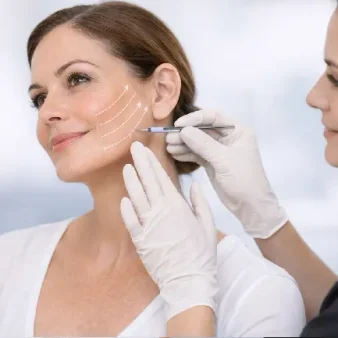
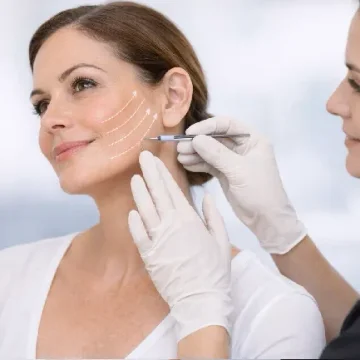
Application of the treatment in consultation

The doctor cleans and degreases the skin, protects sensitive areas (corners, nasal folds) and applies the acid or corresponding formula with a brush or gauze, precisely controlling the acting time. It is normal to feel warmth, stinging, or slight "burning" during the application. After the stipulated time, the peel is neutralized or left to act according to the protocol. The session lasts between 20 and 45 minutes.
Start looking how you want to feel:

The doctor provides home care instructions (gentle cleanser, reinforced hydration, and mandatory SPF50+ photoprotection) and schedules follow-ups. In the case of intensive medical depigmenting treatment, the cream for the home protocol is also provided and reviewed weekly at the beginning.
Pre and post-treatment of the chemical peel


What is the price of nasolabial fold filler treatment
100 €
The price of a chemical peel at Instituto de Benito varies depending on the type of treatment, the area to be treated, and the number of sessions recommended after personalized medical evaluation. We offer superficial, medium, depigmenting peels, and combined treatments to improve skin texture, spots, acne, and signs of aging.
The prices are:
- Periocular peel: 100 €
- Facial chemical peel: 200 €
- Chemical peel on barcode lines: 150 €
- Dermamelan® depigmenting treatment: 900 €
- IPL + chemical peel: 350 €
The first medical-aesthetic visit costs 50 €, deductible from the first treatment performed. Additionally, we offer session packages and financing options for prolonged treatments.
The intensive medical depigmenting treatment may have a higher cost when including the home continuity kit, essential to enhance and maintain the results.
Are you suitable for a chemical peel?
Chemical peels are indicated for people in good general health who meet any of these profiles. Final suitability is confirmed by the doctor after personalized evaluation of the phototype and skin condition.
- 01
Spots, melasma, or hyperpigmentation
When there are facial spots (solar, hormonal, or post-inflammatory) that do not respond to topical cosmetics.
- 02
Active acne or post-acne scars
Comedonal acne, papular acne, or superficial/medium scars that can improve with controlled cell renewal.
- 03
Photoaging and sun damage
Loss of luminosity, rough texture, fine wrinkles, solar lentigines on face, décolleté, and hands.
- 04
Overall skin quality and luminosity
As an aesthetic maintenance treatment to keep skin smooth and luminous.
- 05
Enlarged pores and excess sebum
Combination or oily skin with open pores and a tendency to shine.
- 06
Acne scars and uneven texture
As part of a combined plan with laser, mesotherapy, or densification.

Who is NOT suitable: contraindications of chemical peel filler
Patient safety comes before any aesthetic result. Nasolabial fold filler should not be performed or should be postponed in the following cases:
| Contraindication | Reason |
|---|---|
| Pregnancy and breastfeeding | Some actives (salicylic, retinoids) are contraindicated; intensive depigmenting treatments are not applied. |
| Active or recent cold sore | Risk of reactivation and spread; consider antiviral prophylaxis. |
| Active infection or open lesion in the area | Folliculitis, eczema, active dermatitis, wounds: risk of spread. |
| Phototype VI with unrealistic expectations | Higher risk of post-inflammatory hyperpigmentation; protocol must be adapted. |
| Recent treatment with oral isotretinoin (< 6 months) | Higher risk of abnormal scarring; it is recommended to wait 6 months after finishing. |
| Tendency to keloids or hypertrophic scarring | Unpredictable scarring risk. |
| Active autoimmune skin diseases | Lupus, dermatomyositis: unpredictable tissue response. |
| Known allergy to the active | Risk of local or systemic reaction. |
| Recent tanning or intense prior sun exposure | High risk of post-inflammatory spots; postpone 3-4 weeks. |
Risks and possible side effects of chemical peel
Chemical peel is a safe treatment when performed by a licensed doctor in an authorized center and with approved medical products. Even so, every medical procedure has a profile of possible effects that is honest to share with you.
Expected and mild reactions (self-limiting in 24-72 h)
- Redness (erythema) for 24-72 h
- Feeling of tightness, mild stinging, and dry skin
- Visible peeling (more marked in medium peels and intensive depigmenting treatment)
- Slight sensitivity to cold/heat
- Temporary darkening of previous spots before exfoliating
Less frequent effects:
- Transient post-inflammatory hyperpigmentation if the area is exposed to the sun without photoprotection
- Transient acne breakout during the initial "purge"
- Activation of cold sores in predisposed patients
- Persistent erythema beyond 7 days
Uncommon complications:
- Persistent post-inflammatory hyperpigmentation (especially in high phototypes without adequate preparation)
- Residual hypopigmentation
- Scarring in cases of malpractice or inadequate depth
- Allergic reactions to the active ingredient
Our medical group aesthetic medicine
An aesthetic doctor from the IdB team with experience in chemical peels and dermocosmetics evaluates the skin type, phototype, and indication (spots, acne, anti-aging, or melasma) before prescribing the most appropriate protocol.


Commitment to the Instituto de Benito
Chemical peels require a prior medical diagnosis: the acid, concentration, and depth of application must be adjusted to your phototype and your goal. Applying the wrong peel can produce permanent spots or scars.
At the Instituto de Benito, patient safety comes before any aesthetic goal. We work with audited clinical protocols, medical CE-marked healthcare products and batch traceability, single-use instruments, dedicated aesthetic medicine rooms, and personalized follow-up between sessions. We never delegate a medical-aesthetic procedure to non-medical personnel.
Where to get the chemical peel treatment?
Related treatments
Frequently asked questions about chemical peels
How long does the result of a chemical peel last?
It depends on the type and the patient's skin. A superficial peel lasts 2-4 months; a medium one, 4-8 months; an intensive medical depigmenting treatment can maintain results between 12 and 18 months with home care and strict photoprotection.
How many sessions do I need?
Between 1 and 6 sessions depending on the goal. Mild spots or brightness: 3-4 sessions spaced 3-4 weeks apart. Acne and medium spots: 4-6 sessions. Intensive depigmenting treatments: one application in consultation + home protocol.
Is it painful?
No. During the application, you feel warmth, stinging, or slight burning that subsides when the peel is neutralized. In medium and intensive depigmenting peels, the sensation is more intense but always tolerable; the doctor can apply cold air or topical anesthetic.
What is the difference between a chemical peel and a medical depigmenting treatment?
Classic chemical peels exfoliate the skin to renew it and improve spots, texture, acne, or brightness. Intensive medical depigmenting treatments are specifically formulated to block melanin production in addition to exfoliating, and are the treatment of choice for melasma and resistant spots.
Is it effective for active acne?
Yes, especially salicylic acid peels, which are lipophilic and penetrate the follicle. It also improves post-acne marks when combined with other treatments such as mesotherapy or laser.
Can I get a peel if I have a high phototype (V-VI)?
Yes, but it requires prior skin preparation (depigmenting agents 2-4 weeks before) and careful selection of the active ingredient. In high phototypes, we prefer peels with mandelic or lactic acid and avoid medium depths unless there is a very clear indication.
Can I wear makeup afterwards?
For superficial peels, yes, from the next day. For medium peels and intensive depigmenting treatments, it is recommended to avoid makeup for the first 3-5 days to not interfere with peeling.
When will I see the results?
In superficial peels, you will notice brightness from the first session and consolidated results in 3-4 weeks. In intensive depigmenting treatments, the first changes appear in 2-3 weeks and the final result is assessed at 3 months.
Can I combine peeling with other treatments?
Yes. It is commonly combined with facial bio-revitalization, mesotherapy, laser, or injectable anti-aging treatments. The doctor plans the timing so that both treatments enhance the result without overloading the skin.
What happens if I don't follow strict photoprotection?
It is the most important factor: without rigorous SPF50+ for weeks, the risk of post-inflammatory hyperpigmentation is high and can ruin the result or even worsen the initial spots. Photoprotection is not optional.
How does medical peeling differ from pharmacy cosmetic peeling?
In the concentration of the active ingredient, the depth of action, and who applies it. Pharmacy cosmetics are legally "cosmetics": low concentration, no real penetration. Medical peelings reach the dermis and require training, clinical judgment, and post-session control.