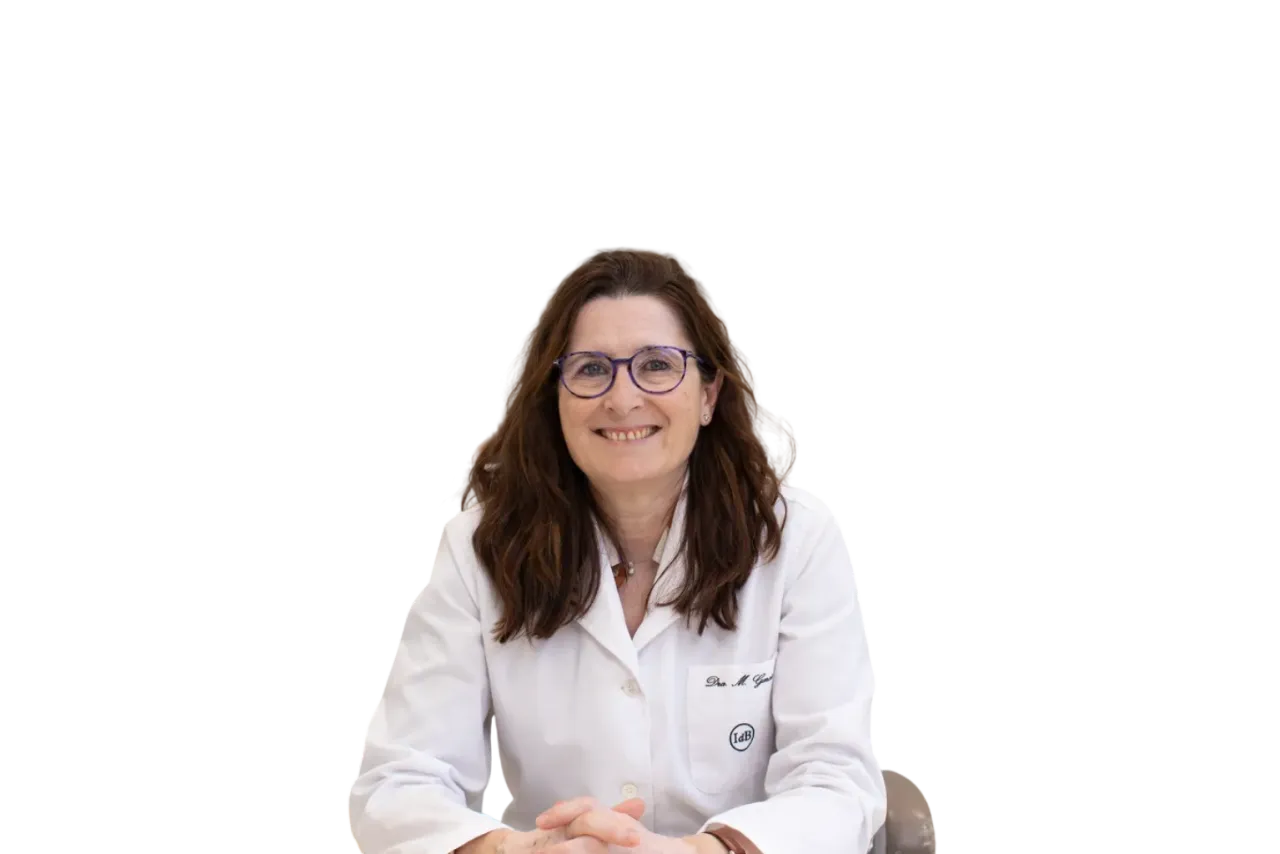
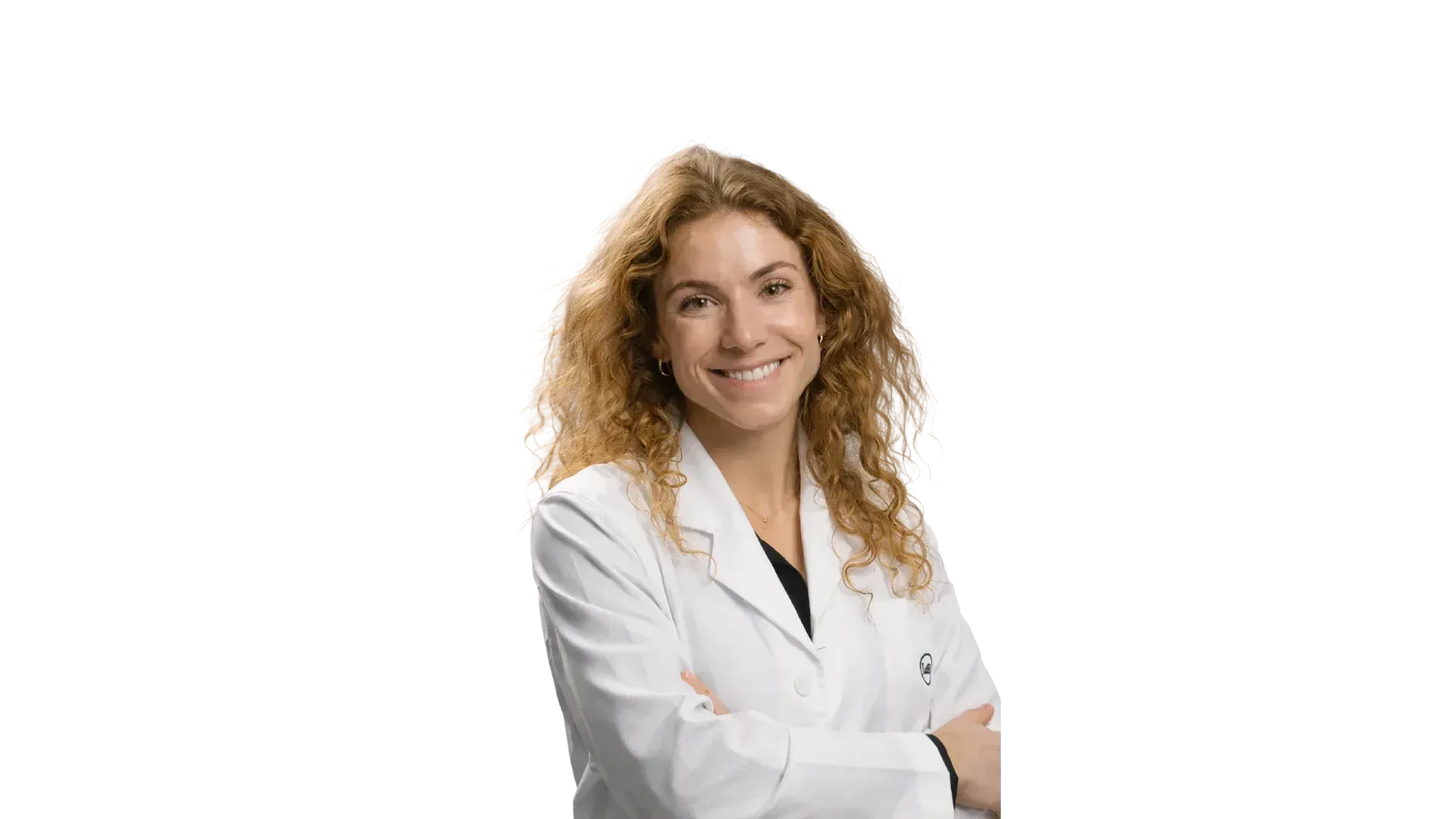
Dr. Marina García, specialist in breast surgery
Breast surgery specialist
Medical license no. 19091
Leading breast augmentation doctor and member of SECPRE.
The doctor sees patients in BarcelonaView medical profile
The type of implant, the incision site and the volume are decided during your consultation, based on your anatomy and what you are looking for. We help you find the safest option for you.
From: 6.250 €

Surgery duration:
60-90 minutes
Recovery time:
7 to 10 days
Synapta® protocol:
Included in Barcelona
Anesthesia:
General
Hospital stay:
Usually not
Social life:
After 7-10 days
Breast augmentation, also called augmentation mammoplasty, is the surgical procedure that increases the volume and improves the shape and symmetry of the breasts by placing implants or, in selected cases, by transferring the patient's own fat. It is performed under general anesthesia, takes 60 to 90 minutes and does not usually require an overnight hospital stay.
There are three incision approaches: inframammary, periareolar and axillary. There is no single best approach for everyone: it is chosen according to your anatomy, the type of implant, the placement plane and the result you are looking for.
This is a surgical technique in which the incision used to place the implants is made in the armpit, rather than in the inframammary fold (under the breast) or around the areola.
The surgeon makes a 4–5 cm incision in the inframammary fold. From there, the surgeon creates the pocket for the implant, which can be placed:
The periareolar approach is the technique in which the implant is inserted through an incision along the lower edge of the areola (the darker area around the nipple). The scar is concealed in the color change between the skin and the areola.
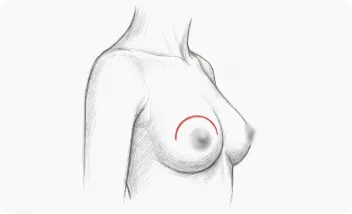
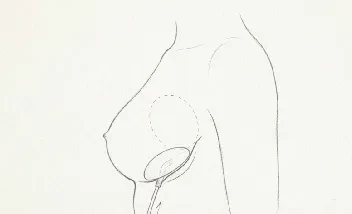
The Preservé technique is a minimally invasive breast augmentation procedure. The implants are placed in a way that preserves the natural structures of the breast, without cutting the pectoral muscle, the nerves or the glandular tissue.

Our practice is backed by membership of recognized international scientific societies, such as SECPRE (Spanish Society of Plastic, Reconstructive and Aesthetic Surgery), ISAPS (International Society of Aesthetic Plastic Surgery) and SCCPRE, which ensures ongoing training and the use of the safest techniques.

Breast augmentation begins with a consultation to assess the patient's anatomy, proportions and goals. After this assessment, the surgeon selects the most suitable breast implant and surgical technique. The procedure consists of inserting the implants through a small incision (inframammary fold, areola or armpit) and placing them in the optimal plane to achieve a natural, balanced result in line with your figure.

The consultation is held with the surgeon who will perform your procedure. It is an essential step before surgery, as it helps ensure patient safety and achieve results in line with your expectations. A payment of €80 is required in advance to book the appointment. If you cannot travel, the first visit can also be done by video call with the surgeon who would operate on you: it costs €50, which is deducted if you decide to have surgery.

Preoperative tests are carried out, the implant volume and type are defined using a dimensional method, and you are given instructions on medication and fasting before surgery.
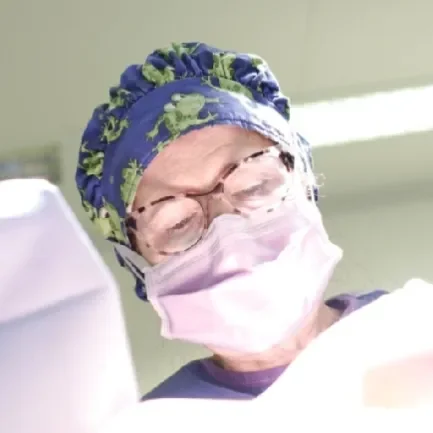
The procedure is performed in an accredited operating room, under general anesthesia administered by a qualified anesthesiologist and with continuous monitoring. It takes 60 to 90 minutes.
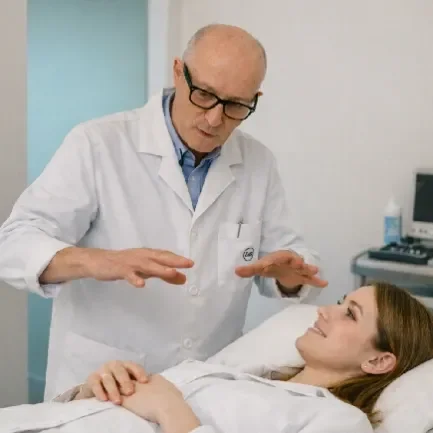
At IdB we have developed our own method to make your breast augmentation experience easier to go through.

Because when you look good, you feel better.
For years, this surgery has been associated with a recovery marked by a feeling of tightness, swelling and some discomfort in the treated area. However, advances in medical protocols now make it possible to approach recovery from a more advanced perspective.
At Instituto de Benito we apply Synapta®, a protocol designed to support the body through its recovery process after surgery, helping to make the experience more manageable and controlled.
Beyond the conventional use of medication, this approach focuses on the body's neurophysiological response after surgery. Through specific techniques, it aims to modulate inflammation, reduce tissue tension and improve the body's adaptation to the surgical change.
These protocols are part of a process in which post-operative well-being matters as much as the aesthetic design. Each case is assessed individually to tailor the instructions to each patient.
*Synapta® is included in surgeries performed in Barcelona.
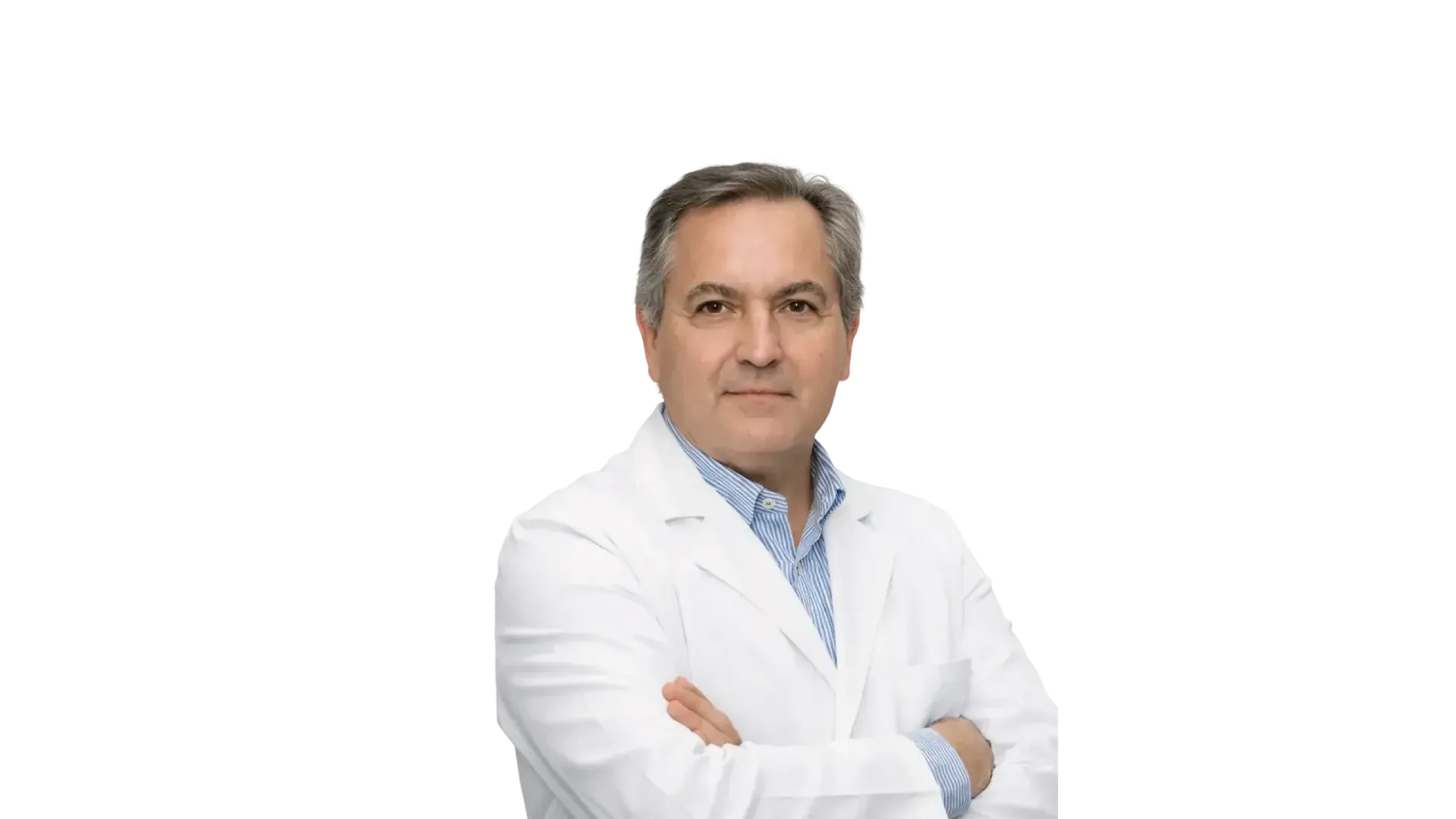
Carlos Alsina
Breast augmentation at Instituto de Benito starts from €6,250 and varies according to the type of implant, the surgical technique, the length of the procedure and the tests and follow-up included, adapting to each patient.
You can finance this procedure at 0% interest. Check the options on our financing page.
*Prices valid in 2026. The exact price is given after the visit, once the surgeon has assessed your case.

The result does not change who you are; it enhances your femininity and balances your natural proportions. Breast augmentation is recommended for women who want:
They regain lost volume and firmness, correcting sagging and redefining the cleavage. In some cases it is combined with a breast lift (mastopexy) to raise the breasts.
The treatment helps restore body proportion and breast shape after significant weight loss.
It helps achieve a more balanced, feminine figure, correcting natural asymmetries.
Ideal for those who want a subtle augmentation, with ergonomic implants or their own fat, prioritizing harmony over volume.
Beyond aesthetics, many patients want to feel more confident and comfortable with their appearance.
Augmentation can be part of a breast reconstruction, restoring shape and confidence after a previous procedure.
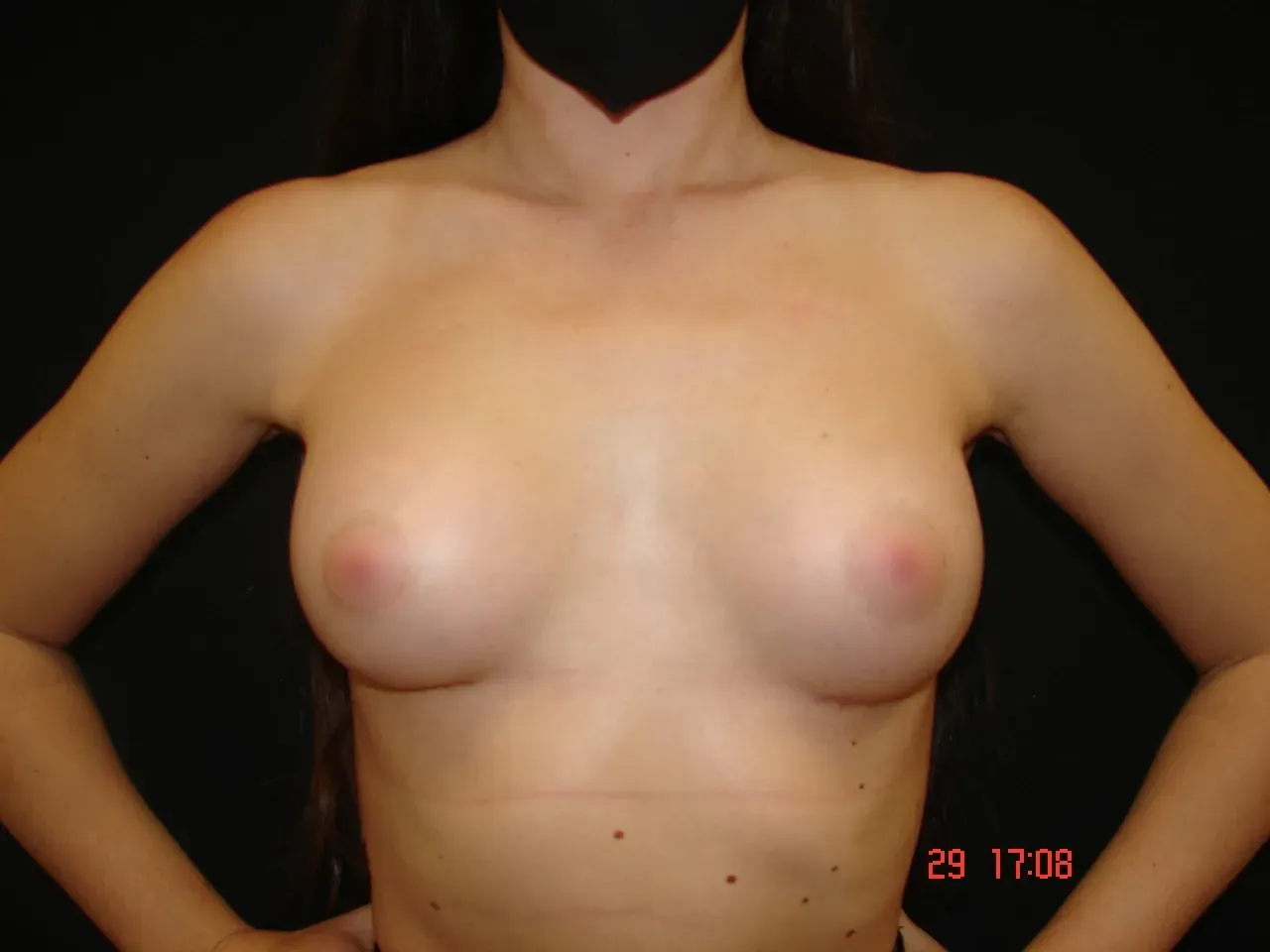
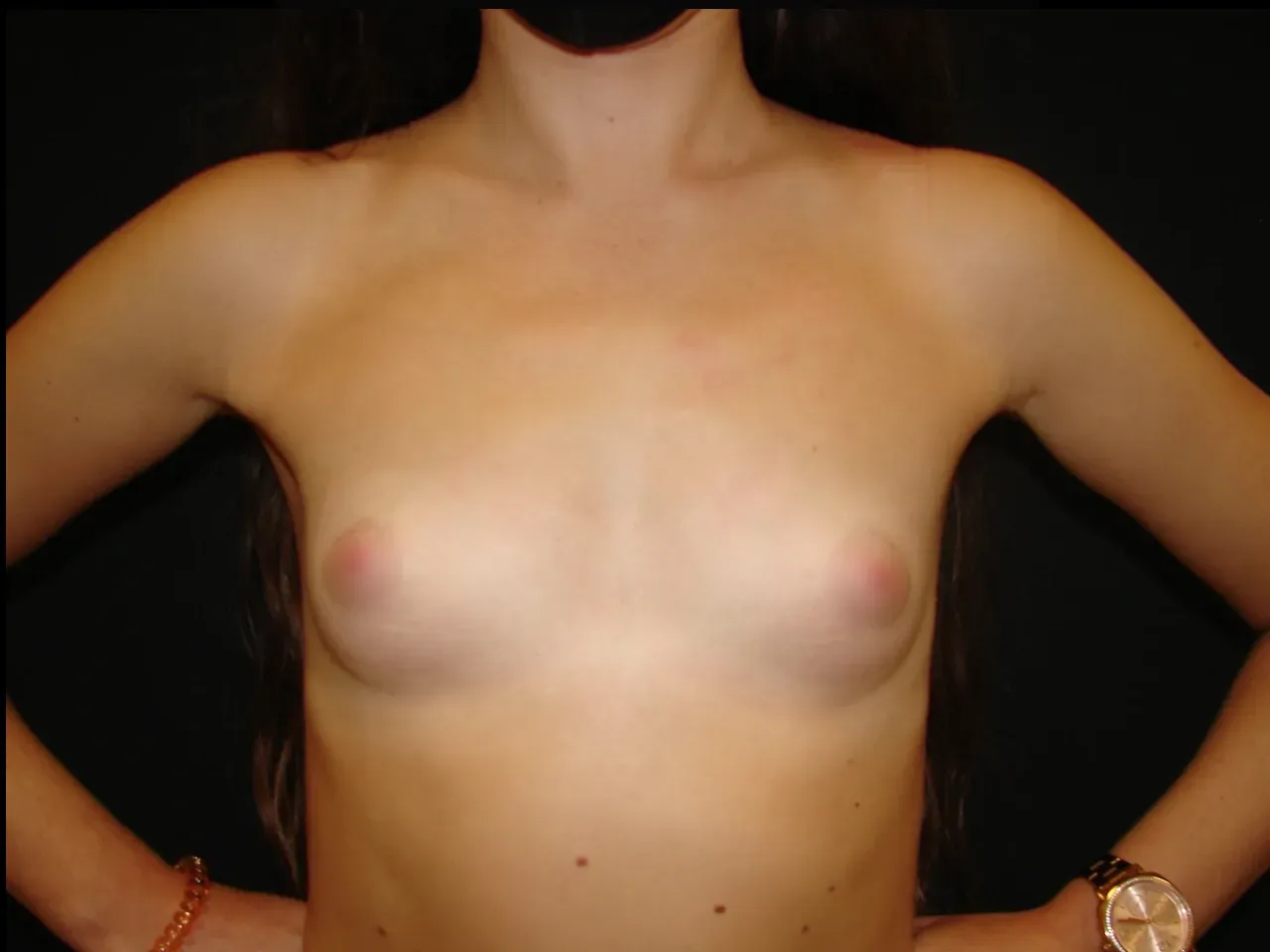
Breast augmentation with implants
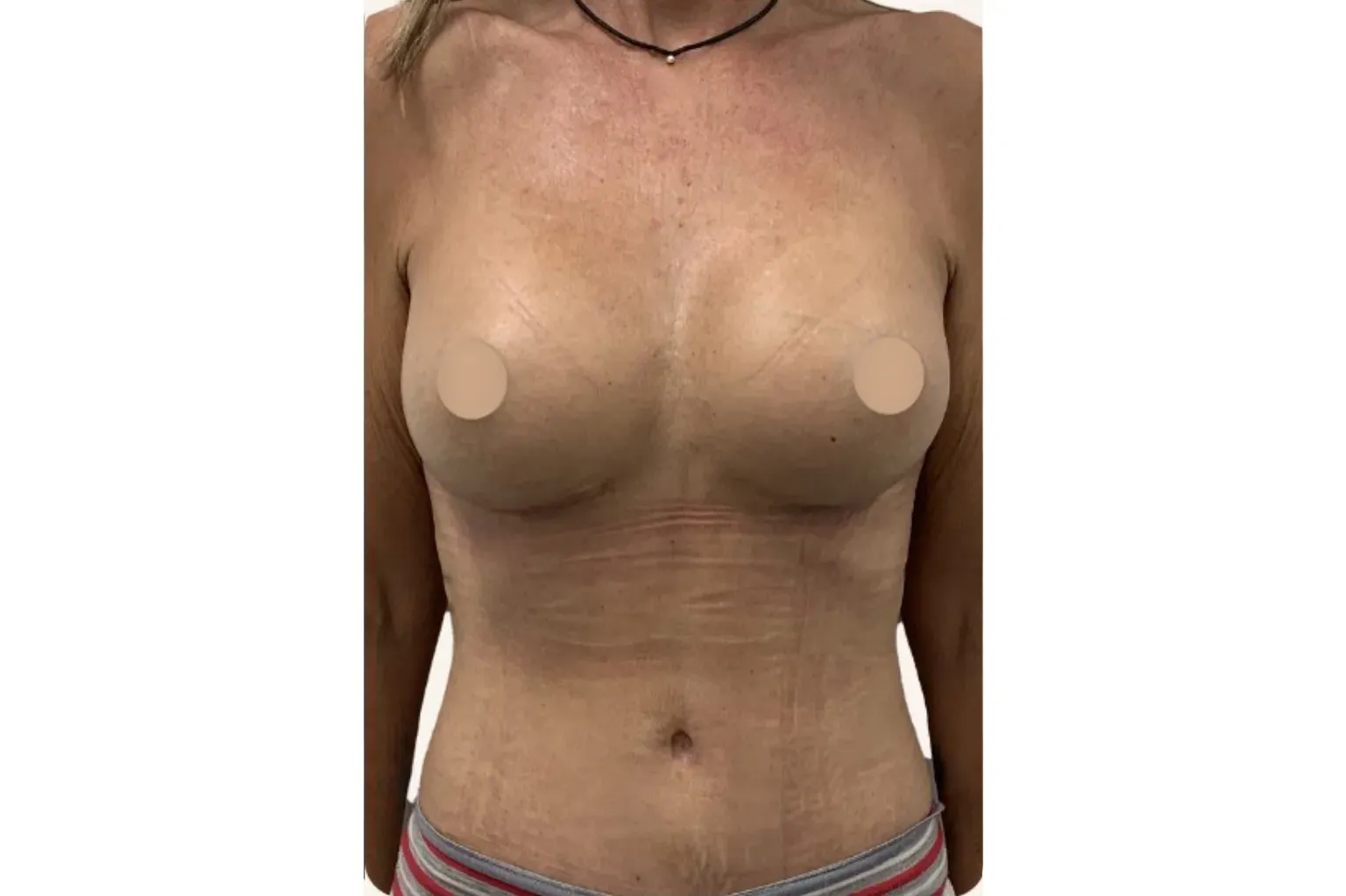
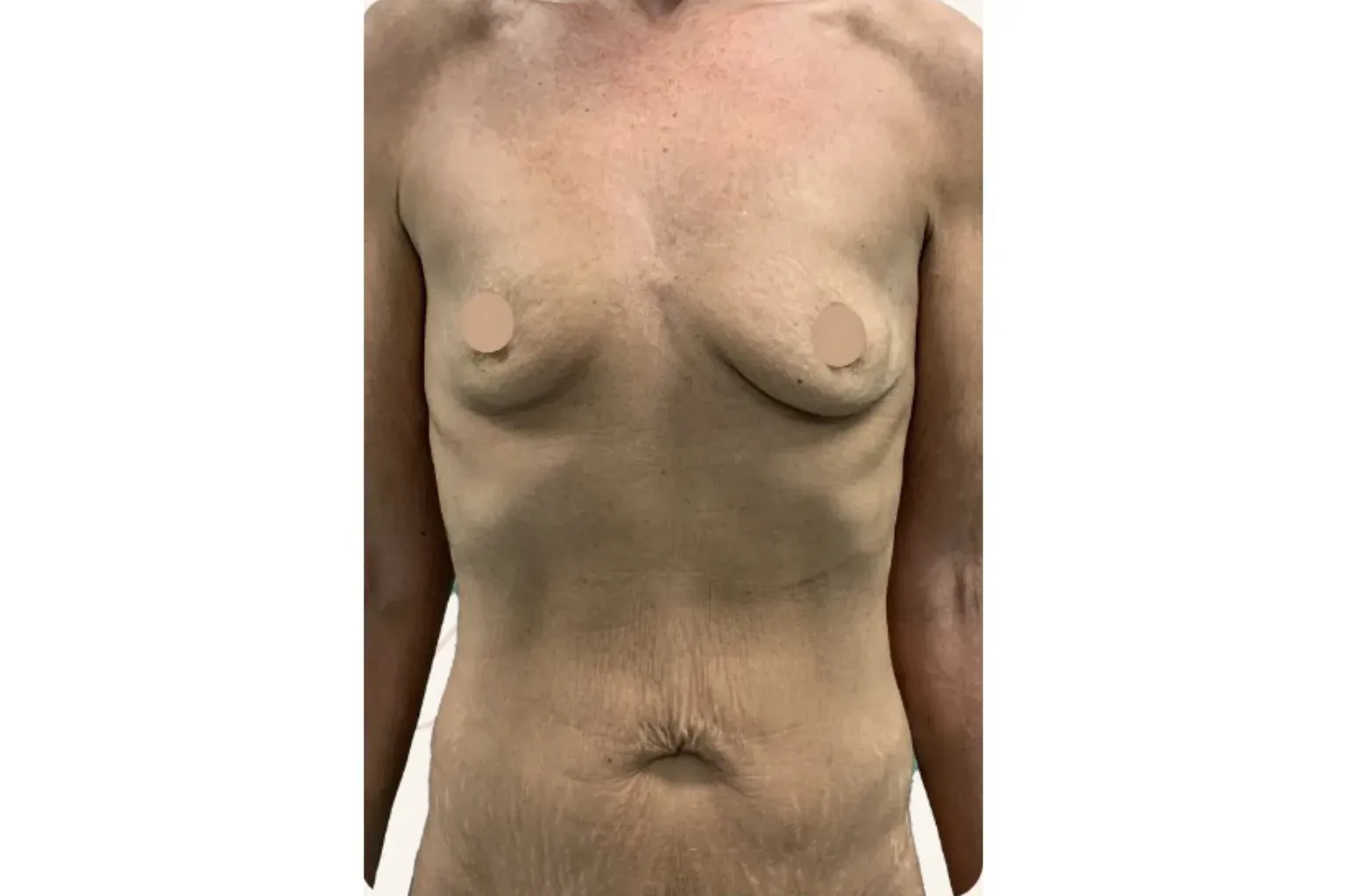
Breast augmentation + tummy tuck
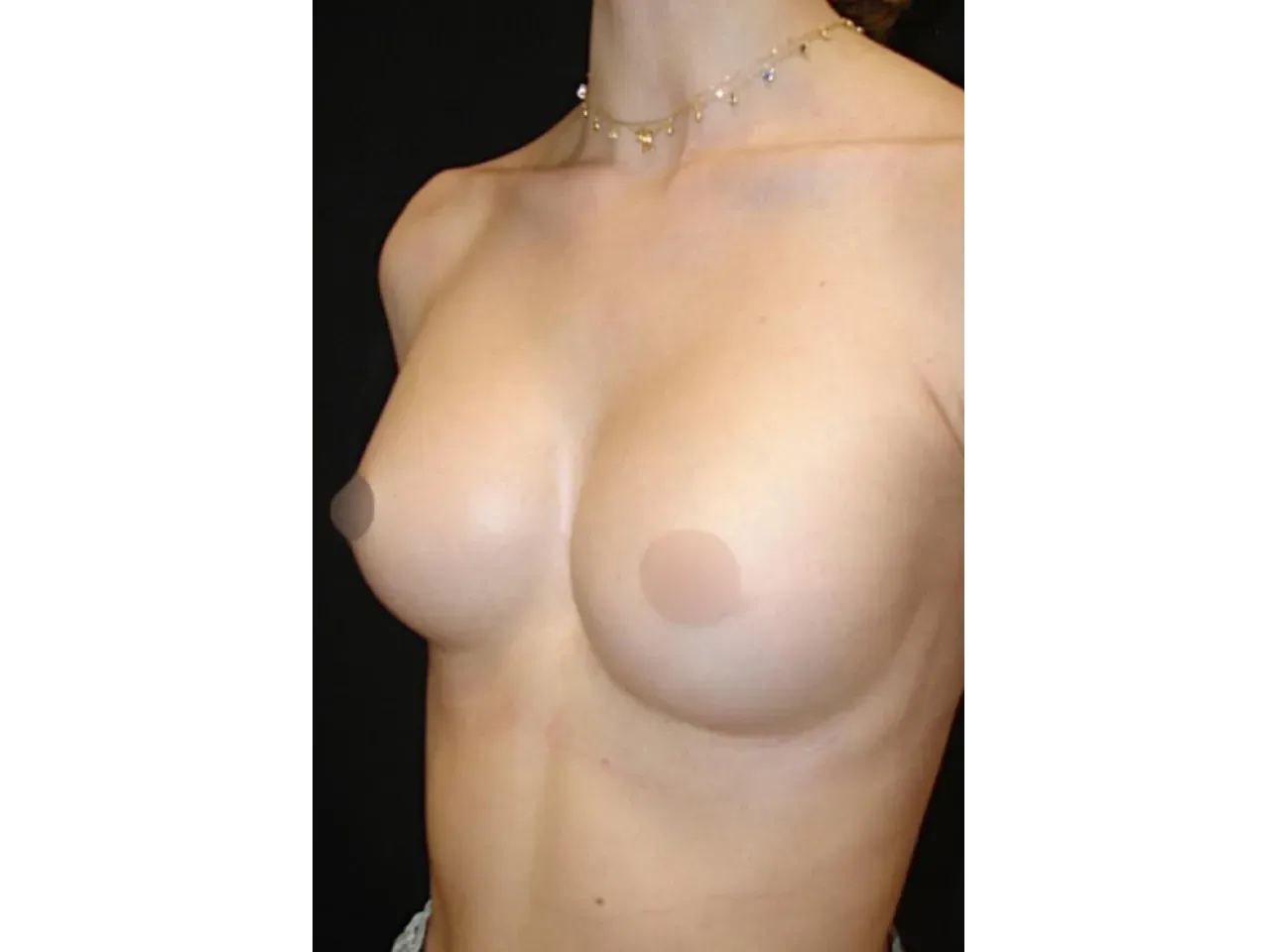
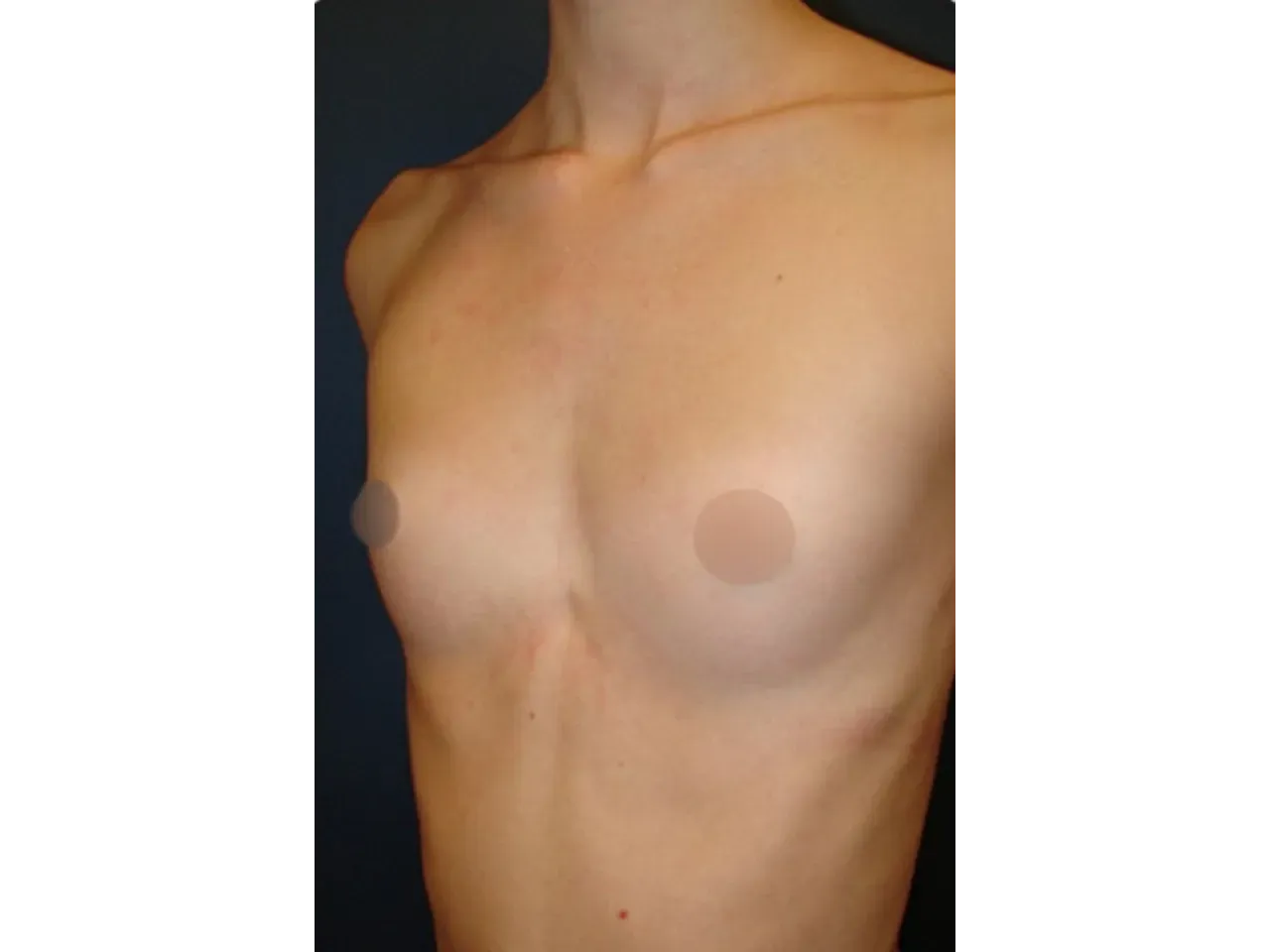
Breast augmentation with a natural result
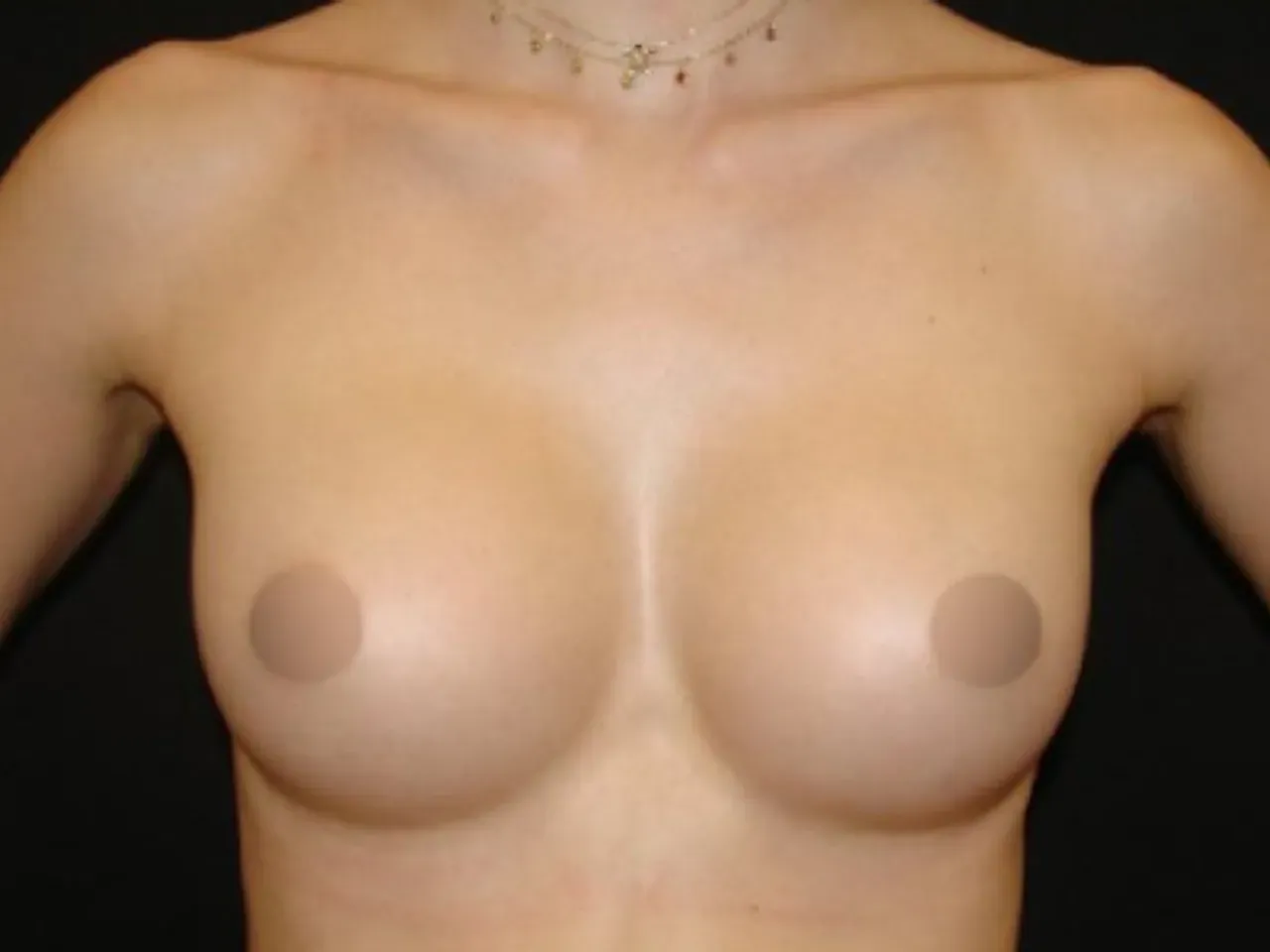
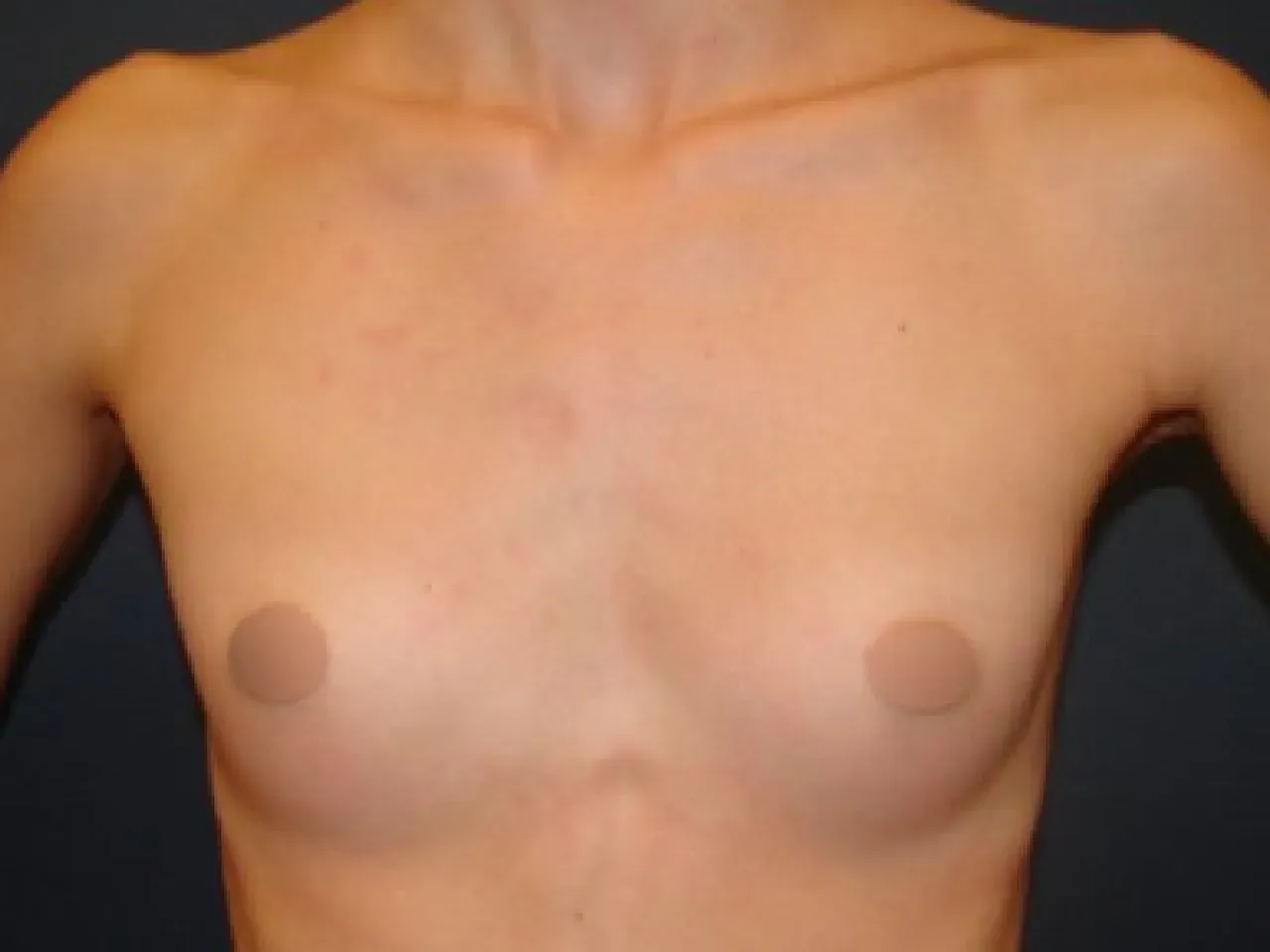
Breast augmentation with natural-look implants
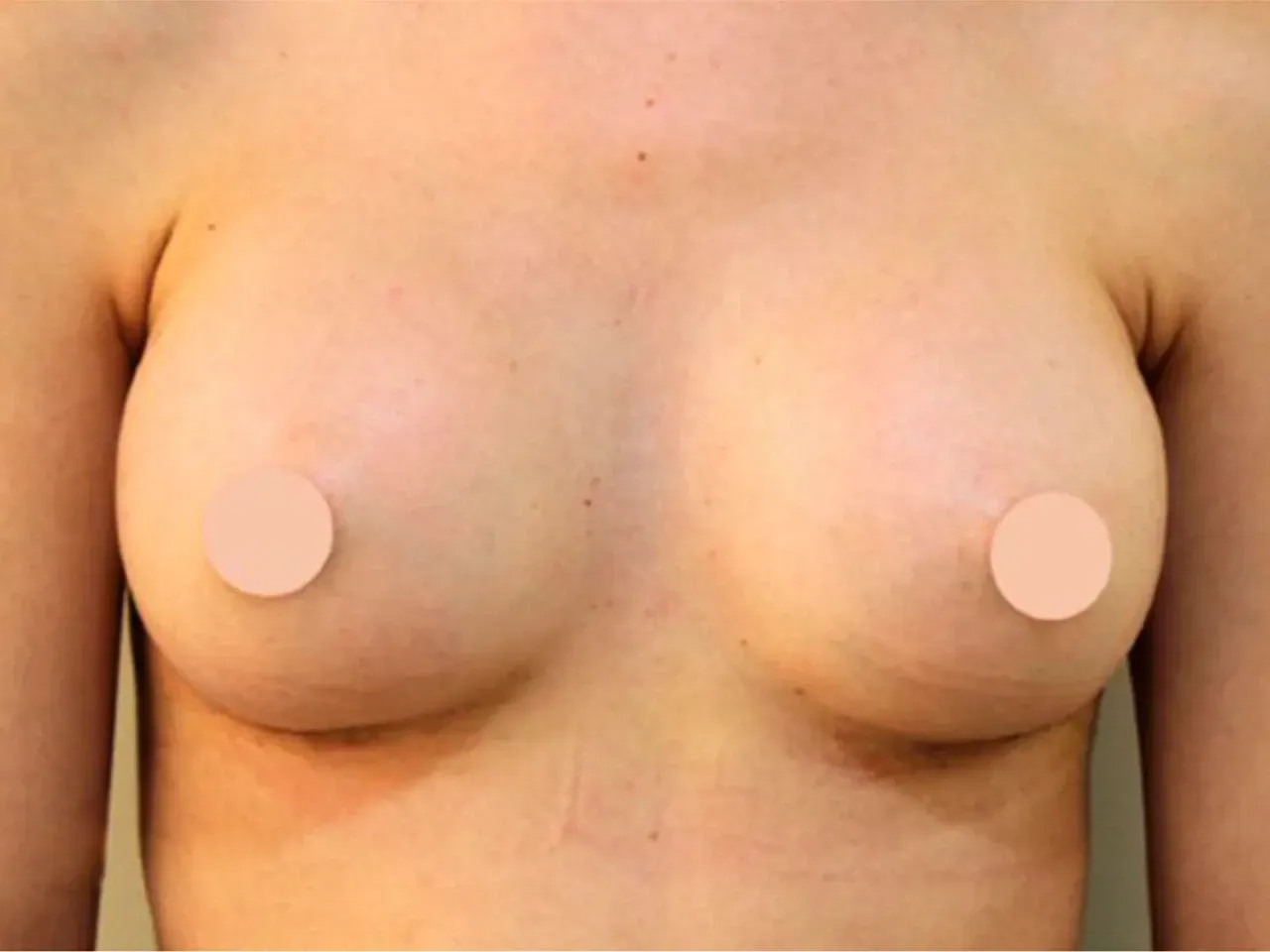
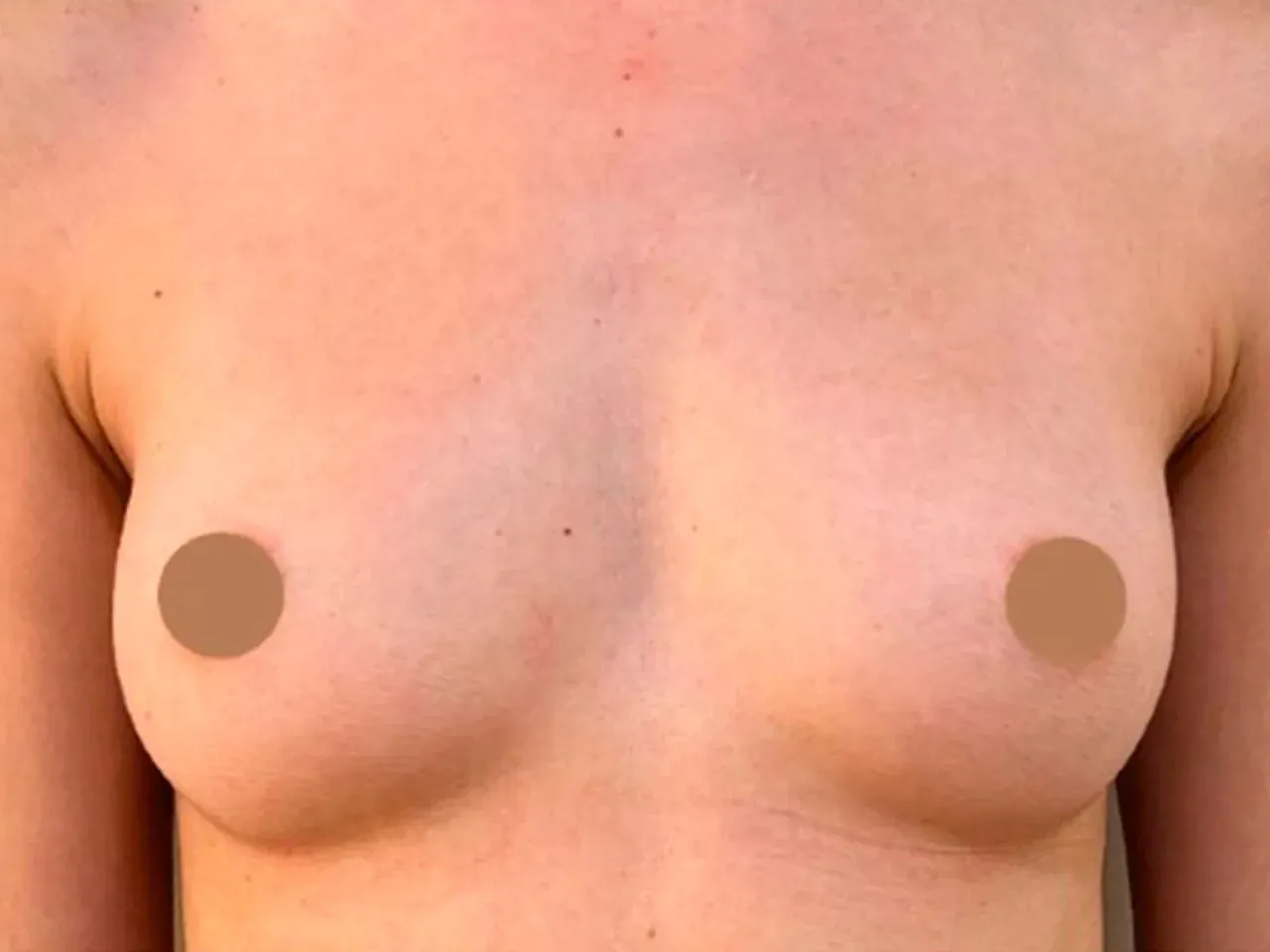
Natural breast augmentation with implants
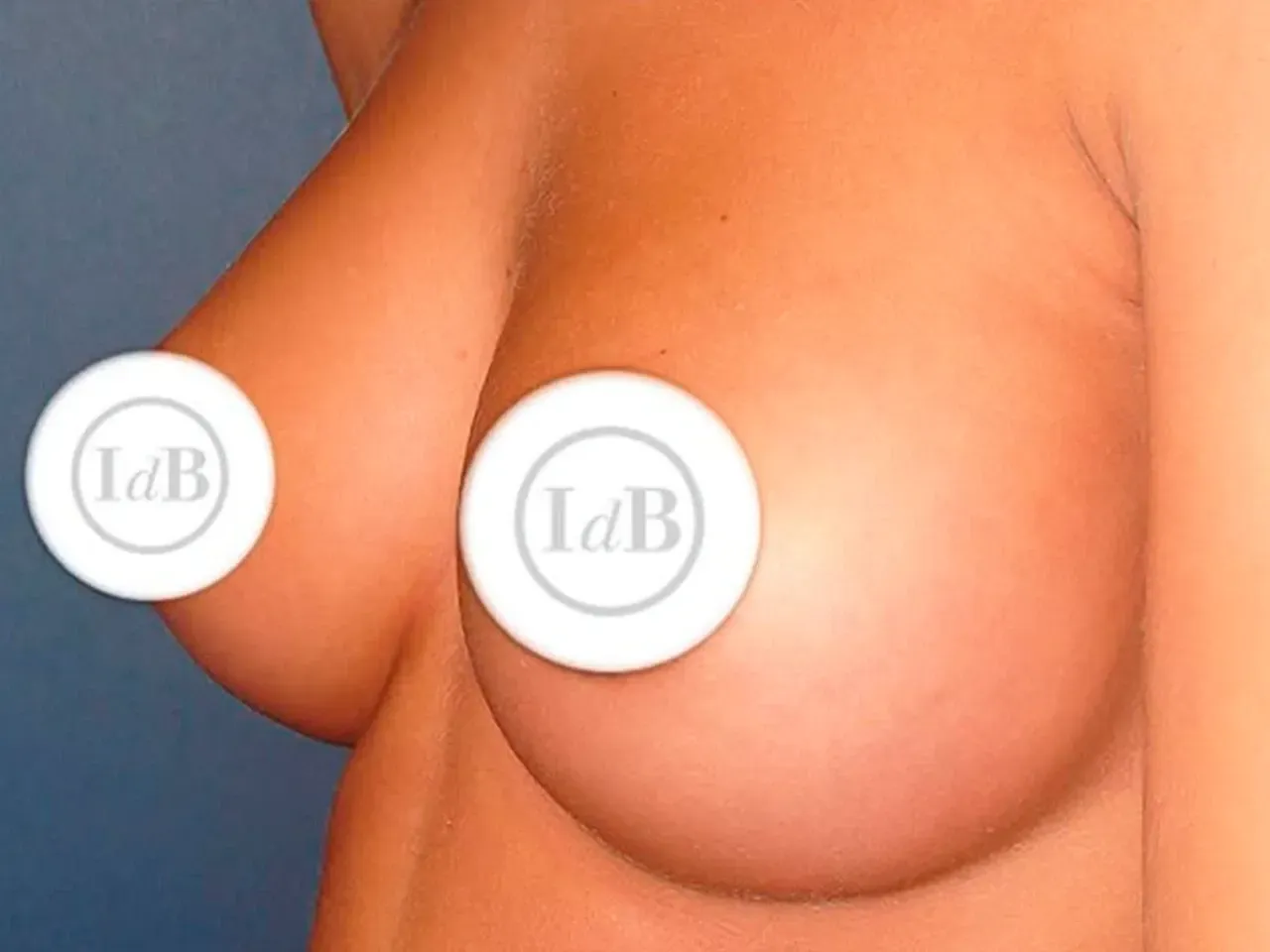
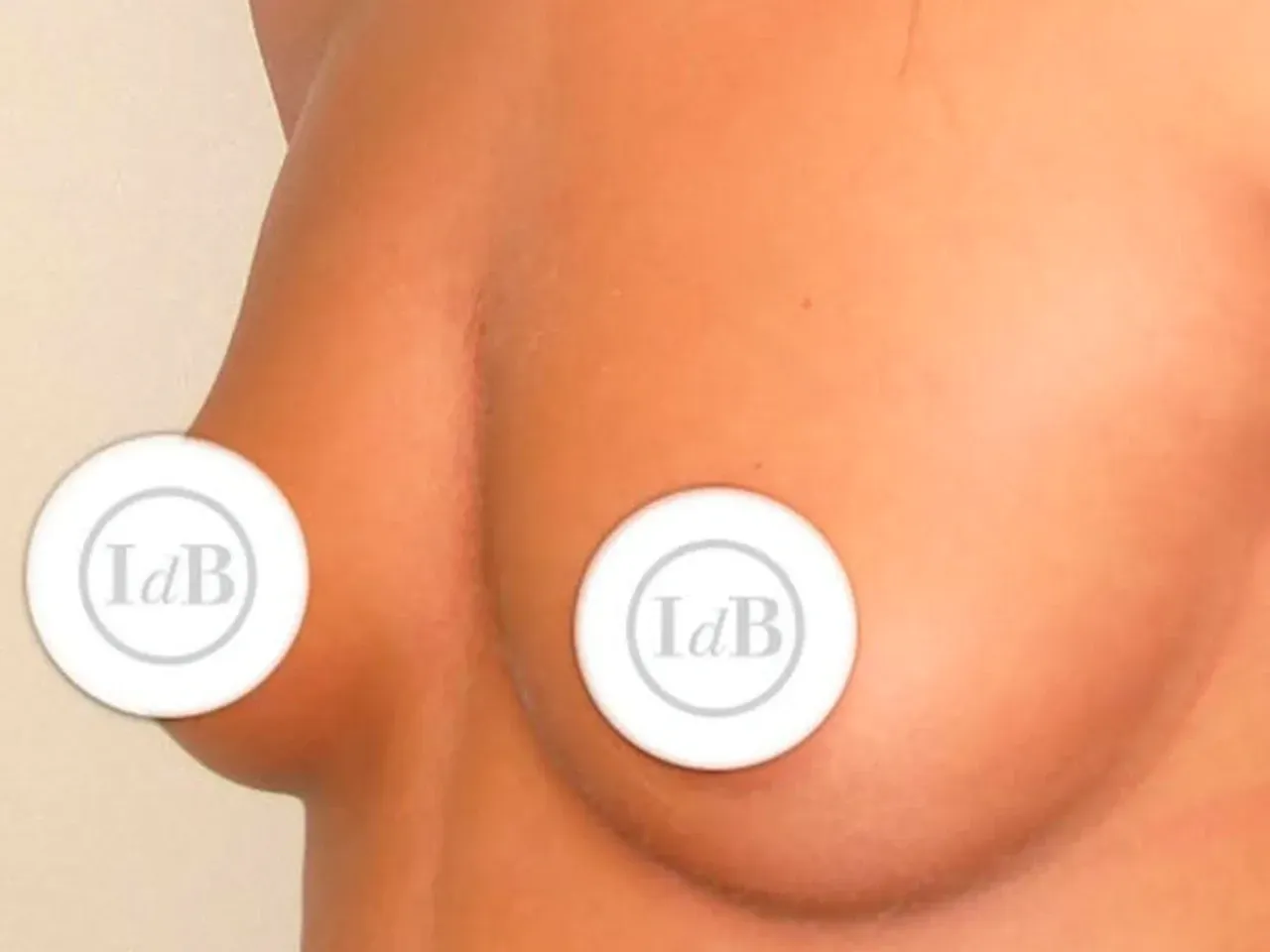
Breast augmentation with teardrop implants
Live outside Barcelona or Madrid?
Start with a video consultation with our surgeons. The surgeon who will operate on you assesses your case, answers your questions and gives you an exact, personalised quote. No travel needed for the first visit.
50 €
video consultation with your surgeon
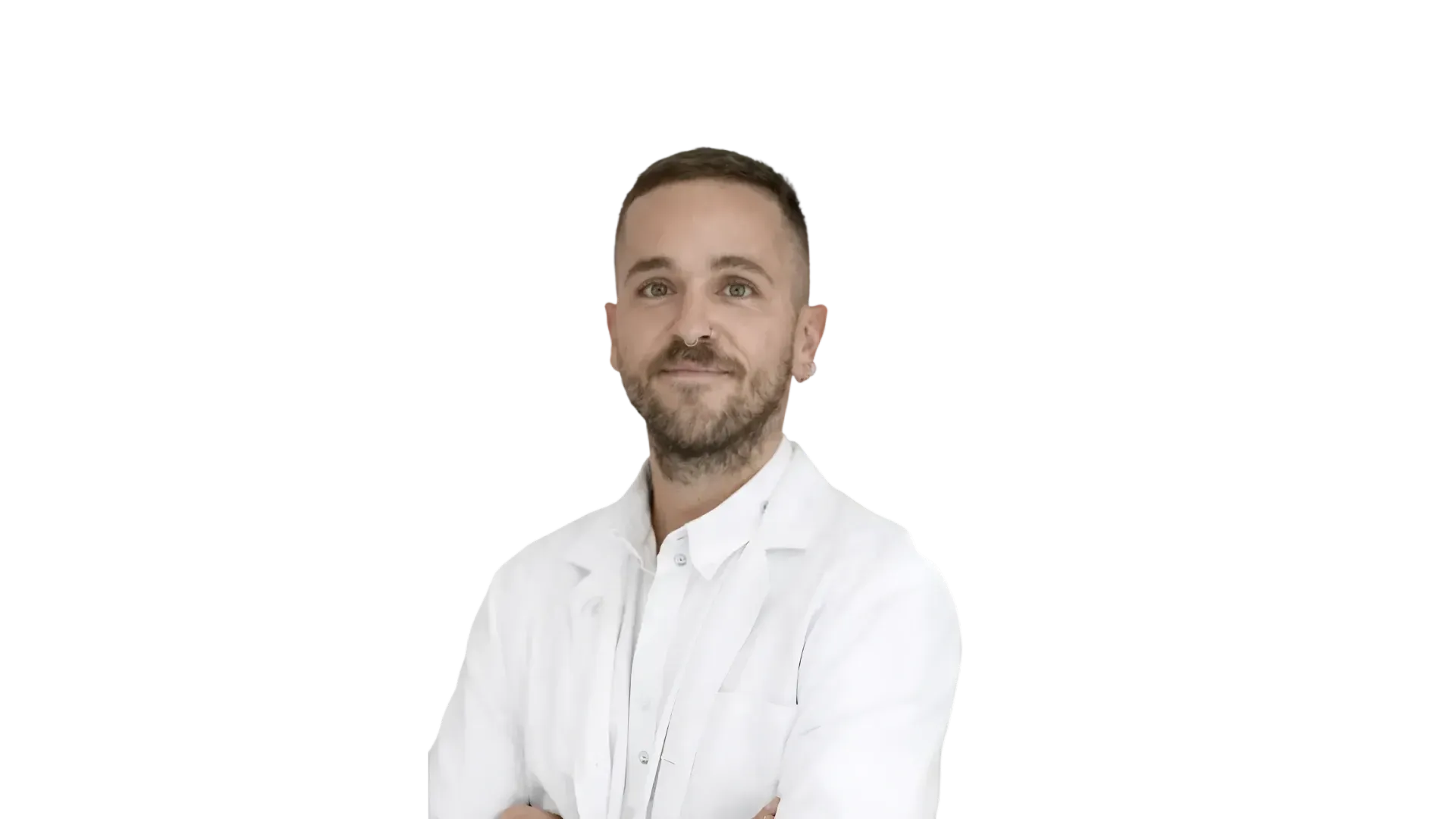
Dr. Víctor Cabrera
Breast surgery
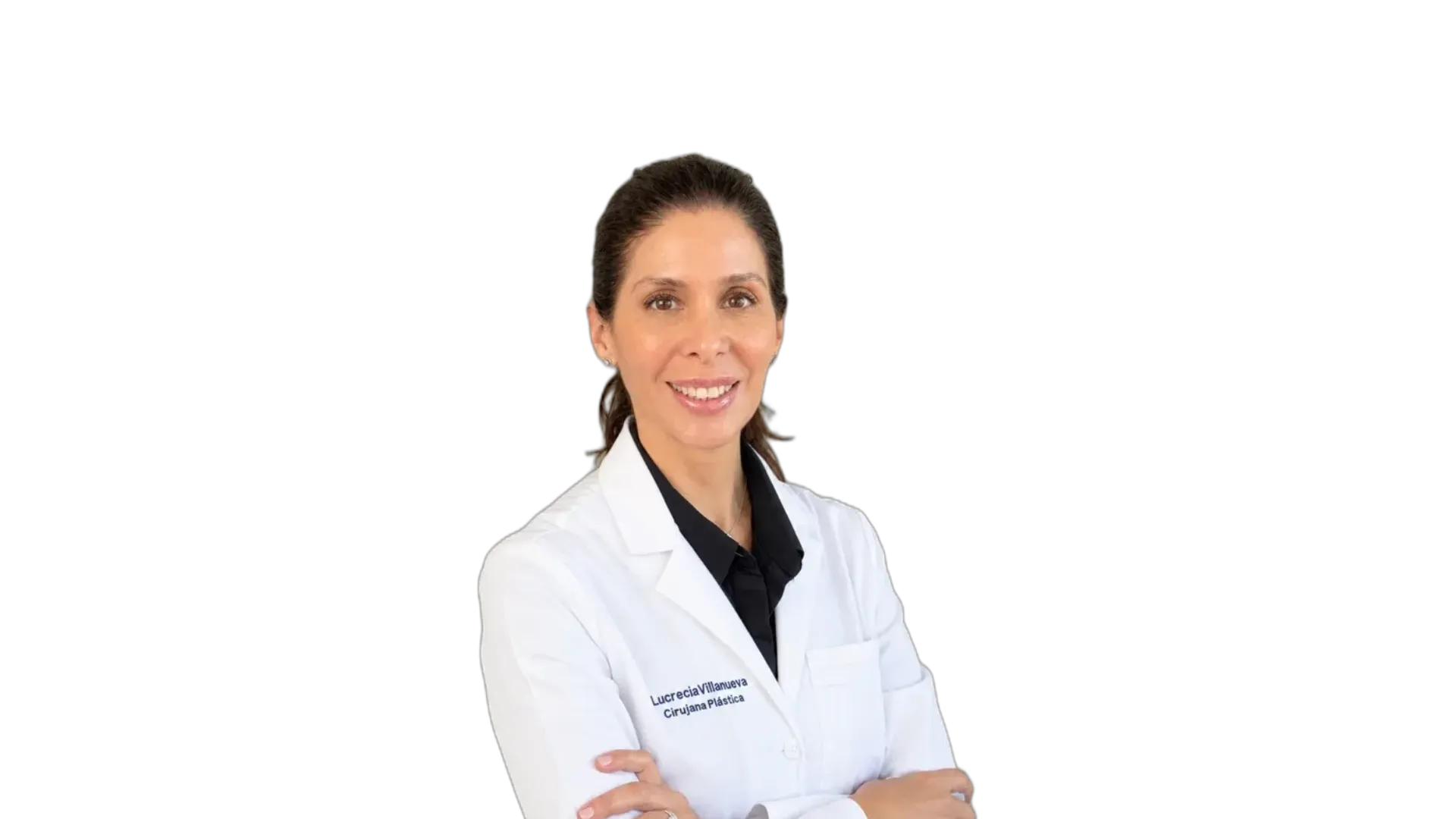
Dra. Lucrecia Villanueva
Breast and body surgery
Breast augmentation with implants is suitable for women looking for more volume or projection, to correct a congenital asymmetry, or to regain volume after pregnancy and breastfeeding or after significant weight loss. During the consultation we assess your anatomy, skin quality and chest shape to plan the implant using a dimensional method.
If your case is a revision or replacement of previous implants, that procedure has its own process: find out more in breast implant replacement.

In this video, Dr. Marina García explains what to bear in mind before breast surgery.
Looking for breast augmentation in Barcelona? Get to know our Diagonal clinic, the price in Barcelona and the surgeons who operate there.
Although breast augmentation is one of the longest-established plastic surgeries, with a very well-established safety profile, there are situations in which it is contraindicated or should be postponed. At Instituto de Benito we always assess this in the preoperative medical consultation, above any aesthetic or commercial consideration. A suitable candidate is not measured only by the wish to have surgery: it is measured by state of health, emotional stability and a realistic expectation of the result.
| Contraindicación | Motivo |
|---|---|
| Current pregnancy or active breastfeeding | The hormonal and volume changes in the breast during pregnancy and breastfeeding alter the surgical result and increase the anesthetic risk and the risk of post-operative complications. Surgery is postponed until at least 6 months after breastfeeding has ended. |
| Active breast cancer or a suspected lesion that has not been diagnosed | Any undiagnosed mammographic, ultrasound or clinical finding must be investigated beforehand. Cosmetic surgery never takes priority over an oncological assessment. |
| Active infection, local or systemic | It significantly increases the risk of periprosthetic infection, capsular contracture and poor healing. The procedure is postponed until the infection has fully resolved. |
| Severe coagulation disorders | They raise the risk of post-operative hematomas, intraoperative bleeding and healing complications. A prior hematological assessment is required. |
| Uncontrolled systemic diseases | They increase the anesthetic risk and compromise healing. They must be stabilized before surgery is considered. |
| Active smoking | Nicotine reduces blood flow to the skin and seriously compromises healing, increasing the risk of necrosis of the nipple-areola complex, wound dehiscence and infection. We require you to stop smoking at least 4 weeks before and 4 weeks after surgery. |
| Body dysmorphic disorder or unrealistic expectations | When the motivation for surgery stems from a distorted body image or from expectations that the anatomy cannot meet, no surgical technique will resolve the dissatisfaction. These cases require a psychological assessment before surgery is considered. |
| Under 18 years of age for cosmetic purposes | Breast development must be complete. For breast augmentation with purely cosmetic aims, the minimum age is 18. |
| Unstable body weight or significant planned changes | Major weight gain or loss changes breast volume and position, compromising the result in the medium term. We recommend a stable weight for at least 6 months before surgery. |
| Pregnancy planned in the short term | Although it is not an absolute contraindication, we recommend completing your plans for motherhood before the augmentation, as a later pregnancy changes volume and skin elasticity and may compromise the aesthetic result. |
| Active autoimmune diseases (lupus, rheumatoid arthritis, scleroderma) | They require an individualized rheumatological assessment. Although current scientific evidence does not establish a causal relationship between implants and systemic autoimmune disease, in patients with active disease surgery is assessed case by case. |
| Recent breast surgery or unresolved previous complications | A previous surgery with active capsular contracture, unresolved infection or inadequate healing must be stabilized before a new procedure is considered. |
| Treatment with anticoagulants or antiplatelet drugs | It is not an absolute contraindication, but it requires adjustment or temporary suspension as directed by the treating physician and coordinated with the surgical team. |
| No mammogram in patients over 35–40 years of age | For every patient from that age onward, we require a recent mammogram before surgery. Cosmetic surgery should never be performed on a breast that has not been examined. |
Enhance your figure with natural results
One of the reasons breast augmentation remains, decade after decade, among the most performed plastic surgeries in the world is precisely its well-established safety profile when it is carried out to rigorous medical standards.
If, after surgery, you experience severe pain that does not ease with the prescribed pain relief, a fever above 38 °C, marked local warmth in one breast, progressive redness, discharge from the wound, sudden asymmetry, difficulty breathing or chest pain, contact the clinic immediately or go to your nearest emergency department. Most serious complications are perfectly manageable if detected in time.
These are not complications; they are the breast's normal response to surgery. They appear in the first few days and resolve with standard post-operative care:
All of these reactions are part of the normal recovery process. Most patients can return to sedentary activities after one week, office work after 7–10 days and high-impact sports from 6 weeks onward.
There is a second group of issues that, while not serious, can appear during recovery or the first few months and are worth knowing about:
Most of these situations are managed in the clinic with close follow-up. Only a small proportion require revision surgery.
These are the serious complications, described in the surgical literature with low incidence rates, but which every well-informed patient should know about before signing a consent form:
Instituto de Benito is a leading center for plastic surgery, aesthetic medicine and wellness, with 40 years of experience and thousands of satisfied patients.
Our team combines surgical artistry, technical precision and emotional care, with the aim of a natural result.
«With almost four decades devoted to cosmetic surgery»
«A breast augmentation goes far beyond a surgical procedure: it is a deeply personal process based on trust»
«A breast augmentation changes more than your body»
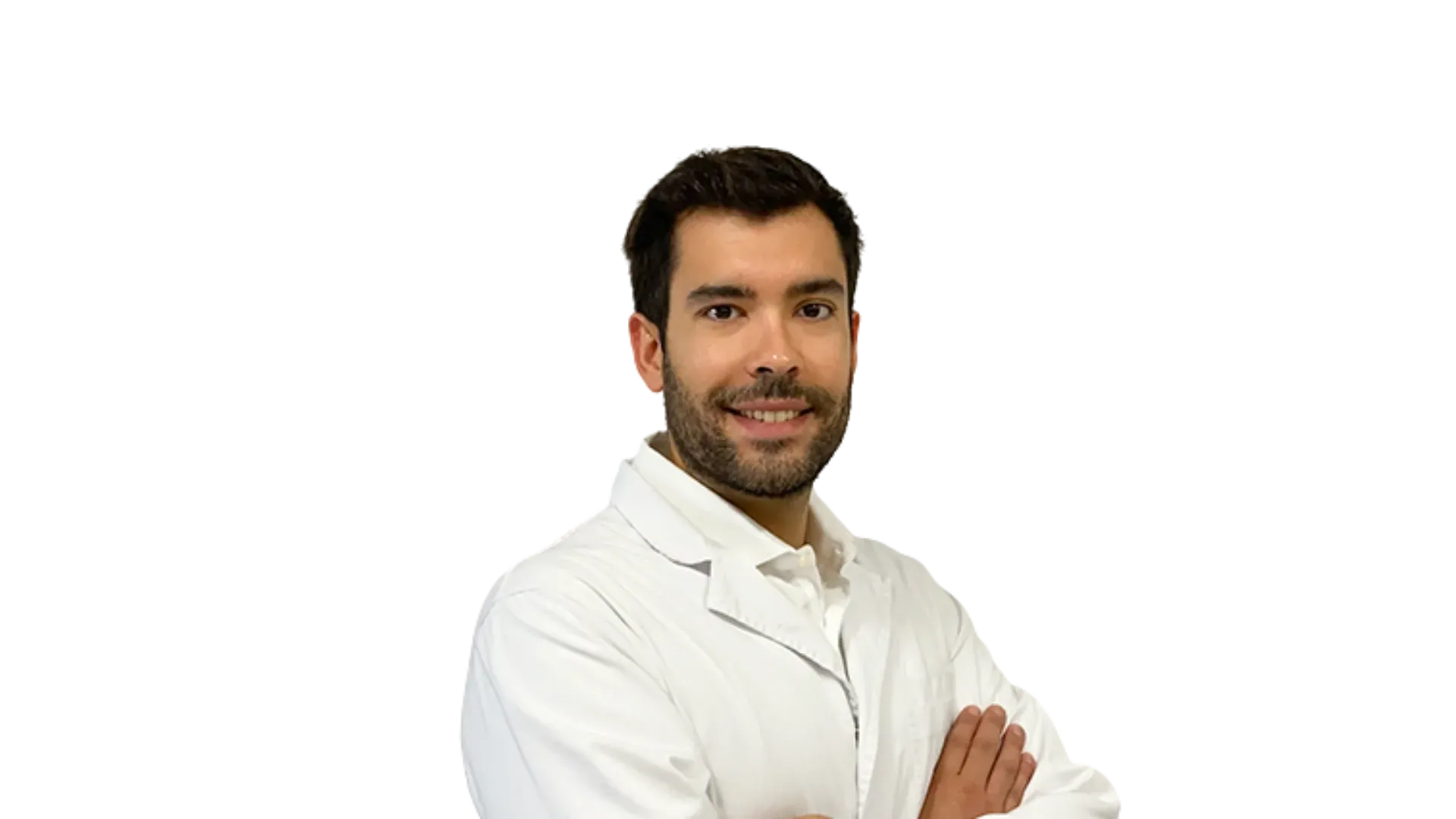
At Instituto de Benito, we have a solid track record backed by more than 40 years of experience in plastic and cosmetic surgery, with a special focus on breast surgery. Over the course of our career, we have performed more than 10,000 breast surgeries, which allows us to offer safe, natural and personalized results.
Post-operative follow-up is included and we support the patient through every stage until discharge.
The first consultation can be held by video call before you travel. It costs €50, deducted if you decide to have surgery, and it is with the surgeon who would operate on you. All our advisors and surgeons speak English.
The first step is not surgery: it is a consultation with the surgeon who would perform your procedure. She will assess your anatomy, answer your questions and give you a specific dimensional plan and a fixed quote.
The first consultation costs €80, which is deducted from the cost of surgery if you decide to have your procedure with us. You can also call us.
Breasts that are proportionate, balanced and natural-looking, suited to your figure. Full recovery comes between 3 and 6 months, once the tissue has fully adapted.
Pain is usually mild to moderate and is well controlled with medication. Most patients return to their daily routine in about a week.
Yes, in most cases. Current techniques preserve the mammary gland and the milk ducts, so they do not usually interfere with breastfeeding.
Current implants can last more than 15 or 20 years. They do not need to be replaced if they show no complications or wear.
No, current ergonomic implants mimic the density and movement of natural breast tissue, offering a soft feel and a very realistic result.
Gentle exercise can be resumed from 4 weeks and high-impact sports from 6 weeks.
Augmentation with your own fat offers subtler, more natural results, while implants allow for greater breast volume, projection and definition.
Yes, it can be combined with procedures such as a breast lift (mastopexy) or liposuction, always after a personalized medical consultation to ensure safety and results.
Moderate weight changes do not usually affect the result significantly. Keeping a stable weight helps maintain the aesthetic result in the long term.
You can return to everyday life within 7 to 10 days, and to an office job in the same time frame. High-impact sports can be resumed from 6 weeks, and full recovery comes over the first 3 months.
Yes, you can finance your breast augmentation with convenient payment options. Financing is available over 12 months interest-free or up to 48 months, subject to conditions.
Medical review
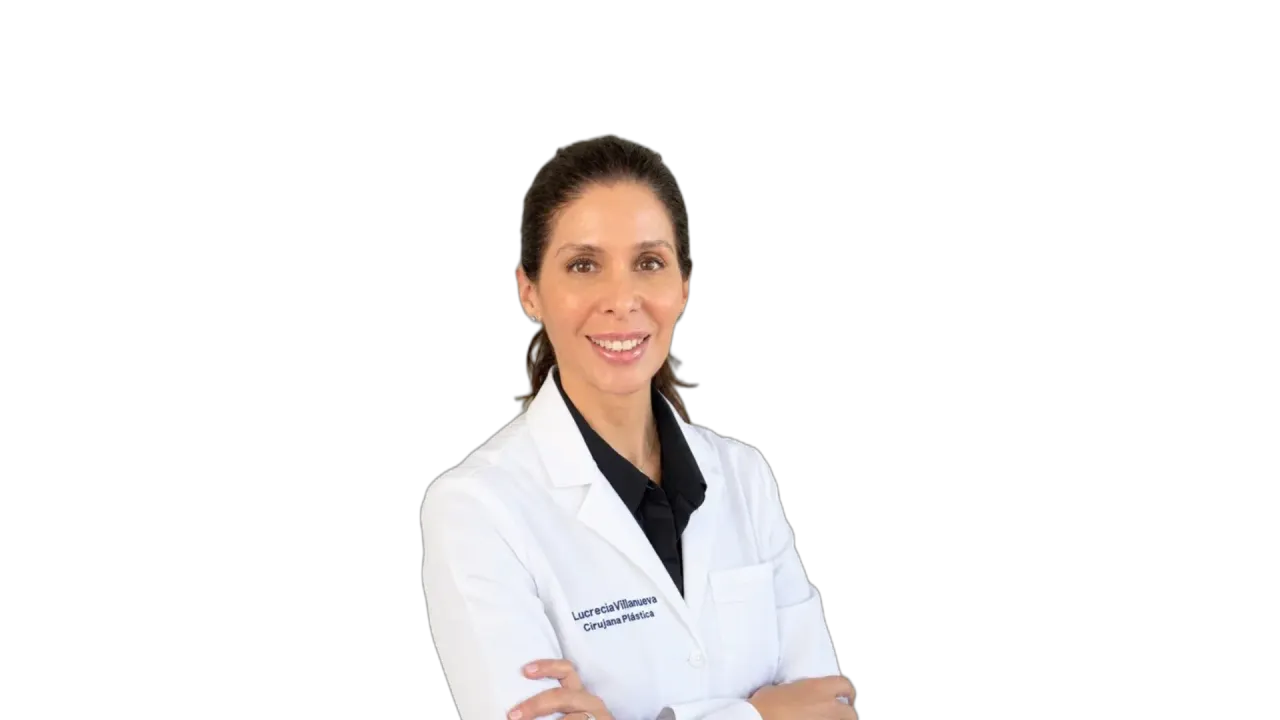
Dr. Lucrecia Villanueva body and breast surgeon
N.º de colegiación 282871279
Specialist surgeon in body and breast
Average rating: 4.8 / 5
 Feed
Feed






'%20fill='%23FBBC05'%20d='M0%2037V11l17%2013z'/%3e%3cpath%20clip-path='url(%23b)'%20fill='%23EA4335'%20d='M0%2011l17%2013%207-6.1L48%2014V0H0z'/%3e%3cpath%20clip-path='url(%23b)'%20fill='%2334A853'%20d='M0%2037l30-23%207.9%201L48%200v48H0z'/%3e%3cpath%20clip-path='url(%23b)'%20fill='%234285F4'%20d='M48%2048L17%2024l-4-3%2035-10z'/%3e%3c/svg%3e)


