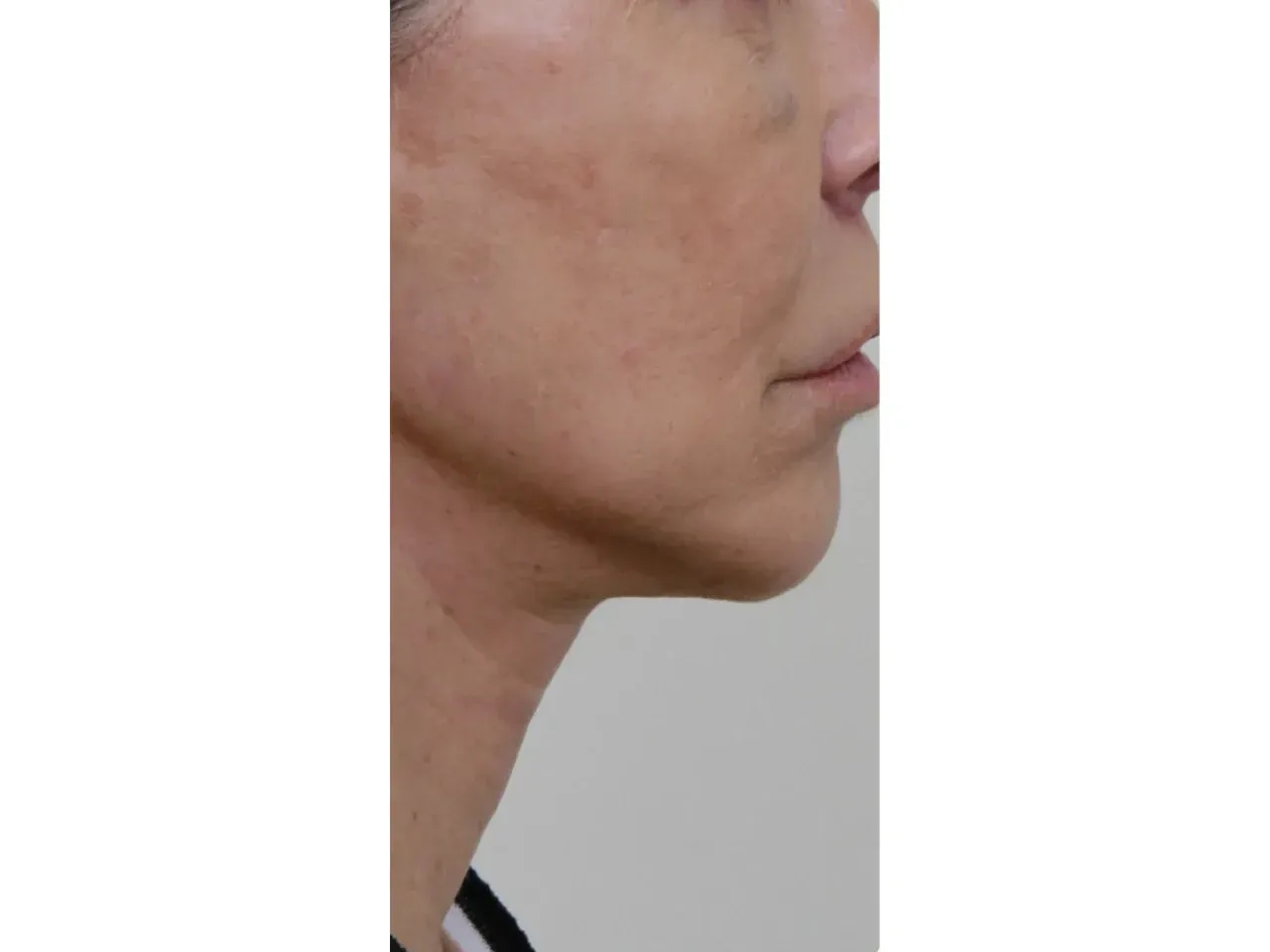
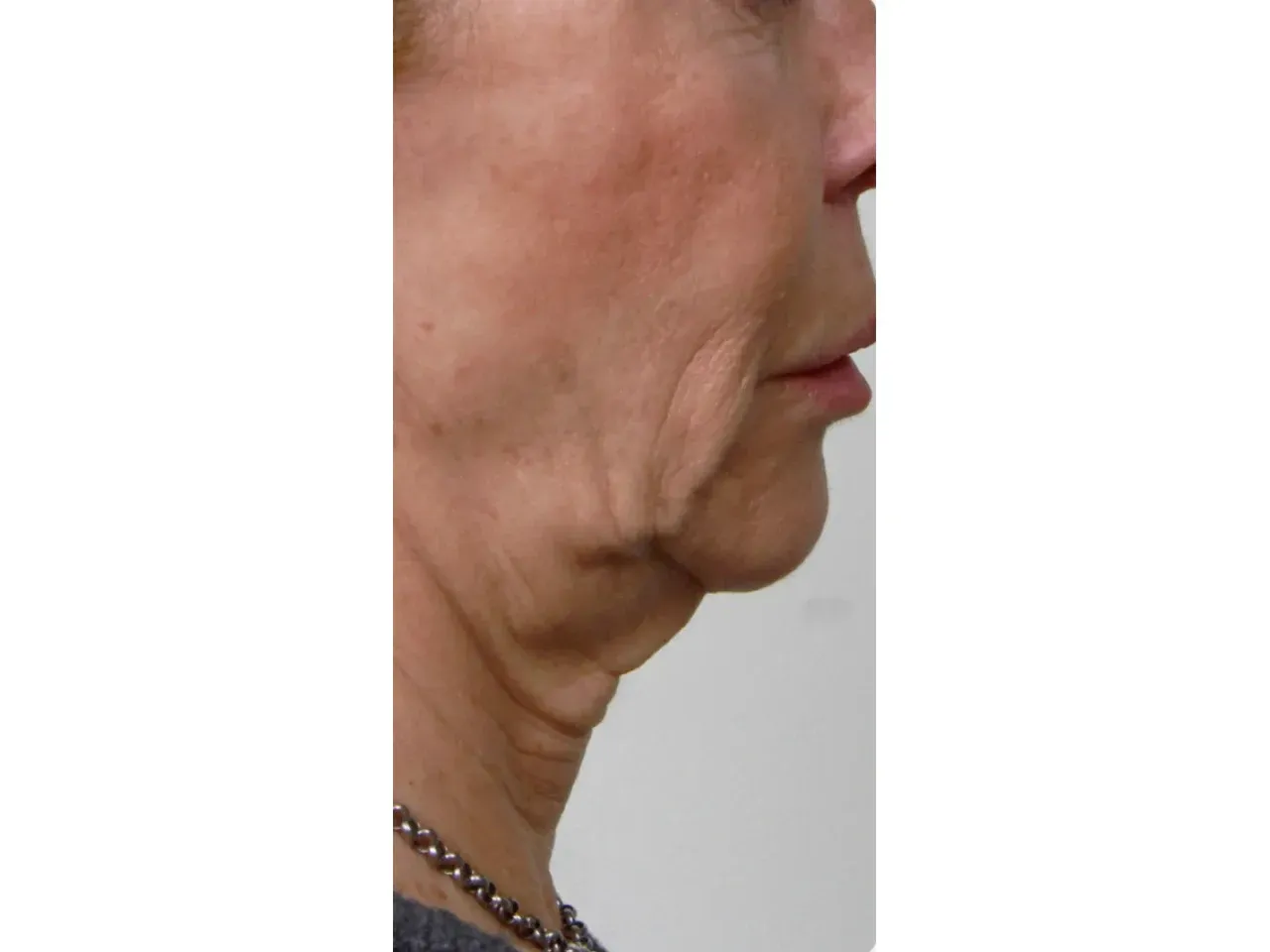
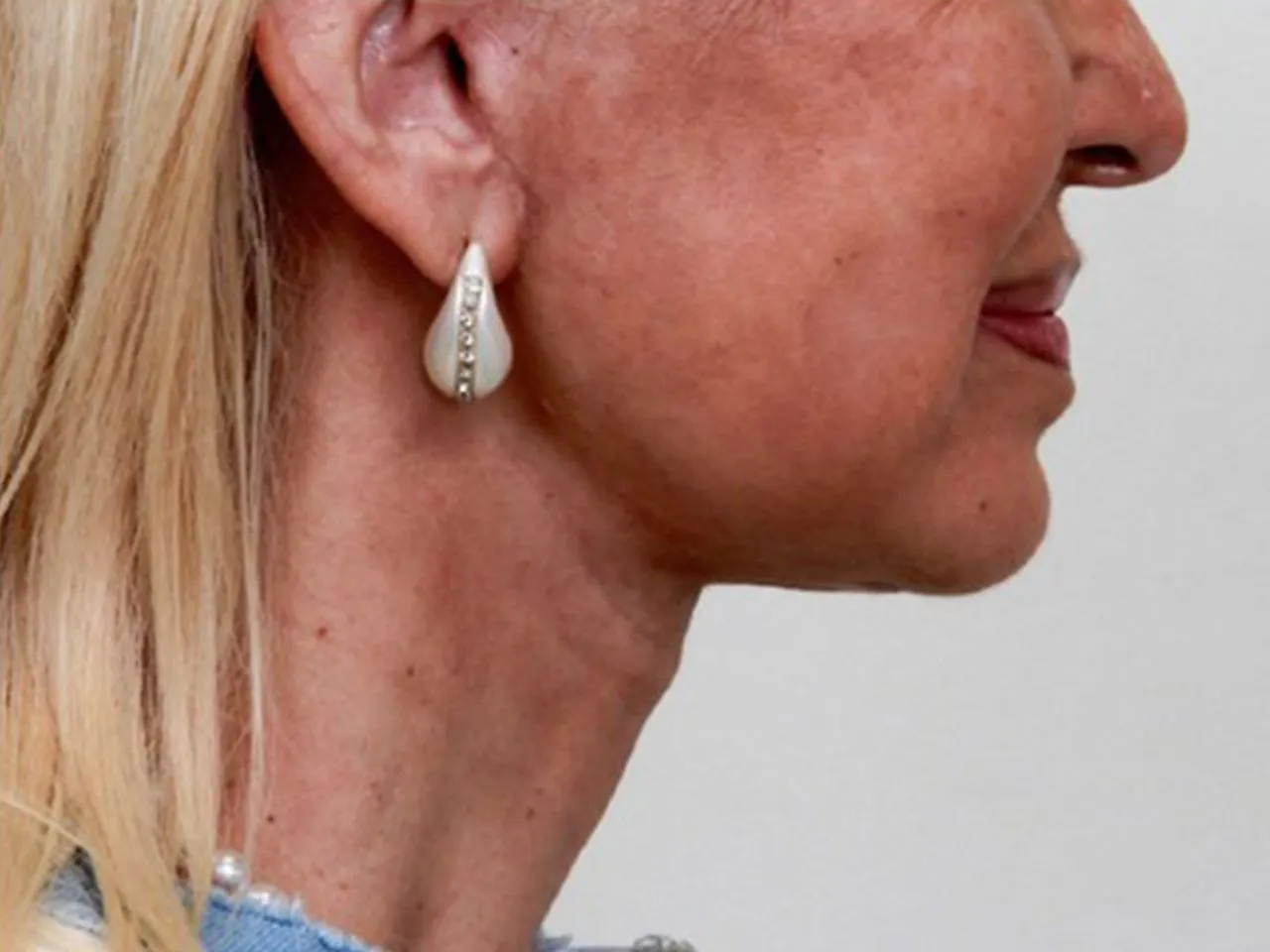
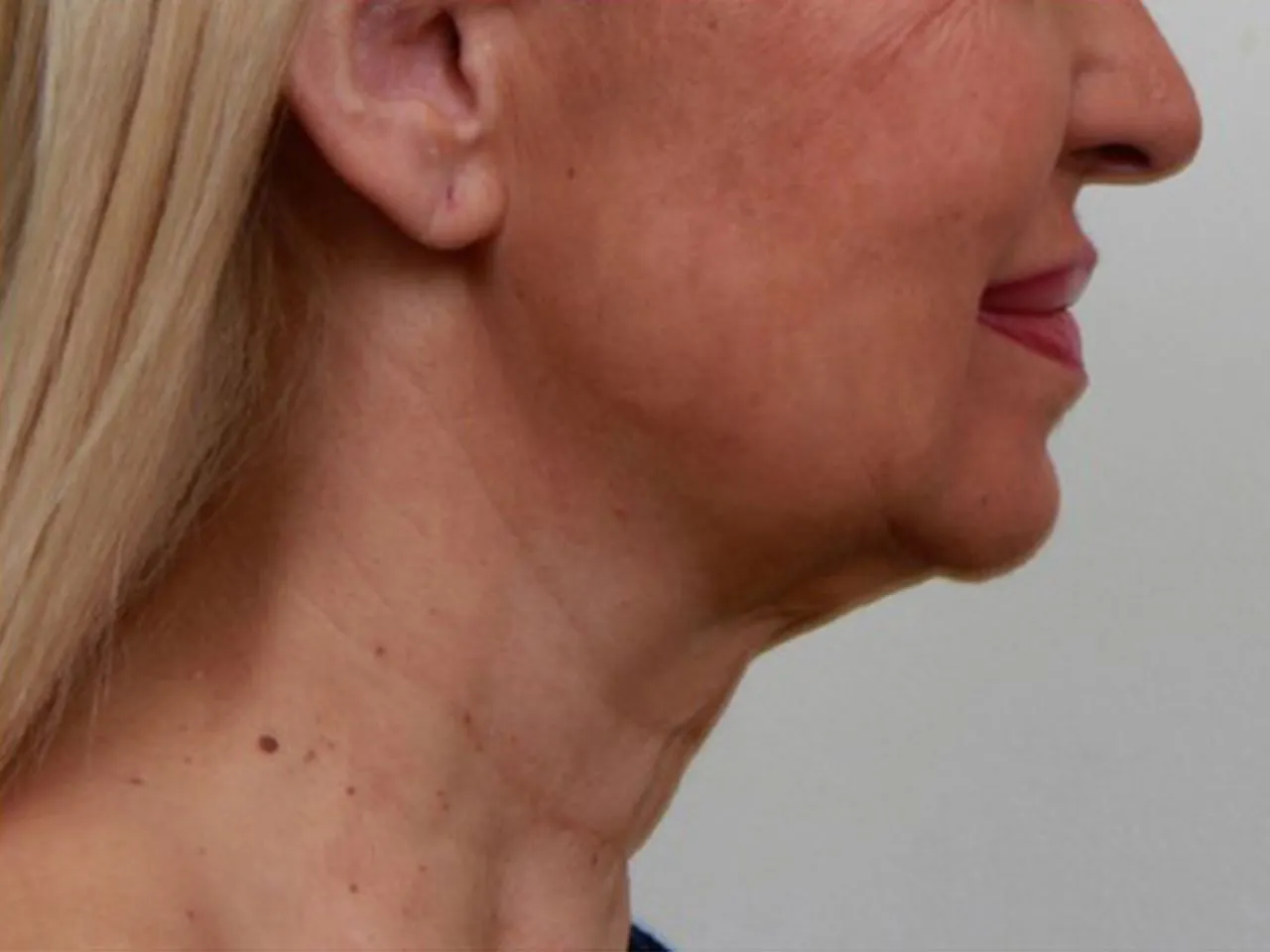
Facelift: Rejuvenation with a natural result

Thinking about having a facelift?

There is no single facelift, but different techniques depending on the area and the degree of sagging, from the SMAS or deep plane to the mid-face lift or neck lift. During your consultation we assess which one is right for your case.

From: 12.000 €

lifting facial en instituto de benito
Loading form...

Surgery duration:

Approx. 4 hours

Recovery time:

2 to 4 weeks

Synapta® protocol:

Included in Barcelona

Anesthesia:

General

Hospital stay:

Usually 1 night

Social life:

10 to 15 days

Full recovery:

4 to 6 months

What is a facelift?

A facelift repositions the muscle and aponeurotic tissues beneath the skin: the ones that, over the years, drop, drag the skin down and distort the face. Once they have been repositioned, the skin is adjusted and the excess is removed, which leaves the face looking natural. Tightening the skin alone, as was done in the past, can produce a forced look, because skin is lax in order to allow expression.

There are several types of facelift, with different techniques and scars, and each case calls for its own.

"One key does not open every lock."

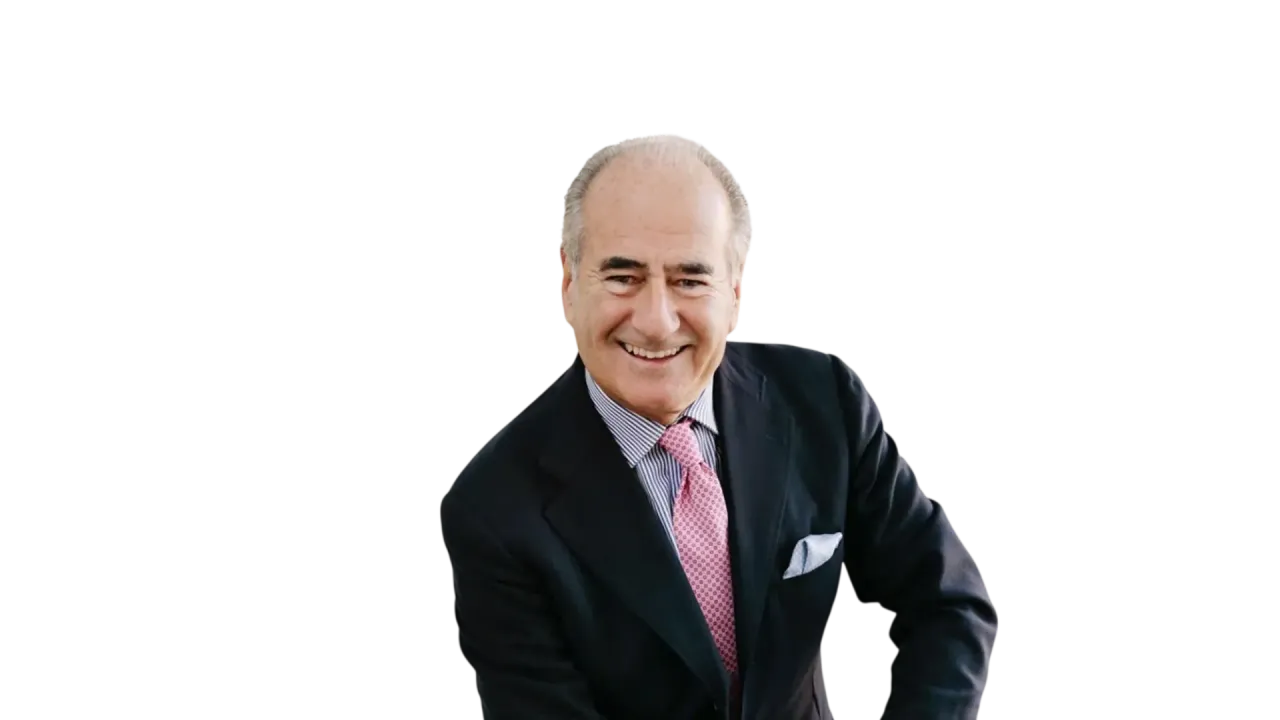
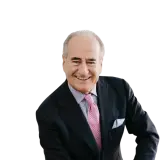
Dr. Javier de Benito

Types of facelift

Facelift or cervicofacial lift

This is the most complete facial rejuvenation technique. It corrects sagging of the face and neck by repositioning the deep tissues and redefining the facial contour. It is indicated when the signs of aging are more pronounced and the goal is an overall, natural and long-lasting rejuvenation.

Lifting facial o cervicofacial

Deep Plane Face Lift (deep plane facelift)

It works on the deep planes of the face, repositioning muscles, ligaments and fat compartments as a single unit. It lifts the cheeks, softens folds and restores facial volume with a natural-looking result. There are techniques similar to the Deep Plane, since it is not always necessary to use the most aggressive one.

Deep Plane Face Lift (lifting de plano profundo)

Mid-Face Lift (lift of the middle third of the face)

This technique focuses on rejuvenating the middle area of the face, especially the cheekbones and cheeks. It lifts the tissues of the middle third that have descended and improves the nasolabial folds, making it an excellent option when aging is concentrated mainly in this area.

Mid-Face Lift (lifting del tercio medio)

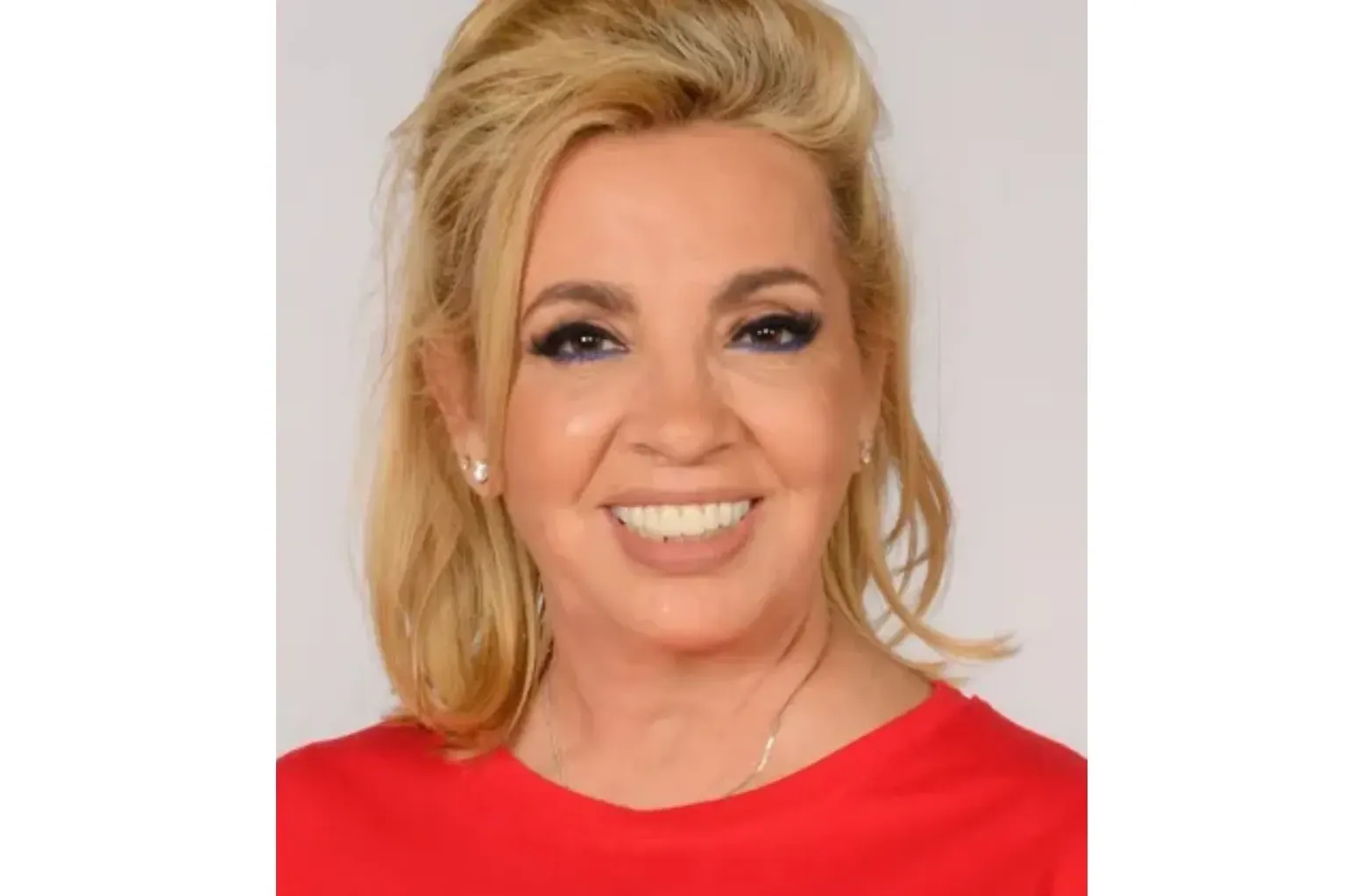
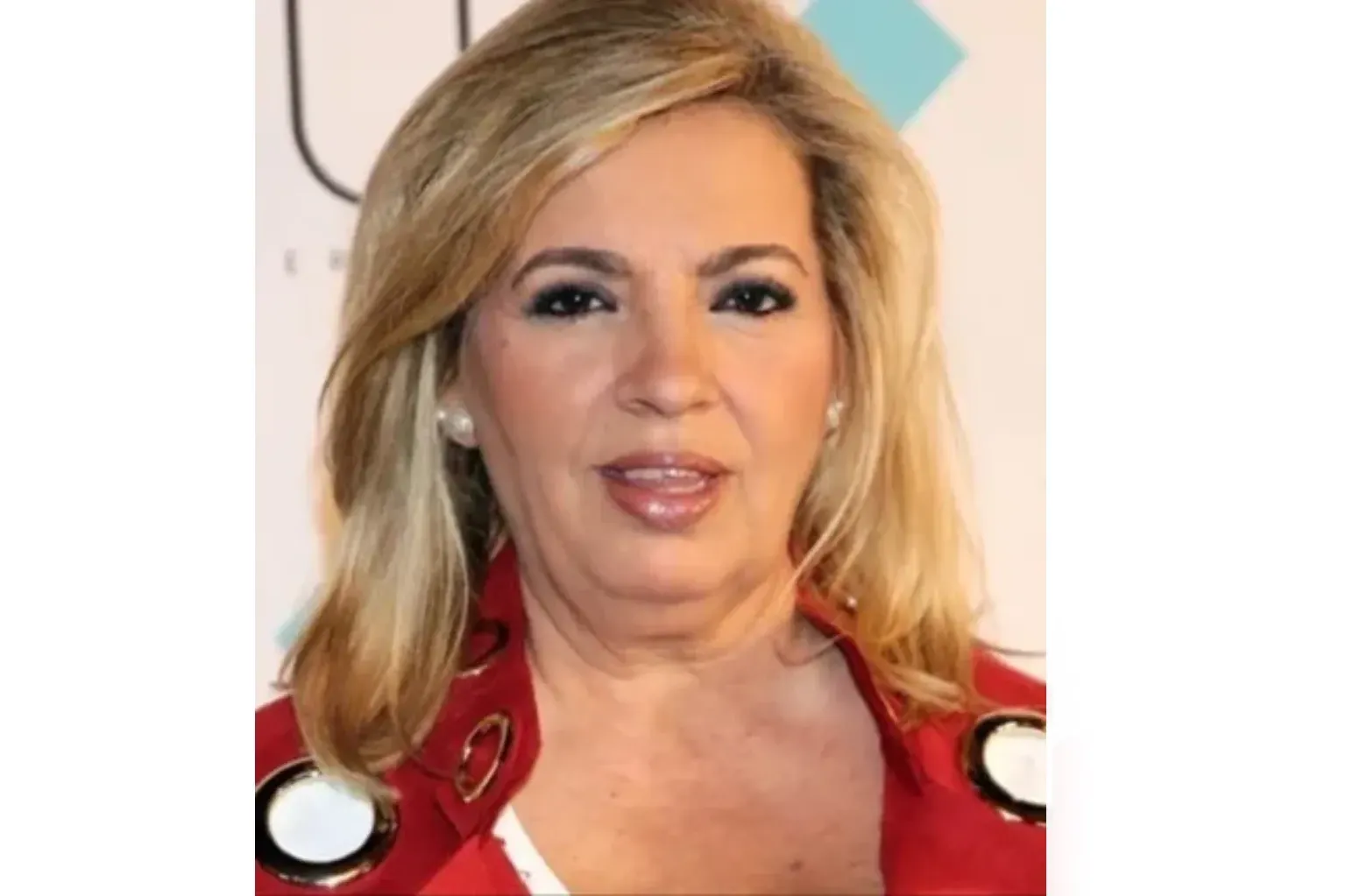
Patients who have trusted Instituto de Benito look like this:

Carmen Borrego

@carmenborrego

What does a facelift at IdB involve?

A facelift is a surgical procedure in which strategic incisions are made around the ear and in the scalp to access the deep structures of the face. Instead of simply stretching the skin, the surgeon repositions and tightens the underlying muscles and tissues, removes excess fat and trims the surplus skin before closing with fine sutures. The goal is to restore a firmer, more youthful contour to the cheeks, jawline and neck, achieving a result that looks natural and not "operated on".

01

Personalized medical assessment

Valoración personalizada

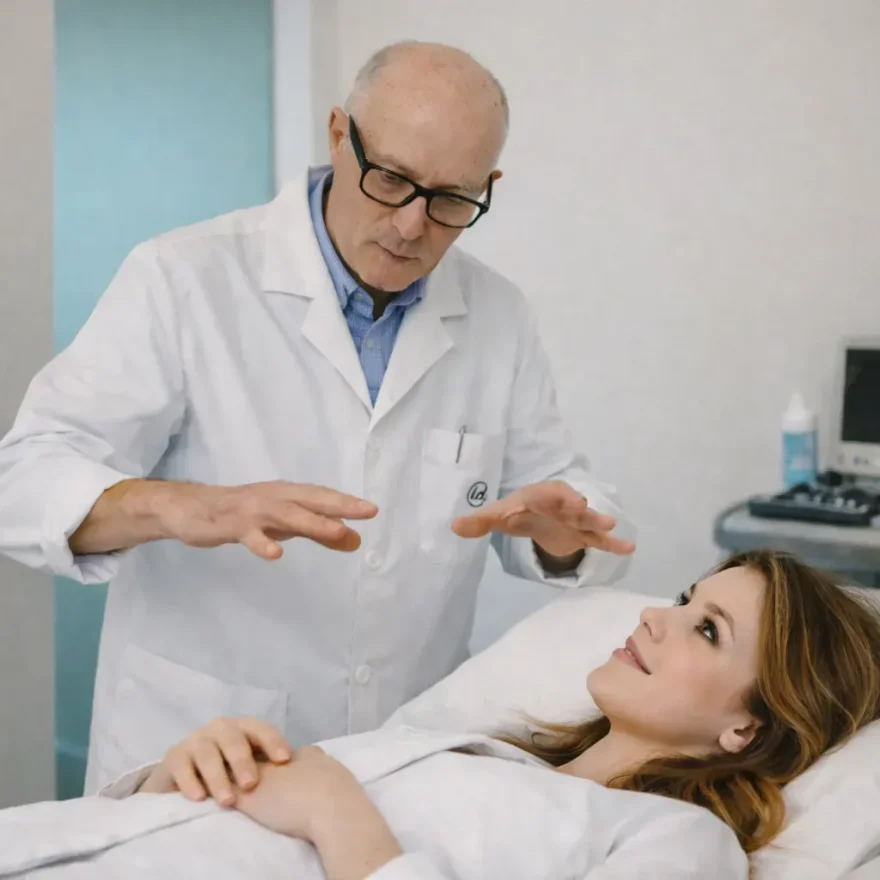
Before a facelift, the consultation takes place with the surgeon who will perform the procedure. In this visit, the degree of sagging, the quality of the skin and the facial structure are analyzed in order to define the most suitable treatment and a natural result. To book the appointment, a prior payment of €80 is required. If you cannot travel, the first visit can also be done by video call with the surgeon who would operate on you: it costs €50, which is deducted if you decide to have surgery.

02

Ultrasound analysis

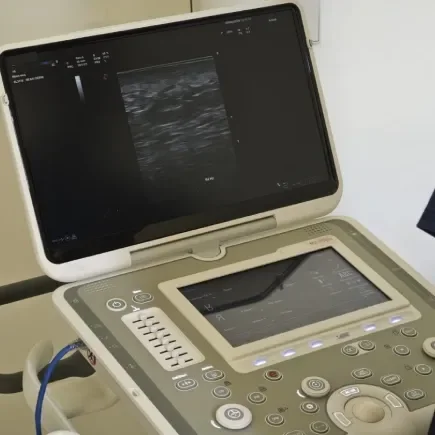
Ecografía con NESAI®

A complementary ultrasound analysis is carried out with NESAI®, which adds an extra layer of safety and precision to the planning of the procedure. Available for €90 (optional).

03

Preparing for the surgery

Preparación de la intervención

Before surgery, the procedure is planned on a personalized basis, your medical history is reviewed and you are given all the medical instructions needed to ensure the operation takes place under the best possible conditions.

04

The surgery

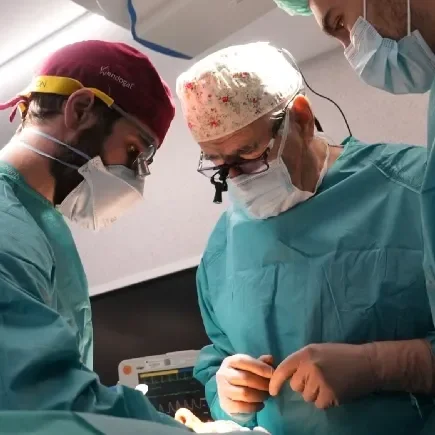
El Dr. Javier de Benito operando

Facelift surgery is performed in a safe, controlled surgical environment by the Institute's facial surgery team, with the aim of achieving a natural, harmonious result.

05

Comfortable recovery

Protocolo Synapta® en cirugía facial

Discomfort is usually moderate and is controlled with medication. In Barcelona we also apply the Synapta® protocol to ease the pulling sensation of the first few days, and the Net Lift technique helps reduce bruising. Social life resumes between 10 and 15 days.

06

Start seeing yourself the way you want to feel

verte como quieres sentirte

After surgery, a recovery process begins, closely supported by our medical team, with regular check-ups to ensure proper progress and a stable, natural and long-lasting result.

Facelift with Synapta®: a more manageable recovery

Traditionally, a facelift has been associated with a recovery involving swelling, a feeling of tightness and some discomfort in the face. At Instituto de Benito we have evolved this experience with Synapta®, an approach developed by specialists to support the body during recovery.

How is recovery after a facelift improved?

Unlike approaches focused solely on medication, Synapta® works on the body's response after the procedure. Using specific techniques applied at key points, the aim is to make the post-op process more manageable and gradual, especially in an area as visible as the face.

  • Relief of tension in the treated area: The facial muscles are worked on to reduce the feeling of tightness, helping you adapt more comfortably after surgery.
  • Improved tissue condition: Oxygenation and drainage are encouraged, helping to reduce swelling and optimize the natural recovery process.
  • Gradual, functional recovery: The goal is to support you so that you return to your routine gradually, respecting the body's own timing and improving how you feel overall during the process.
Every facelift is unique, as it depends on the condition of the skin, the facial structure and the patient's goals. A personalized consultation is essential. Protocols of this kind are part of an approach that seeks not only to rejuvenate the face, but also to offer a more comfortable recovery tailored to each person.

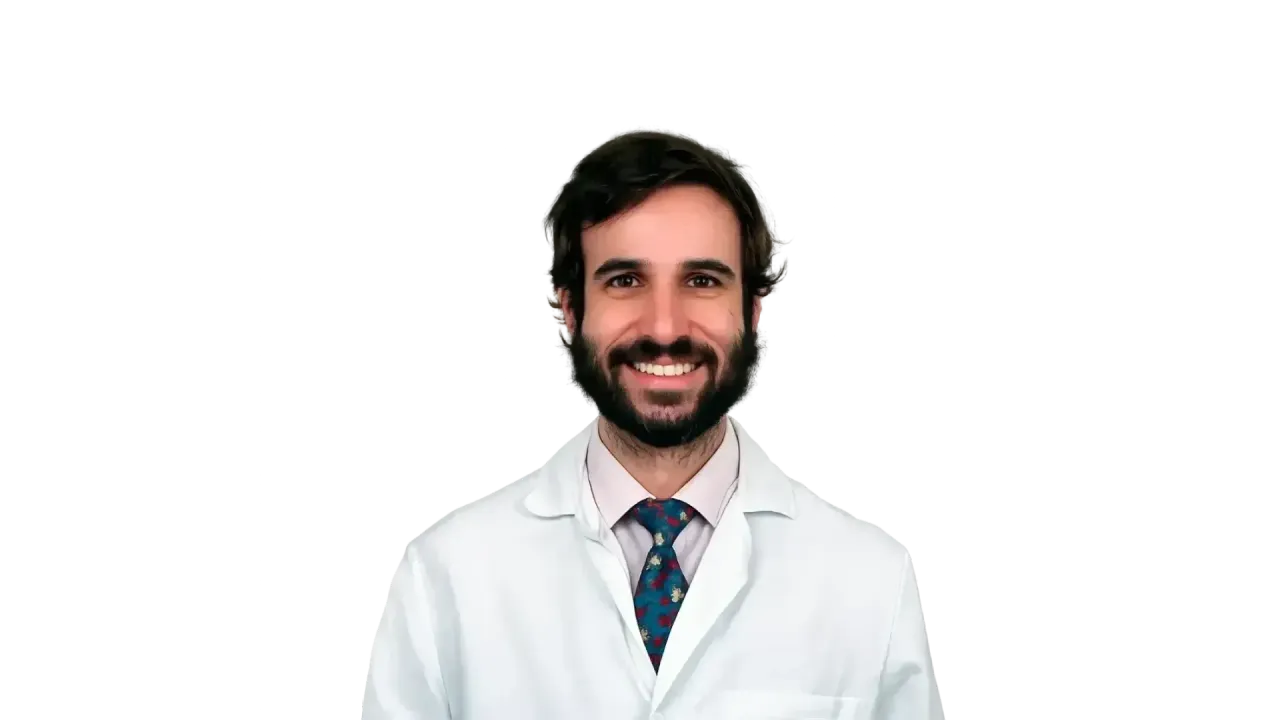
Carlos Alsina

*Synapta® is included in surgeries performed in Barcelona.

Preparation and recovery: the IdB protocol

Before surgery

Stop smoking at least a month before and do not smoke while you are healing. For the two weeks before surgery, do not take aspirin, turmeric, ginger or omega-3 and omega-6, including in spices or supplements, because they increase the risk of bleeding. If you take aspirin on prescription, discuss it with the medical team first. We carry out blood tests, an electrocardiogram and a chest X-ray, and we ask you to avoid peels or laser for a few days beforehand.

Before surgery

After surgery

It is normal to feel pulling and moderate discomfort in the first few days, which is controlled with medication. You spend the first 24 hours at the clinic, where cold is applied, and then continue applying cold at home.

After 24-72 hours you come back to have the Net Lift stitches removed. Avoid sudden movements and pulling on the neck, and eat normally but without opening your mouth wide. Around the sixth or seventh day, the stitches around the ear are removed.

If any bruising remains, you can cover it with concealer and makeup. Avoid the sauna and exercises that strain the neck until your surgeon tells you otherwise. Social life resumes between 10 and 15 days.

Después de la cirugía

How long does a facelift last?

As a guide, the result of a facelift lasts between 5 and 8 years. It is an average: in each patient it may be more or less.

How long it lasts does not depend on the technique. Deep plane, high SMAS, plication and MACS lift work on the deep tissues in different ways, but none of them lasts longer than another in itself. What makes the difference is the quality of the skin and tissues, genetics and how each person heals.

There is a published study, with 10 years of follow-up, that compares several facelift techniques. Its conclusion: from 5 years on, a little maintenance is advisable, whichever technique is used.

That is why the technique is chosen according to what each face needs, not according to how long it lasts.

“One key does not open every lock. Some cases call for one technique and some call for another.”

Dr. Javier de Benito

How much does a facelift cost and what does it include?

A facelift at Instituto de Benito starts from €12,000. The final cost depends above all on the surgical technique and the extent of the area treated.

What the treatment plan includes:

  • Specialist surgeon's fees
  • Fees for the rest of the medical team and the anesthesiologist
  • Materials specified in the quote
  • Operating room and hospital stay according to the technique indicated
  • Anesthesia
  • Private room stay if required
  • Medication during the hospital stay
  • Wound care with nursing staff and removal of stitches
  • Post-operative visits with the specialist
  • Preoperative tests (blood work, ECG, X-ray, etc.)

What is not included:

  • Assessments or clearances from other specialists, if needed
  • Medication after hospital discharge
  • Replacement post-surgical garments or bandages, unless specified
  • Complementary recovery treatments (hilotherapy, facial lymphatic drainage, laser, radiofrequency, etc.)
  • Facial aesthetic medicine treatments that complement the surgical result
  • Costs arising from medical complications not attributable to the surgical procedure
  • Reoperations or touch-up surgeries not initially planned
  • Additional unplanned hospital stays
  • Travel, accommodation or meals for the patient and companions
  • Sick leave, certificates or additional administrative paperwork
  • Any material or procedure not expressly specified in the quote

You can finance this procedure at 0% interest for up to 12 months, with options that can be extended up to 48 months. See the terms on our financing page.

*Prices valid in 2026. The exact price is given after the visit, once the surgeon has assessed your case.

Cargando formulario...

Are you a candidate for a facelift at IdB?

Surgery is recommended in the following cases:

  • 01

    People with facial sagging and drooping tissues

    A facelift firms the face and neck, repositioning the tissues and restoring a more defined, younger-looking facial contour.

  • 02

    People who have noticed progressive aging of the face

    Surgery helps correct the visible signs of aging, such as drooping cheeks, loss of the facial contour and sagging of the neck.

  • 03

    Patients with loss of jawline definition

    It redefines the jawline and the neck, restoring structure and harmony to the face.

  • 04

    People looking for natural rejuvenation

    Ideal for those who want an elegant, discreet result without changing their features, always respecting facial expression and identity.

  • 05

    Patients who want to improve their self-esteem and their image

    Beyond the aesthetic change, many patients want to look better and younger, and to feel more confident and comfortable with their appearance.

  • 06

    People looking for deep, long-lasting rejuvenation

    A facelift gives a result that is stable over time because it acts on the deep structures of the face, not just on the skin.

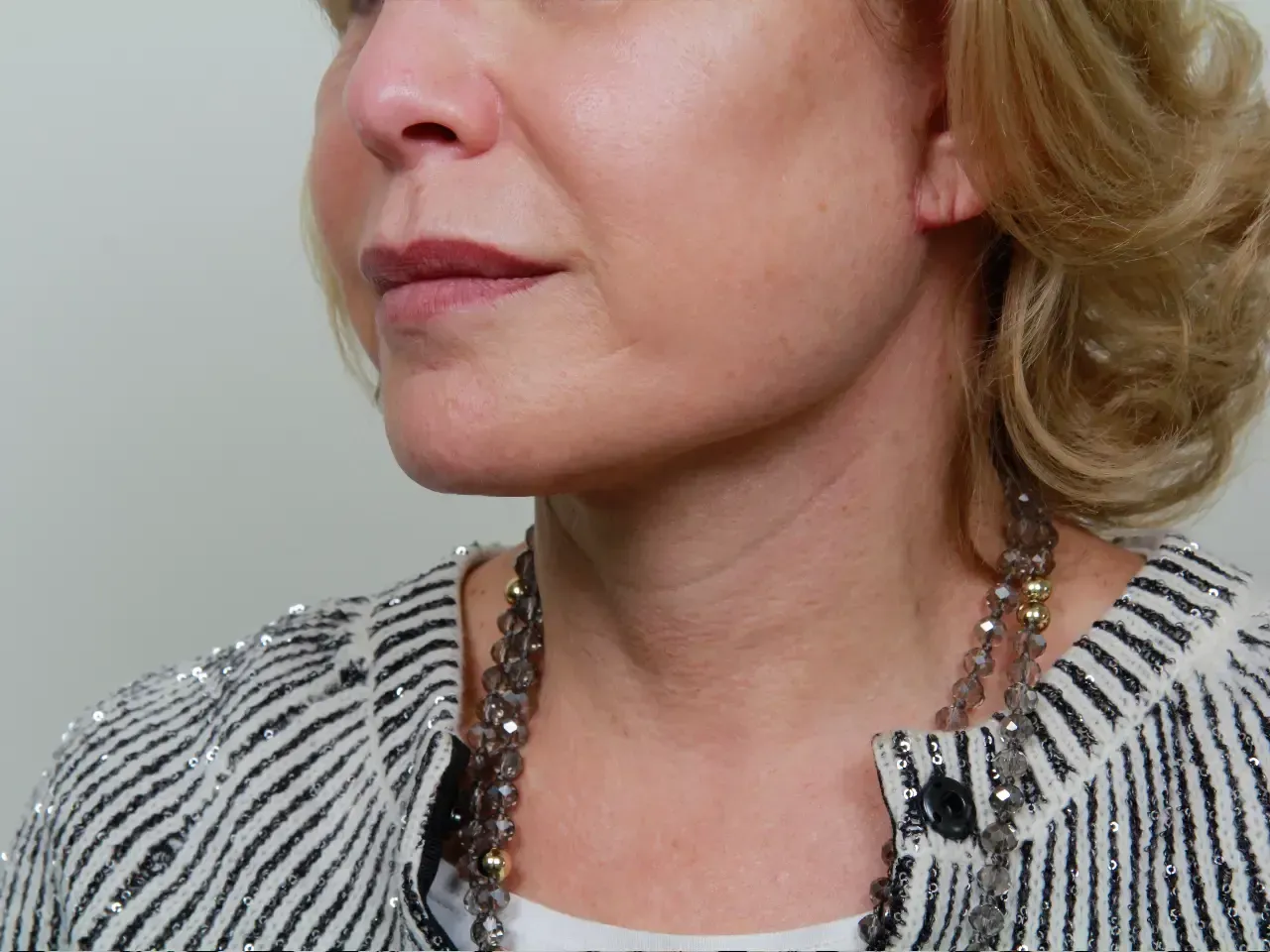
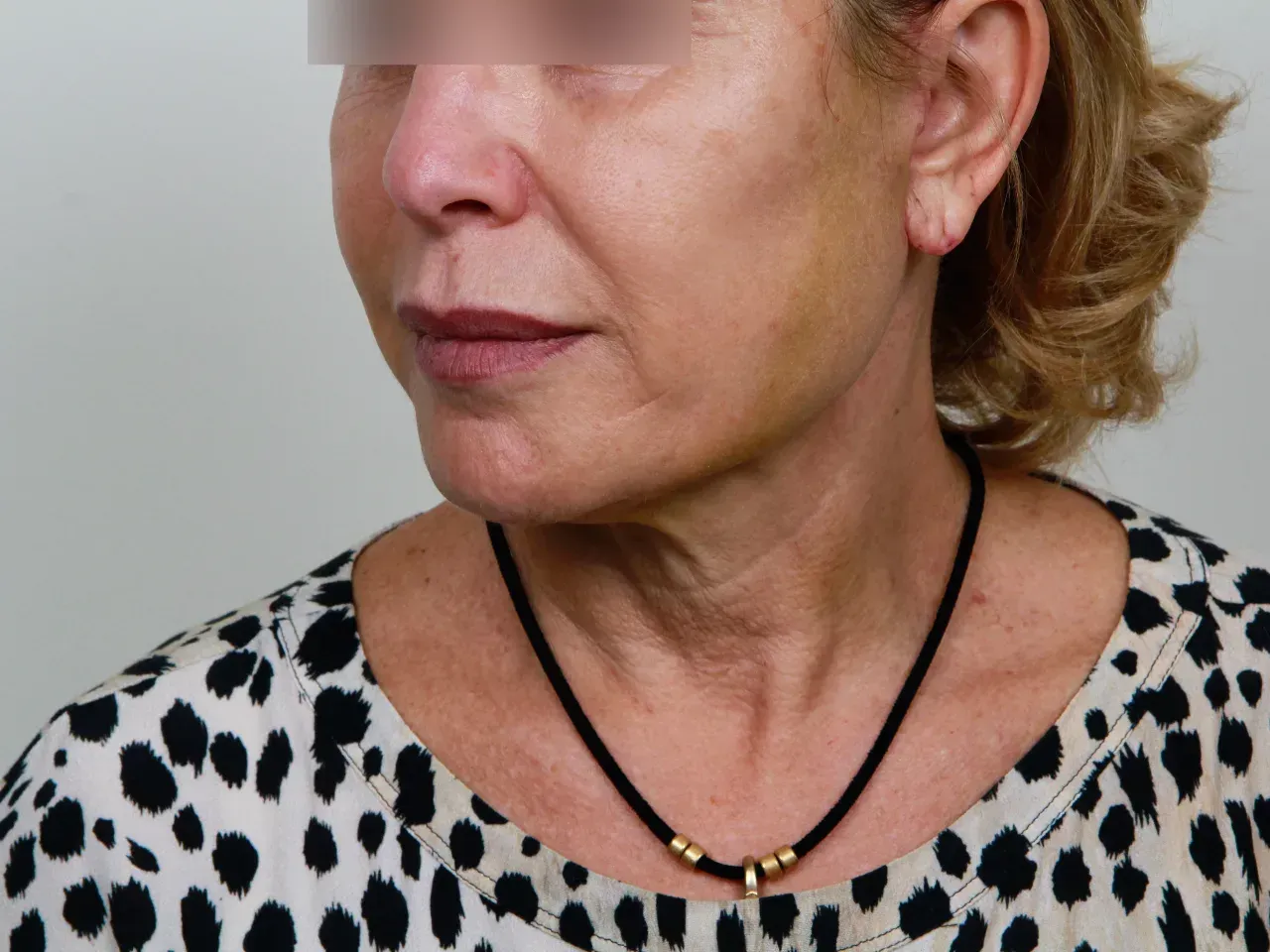
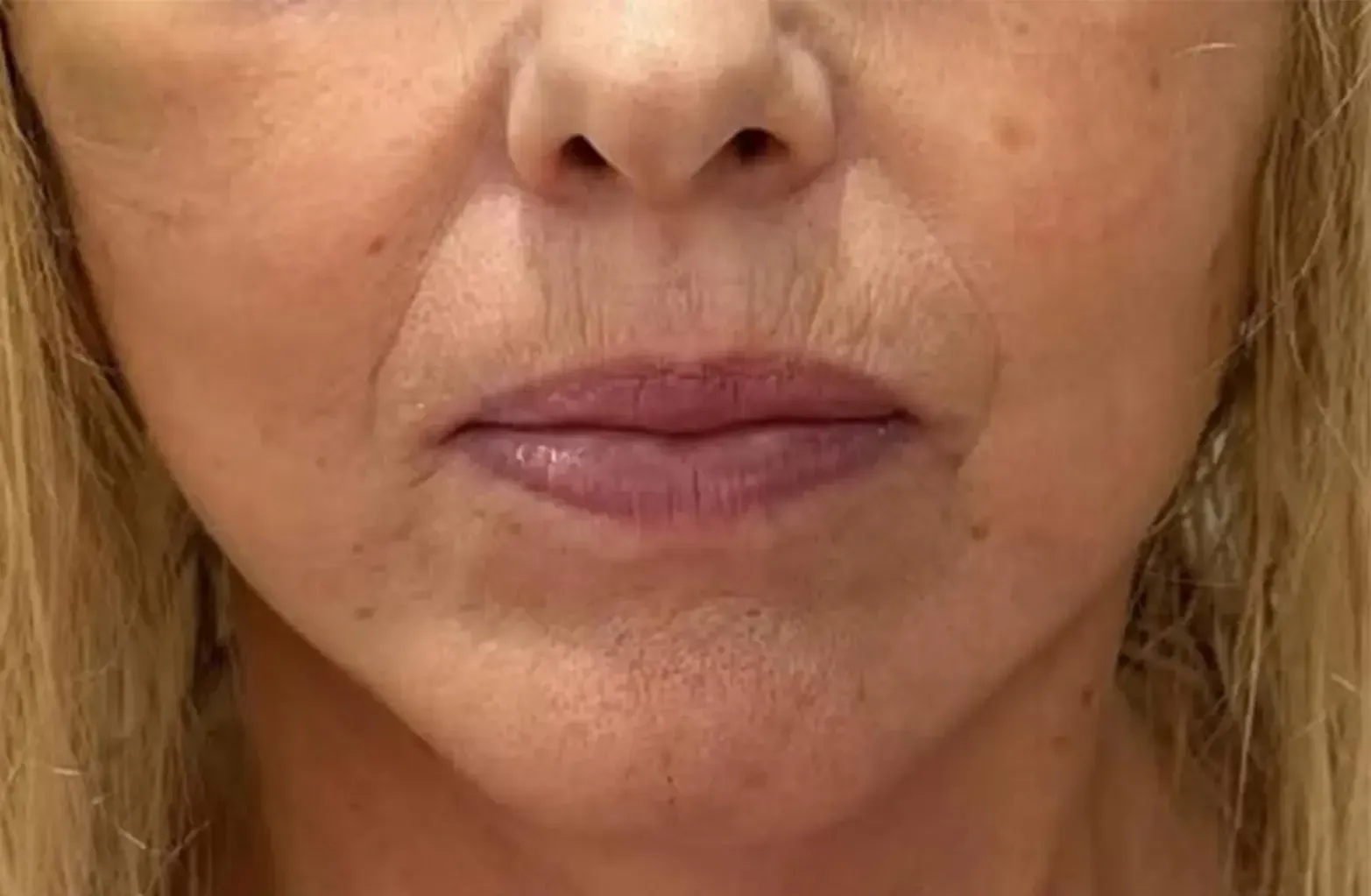
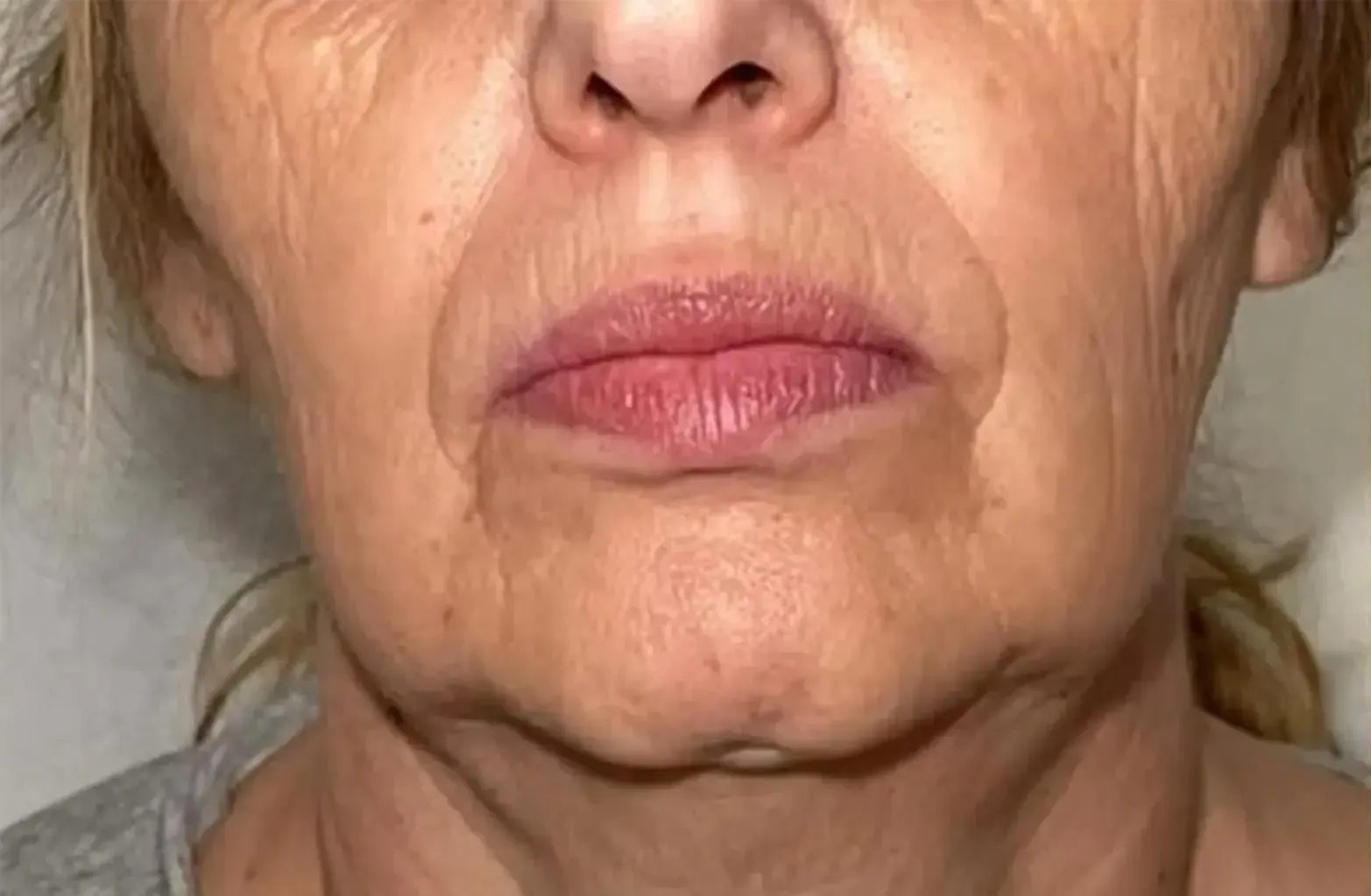
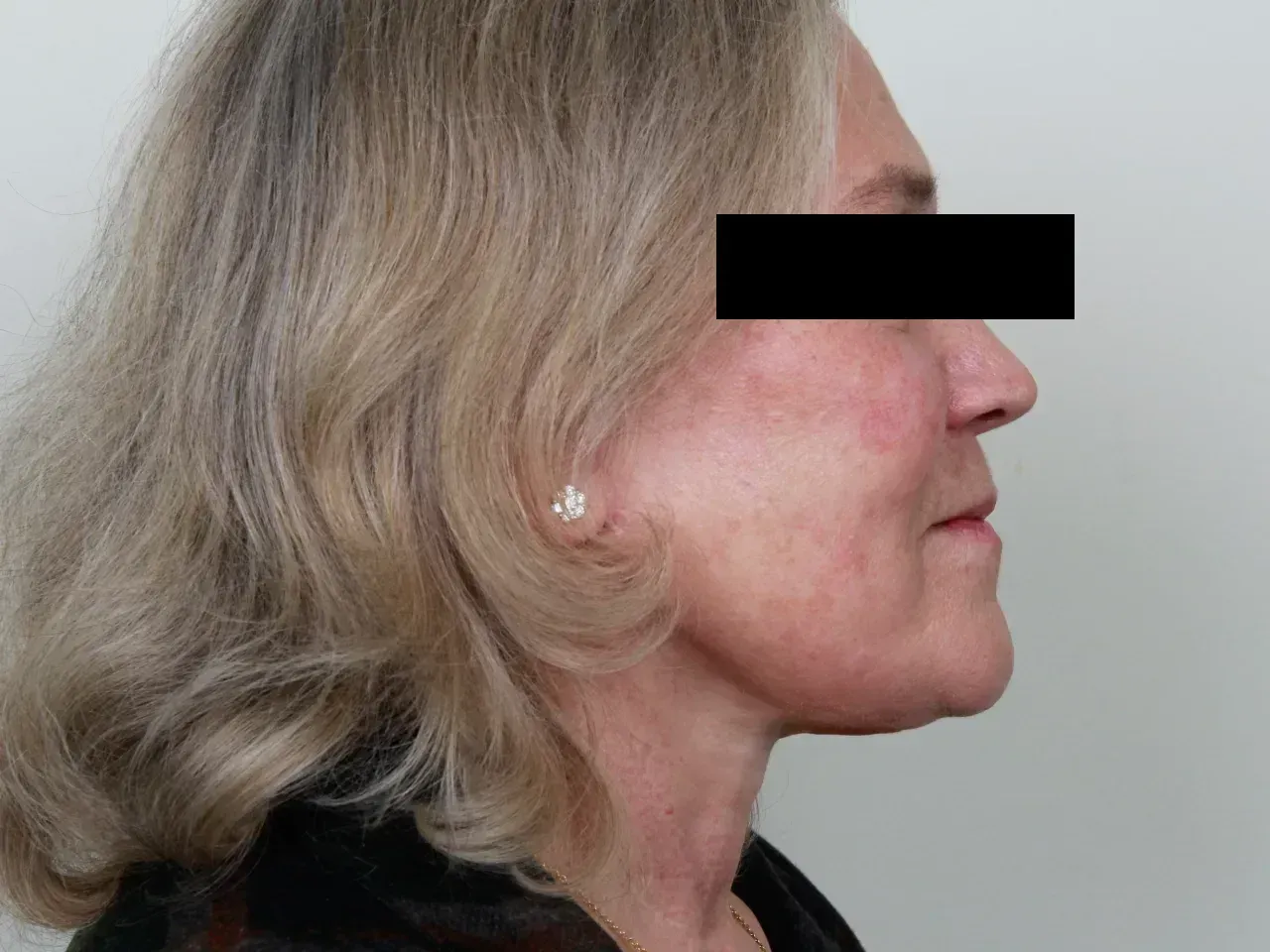
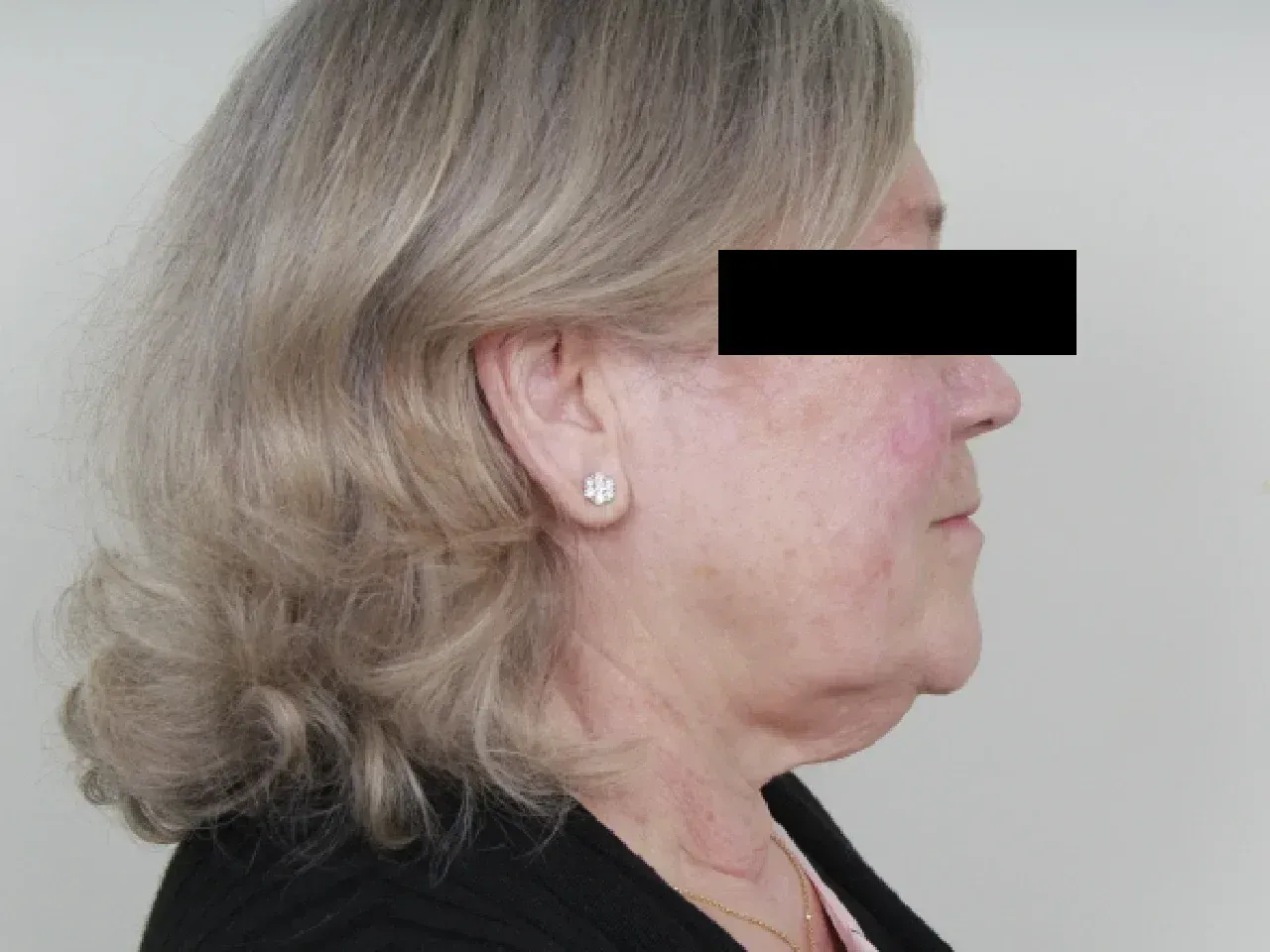
Facelift before and after photos

Antes: Facelift ✨
Después: Facelift ✨

María, 59, Barcelona

Facelift ✨

Lifting de cuello después de Carmen
Lifting de cuello antes de Carmen

Carmen, 62, Madrid

Face and neck lift ✨

Lifting facial después
Lifting facial antes

Emma, 58, patient from Barcelona

Facelift ✨

Carmen borrego después
Carmen borrego antes

Carmen Borrego, 59, Madrid

Facelift ✨

Cirugia Lifting de Cuello antes de la operación

Begoña, patient from Barcelona

Deep plane facelift ✨

Antes: Deep plane facelift ✨
Después: Deep plane facelift ✨

Patricia, 56, Barcelona

Deep plane facelift ✨

Live outside Barcelona or Madrid?

You can also have your facelift with us

Start with a video consultation with our surgeons. The surgeon who will operate on you assesses your case, answers your questions and gives you an exact, personalised quote. No travel needed for the first visit.

50 €

video consultation with your surgeon

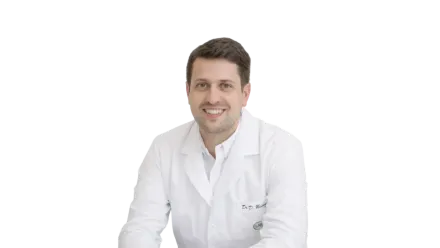
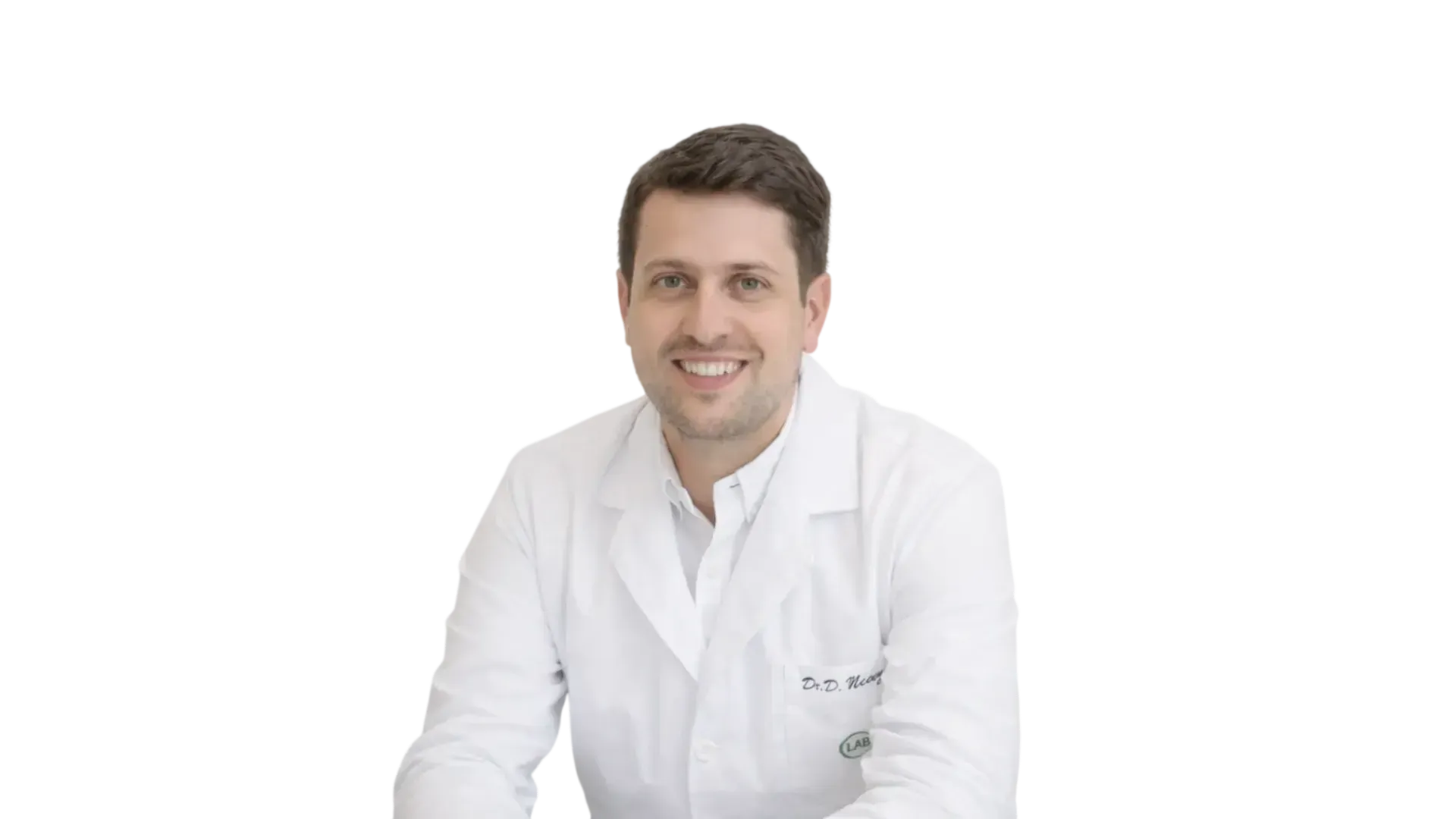
Dr. David Neagu

Dr. David Neagu

Facial and maxillofacial surgery

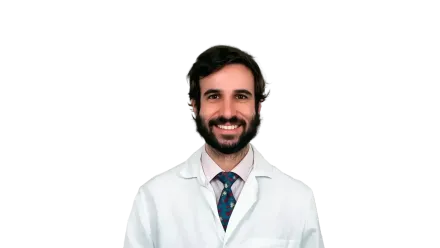
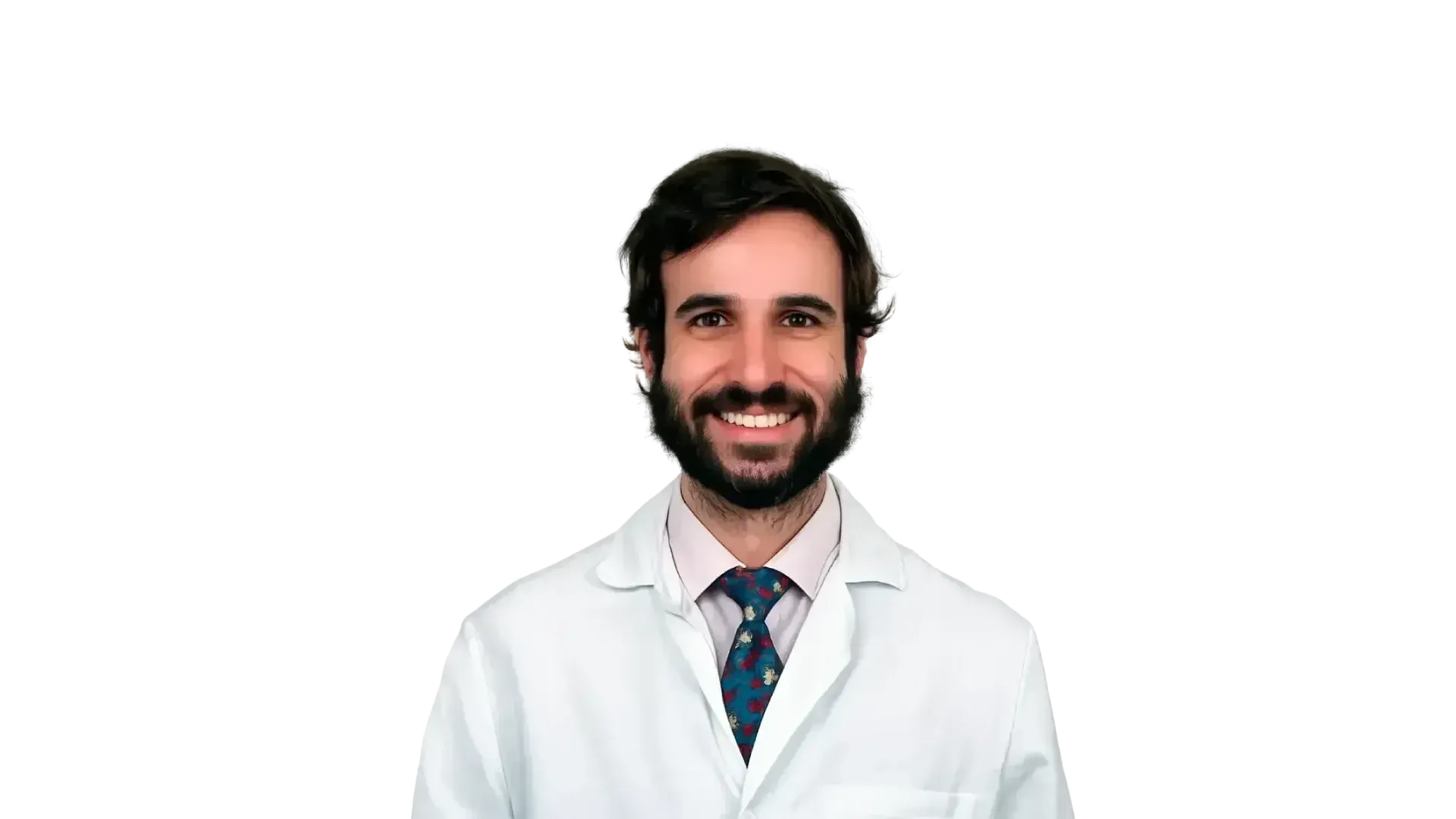
Dr. Álvaro Sada

Dr. Álvaro Sada

Facial and maxillofacial surgery

Risks and possible side effects of a facelift

A facelift is one of the most effective procedures for rejuvenating the face and neck in a lasting way. When performed by specialized surgeons, in an accredited surgical setting and after proper patient selection, it has a high safety profile and a high satisfaction rate.

At Instituto de Benito, the procedure is performed in an approved operating room, with anesthesia administered and supervised by a qualified anesthesiologist, following strict safety protocols. Post-op follow-up makes it possible to detect and treat any issue early to support an optimal recovery.

If after surgery you experience severe pain that does not improve with the prescribed medication, persistent bleeding, sudden swelling of an area of the face or neck, a fever above 38 °C, progressive redness of the wounds, discharge, difficulty breathing or any symptom that causes concern, contact the clinic immediately or go to the nearest emergency department. Early detection allows most complications to be resolved effectively.

Common risks

These are expected effects during the first days or weeks of recovery:

  • Swelling of the face and neck.
  • Hematomas (bruising).
  • A feeling of tightness in the skin.
  • Mild to moderate pain or discomfort.
  • Numbness or temporary changes in sensation.
  • Itching or a feeling of tension during healing.
  • Mild, temporary asymmetries related to swelling.

Very rare risks

Exceptional complications, but ones that are known in the medical literature:

  • Temporary or permanent injury to branches of the facial nerve.
  • Skin necrosis (more common in smokers).
  • Significant bleeding.
  • Deep vein thrombosis or pulmonary embolism.
  • Serious adverse reactions to anesthesia.
  • Severe abnormal scarring (keloids or extensive hypertrophic scars).
  • Need for corrective or revision surgery.

Rejuvenate your face

Pedir cita
Rejuvenecimiento facial

Facelift: who is not a candidate? Contraindications

A facelift (rhytidectomy) is a surgical procedure intended to correct the sagging of the skin and facial tissues associated with aging. Although it can provide long-lasting, natural results, not everyone is a suitable candidate for this procedure. A thorough medical evaluation is essential to identify factors that may increase the risk of complications or compromise the expected results.

ContraindicaciónMotivo
Uncontrolled cardiovascular diseaseThey increase the risk of complications during and after surgery.
Uncontrolled high blood pressureIncreases the risk of bleeding and hematoma formation.
Clotting disorders or use of anticoagulants that have not been adjustedThey raise the risk of bleeding and post-operative complications.
Poorly controlled diabetesMay delay healing and increase the risk of infection.
Heavy active smokingReduces blood circulation in the skin and promotes skin necrosis and poor healing.
Active infections in the face or elsewhere in the bodyThey must be resolved before surgery is performed.
Uncontrolled autoimmune diseases or immunosuppressionThey may affect recovery and healing.
Unrealistic expectations about the resultsThey may lead to dissatisfaction despite a technically successful surgery.
Uncontrolled psychological disorders (e.g., body dysmorphic disorder)Surgery may not resolve the underlying problem of body perception.
Poor general state of healthMay significantly increase anesthetic and surgical risks.
Tendency to hypertrophic scars or keloidsMay affect the aesthetic result of the incisions.
Severe obesity or significant weight fluctuationsThey may compromise the stability and duration of the results.

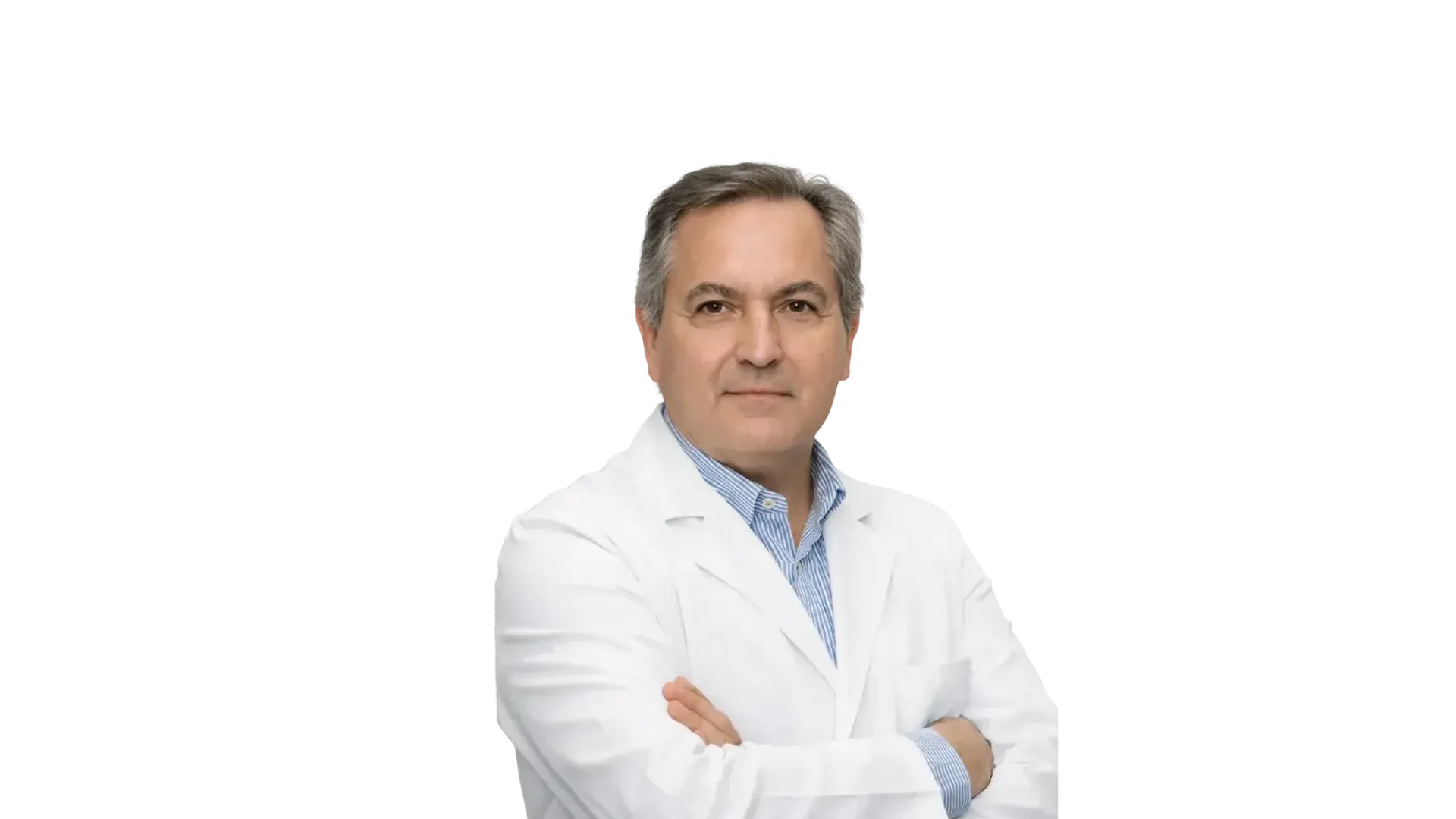
Our medical team for facelifts

Instituto de Benito has been specializing in facial surgery for more than 40 years, with more than 7,000 facial surgeries and an active presence in ISAPS and SECPRE.

Our team combines surgical rigor, technical precision and close support, focused on natural results in keeping with each patient's facial identity.

Our commitment to the facelift

At Instituto de Benito we have more than 40 years of experience in facial plastic and cosmetic surgery, with a strong specialization in facial surgery. Over the course of our career we have performed more than 7,000 facial surgeries, building a high level of precision, safety and natural results. In facelifts alone we have performed more than 4,000 procedures, of which more than 2,100 are endoscopic facelifts.

Our practice is backed by membership of recognized international scientific societies such as SECPRE (Spanish Society of Plastic, Reconstructive and Aesthetic Surgery), ISAPS (International Society of Aesthetic Plastic Surgery) and SCCPRE (Catalan Society of Plastic, Reconstructive and Aesthetic Surgery), which ensures ongoing training and the application of the most advanced techniques.

We place special emphasis on facial harmony and on personalizing each treatment, supporting the patient throughout the whole process with complete post-op follow-up to ensure an optimal recovery and satisfactory results.

Travelling from abroad?

The first consultation can be held by video call before you travel. It costs €50, deducted if you decide to have surgery, and it is with the surgeon who would operate on you. All our advisors and surgeons speak English.

Where to have facelift surgery?

Book your facelift consultation

The first step is not surgery: it is a consultation with the surgeon who would perform your procedure. They will assess your case, answer your questions and, after the visit, give you the exact price.

The first consultation costs €80, which is deducted from the cost of surgery if you decide to have your procedure with us. You can also call us.

Related treatments

Frequently asked questions about the facelift

What results can I expect?

A firmer, rejuvenated and more harmonious face, with a more defined facial contour and a younger, natural appearance. The change becomes visible gradually. As a guide, the result is already visible to others at around a month to a month and a half, and full recovery comes between 4 and 6 months, as firmness, irregularities and changes in sensation fade.

Is a facelift painful?

It does not usually hurt much. Discomfort is moderate and is controlled with medication. Most people return to their social life between 10 and 15 days.

Will my expression change?

No. Current techniques are designed to rejuvenate without altering your expression or features, avoiding an artificial or "stretched" look.

What are the risks of a facelift?

A facelift is a safe procedure when performed in specialized centers and by accredited surgeons, but like all surgery, it involves potential risks that should be clearly understood.

At Instituto de Benito, safety is the priority and all procedures are performed under strict medical and control protocols, keeping complications to a minimum.

Most common risks (and generally mild)

  • Hematoma or bleeding: a buildup of blood under the skin; it may require drainage.
  • Swelling and facial tightness: normal during the first few days; they gradually subside.
  • Temporary changes in sensation: numbness or increased sensitivity in some areas.
  • Mild temporary asymmetries: these may appear while the tissues are adapting.
  • Seroma: a buildup of fluid that usually resolves on its own or with drainage.

Uncommon risks

  • Post-operative infection: very uncommon thanks to aseptic measures and preventive antibiotics.
  • Delayed healing or opening of the stitches.
  • Adverse reaction to anesthesia or to surgical materials.
  • Visible or thickened scars (uncommon and treatable).
  • Temporary injury to a branch of the facial nerve (very rare and generally reversible).

How long do the results last?

As a guide, between 5 and 8 years. How long it lasts does not depend on the technique used, but on the quality of the tissues, genetics and how each patient heals. From around 5 years on, a little maintenance is usually advisable.

When can I exercise or go in the sun?

Gentle activity: from 10–15 days. Intense exercise: after 4–6 weeks. Sun: it should be avoided on the scar for several months, or high sun protection should be used.

What is the difference between a cervicofacial lift, Deep Plane and Mid-Face lift?

  • The Mid-Face lift mainly rejuvenates the middle third of the face.
  • The cervicofacial lift treats the face and neck as a whole.
  • The Deep Plane works on deeper planes. No technique is best for everyone: the surgeon chooses the one that suits each patient.

Can I combine this surgery with other treatments?

Yes, it can be combined with procedures such as blepharoplasty (eyelid surgery), mentoplasty, lipofilling or facial rejuvenation treatments, always subject to a personalized medical assessment.

What happens if I lose or gain weight afterward?

Moderate weight changes do not usually alter the result significantly, although keeping a stable weight helps maintain it better over time.

How long does full recovery take?

These are guide times, because each patient heals at their own pace. Social life resumes between 10 and 15 days, the result is already visible to others at around a month to a month and a half, and full recovery comes between 4 and 6 months. It is the moment Dr. Javier de Benito sums up with a phrase his patients use: “Doctor, my face feels like mine again.”
Can you finance a facelift at IdB?

Yes, we offer different financing options to make access to a facelift more convenient and tailored to each patient. We can split the payment over up to 12 months interest-free, and also offer longer financing options of up to 48 months, depending on the needs of each case.

What is the best age for a facelift?

There is no universal age: the indication depends on the degree of facial aging, the quality of the skin and the patient's goals. In general, a facelift is performed from the age of 40-45, when the structural changes in the face (sagging of the facial contour, neck laxity, loss of jawline definition) are marked enough to justify surgery. In people with premature aging or massive weight loss, it may be indicated earlier. The assessment with the surgeon is the only definitive criterion.

Medical review

doctor de benito

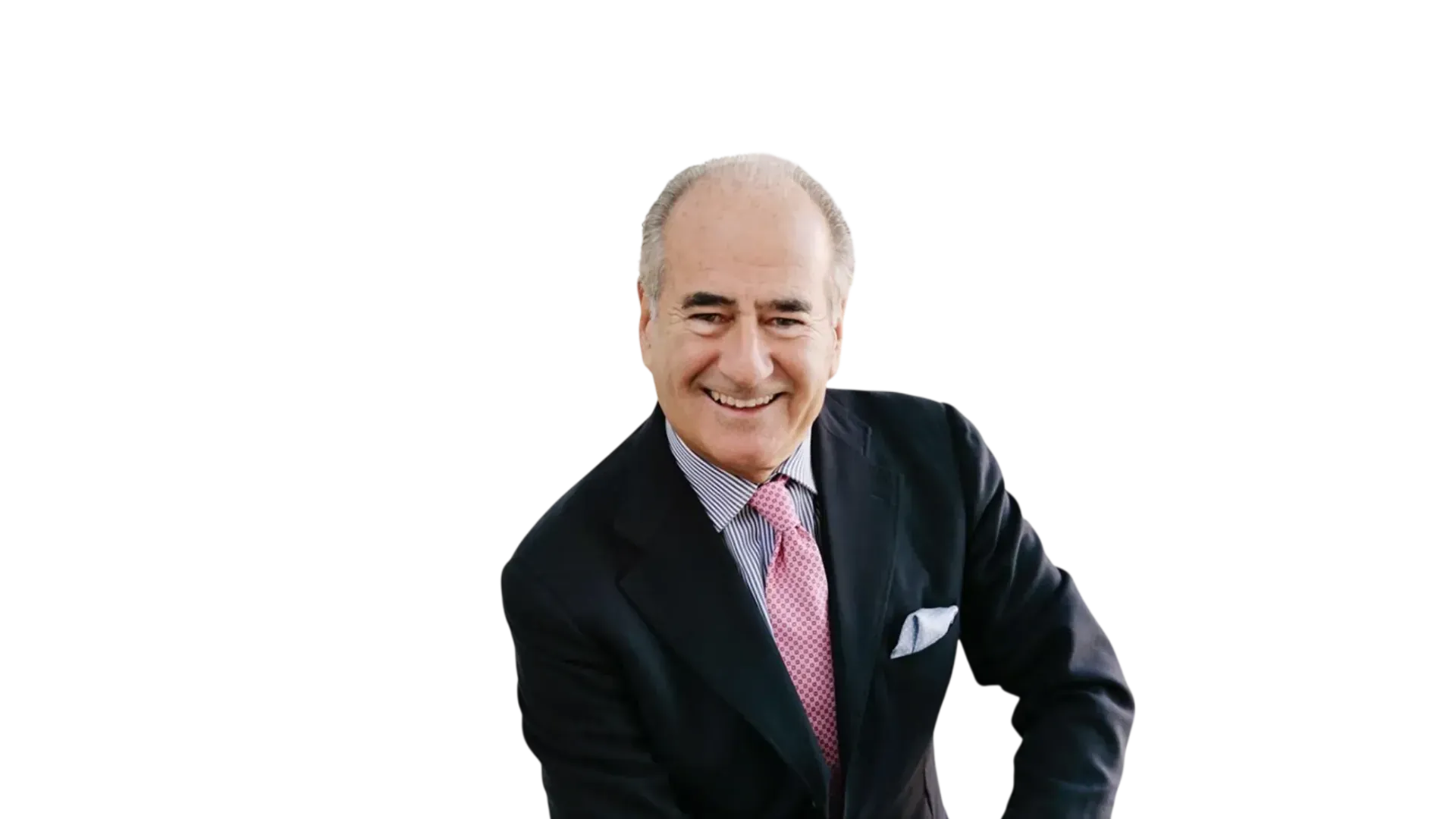
Dr. Javier de Benito
N.º de colegiación 8038

Plastic surgeon and medical director. International reference in facial surgery.

Excellent

Average rating: 4.8 / 5

Based on 651 reviews
GoogleFeed