Dr. Lucrecia Villanueva body and breast surgeon
Specialist surgeon in body and breast
Medical license no. 282871279
A leading doctor in mastopexy.
The doctor sees patients in MadridView medical profile
Mastopexy lifts and repositions sagging breasts, and during your consultation we decide whether you need a lift alone or an implant as well to restore volume.
From: 7.000 €

Surgery duration:
90-150 minutes
Recovery time:
10 days
Synapta® protocol:
Included in Barcelona
Anesthesia:
General
Hospital stay:
Same-day discharge
Social life:
In approx. 1–2 weeks
Mastopexy is a cosmetic surgery procedure designed to lift and reshape the breasts when they have lost firmness or dropped over time. Its focus is less on increasing volume than on repositioning the breast to restore a higher position, a more harmonious shape and a more rejuvenated appearance.
What breast lift techniques are available
A surgical breast lift technique indicated for mild to moderate ptosis. The approach is limited to a circular incision around the areola, which allows the nipple to be repositioned and the areola reduced by excising the excess skin.
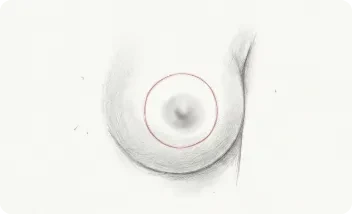
Vertical mastopexy, also called the “lollipop lift” or lollipop technique, is a cosmetic surgery procedure intended to correct moderate breast ptosis. It involves lifting and reshaping the breast by repositioning the nipple-areola complex and removing excess skin. The technique uses two main incisions: a circular one around the areola and a vertical one from the areola to the inframammary fold, creating an “I”-shaped or “lollipop” scar.
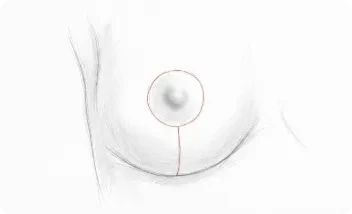
The inverted-T breast lift, also known as the "anchor" technique, is a surgical procedure designed to treat advanced breast sagging and significant excess skin. This technique makes it possible to reposition the nipple, redefine the breast contour and improve projection through a surgical approach that combines one incision around the areola, a vertical one down to the base of the breast and a third, horizontal one placed in the inframammary fold.
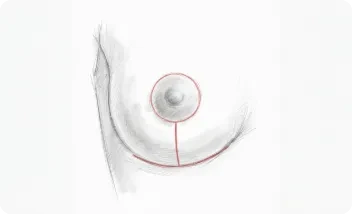
In mild to moderate ptosis with preserved volume, mastopexy repositions your own tissue, lifts the areola and redefines the shape without adding an implant. The result is natural and long-lasting if the skin is still of good quality. If there is a lack of volume in the upper pole, we consider combining the lift with an implant in the same procedure. The decision is clinical, not commercial, and is made during your personalized consultation.
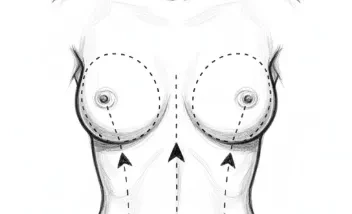

Mastopexy at IdB is not just a matter of trimming skin; it is an internal restructuring of the breast's support. Our surgeons work on the gland to restore its original firmness, raising the nipple-areola complex to its anatomically ideal position. The goal is to recover lost projection by removing the excess skin that has stretched over time and reshaping a firm, balanced silhouette that holds itself up, with or without the help of implants.

The consultation takes place with the surgeon who will perform your procedure. During this visit, the degree of breast sagging is assessed and the best surgical strategy is defined. An €80 fee must be paid in advance to book the appointment. If you cannot travel, the first visit can also be done by video call with the surgeon who would operate on you: it costs €50, which is deducted if you decide to have surgery.

The lift technique is chosen according to the degree of ptosis, the incision pattern is planned and we assess whether combining it with an implant is appropriate. Preoperative tests are carried out and pre-surgery instructions are given.
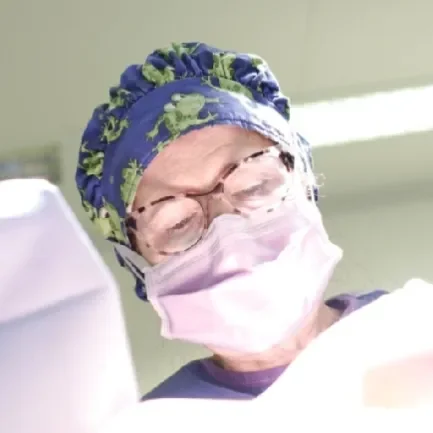
The procedure is performed in an operating room, with safety checks and continuous monitoring of the patient.

Fine sutures are placed and a compression dressing is applied.
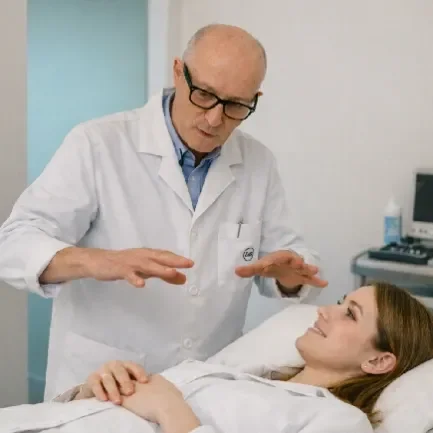
At IdB we apply advanced protocols to make recovery after a breast lift as comfortable as possible.
Every mastopexy leaves a scar: it is the price of repositioning the breast. What changes is its shape and length depending on the technique, and how we care for it so that it becomes discreet.
At Instituto de Benito we always plan the shortest incision your degree of ptosis allows, and we support you with a scar care protocol from the day you are discharged.
For years, mastopexy has been associated with a recovery marked by tightness, swelling and a certain amount of discomfort in the breast area. However, advances in medical protocols now make it possible to approach recovery from a more advanced perspective.
At Instituto de Benito we apply Synapta®, a protocol designed to support the body through its recovery after breast lift surgery, helping to make the experience more manageable and controlled.
Beyond the conventional use of medication, this approach focuses on the body's neurophysiological response after surgery. Through specific techniques, it aims to modulate inflammation, reduce tissue tension and improve the body's adaptation to the surgical change.
These protocols are part of a process in which post-operative well-being matters as much as the aesthetic design. Each case is assessed individually so that the instructions are tailored to the patient.
*Synapta® is included in surgeries performed in Barcelona.
Carlos Alsina

Mastopexy at Instituto de Benito starts from €7,000, varying according to the degree of sagging, the technique, the use of implants, the complexity and the follow-up included, and is tailored to each patient.
You can finance this procedure at 0% interest. See the options on our financing page.
*Prices valid in 2026. The exact price is given after the visit, once the surgeon has assessed your case.
This type of surgery is indicated for women who have:
Mastopexy repositions the tissue and raises the areola to restore the position and shape that have been lost. If there is also a lack of volume in the upper pole, it can be combined with an implant.
After significant weight loss, the skin loses elasticity and the breast empties and drops. Mastopexy removes the excess skin and repositions the breast; if there is also a lack of volume, it can be combined with an implant.
Aging causes a loss of collagen and elastin, and atrophy of the fat and the gland.
The nipple-areola complex has dropped below the inframammary fold (grade II ptosis or higher).
The breast has lost projection in the upper pole and the shape it used to have. Mastopexy repositions the tissue to restore them.
If there is enough volume and only the position has changed, a simple mastopexy, without implants, is indicated.
Although mastopexy is a procedure with a long-established technique and a high level of safety when performed by expert hands, there are certain medical circumstances in which it may not be indicated or may need to be postponed. At Instituto de Benito, each case is studied individually during the preoperative consultation, always putting the patient's health and safety ahead of any other consideration. Whether a breast lift is indicated depends not only on the wish to improve the shape or position of the breasts, but also on general health, tissue quality, emotional stability and a realistic understanding of the results and the recovery process.
| Contraindicación | Motivo |
|---|---|
| Pregnancy and breastfeeding | It is advisable to postpone mastopexy until this stage is over and the breast changes have stabilized. |
| Active smoking | Increases the risk of poor scarring, skin necrosis and vascular complications. We require patients to stop smoking at least 4 weeks before and 4 weeks after surgery. |
| Uncontrolled cardiovascular or pulmonary disease | These increase the anesthetic and surgical risk. |
| Uncontrolled diabetes | May hinder healing and increase the risk of infection. |
| Significant obesity | Associated with a higher risk of post-operative complications and healing problems. |
| Active infections | Any infection must be treated before surgery. |
| Clotting disorders or use of anticoagulants | These raise the risk of bleeding and hematomas. |
| Uncontrolled autoimmune diseases | These can affect recovery and the inflammatory response. |
| Unrealistic expectations | It is essential to understand the limitations of the technique and the presence of scars. |
| Emotional instability or body dysmorphic disorder | May lead to an inaccurate perception of the surgical result. |
| Significant weight changes expected | Weight changes after surgery can affect the aesthetic result. |
| Plans for pregnancy in the near future | A future pregnancy may change the shape and position of the breasts again. |
| Severely poor skin quality | May limit how long the result lasts and how stable it is. |
| History of poor scarring or keloids | There is a higher risk of pathological or hypertrophic scars. |
See yourself the way you want again with mastopexy
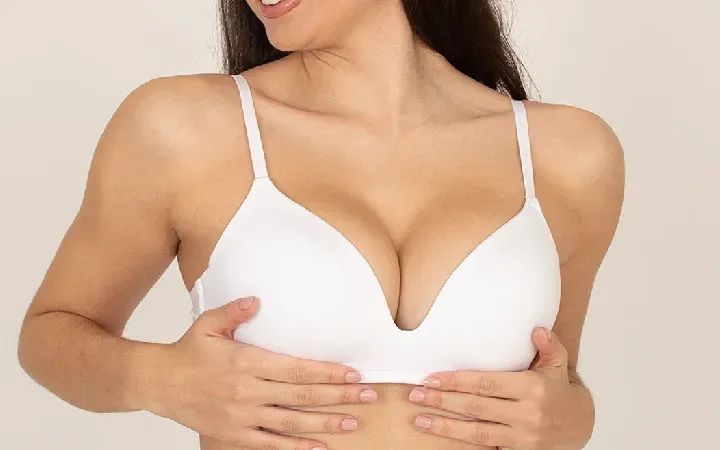
One of the reasons mastopexy remains one of the most requested breast procedures is its ability to restore a more harmonious, rejuvenated breast position with a well-established safety profile when performed under rigorous medical criteria. Surgical experience, proper planning and the individual study of each patient are essential for natural, long-lasting results. More than 40 years of experience and active involvement in the evolution of breast surgery mean that, at Instituto de Benito, mastopexy is approached from a highly specialized medical perspective. All procedures are performed in an accredited operating room, with anesthesia and monitoring supervised by a qualified anesthesiologist and under strict clinical safety protocols.
If after surgery you develop severe pain that does not improve with the prescribed medication, a fever above 38 °C, significant swelling, marked local warmth, spreading redness, discharge from the wound, opening of the stitches, sudden asymmetry, difficulty breathing or chest pain, it is important to contact the clinic immediately or go to the nearest emergency department. Most complications can be treated effectively when they are detected early.
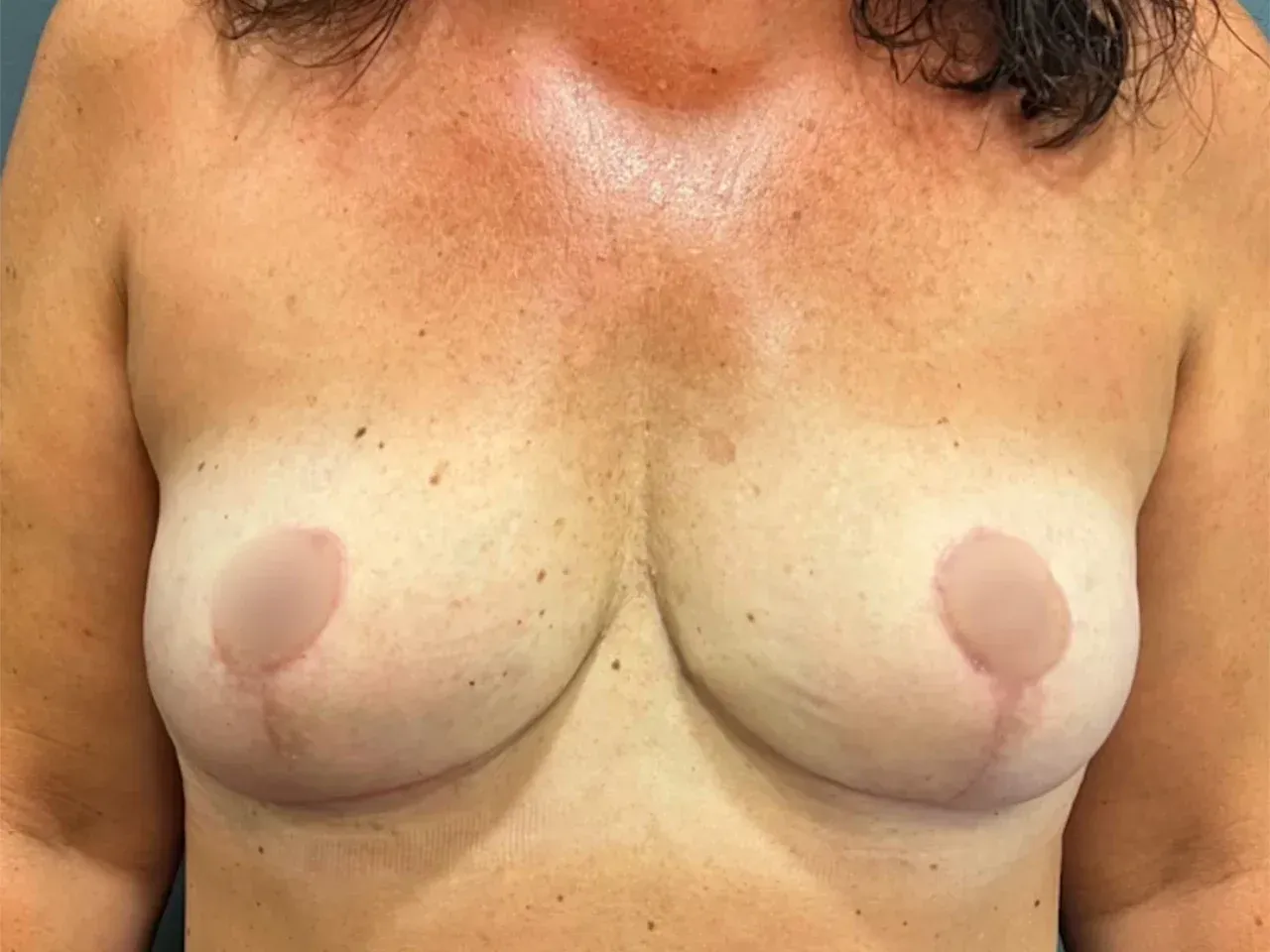
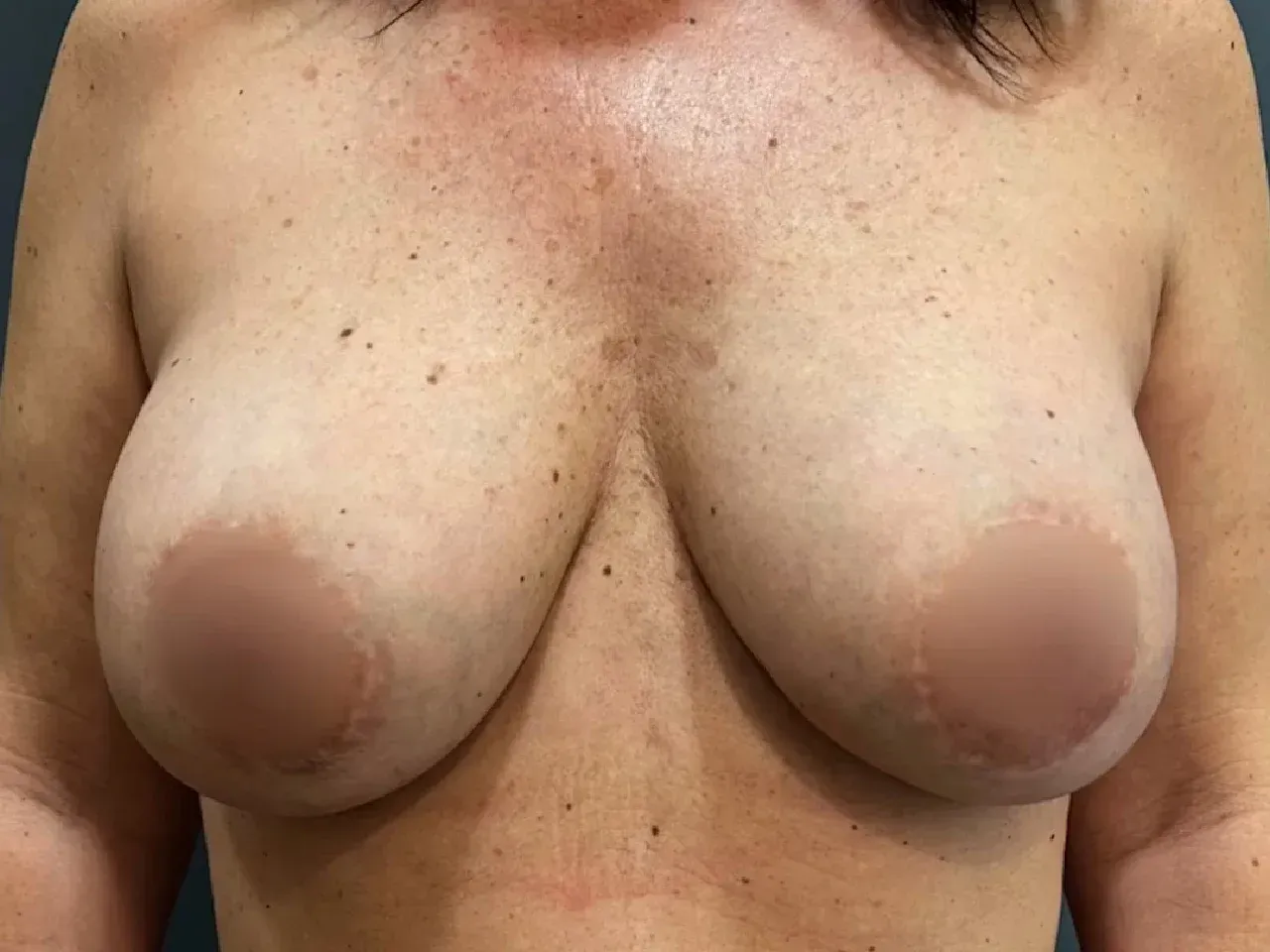
Ruptured implant removal + breast lift with own fat
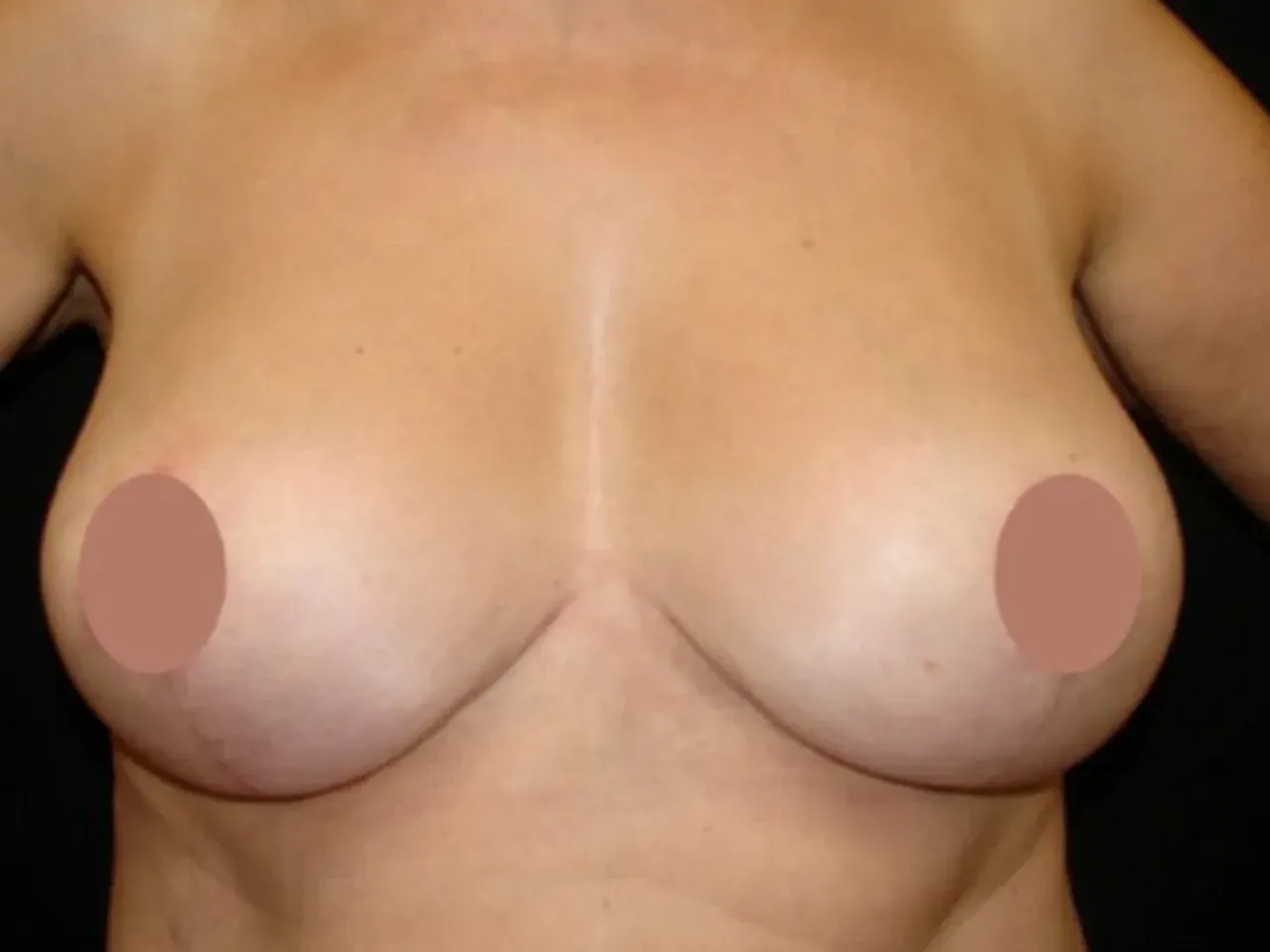
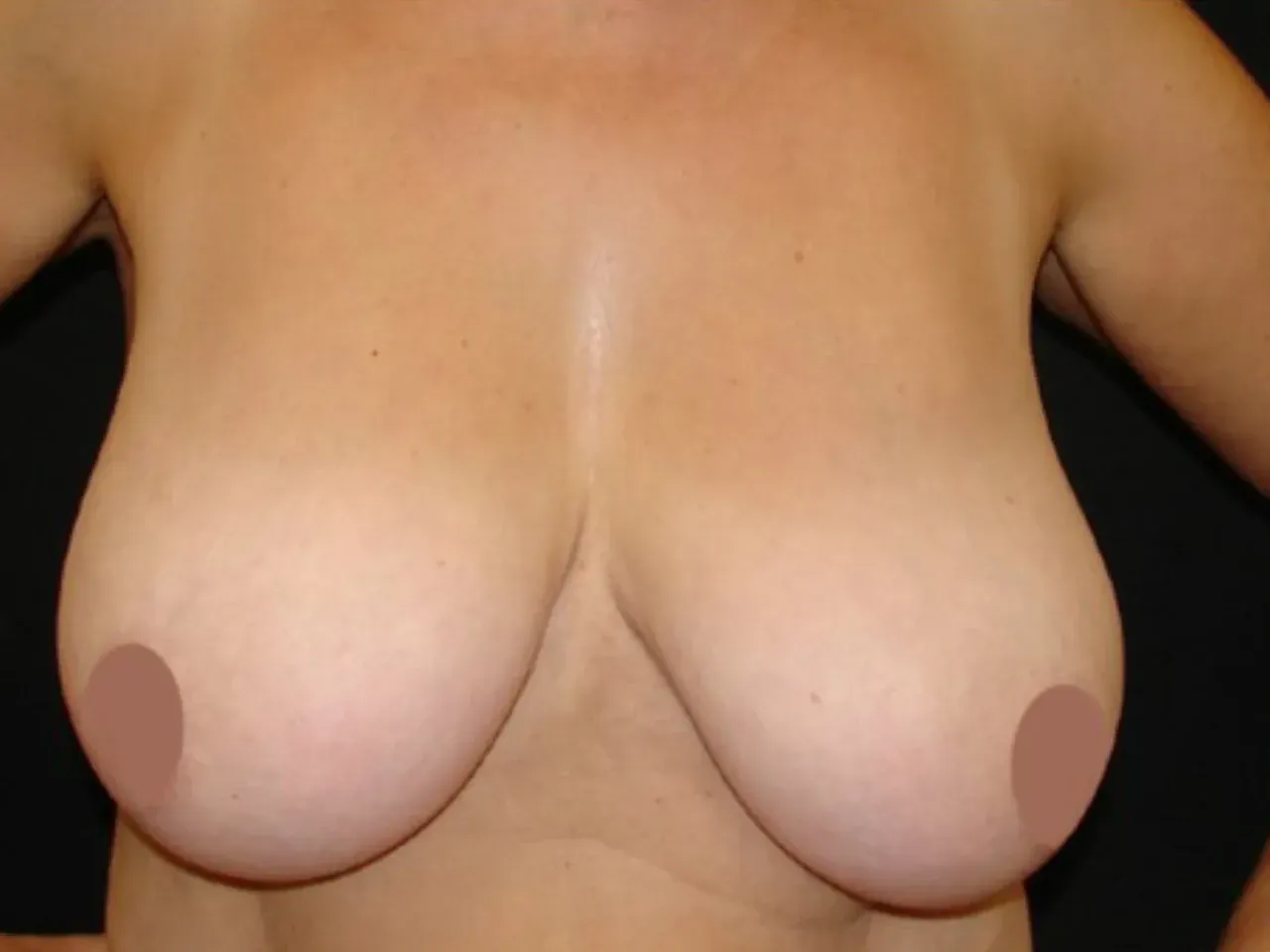
Mastopexy and breast lift
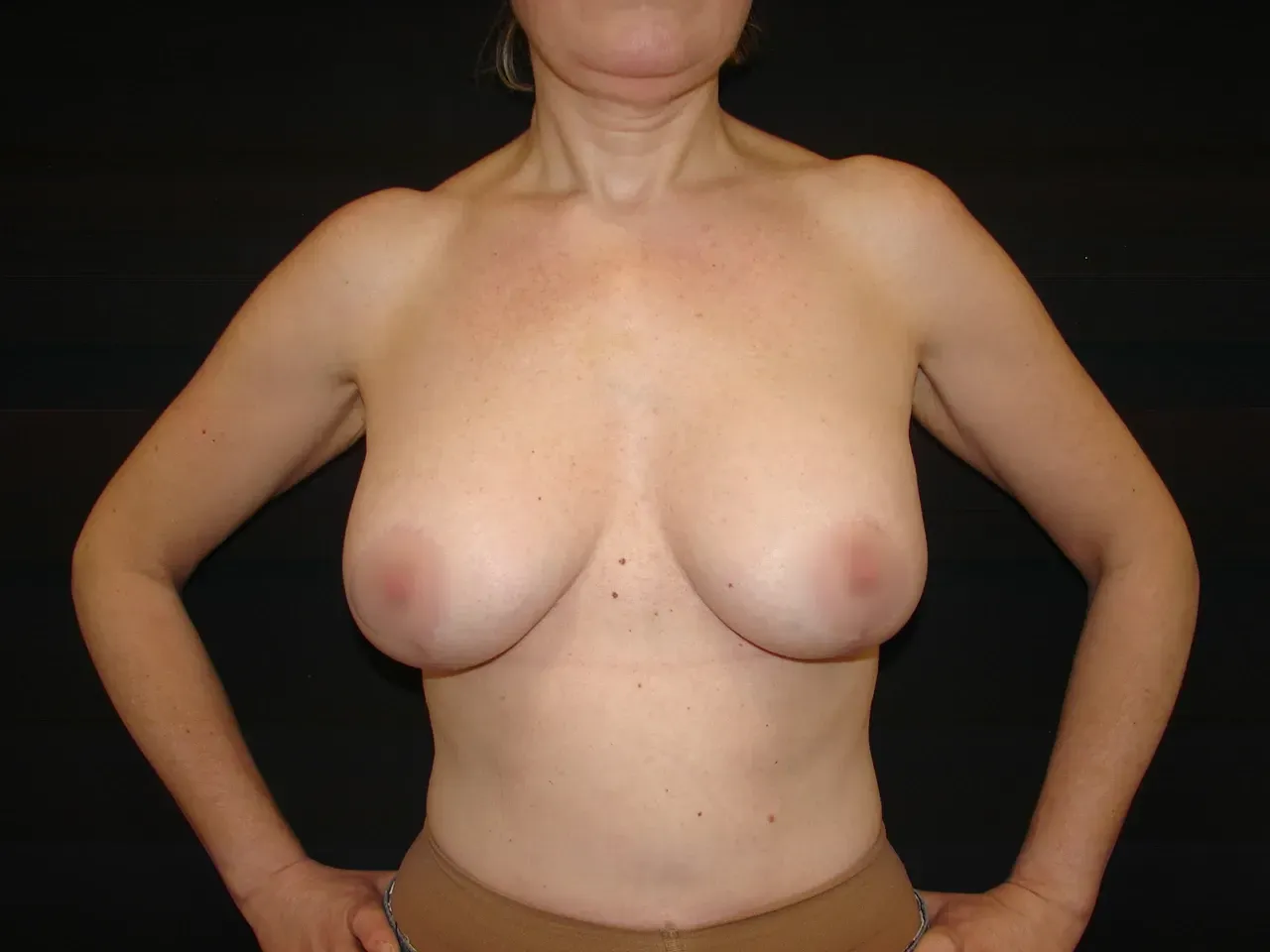
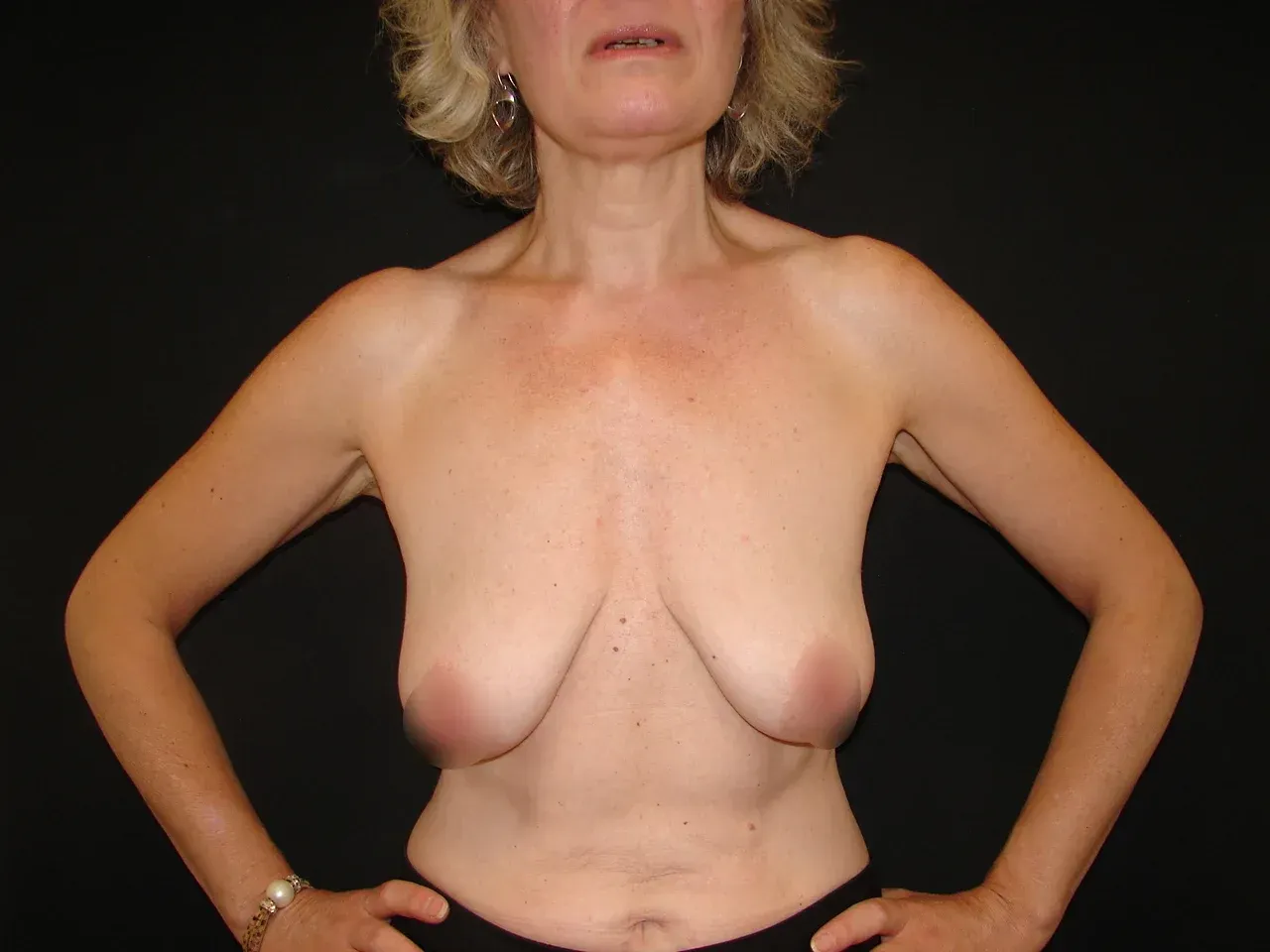
Breast lift with a T-shaped lift
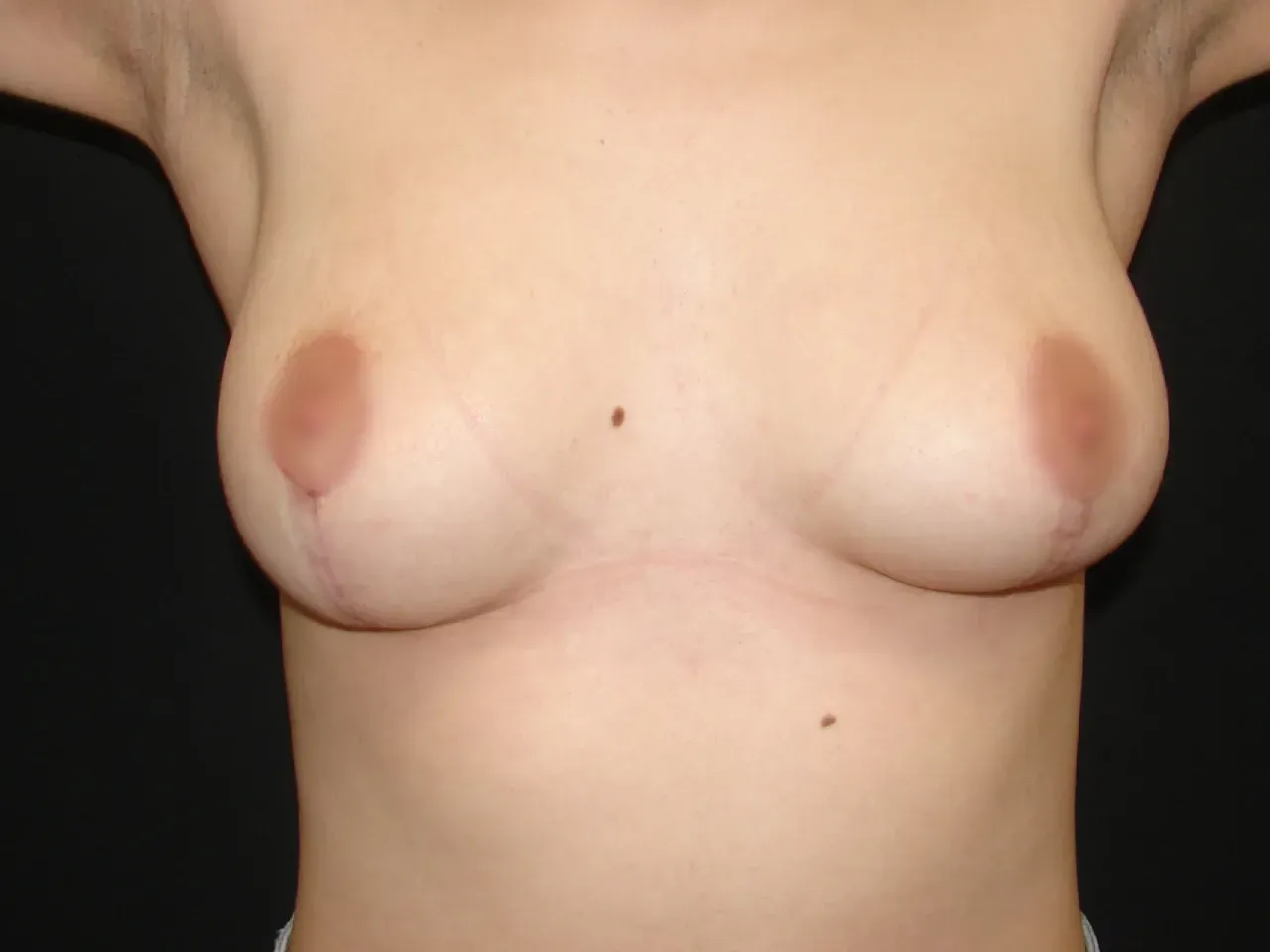
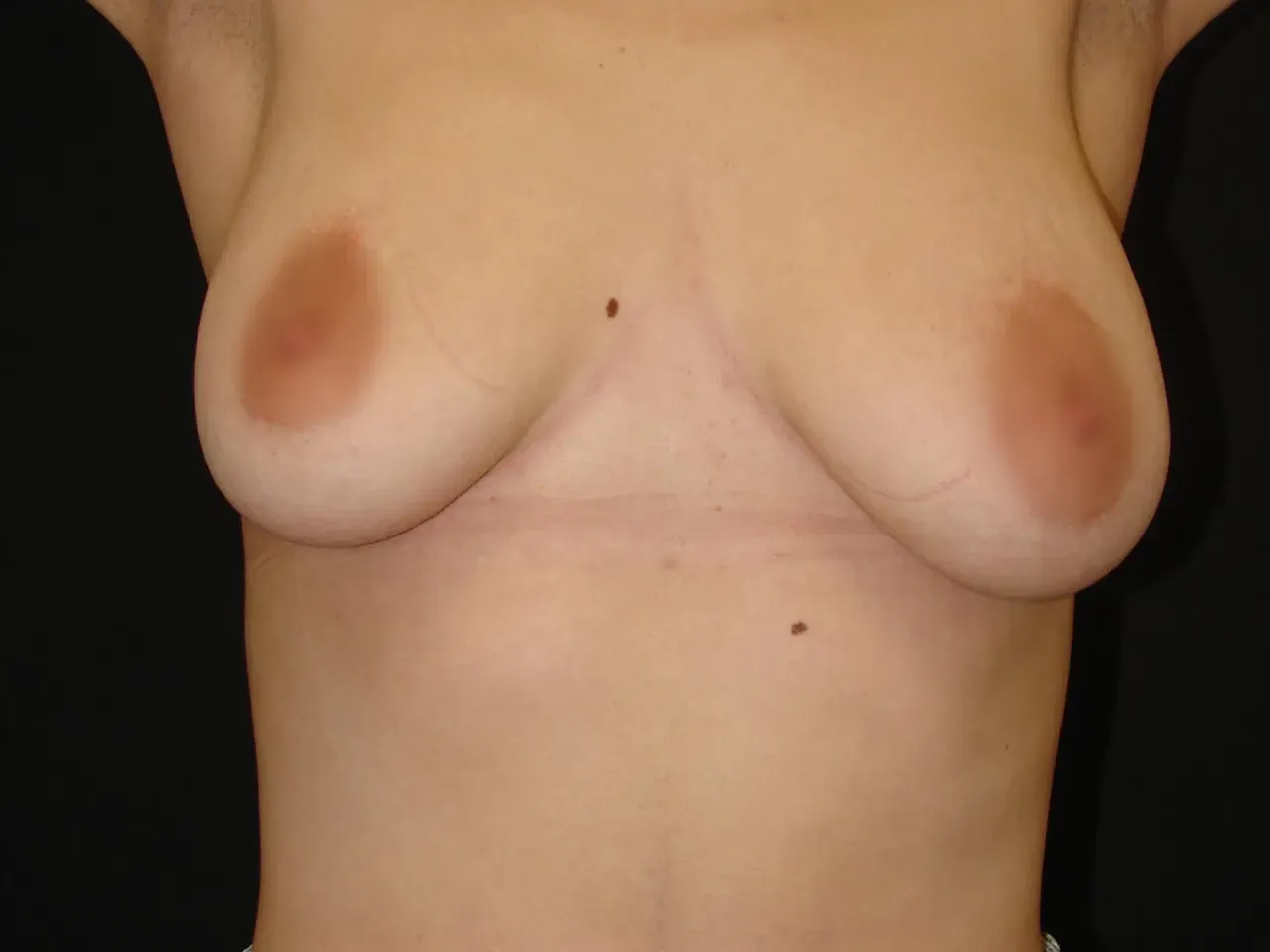
Simple breast lift
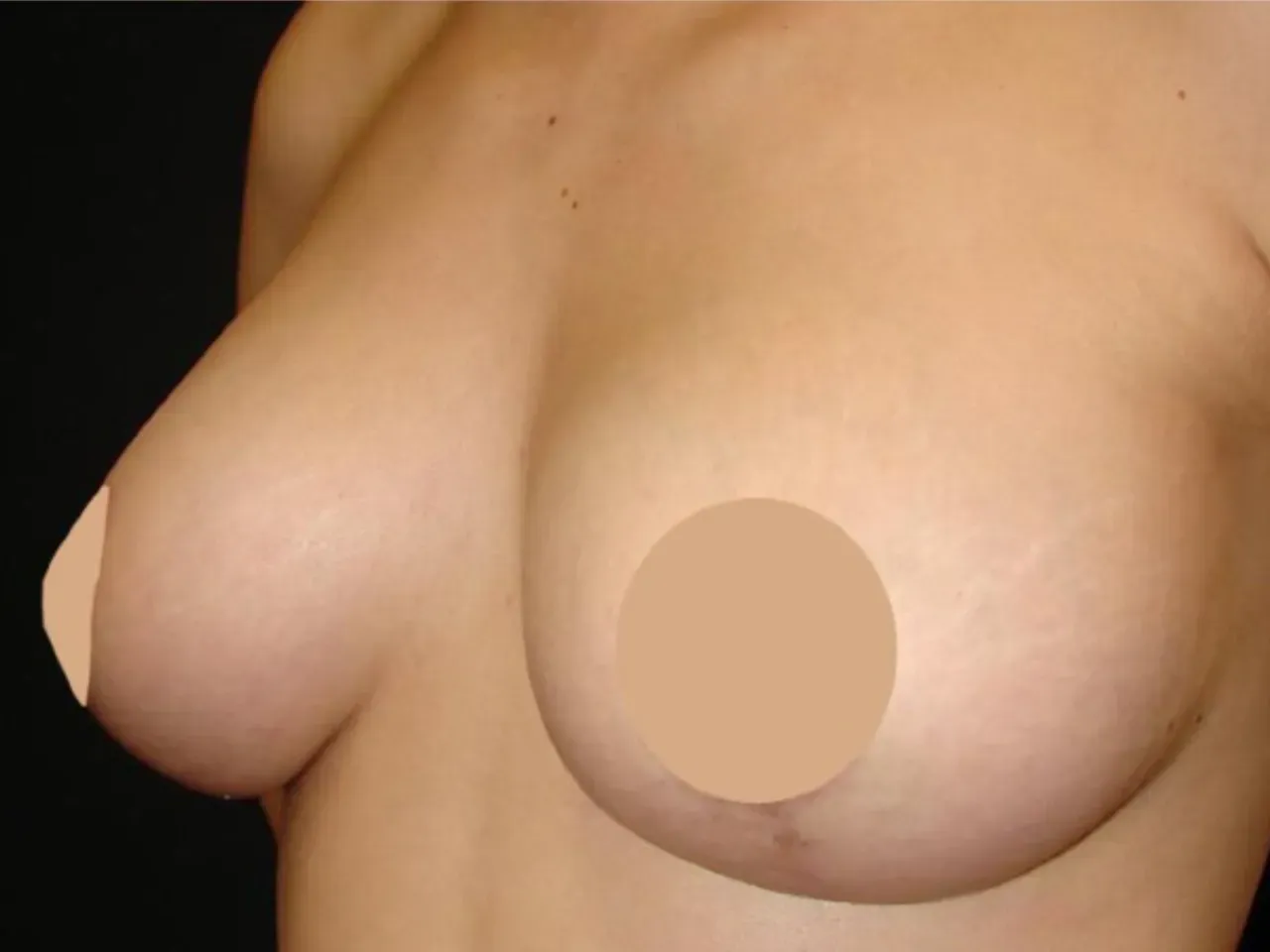
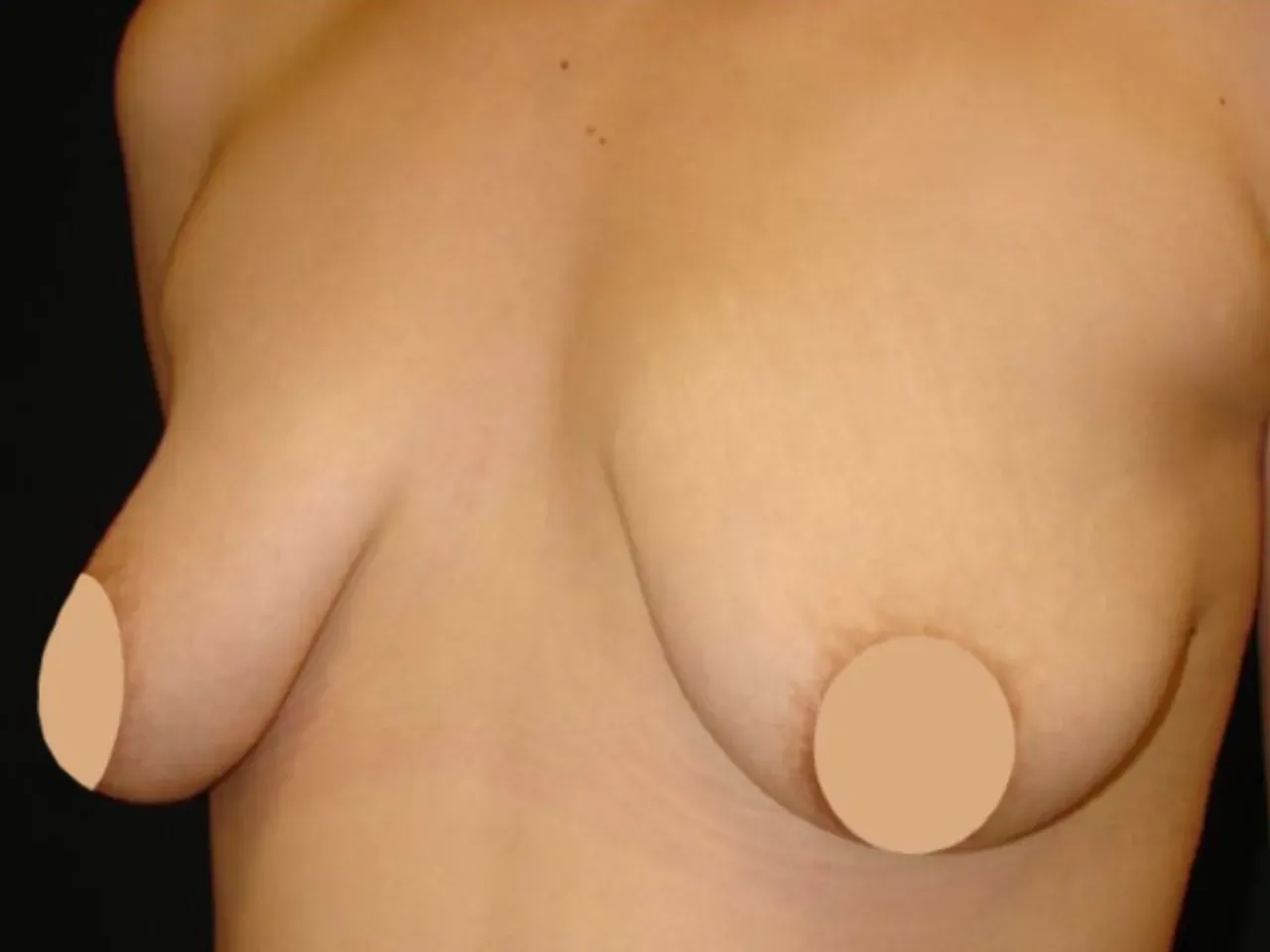
Breast lift with implants
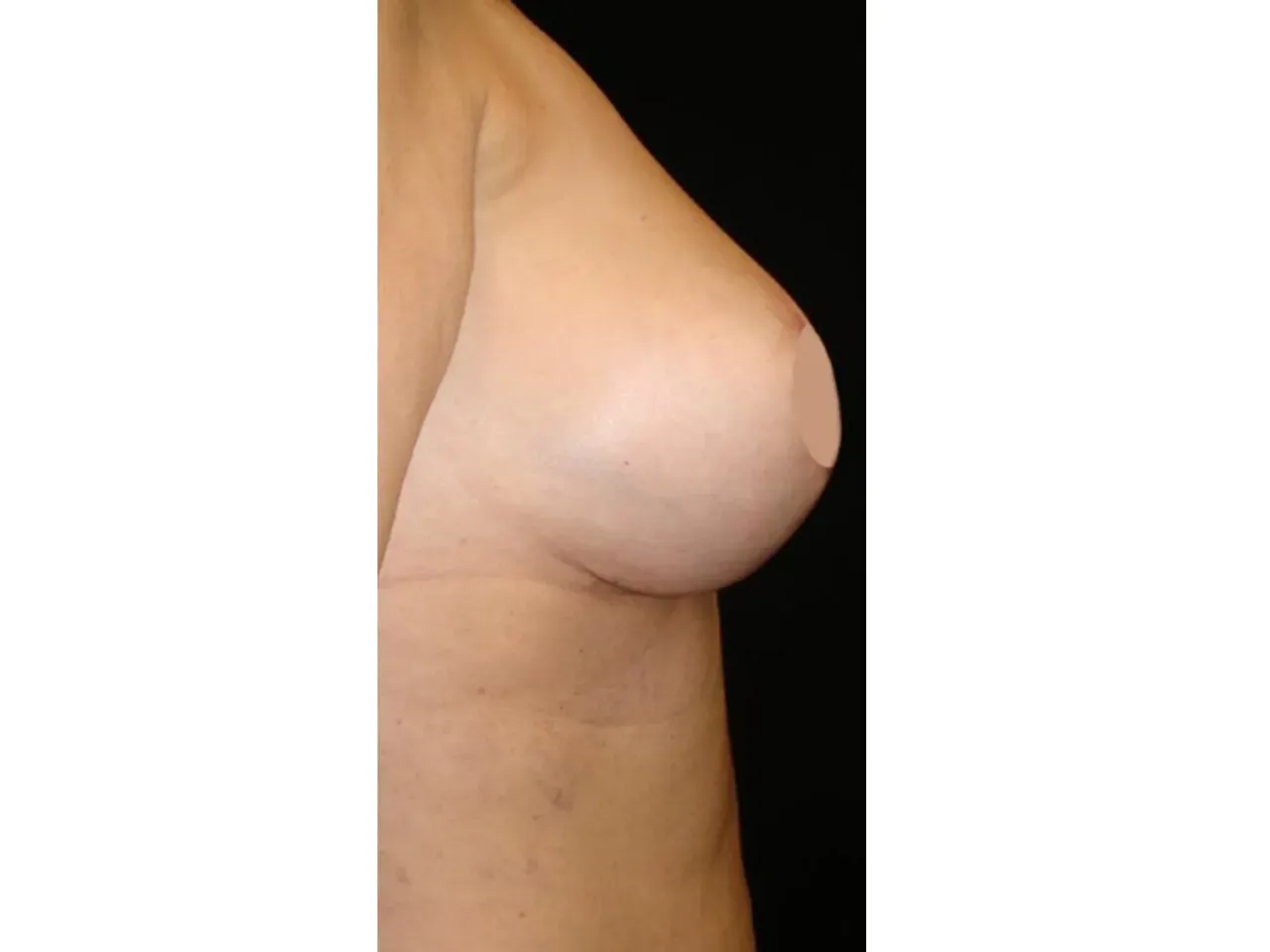
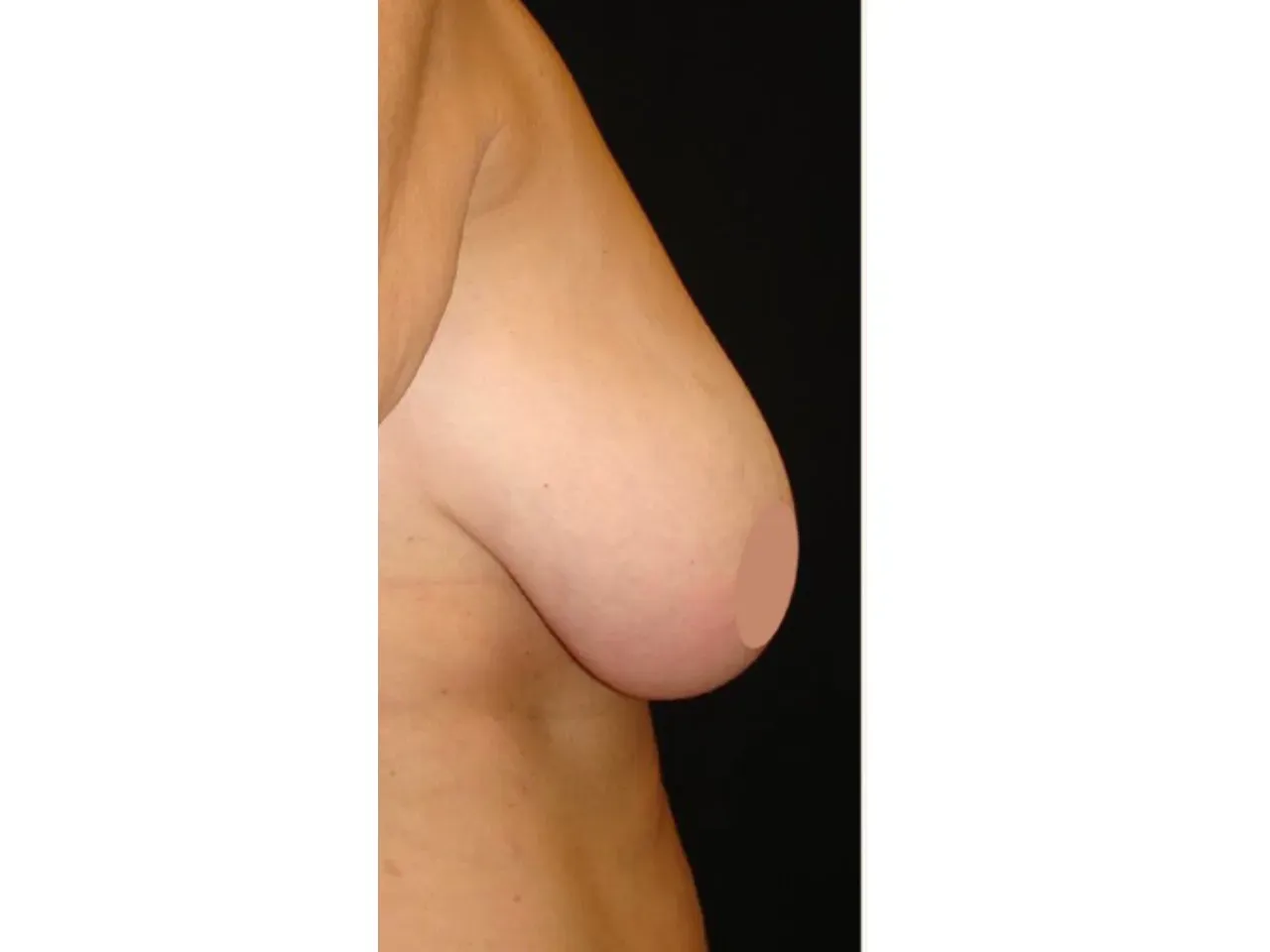
Breast lift
Live outside Barcelona or Madrid?
Start with a video consultation with our surgeons. The surgeon who will operate on you assesses your case, answers your questions and gives you an exact, personalised quote. No travel needed for the first visit.
50 €
video consultation with your surgeon
Dr. Víctor Cabrera
Breast surgery
Dra. Lucrecia Villanueva
Breast and body surgery
Instituto de Benito has been working in plastic surgery, aesthetic medicine and wellness for more than 40 years. The team tailors each treatment to the patient, with the aim of a natural result.
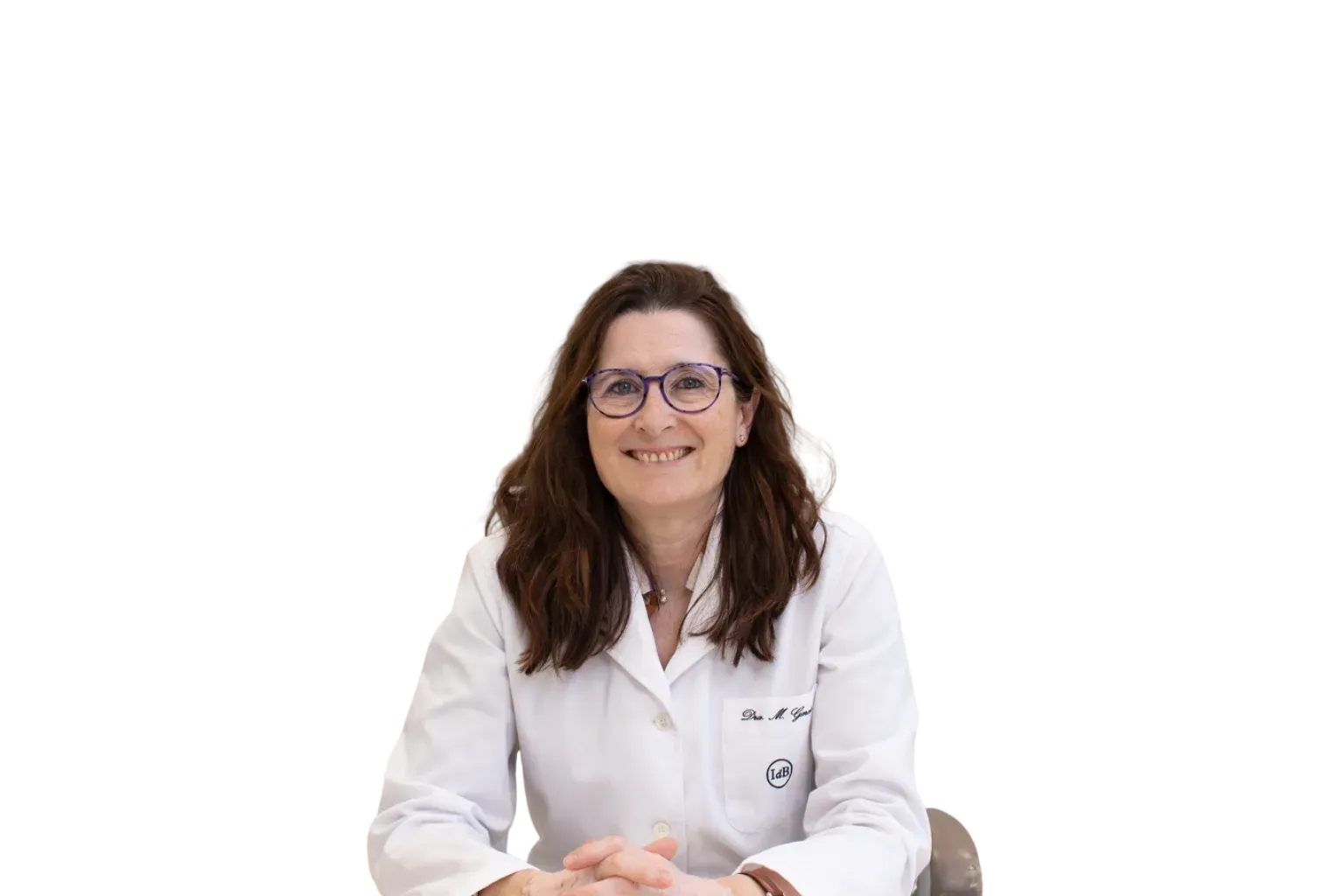
«Mastopexy is a procedure designed to restore harmony and firmness to the breasts»

«Every mastopexy begins with an honest, friendly conversation»
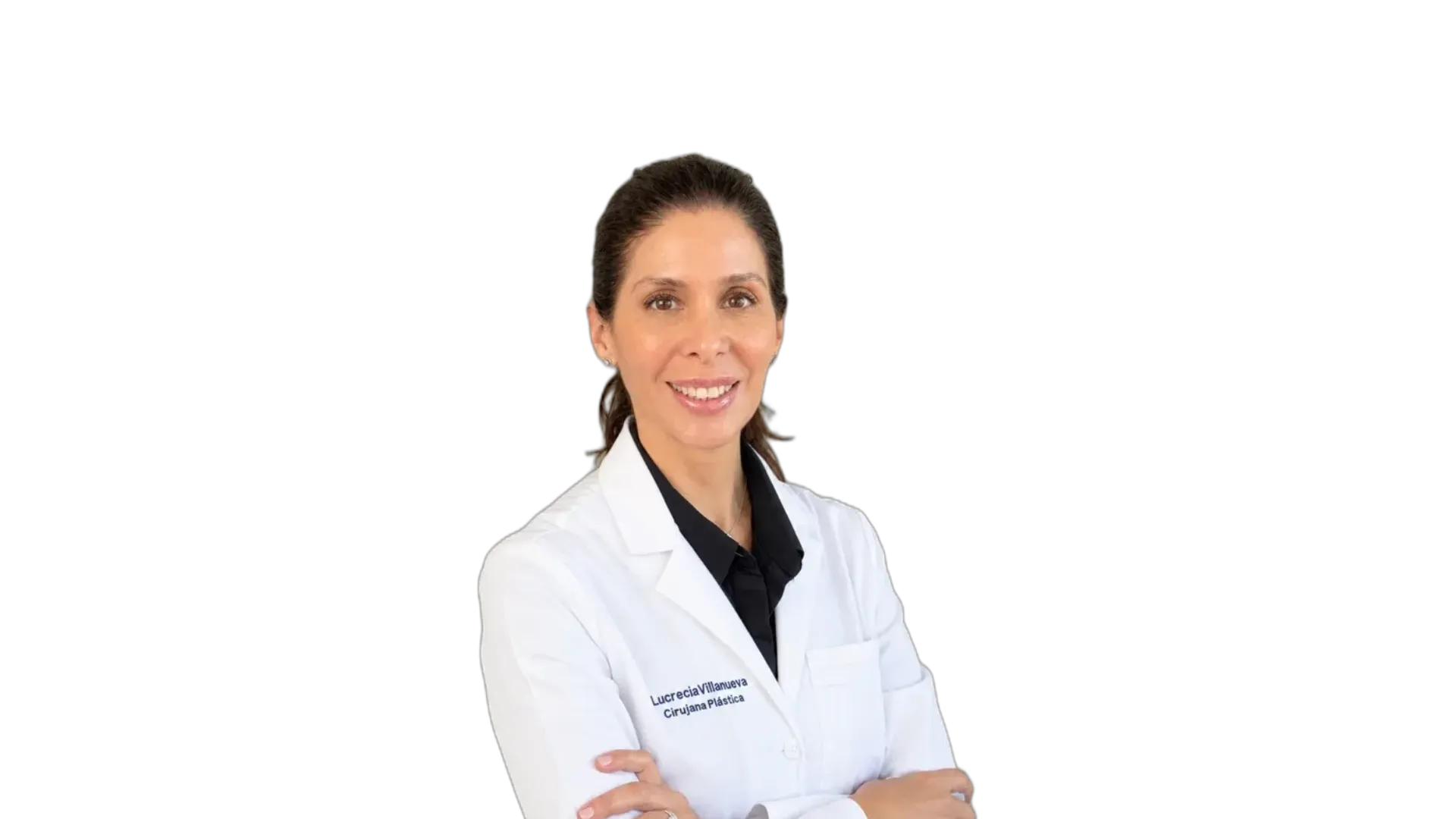
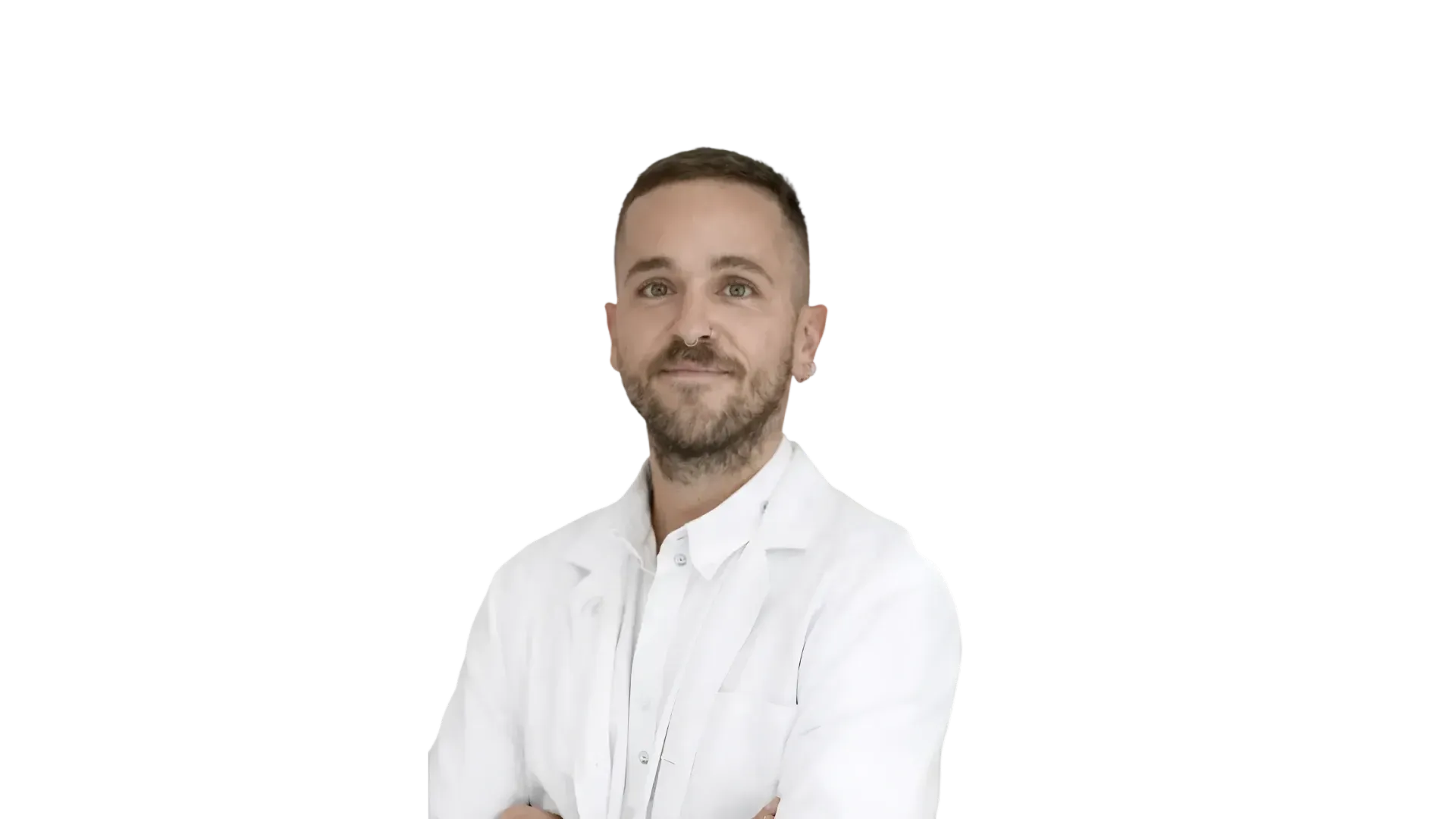
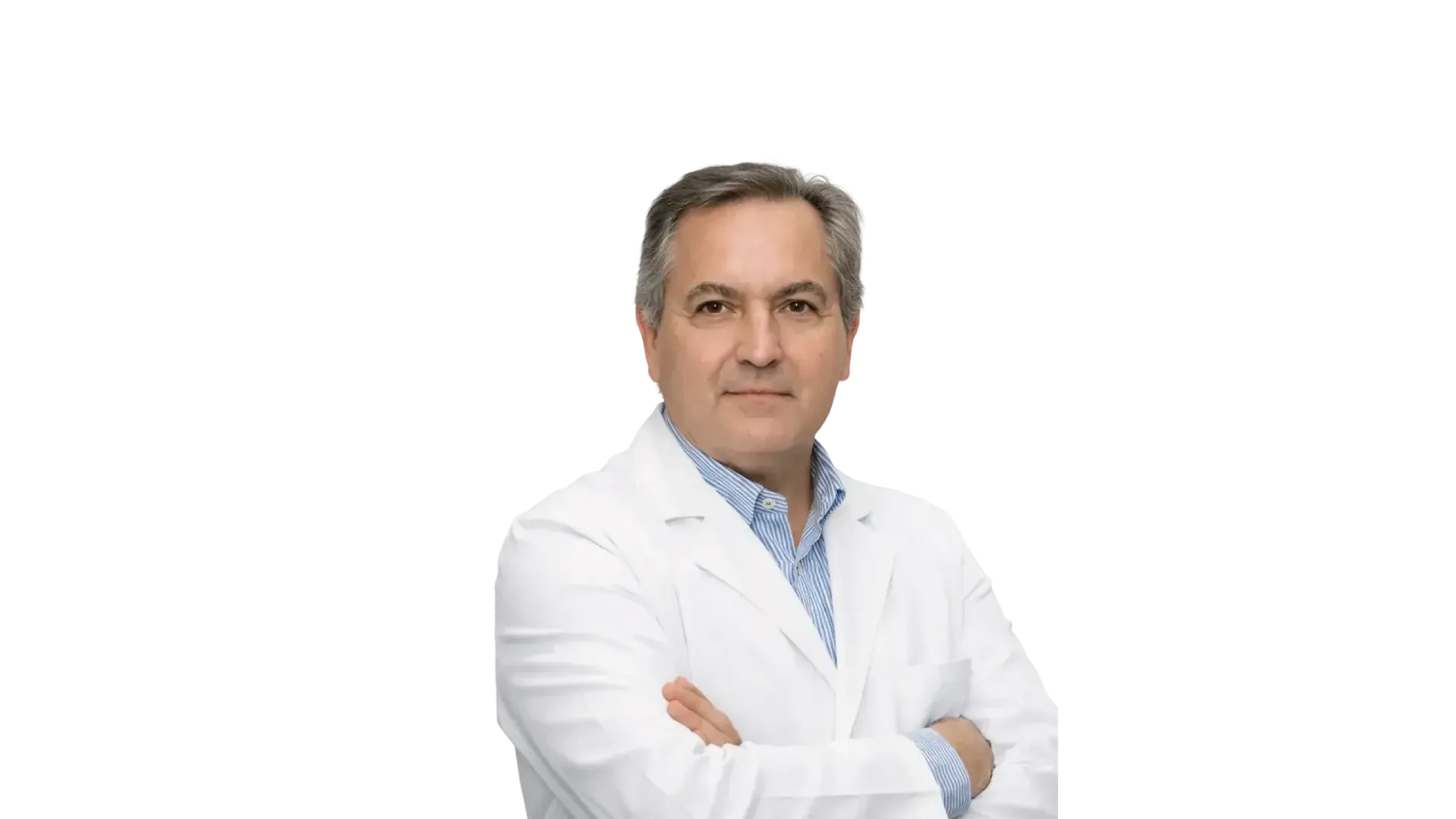
«The decision to have a mastopexy deserves professional support based on empathy and medical precision»
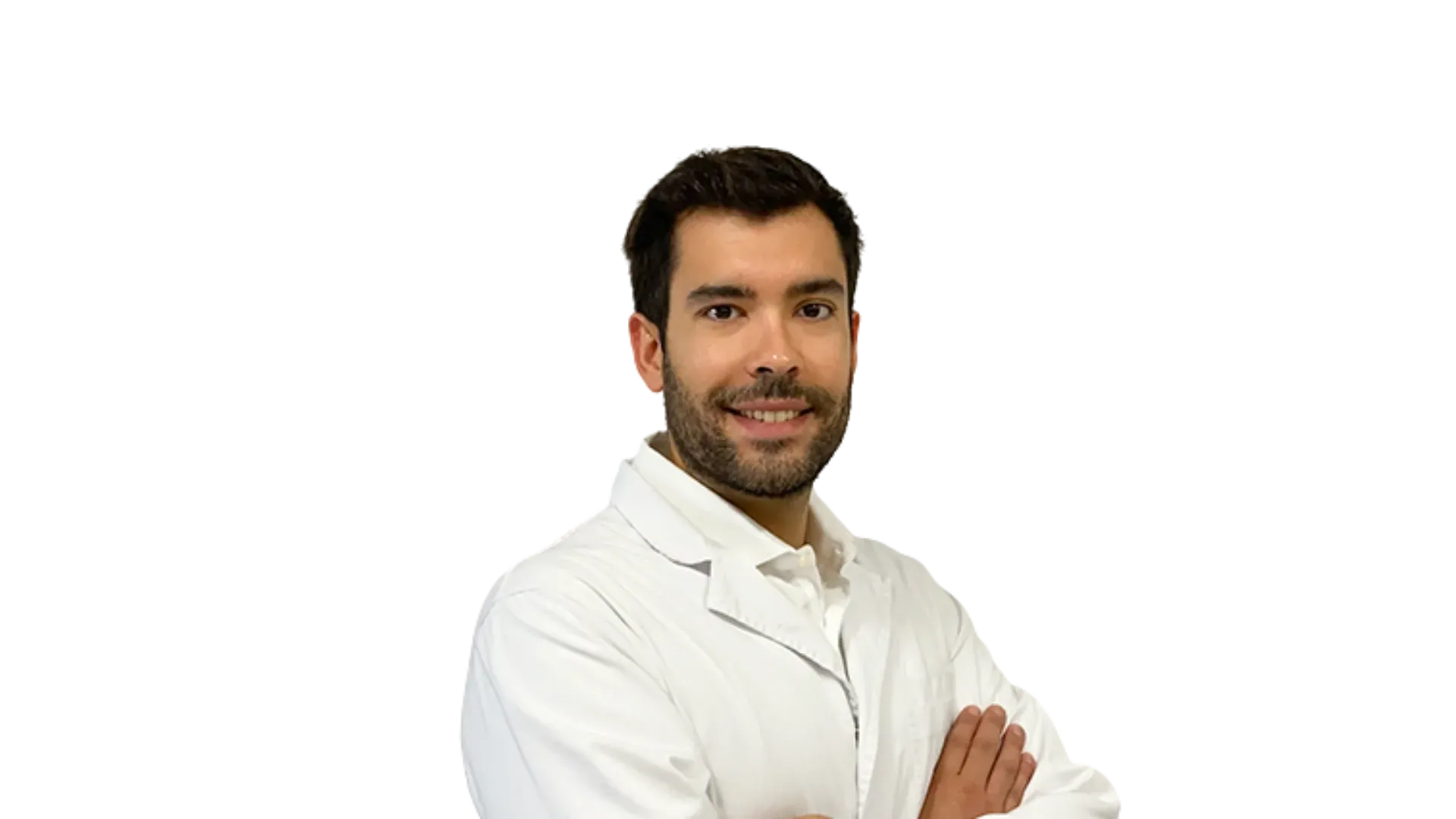
At Instituto de Benito, we have a solid track record backed by more than 40 years of experience in plastic and cosmetic surgery, with a special focus on breast surgery. Over the course of our career, we have performed more than 10,000 breast surgeries, which allows us to offer safe, natural and personalized results.
Our practice is backed by membership of recognized international scientific societies, such as SECPRE (Spanish Society of Plastic, Reconstructive and Aesthetic Surgery), ISAPS (International Society of Aesthetic Plastic Surgery) and SCCPRE, which ensures continuing education and the use of the safest techniques.
Post-op follow-up is included, and we support the patient through every stage until discharge.
The first consultation can be held by video call before you travel. It costs €50, deducted if you decide to have surgery, and it is with the surgeon who would operate on you. All our advisors and surgeons speak English.
The first step is not surgery: it is a consultation with the surgeon who would perform your procedure. They will assess your case, answer your questions and, after the visit, give you the exact price.
The first consultation costs €80, which is deducted from the cost of surgery if you decide to have your procedure with us. You can also call us.
Breasts that are higher, firmer and rejuvenated, with a more harmonious, natural shape. Full recovery comes between 3 and 6 months after surgery.
Discomfort is usually moderate and is effectively controlled with medication. Most patients can return to their daily routine within 10 days.
Yes, but the scars are well concealed depending on the technique used and improve progressively over time, becoming less visible.
Exercise is recommended from 4-6 weeks onward. Sun or beach exposure is advisable after 8 weeks, always with high sun protection.
Most patients return to normal life in about 10 days, although full recovery comes gradually over about 3 months.
In mild to moderate ptosis with sufficient volume and skin, mastopexy repositions and firms your own tissue without adding an implant. If there is a lack of volume in the upper pole or the skin is very stretched, we consider combining the lift with an implant in the same procedure. The decision is clinical, not commercial, and is made during your consultation.
Yes, it can be combined with procedures such as breast augmentation or liposuction, always after a personalized medical consultation for greater safety.
We offer flexible financing options: payment in up to 12 months interest-free (0% APR) or longer-term financing, up to a maximum of 48 months.
Cosmetic mastopexy is not covered by the Spanish public health system (Seguridad Social). In cases of severe ptosis associated with a documented medical condition there may be partial coverage, but this is exceptional and requires a referral and specific medical criteria. At IdB we perform elective cosmetic mastopexy on a private basis, with flexible financing options.
It depends on the technique used and how it affects the milk ducts. With techniques that preserve the nipple-areola complex on a pedicle, future breastfeeding may be possible, although it is not guaranteed. It is an important question to raise at your consultation if you are planning a future pregnancy.
A later pregnancy can alter the result of a mastopexy because of hormonal changes and changes in weight and breast volume. It is not contraindicated, but it is advisable to wait until you have completed the pregnancies you want before having surgery, or to accept that a later revision might be needed.
Usually between days 10 and 14 after surgery, at the scheduled check-up. At IdB we use partially absorbable sutures in the inner layers to minimize tension on the scar.
Medical review

Dr. Lucrecia Villanueva body and breast surgeon
N.º de colegiación 282871279
Specialist surgeon in body and breast

Average rating: 4.8 / 5
 Feed
Feed





'%20fill='%23FBBC05'%20d='M0%2037V11l17%2013z'/%3e%3cpath%20clip-path='url(%23b)'%20fill='%23EA4335'%20d='M0%2011l17%2013%207-6.1L48%2014V0H0z'/%3e%3cpath%20clip-path='url(%23b)'%20fill='%2334A853'%20d='M0%2037l30-23%207.9%201L48%200v48H0z'/%3e%3cpath%20clip-path='url(%23b)'%20fill='%234285F4'%20d='M48%2048L17%2024l-4-3%2035-10z'/%3e%3c/svg%3e)


