Blepharoplasty: Eyelid surgery

Want to rejuvenate your eyes with blepharoplasty?

Blepharoplasty removes excess skin from the upper eyelid and bags from the lower eyelid, and during your consultation we assess whether your case calls for one, the other or both.

From: 2.500 €

blefaroplastia
Loading form...

Surgery duration:

1 to 2 hours

Recovery time:

7 to 10 days

Synapta® protocol:

Included in Barcelona

Anesthesia:

Local or sedation

Hospital stay:

Outpatient

Social life:

Between 7 and 10 days

What is blepharoplasty?

Blepharoplasty is eyelid surgery that corrects drooping eyelids and under-eye bags by removing or repositioning excess skin, orbital fat and, when necessary, the orbicularis muscle. It is performed on the upper eyelids, the lower eyelids or both, as an outpatient procedure under local anesthesia and sedation.

Types of blepharoplasty

Upper blepharoplasty

In the upper eyelid, the usual problem is the excess skin that appears over the years, made worse by the natural descent of the eyebrow. This descent makes more skin visible and makes the eyelid look shorter.

Blefaroplastia superior

Lower blepharoplasty

Lower blepharoplasty is a surgery used to remove under-eye bags by taking out excess fat (which can sit in three areas: inner, middle and outer) and surplus skin, and by softening the eyelid groove to improve a tired appearance. These bags appear because the orbital septum (the structure that holds the fat around the eye in place) is weaker (generally due to genetics) and allows the fat to bulge forward, which is more noticeable when looking up. The procedure can be performed from inside the eyelid or through an external incision.

Blefaroplastia inferior

Full blepharoplasty (upper and lower)

It combines both techniques to achieve comprehensive rejuvenation of the eyes, treating both the upper and lower eyelids together in a single procedure.

Blefaroplastia completa (superior e inferior)

Blepharoplasty, explained on video

What is the blepharoplasty process like?

Blepharoplasty begins with small incisions in the natural creases of the upper eyelids, or just below the lashes on the lower eyelids, so that the scars are practically invisible. Through these openings, the surgeon removes or redistributes the fat deposits that cause "bags," tightens weakened muscles and trims the excess loose skin that creates a tired or heavy look. The process ends with very fine sutures and the application of local cold to reduce swelling, achieving a more rested, youthful appearance without altering the natural expression of the eyes.

01

Personalized medical assessment

Valoración personalizada

The first consultation is held directly with the surgeon who will perform your procedure, who will assess the condition of your eyelids and the quality of your skin and determine the most suitable technique (upper, lower or full). To book the appointment, a payment of €80 must be made in advance. If you cannot travel, the first visit can also be done by video call with the surgeon who would operate on you: it costs €50, which is deducted if you decide to have surgery.

02

Preparing for the surgery

Preparación de la intervención

Before surgery, complete and personalized medical preparation is carried out, including a review of test results, guidance on medication and pre-operative instructions to ensure the procedure takes place under optimal conditions.

03

The surgery

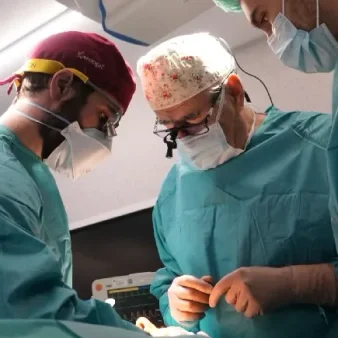
El Dr. Javier de Benito operando

The procedure begins with thorough marking and planning of the eyelid area. Depending on the patient's anatomy and the type of blepharoplasty, sedation or general anesthesia is used.

04

Comfortable recovery

Recuperación tras la cirugía

In Barcelona we apply the Synapta® protocol to make the post-op period more manageable.

After the procedure you will have close medical follow-up, allowing you to regain confidence in your appearance in a gradual, safe and controlled way.

05

Start seeing yourself the way you want to feel.

verte como quieres sentirte

A renewed, fresher look and more confidence in yourself.

Preparation and recovery: the IdB protocol

Before surgery

Before blepharoplasty, a personalized medical assessment is carried out in which the specialist analyzes the position of the eyelids, the quality of the skin and the presence of bags or excess skin to determine the most suitable technique (upper, lower or full).

During this phase:

  • Your medical history is reviewed and the necessary pre-operative tests are requested.
  • The surgery is planned in a fully personalized way.
  • Clear instructions are given on medication, habits and pre-operative care.
  • All your questions are answered so you can approach the procedure with peace of mind and confidence.
Before surgery

After surgery

After blepharoplasty, it is normal to have swelling and small bruises in the eyelid area, which gradually subside over the following days.

During recovery:

  • Relative rest is recommended for the first few days.
  • Medical instructions are followed strictly.
  • Regular check-ups are carried out to monitor progress and proper healing.
  • The return to social life is usually gradual, generally between 5 and 10 days.
  • The result is progressively refined as the swelling goes down.

Thanks to advanced recovery and follow-up protocols, the process is safe, controlled and comfortable, ensuring a natural, rejuvenated result for the eyes.

After surgery

How much does blepharoplasty cost and what does it include?

2.500 €

Blepharoplasty at Instituto de Benito starts from €2,500, varying according to whether the upper eyelids, the lower eyelids or both are treated, the degree of excess skin and bags, the technique used, the type of anesthesia and the follow-up included, and is tailored to each patient.

What the treatment plan includes:

  • Specialist physician's fees
  • Fees for the rest of the medical team
  • Materials specified in the quote
  • Operating room
  • Anesthesia
  • Medication during your stay at the center
  • Wound care with the nursing team
  • Follow-up visits with the specialist
  • Preoperative tests (blood work, ECG, X-ray, etc.)

What is not included:

  • Assessments or clearances from other specialists, if needed
  • Medication after discharge
  • Complementary recovery treatments (lymphatic drainage, physiotherapy, laser, etc.)
  • Costs arising from medical complications not attributable to the surgical procedure
  • Reoperations or touch-up surgeries not initially planned
  • Unplanned additional stays
  • Travel, accommodation or meals for the patient and companions
  • Sick leave, certificates or additional administrative paperwork
  • Any material or procedure not expressly specified in the quote

You can finance this procedure at 0% interest. See the options on our financing page.

Prices valid in 2026. The exact price is given after the visit, once the surgeon has assessed your case.

Cargando formulario...

Are you a good candidate for cosmetic eyelid surgery?

Blepharoplasty is indicated for people who want to rejuvenate their eyes in a natural, long-lasting way when signs of aging or genetics have caused changes in the eyelids that cannot be corrected with non-surgical treatments.

It is especially suitable if:

  • 01

    You have excess skin on your upper eyelids

    Which gives a tired or aged appearance and may even affect your field of vision.

  • 02

    You have bags under your lower eyelids

    Which create a look of permanent fatigue even when you are well rested.

  • 03

    Your eyes look droopy or dull

    With a loss of freshness and youthful expression.

  • 04

    You are looking for subtle but visible rejuvenation

    Without changing the natural expression of your eyes.

  • 05

    You have heavy eyelids due to genetics

    Even at a young age, and you want a more open, rested look.

  • 06

    You want a long-lasting solution

    As opposed to temporary treatments that do not correct the actual excess of skin or fat.

Who is not a candidate: contraindications for blepharoplasty

Blepharoplasty is one of the most commonly performed facial surgeries and has a well-established safety profile, but it is carried out on a structure that protects the eyeball and keeps the corneal surface lubricated. That is why patient selection is as decisive as the technique. At Instituto de Benito, every blepharoplasty is preceded by an ophthalmological and functional examination of the eyelid, and in cases that require it we request a report from the ophthalmologist before scheduling surgery.

Situations that contraindicate or postpone surgery

ContraindicaciónMotivo
Severe dry eye (keratoconjunctivitis sicca)This is the most relevant ophthalmological contraindication. In cases of severe dry eye it is prudent to advise against blepharoplasty, since even a moderate increase in corneal exposure can significantly worsen dryness. It is assessed with the Schirmer test and tear break-up time.
Active eye or eyelid infectionBlepharitis, conjunctivitis or a stye in the acute phase increase the risk of wound infection and poor healing. Surgery is postponed until it has fully resolved.
Uncontrolled high blood pressureThis is the most important risk factor for the most feared complication. In the ASAPS and BAAPS series of more than 750,000 blepharoplasties, hypertension was the most frequent risk factor for post-operative vision loss, with retrobulbar hematoma being the main cause of blindness.
Severe uncorrected coagulation disordersCoagulopathy and anticoagulant medication are among the predisposing systemic factors for retrobulbar hematoma, a complication that can compromise vision. They require prior hematological evaluation.
Active thyroid eye disease (Graves' disease)Thyroid orbitopathy presents with exophthalmos, eyelid retraction, edema and lagophthalmos, changes that alter the anatomy and the result. Surgery is performed only when the disease is inactive and stabilized, with endocrinology and ophthalmology reports.
Uncontrolled glaucoma or unstabilized ocular hypertensionSECPRE lists glaucoma and retinal detachment among the conditions that may pose a risk and warrant a prior ophthalmological check-up. With intraocular pressure under control, surgery is usually feasible.
Absent or weak Bell's phenomenon, or pre-existing lagophthalmosInsufficient upward rotation of the eyeball increases the risk of exposure keratopathy and may require a conservative resection or ruling out surgery.
Facial paralysis or impaired eyelid closureThe eyelid does not protect or lubricate the cornea normally. Any additional resection worsens corneal exposure.
Ptosis of undiagnosed neurological cause (myasthenia gravis)Progressive drooping on the sustained upgaze test suggests myasthenia gravis and calls for medical treatment rather than surgery. Operating on myasthenic ptosis as if it were dermatochalasis does not correct the problem.
Uncontrolled systemic diseasesPoorly controlled diabetes and unstabilized cardiovascular disease raise the anesthetic risk and compromise healing. The medical history must record any systemic disease with ophthalmological manifestations: thyroid disease, diabetes, hypertension or inflammatory diseases treated with corticosteroids.
Recent refractive or intraocular surgeryIt is recommended to delay blepharoplasty for at least 6 months after LASIK, to allow corneal nerve regeneration and reduce the risk of post-operative dry eye. After cataract surgery or vitrectomy, until recovery is complete.
Recent retinal detachmentIt requires an ophthalmology report and a confirmed period of stability before elective surgery is considered.
Active smokingIt compromises the skin's microcirculation and the healing of particularly thin skin. We ask patients to stop smoking 4 weeks before and 4 weeks after.
Body dysmorphic disorder or unrealistic expectationsBlepharoplasty corrects excess skin and bags, not the shape of the eye or its expression. When the motivation stems from a distorted body image, no technique will resolve the dissatisfaction. These cases require a prior psychological assessment.
Pregnancy and breastfeedingAs this is elective surgery, it is postponed.

Have our team assess your case

Pedir cita
blefaroplastia banner

Risks and possible side effects of blepharoplasty

Blepharoplasty is one of the most commonly performed facial surgeries in the world and maintains a well-established safety profile when carried out with a rigorous pre-operative assessment and conservative tissue resection. Most patients go through surgery and recovery without significant problems.

There is one warning sign you should know about before your surgery, because it is the only one that demands immediate action: if, after surgery, you experience intense and worsening pain around the eye, a feeling of pressure, reduced or lost vision, double vision or sudden swelling with protrusion of the eyeball, contact the clinic immediately or go to the emergency room. Do not wait for your scheduled check-up. These symptoms usually appear within the first 24 hours and, when detected in time, are treatable. Mild blurred vision on the first day, on the other hand, is to be expected: it is due partly to the anesthesia and partly to the ophthalmic ointment applied to the eyelid.

Expected, mild reactions

These are not complications, but the eyelid's normal response to surgery:

  • Periorbital swelling and bruising, which are practically universal. Bruising of the lower eyelid takes about 10 days to resolve; that of the upper eyelid improves sooner. It is common to wait two weeks before returning to social life without corrective makeup.
  • Temporary dry eyes and watering, with a gritty or foreign-body sensation. These are managed with artificial tears and a lubricating ointment at night.
  • Mild blurred vision in the first hours or days.
  • Sensitivity to light during the first weeks.
  • Numbness of the upper eyelid and eyelashes after upper blepharoplasty, due to temporary involvement of the sensory nerve branches. Sensation returns gradually over 2–4 months, often with tingling or itching along the way.
  • Mild chemosis (swelling of the conjunctiva, giving the white of the eye a watery or bulging appearance) and small reddish subconjunctival hemorrhages. They have no functional significance, only a cosmetic one.
  • Temporary asymmetry between the two eyelids while the swelling subsides.
  • A scar that is pink at first, which matures and becomes concealed in the eyelid crease over the following months.

Stitches are removed during the first week. Exercise is not advised in the first few days because it prolongs bruising and swelling.

Less common effects

A second group of non-serious issues that may appear during recovery or in the first few months. In a series of 200 transcutaneous blepharoplasties, the overall incidence of complications was 9.5%, and most resolved with clinical treatment and outpatient follow-up, without surgery:

  • Prolonged chemosis, which can take several weeks to resolve completely. It is more common in the lower eyelid and especially when canthoplasty is also performed: in the series cited it appeared in 6% of all patients, but in 61.5% of the patients who underwent canthoplasty.
  • Persistent dry eye. This is the most common complaint after periorbital surgery. In a review of 202 patients, symptoms persisted for more than two weeks in 10.9% and for more than two months in 2%; most resolved with conservative management. Paradoxically, it can present with reflex tearing.
  • Lower eyelid malposition. In the series of 200 cases it affected 3%, mostly eyelid retraction and, exceptionally, ectropion. Mild retraction due to edema usually subsides on its own within days or weeks. All cases of malposition occurred in patients who had not had lateral canthal anchoring in the primary surgery.
  • Scleral show, or exposure of the white of the eye below the iris, caused by descent of the lower eyelid.
  • Persistent asymmetry once the result has settled, which may require a minor touch-up.
  • A thickened scar or color changes along the incision line.
  • Granulomas or inclusion cysts along the suture line, which can be resolved in the office.
  • Undercorrection or overcorrection: residual bags, or excessive removal that leaves the groove hollow and gives an aged appearance. Removing too much fat is harder to correct than removing too little.
  • Delayed healing, especially in patients who smoke or have diabetes.

A small percentage of patients opt for a minor revision months after the initial surgery.

Uncommon complications

These are the serious complications, with low incidence rates but which every well-informed patient should know about before signing a consent form:

  • Retrobulbar hematoma. This is the most feared complication: deep bleeding behind the eyeball that raises intraorbital pressure and can compromise the optic nerve. Symptoms appear within the first 24 hours, with two peaks: between the surgery itself and the first hour, and between the sixth and twelfth hours. High blood pressure is the most frequent risk factor, along with coagulopathy and anticoagulant medication. It is an emergency with a defined treatment, which is why we place so much emphasis on blood pressure control and on the scheduled discontinuation of antiplatelet drugs.
  • Vision loss. A survey of ASAPS and BAAPS surgeons covering more than 750,000 blepharoplasties recorded 39 cases of vision loss, which puts the overall incidence at around 1 in 20,000 procedures, and permanent loss at approximately 1 in 30,000. Retrobulbar hematoma was the main cause.
  • Lagophthalmos and exposure keratopathy. Because of excessive skin resection, the eye does not close completely, the cornea is left exposed and it may ulcerate. Pre-operative evaluation of dry eye and Bell's phenomenon is the decisive step in preventing it.
  • Established ectropion, which requires surgical correction.
  • Diplopia (double vision) due to injury to the extraocular muscles, a rare but potentially disabling complication of lower eyelid surgery. It usually appears early, between the immediate post-operative period and the first week.
  • Wound infection, which is uncommon given the excellent blood supply to the area.
  • Post-operative eyelid ptosis due to involvement of the levator aponeurosis.
  • Reactions to anesthesia, assessed and minimized by the anesthesiologist in the pre-operative evaluation.

Blepharoplasty before and after photos

Blefaropalstia después
Paciente antes de ser operado de una blefaroplastia

Eugenia, 48, Madrid

Lower blepharoplasty

blefaroplastia completa despues
blefaroplastia completa antes

Remi, 43, Osaka

Full blepharoplasty

Cirugía para eliminar las bolas blefaroplastia inferior

Vanessa, 39, Barcelona

Lower blepharoplasty

blefaroplastia inferior después
blefaroplastia inferior antes

Buoncristiano, 42, Rome

Lower blepharoplasty

Resultado de blefaroplastia inferior

Rubén, patient from Barcelona

Lower blepharoplasty

Resultado de una blefaroplastia inferior

Bea, patient from Madrid

Lower blepharoplasty

Our blepharoplasty medical team

Instituto de Benito is a center of reference in blepharoplasty and eye rejuvenation techniques, with more than 40 years of experience and thousands of satisfied patients.

The team combines surgical technique with a personal approach, aiming for a natural result in harmony with each face.

Commitment to blepharoplasty

At Instituto de Benito we have more than 40 years of experience in plastic and facial cosmetic surgery, with a strong specialization in facial surgery. Over our career we have performed more than 7,000 facial surgeries, consolidating a high level of precision, safety and natural results.

Our practice is backed by membership of recognized international scientific societies such as SECPRE (Spanish Society of Plastic, Reconstructive and Aesthetic Surgery), ISAPS (International Society of Aesthetic Plastic Surgery) and SCCPRE (Catalan Society of Plastic, Reconstructive and Aesthetic Surgery), which ensures ongoing training and the application of the most advanced techniques.

We place special emphasis on facial harmony and on personalizing each treatment, supporting the patient throughout the whole process with complete post-op follow-up to ensure an optimal recovery and satisfactory results.

Where to have a blepharoplasty?

Book your blepharoplasty consultation

The first step is not surgery: it is a consultation with the surgeon who would perform your procedure. They will assess your case, answer your questions and, after the visit, give you the exact price.

The first consultation costs €80, which is deducted from the cost of surgery if you decide to have your procedure with us. You can also call us.


Related treatments

Frequently asked questions about blepharoplasty

What results can I expect?

A more open, fresh and rejuvenated look, with the excess skin and/or bags removed. Full recovery comes gradually, usually between 4 and 8 weeks.

Is blepharoplasty painful?

Discomfort is usually mild to moderate and is easily controlled with medication. Most patients return to their social life in 5–10 days.

Will my expression change?

No. Blepharoplasty is designed to rejuvenate the eyes without changing your expression or your features, avoiding any artificial appearance.

What are the risks of blepharoplasty?

Blepharoplasty is a safe procedure when performed in specialized centers and by accredited surgeons, but like any surgery, it carries potential risks.

At Instituto de Benito, safety is the priority and all procedures are performed under strict medical and control protocols, keeping complications to a minimum.

Most common risks (and generally mild)

  • Hematoma or bleeding: a collection of blood under the skin; it usually resolves with medical monitoring.
  • Temporary swelling and discomfort: normal during the first few days; they gradually subside.
  • Temporary changes in sensation: numbness or increased sensitivity in the area around the eyes.
  • Mild temporary asymmetries: during the healing process.
  • Dry eyes or watering: generally temporary.

Uncommon risks

  • Post-operative infection.
  • Delayed healing or opening of the stitches.
  • Adverse reaction to anesthesia or to surgical materials.
  • Visible or thickened scars (uncommon and treatable).
  • Temporary difficulty closing the eyelid completely (very uncommon and generally temporary).

How long do the results last?

The results of blepharoplasty are very long-lasting, usually 10 to 15 years or more, depending on skin type, genetics and natural aging.

When can I exercise or go in the sun?

Exercise: after 2–3 weeks. Sun or beach: after 4 weeks, always with high sun protection and sunglasses.

What is the difference between upper, lower and full blepharoplasty?

  • Upper blepharoplasty corrects excess skin on the upper eyelid.
  • Lower blepharoplasty treats bags and/or excess skin on the lower eyelid.
  • Full blepharoplasty combines both for comprehensive rejuvenation of the eyes.

Can I combine this surgery with other treatments?

Yes. It can be combined with a facelift, a brow lift or facial rejuvenation treatments, always subject to a personalized medical assessment.

What happens if I lose or gain weight afterward?

Moderate weight changes do not usually have a significant effect on the result.

Can you finance blepharoplasty at Instituto de Benito?

Yes. At Instituto de Benito you can finance your blepharoplasty and pay for it comfortably in installments, with the possibility of looking into 12-month interest-free financing and up to 48 months with interest, depending on the terms of the transaction.

Medical review

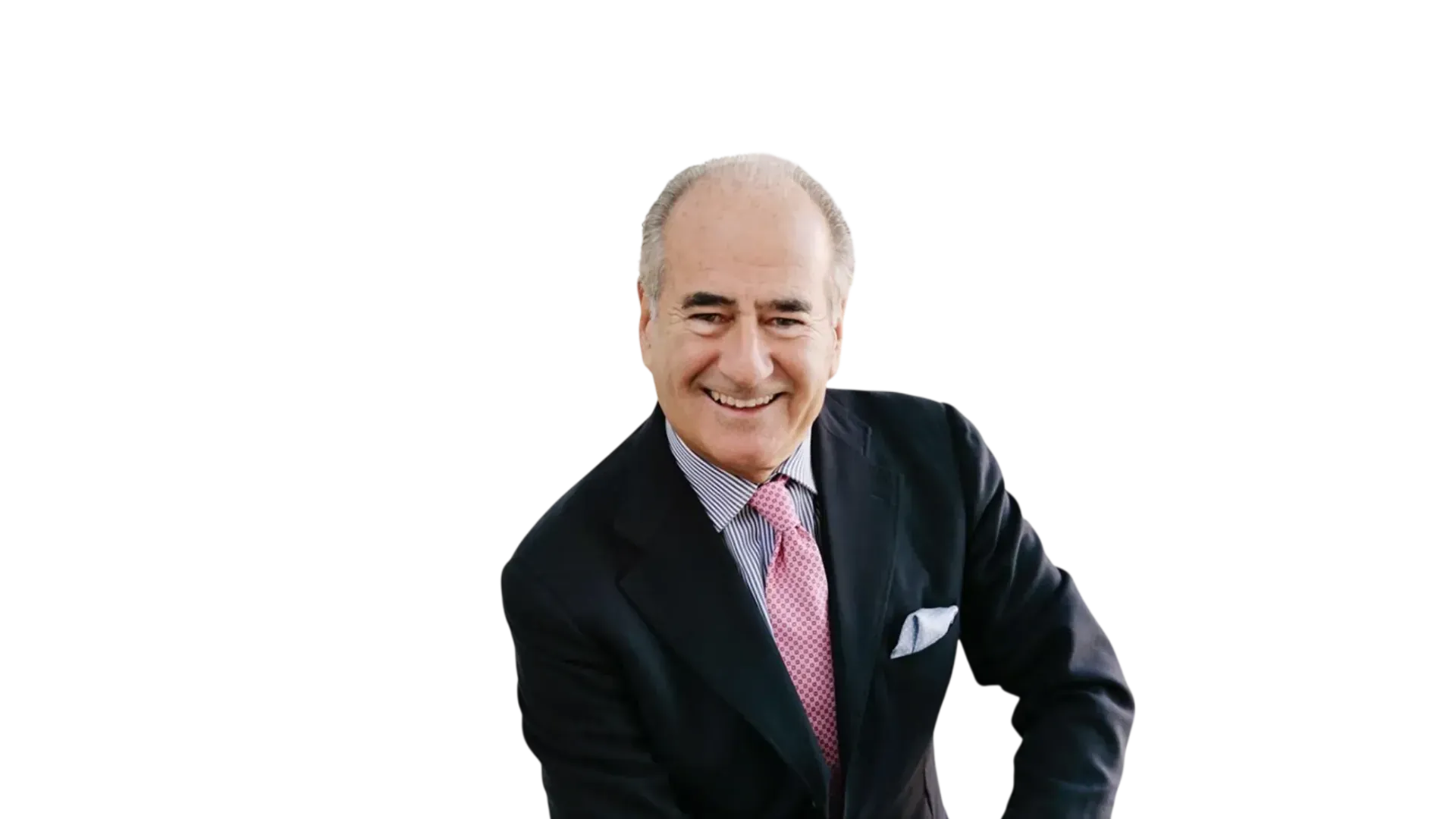
doctor de benito

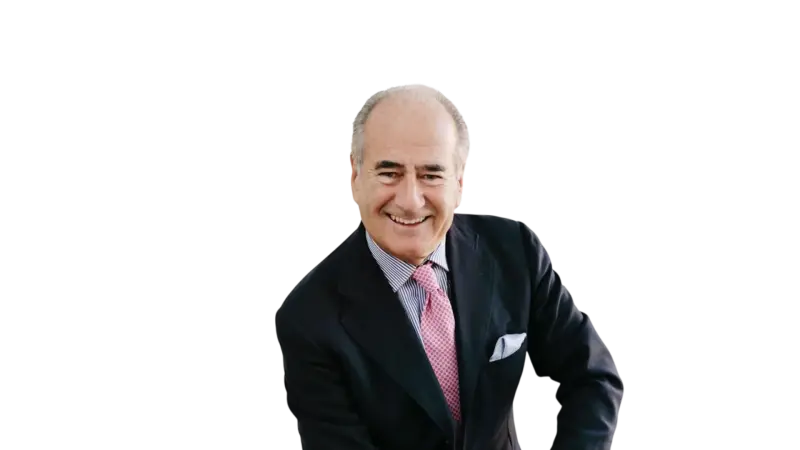
Dr. Javier de Benito

N.º de colegiación 8038

Plastic surgeon and medical director. International reference in facial surgery.

Excellent

Average rating: 4.8 / 5

Based on 651 reviews
GoogleFeed