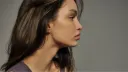
Rhinoplasty: Aesthetic and Functional Nose Surgery
Rhinoplasty is about harmonizing, giving proportions, and having a sweet and beautiful face
Starting from: 6,000€

Duration of surgery:
90-180 minutes
Recovery time:
7 to 14 days
Painless surgery:
Included
What is rhinoplasty?
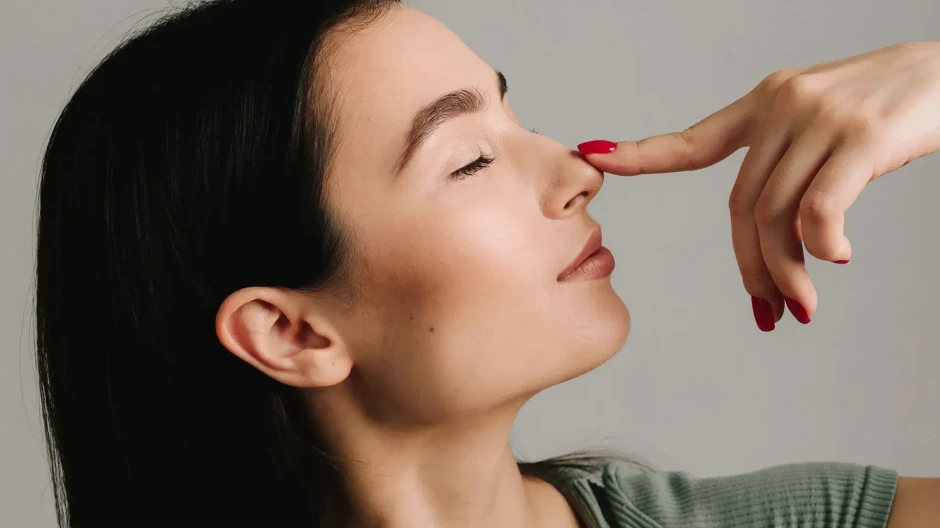
Rhinoplasty is a surgical procedure designed to improve the shape, size, and/or proportions of the nose when it causes a disproportionate, unharmonious, or unbalanced appearance in the facial profile.
At the Instituto de Benito, we use all techniques according to the anatomical characteristics of each nose: sometimes closed with ultrasonic for the dorsum, open conservative or combinations. There is no single model; each case requires personalized or combined techniques.
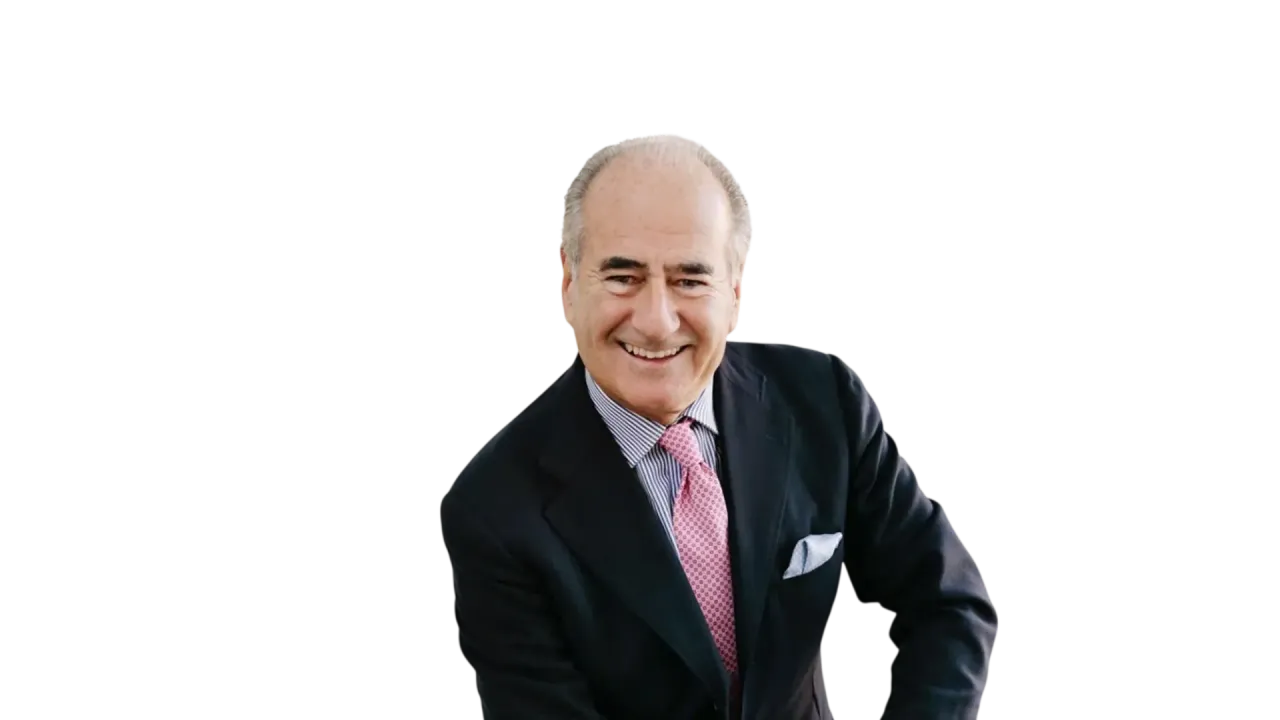
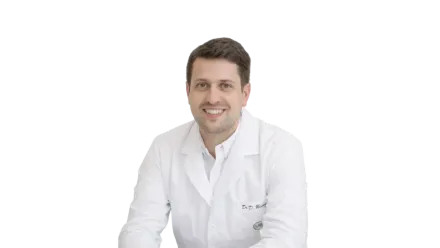
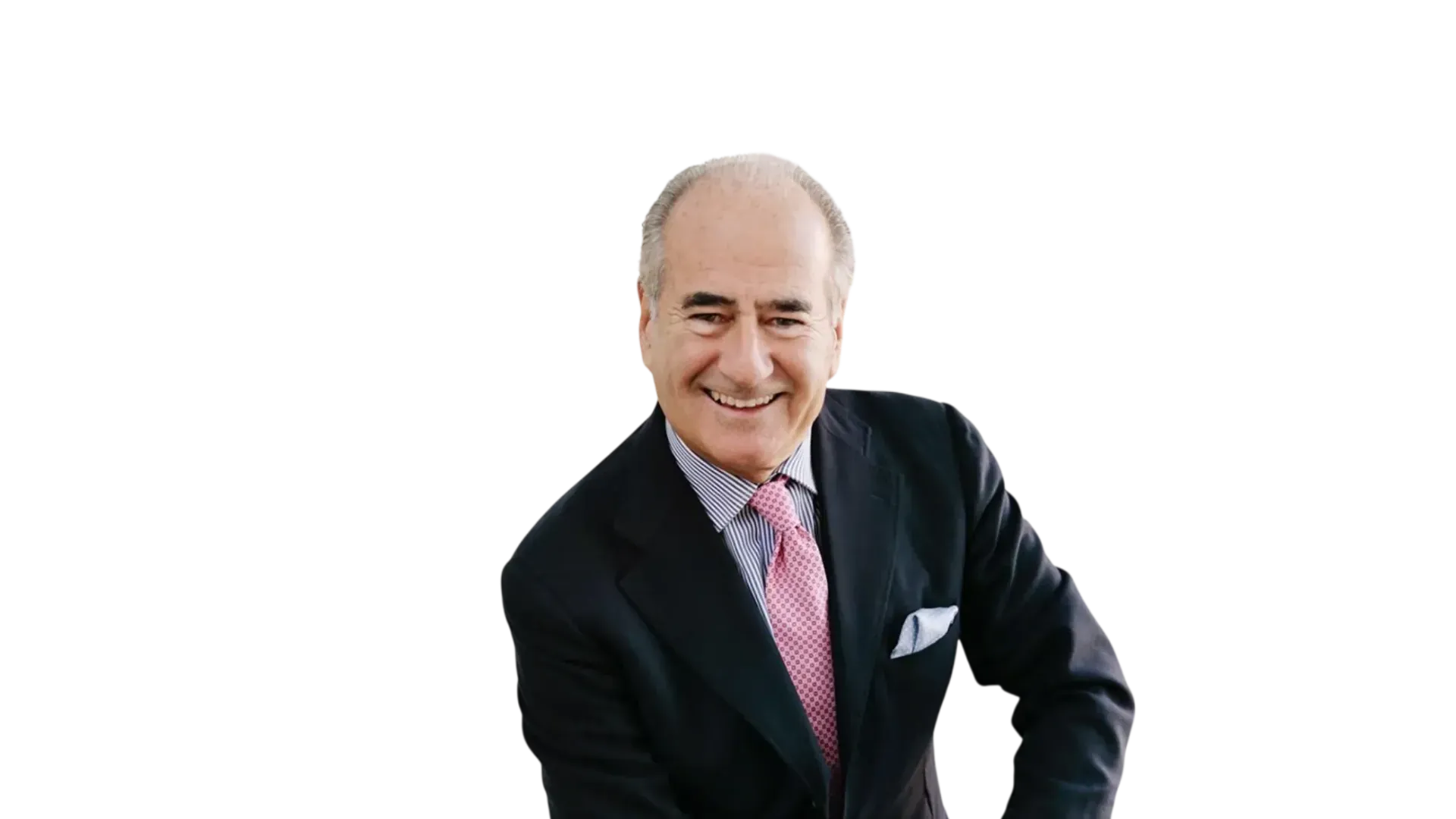
A good professional knows them all. Avoid those who say "I always use this technique for all noses." Each nose needs its personalized approach. -Dr. Javier de Benito
There are two main rhinoplasty techniques: open and closed.
The most important difference between them is that, in open rhinoplasty, a small incision is made in the columella (the skin that separates the nostrils). This mark may be visible during the first few weeks or up to a month and a half if the tip of the nose is not lifted, but it usually disappears progressively.
In some cases, as with any scar, it may be necessary to make a small touch-up with local anesthesia (similar to a visit to the dentist) if a slight relief or redness appears.
Types of rhinoplasty
Open rhinoplasty
A small external incision is made on the columella (the skin between the nostrils) to lift the skin and see the entire nasal structure.

Closed rhinoplasty
All incisions are made inside the nose; there are no external cuts.

Preservation rhinoplasty
Aims to preserve the natural anatomy of the nose instead of 'disassembling' it. Not as much bone or cartilage is removed.

Ultrasonic rhinoplasty
Ultrasonic instruments are used to cut the bone with millimetric precision, without damaging soft tissues.

What is the process of nose surgery at IdB?
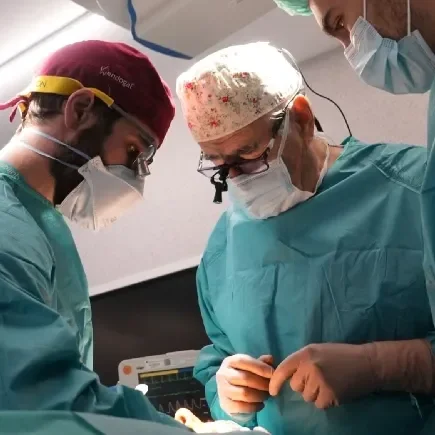
Nose surgery involves making incisions (internal or at the nasal base) to separate the skin from the bone and cartilage support, allowing the surgeon to sculpt the bone and cartilage according to aesthetic or functional goals. Once the structure is modified to reduce the bridge, refine the tip, or straighten the septum, the skin readapts to the new shape and an external protective splint is placed to stabilize the tissues during initial healing.
First visit

It consists of a first visit where the proportions and balances of the face are analyzed to determine the type of nasal surgery. It is explained to the patient, their wishes are heard, and what we consider optimal and why is proposed. This visit has a cost of €80
Preparation for the intervention

Before the surgery, all prior medical guidelines (medication, habits, care) are indicated so that the procedure is carried out under optimal conditions and with maximum safety.
The intervention

The intervention is performed under light general anesthesia, allowing the patient to return home in 2-3 hours with a nasal splint and, in 95% of cases, without packing or gauze.
Comfortable recovery

At the Instituto de Benito, we have developed an exclusive method to make the postoperative experience much more comfortable, significantly reducing discomfort and accelerating recovery.
Start seeing yourself as you want to feel.

There is no pain, only possible bruising around the eyes, but you can lead a normal life avoiding intense conversations, loud laughter, or movements of the nasal tip for 2-3 days. After 7-10 days, the splint is removed and normal life is resumed.
Preparation in your nose surgery


What is the price of rhinoplasty at IdB?
The indicative price of rhinoplasty at the Instituto de Benito starts from €6,000, and it can vary depending on various clinical factors that determine the final cost of the procedure.
Are you suitable for nose surgery?
Rhinoplasty is indicated for people who wish to improve facial harmony and nasal function in a natural and lasting way, when the shape, size, or breathing problems of the nose cannot be corrected with non-surgical treatments.
It is especially suitable if:
- 01
Nose disproportionate to the face
When the nose is too large, small, or dominant, it disrupts facial harmony. Rhinoplasty allows for balancing the proportions of the face and achieving a more harmonious profile.
- 02
Hump or irregularities on the nasal bridge
If there is a hump, depressions, or irregularities on the bridge of the nose, rhinoplasty allows for smoothing and regularizing the profile with a natural result.
- 03
Drooping, wide, or poorly defined nasal tip
A poorly projected, drooping, or excessively wide tip can give an aged or unrefined appearance. Surgery allows for precise definition and repositioning of the nasal tip.
- 04
Deviated or asymmetrical nose
When the nose shows visible deviations or asymmetries, whether congenital or after trauma, rhinoplasty allows for the recentering and harmonization of the nasal structure.
- 05
Breathing problems
If there are difficulties breathing through the nose due to a deviated septum or other internal alterations, functional rhinoplasty can improve both aesthetics and respiratory function.
- 06
Desire for a natural and lasting improvement
If you are looking for a visible yet elegant change that respects your features and enhances facial harmony with a stable result over time, rhinoplasty is an excellent option.
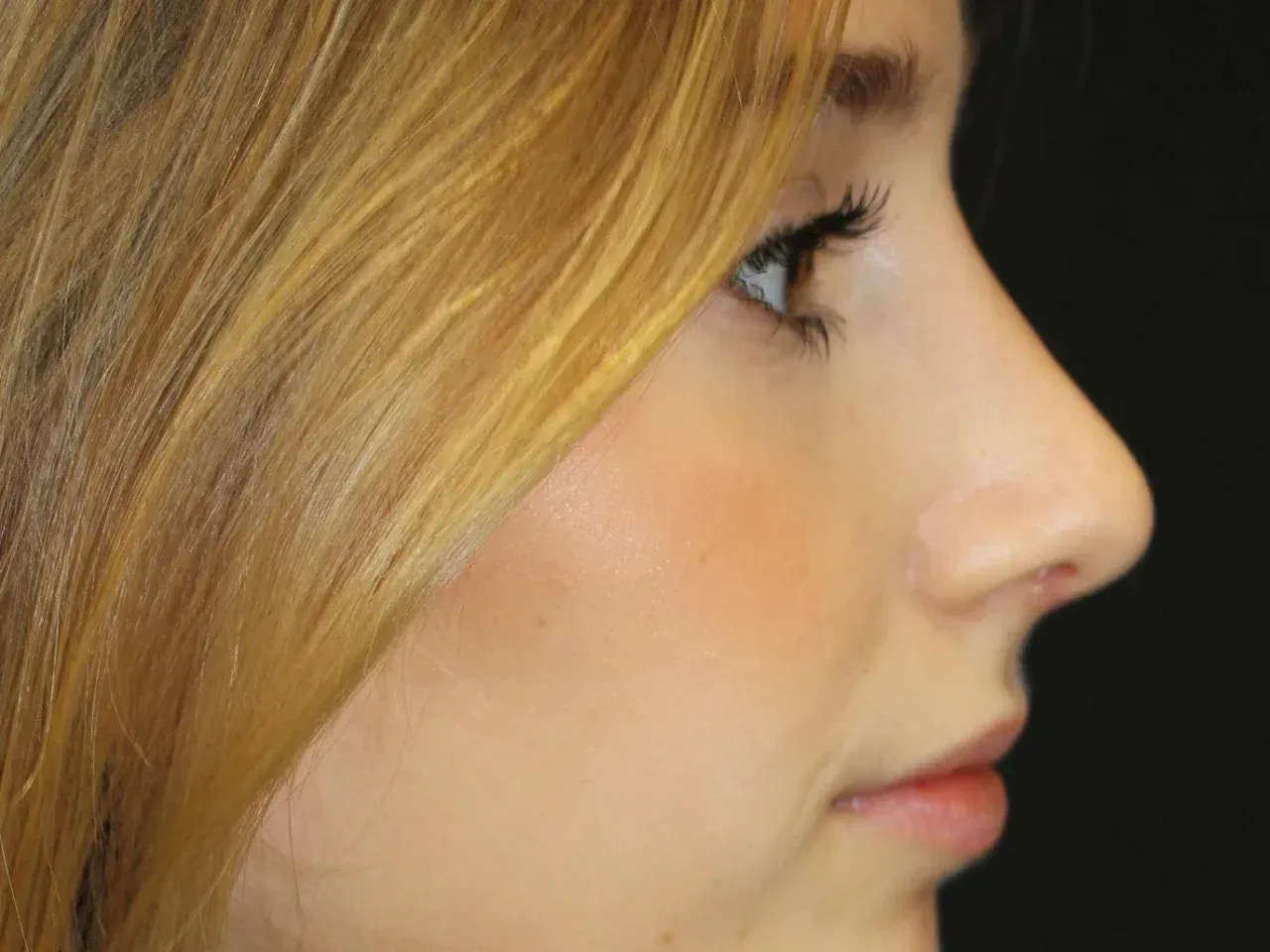
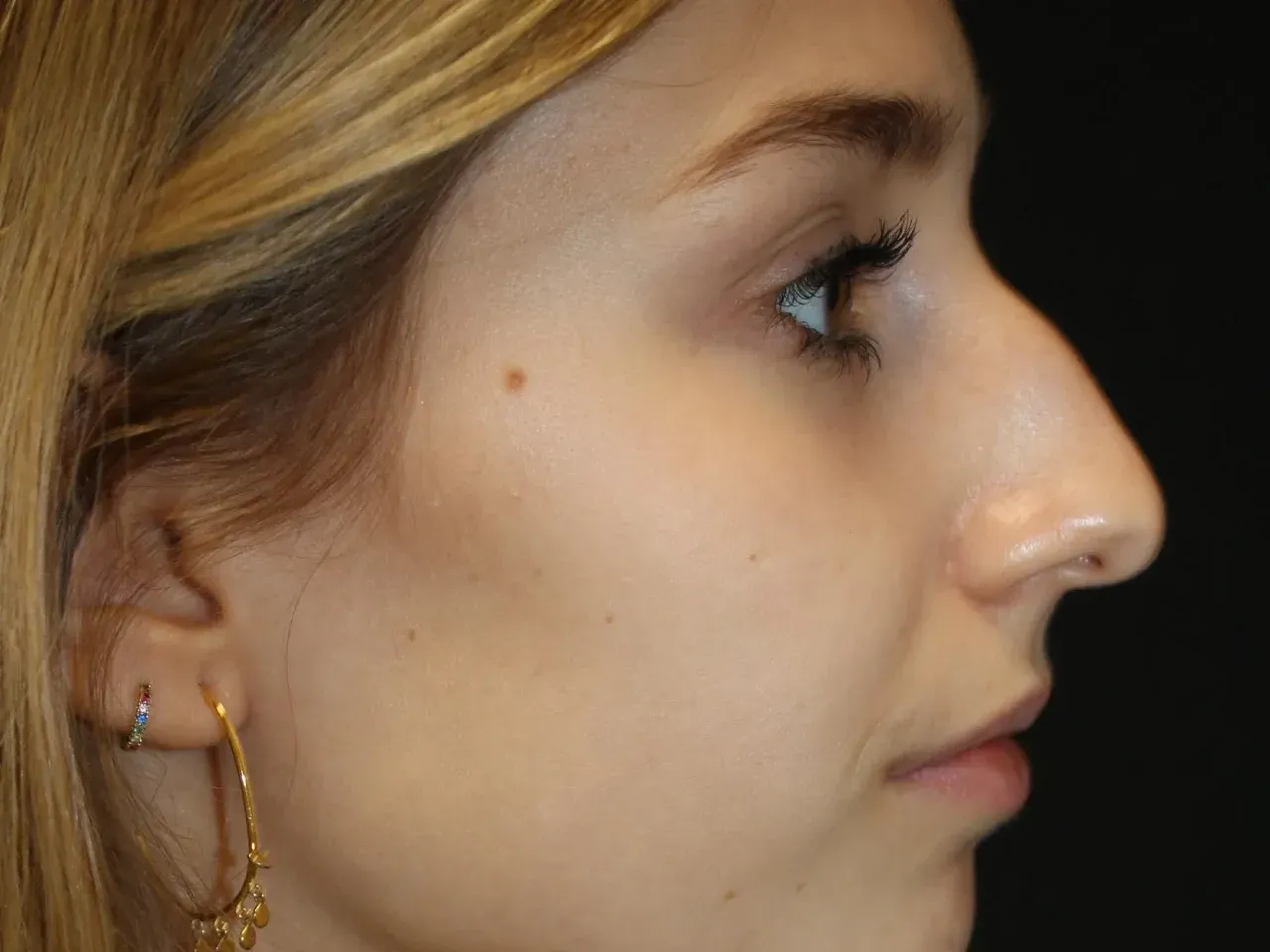
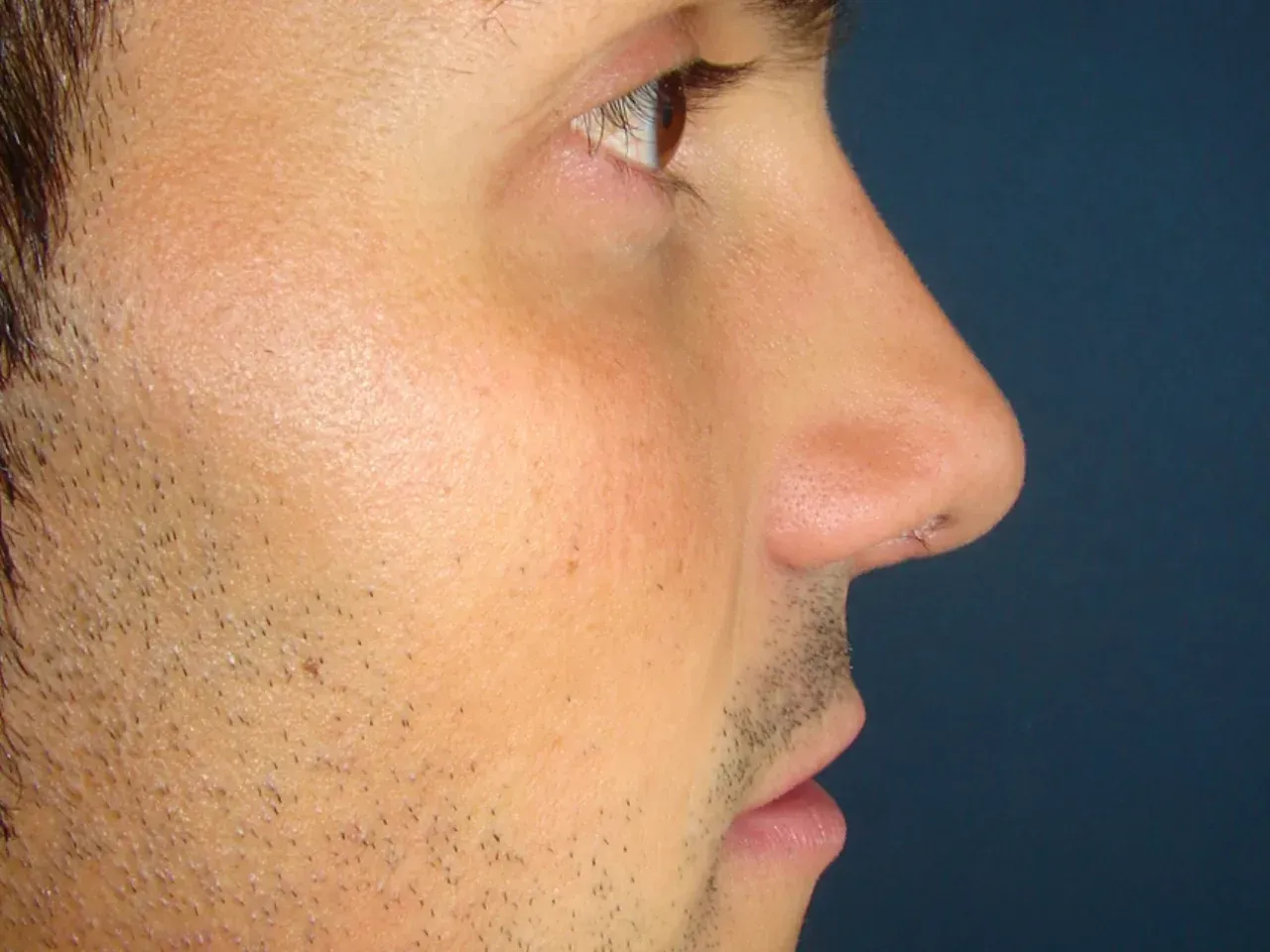
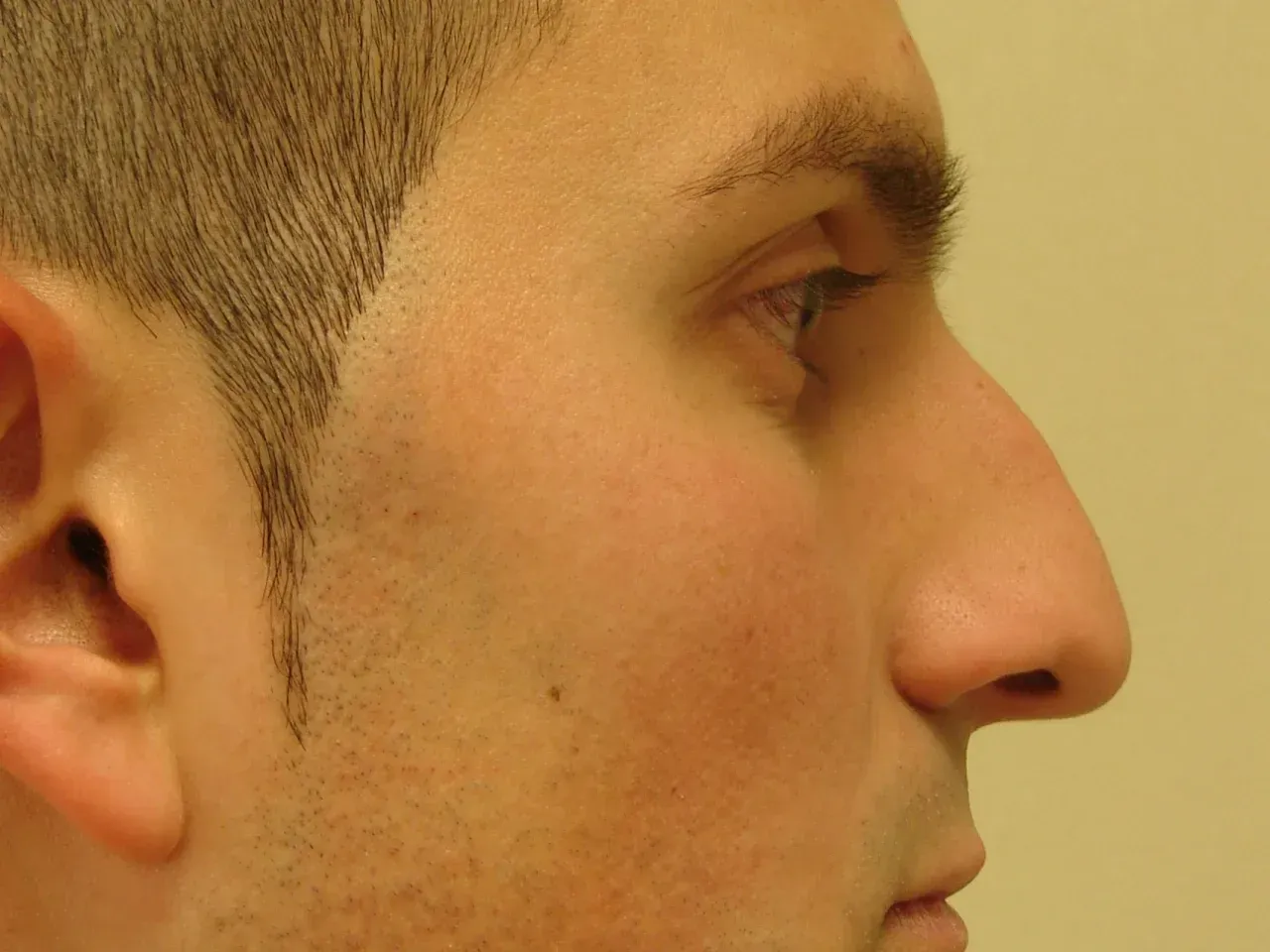
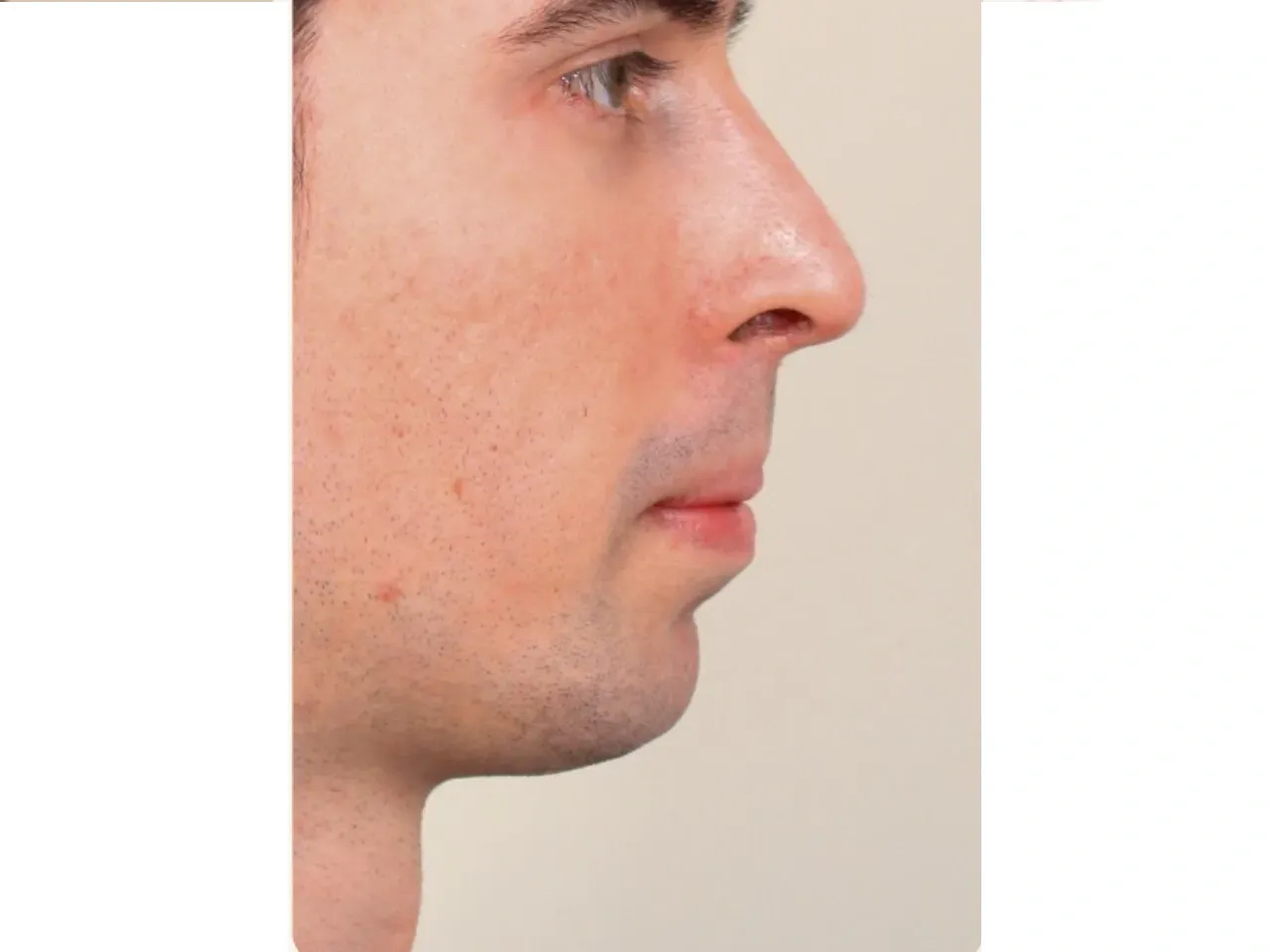
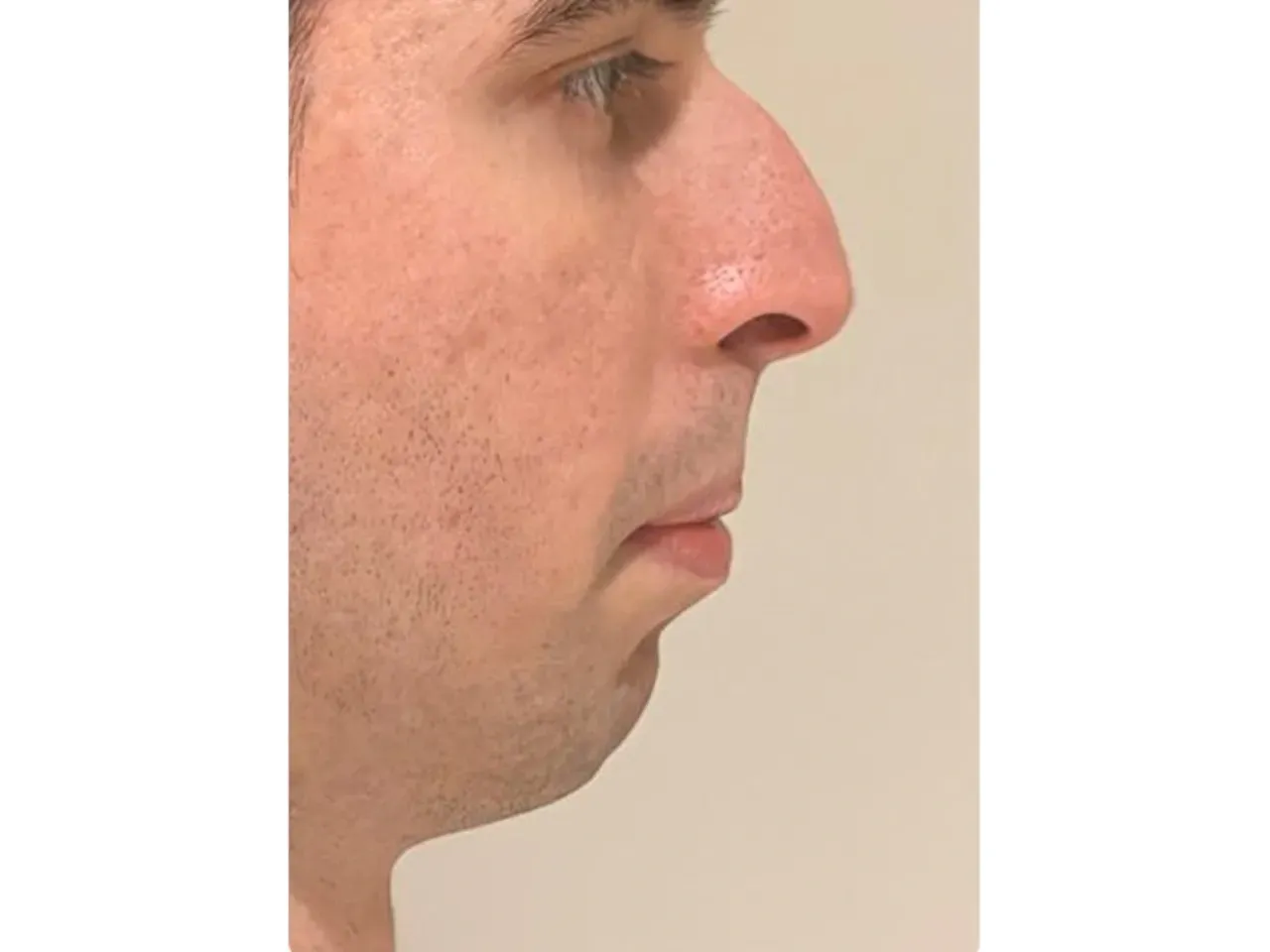
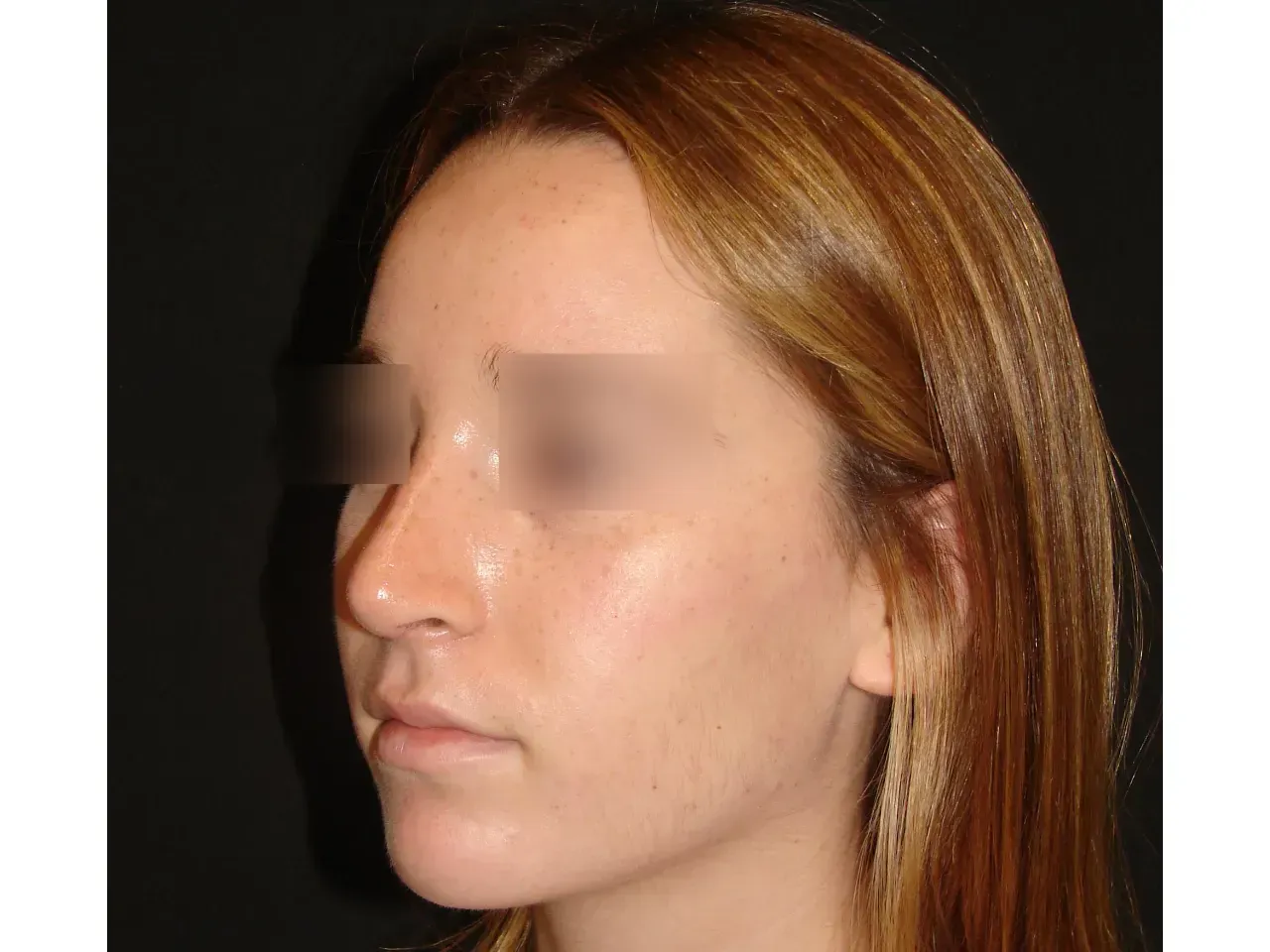
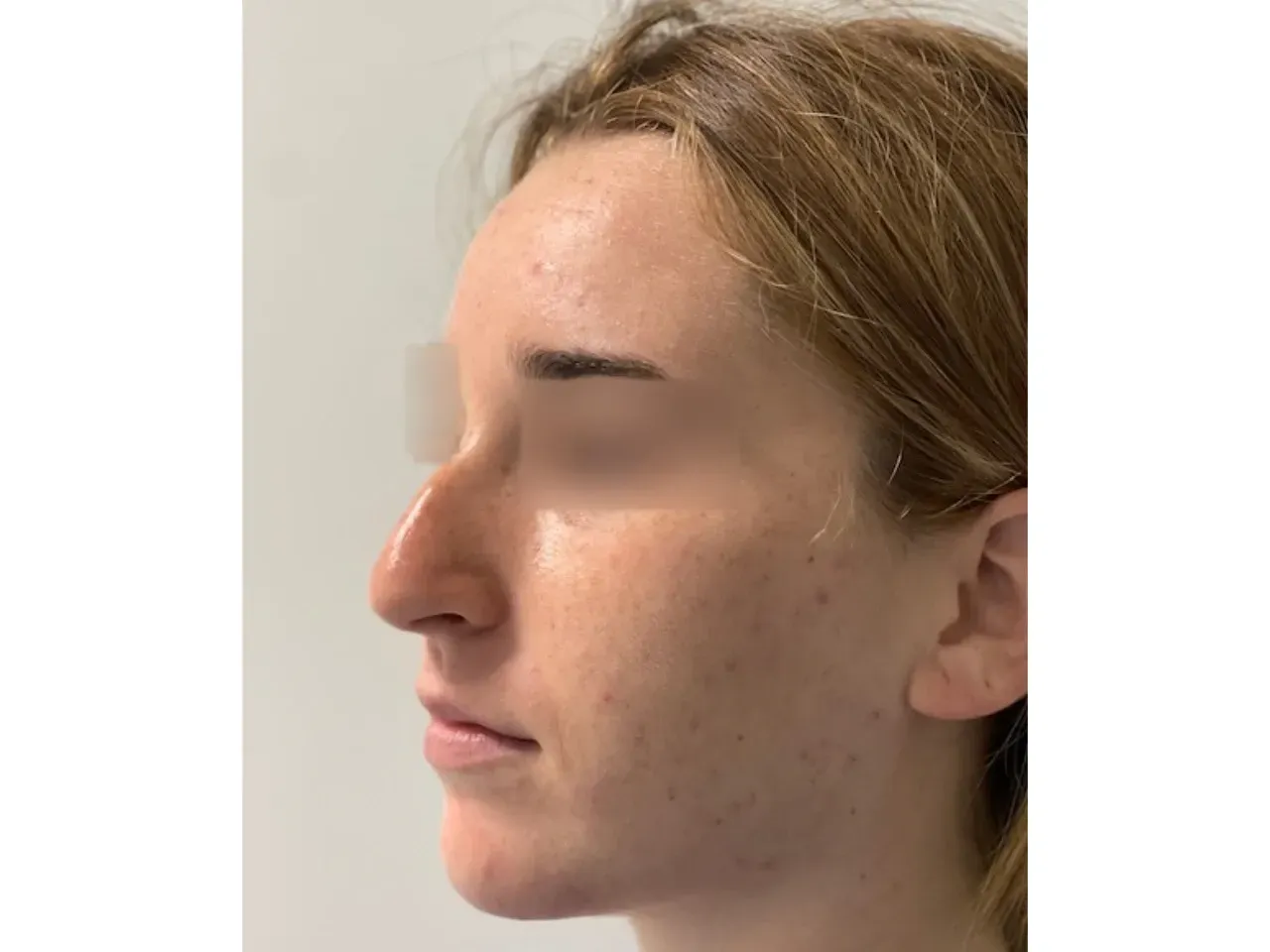
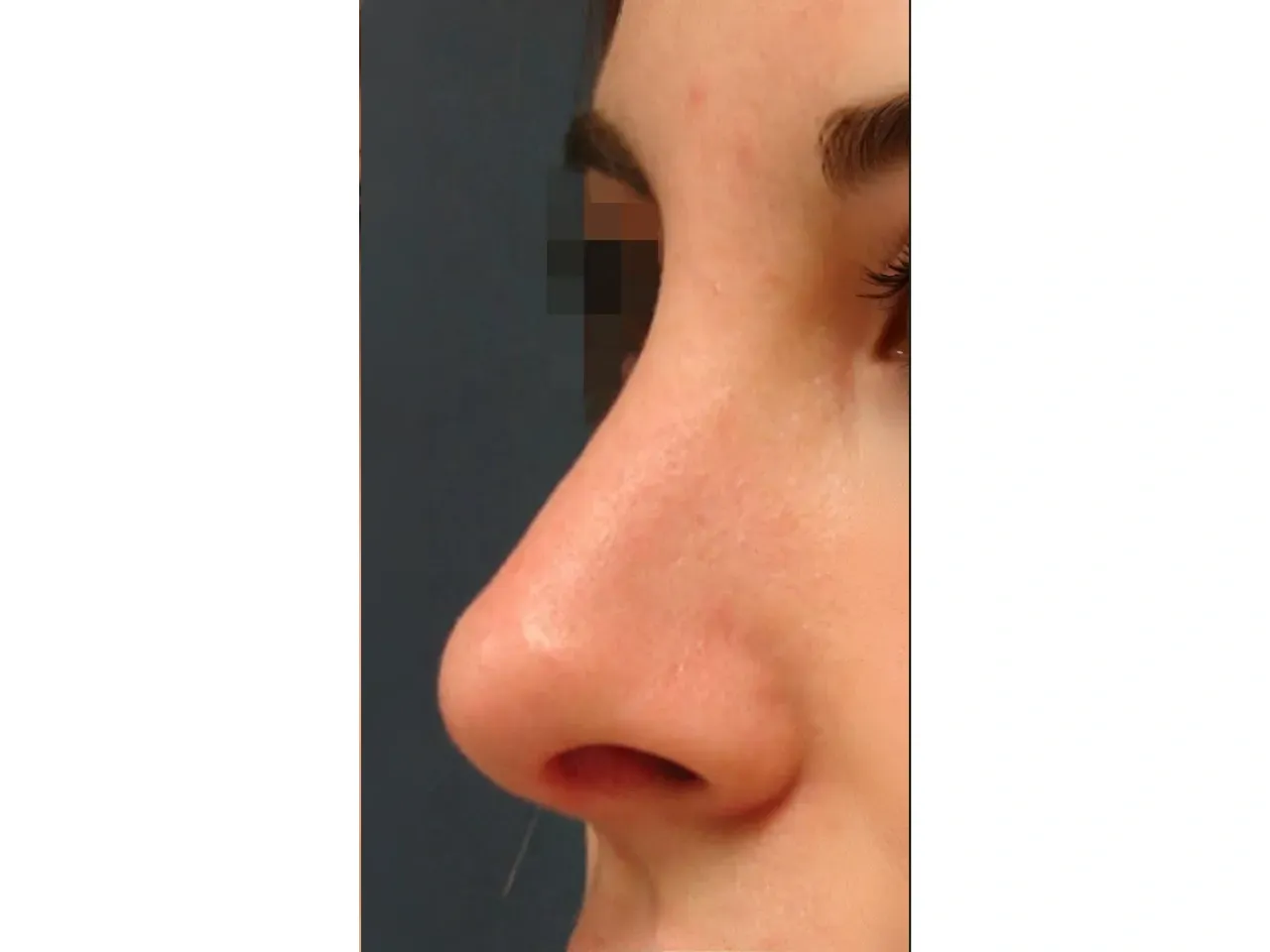
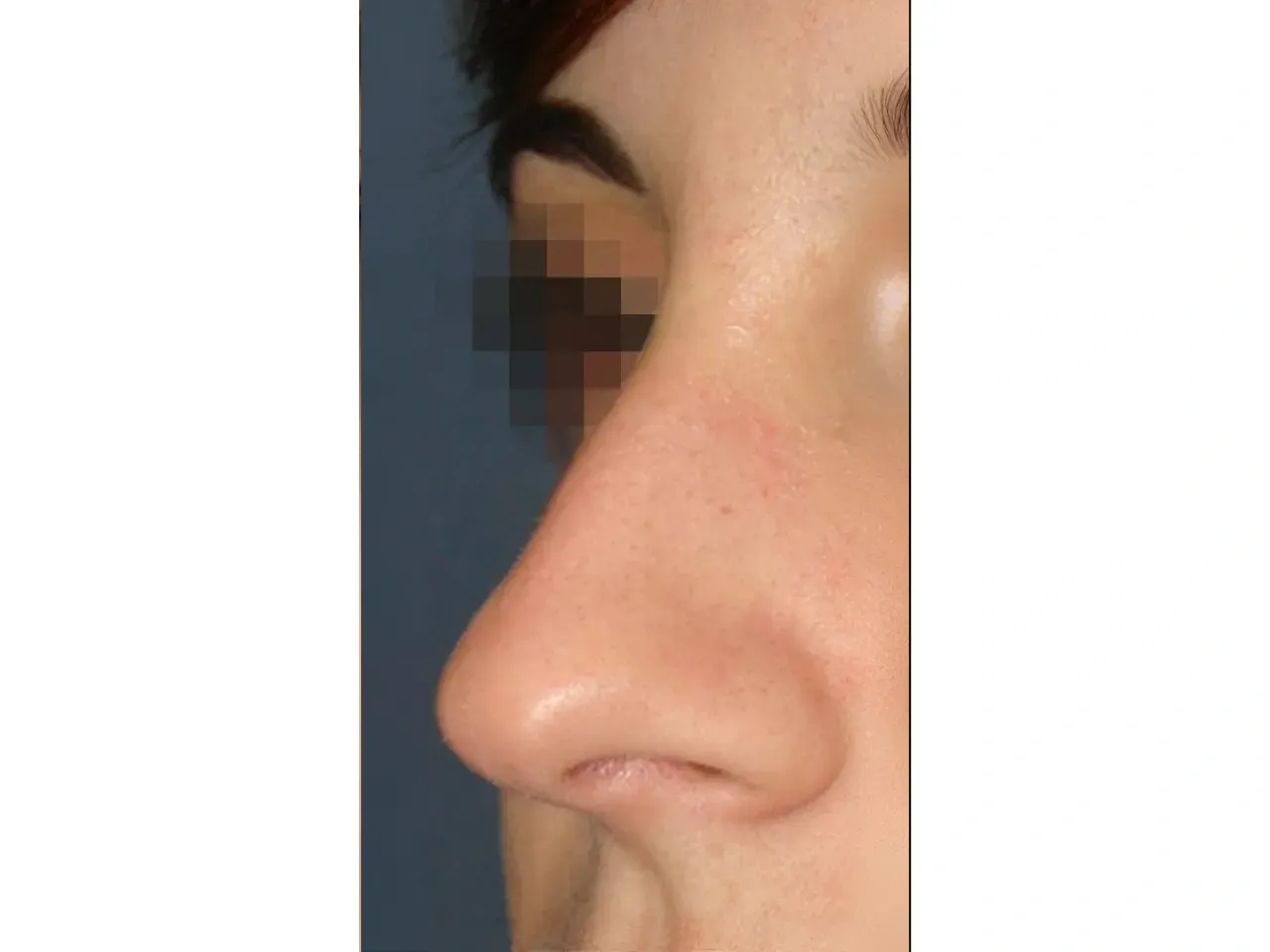
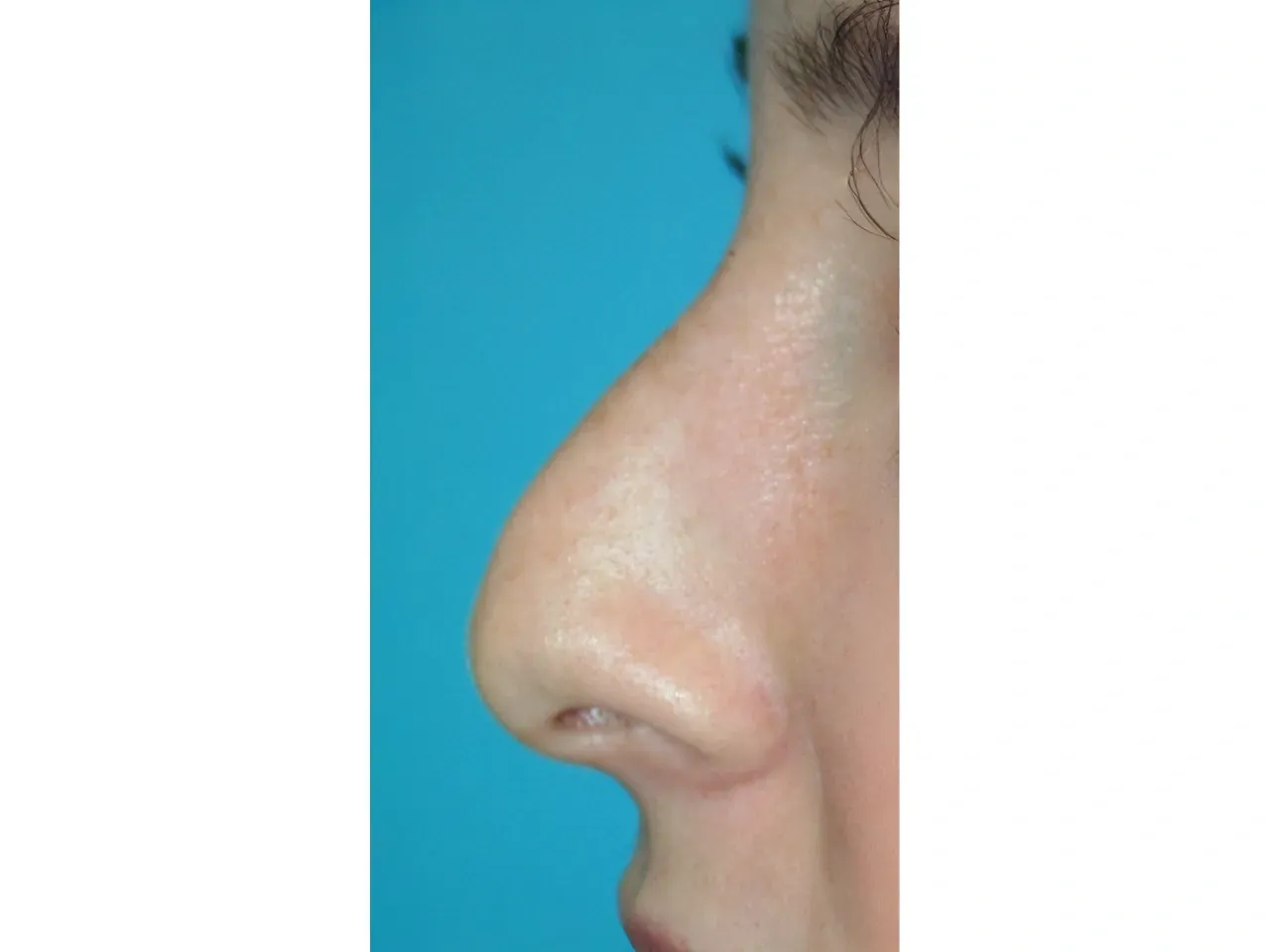
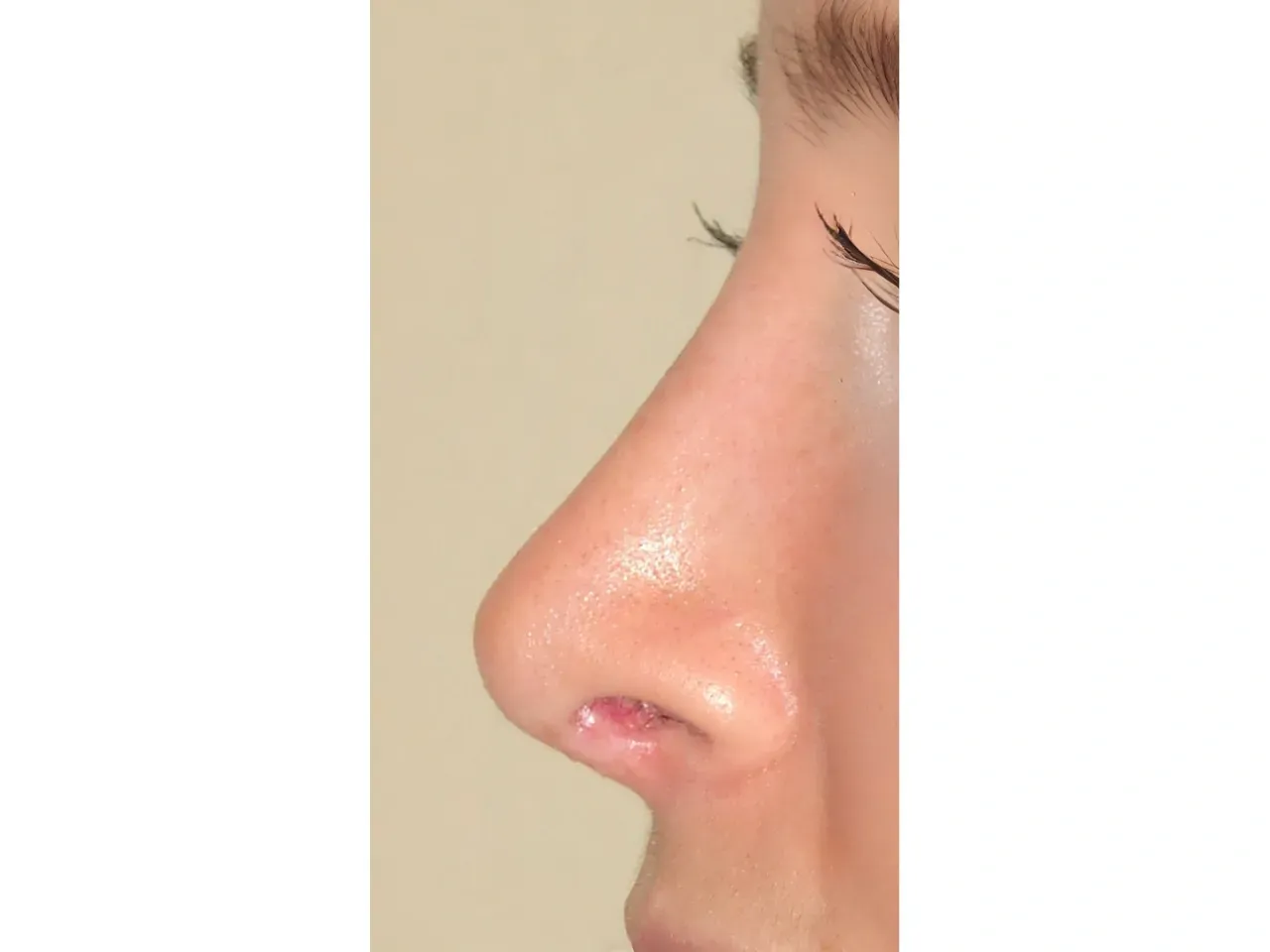
Before and after photos of rhinoplasty
Is a second rhinoplasty surgery possible?
At the Instituto de Benito, we have extensive experience in correcting and improving the results of rhinoplasties previously performed at other centers. Many patients come to us after procedures carried out in low-cost clinics with questionable reputations, seeking a safe solution, a functional and natural-looking nose, and surgery performed under the highest medical and surgical standards.

Our medical group nose surgery
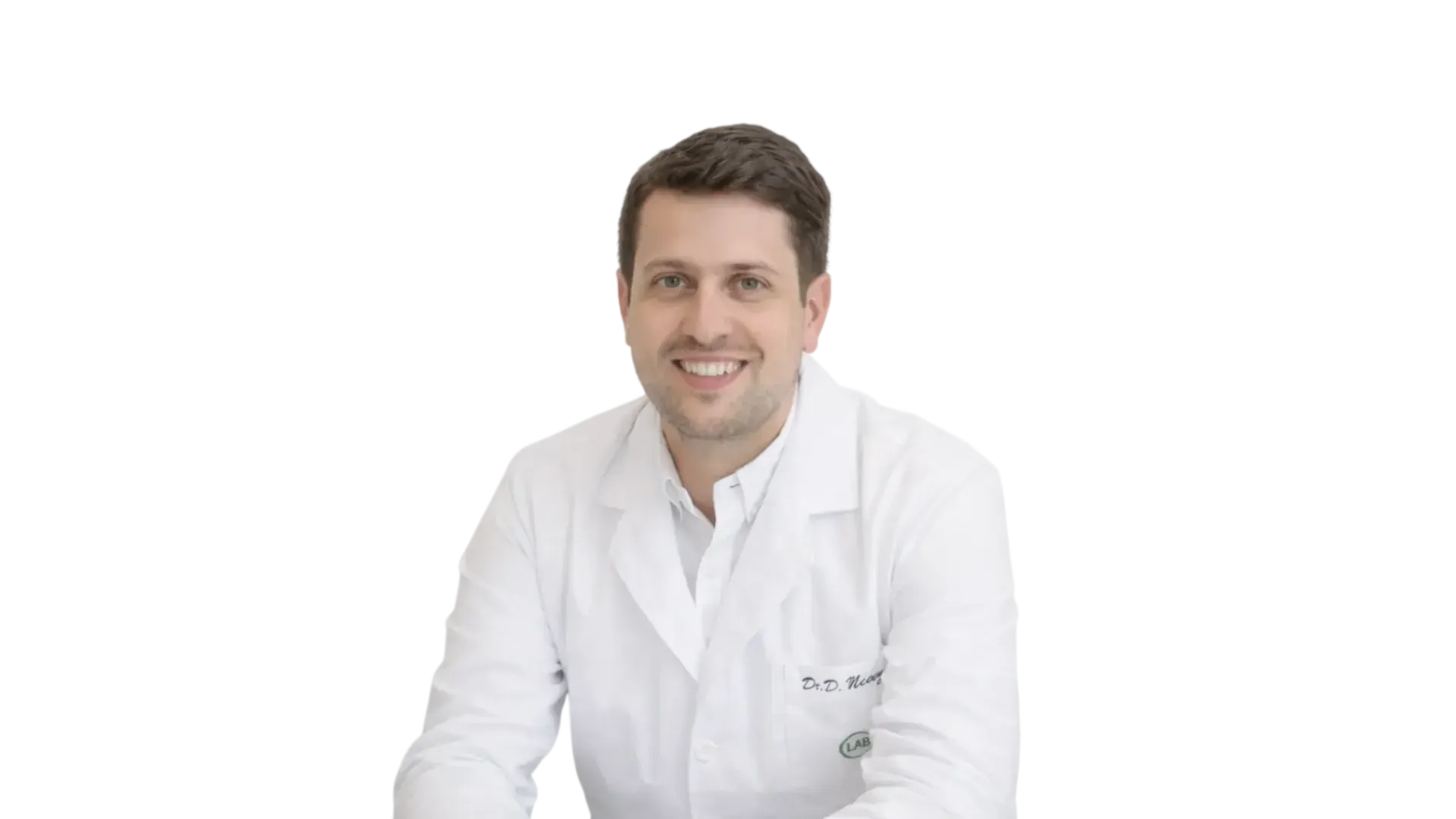
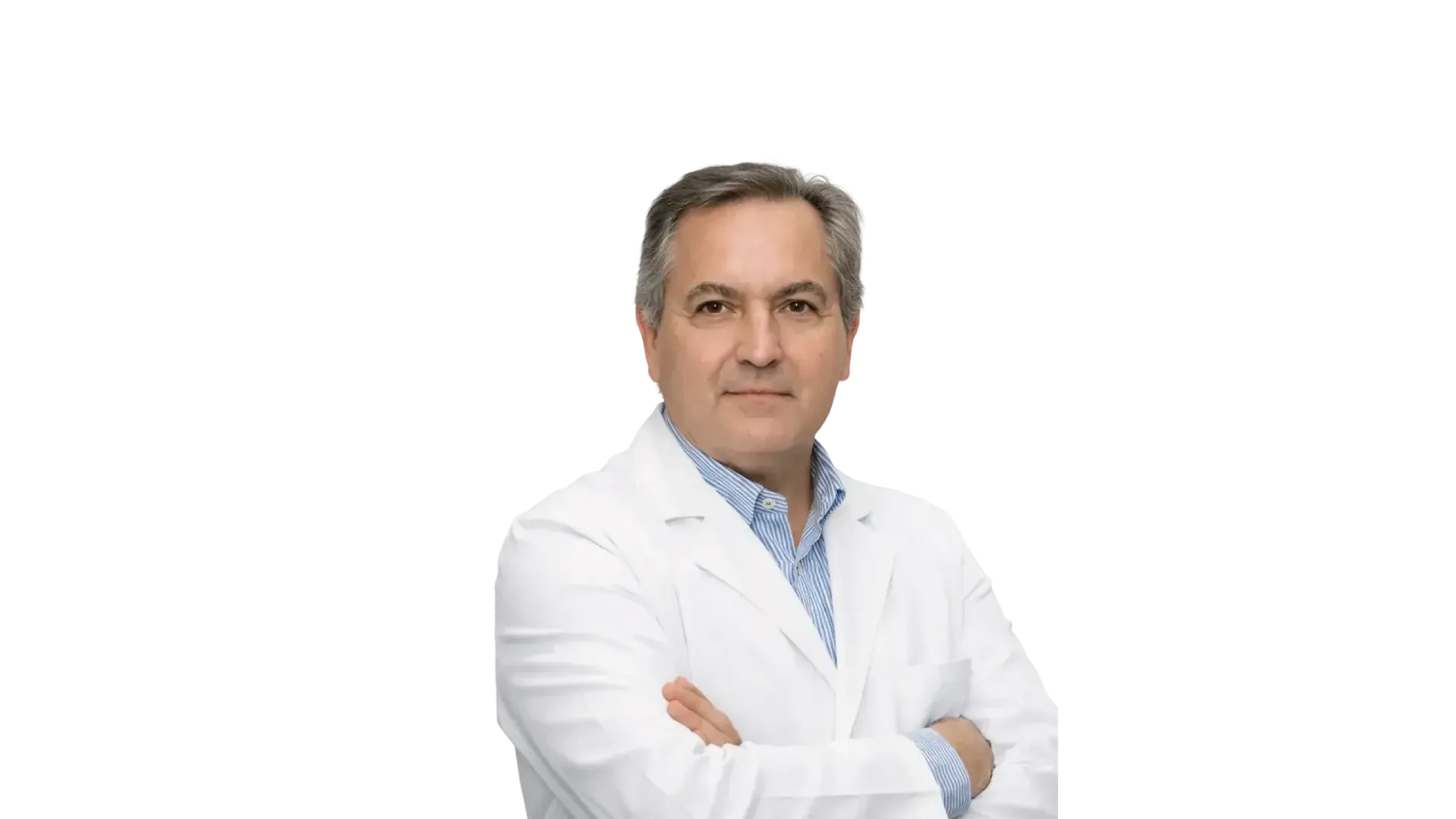
Choosing the IdB rhinoplasty team means trusting in experience, precision, and medical judgment. We have surgeons with over 35 years of experience, capable of evaluating each case expertly and personally.
Because it's not just about changing a nose, but about enhancing facial harmony while respecting each person's identity.
Commitment to rhinoplasty at IdB
Safety is the cornerstone at the Instituto de Benito. All patients undergoing rhinoplasty surgery undergo rigorous preoperative tests and thorough follow-up in postoperative check-ups, allowing for early detection of any possible complications and acting with maximum efficiency.
Additionally, the experience of our surgeons, with over 35 years in plastic surgery and facial surgery, ensures high-quality interventions even in complex cases, with natural, harmonious, and lasting results.
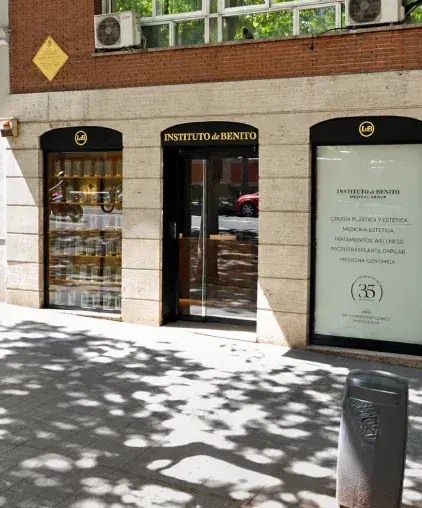
Where to have a nose surgery
Related treatments
Frequently asked questions about rhinoplasty
What results can I expect?
A more harmonious, proportionate nose in balance with your face. The final result is progressively appreciated and usually consolidates between 3 and 6 months, as the internal and external swelling completely disappears.
Does rhinoplasty hurt a lot?
The discomfort is usually mild or moderate and is easily controlled with medication and our advanced recovery protocols. Most patients resume their social life in 7–14 days.
Will I be able to breathe normally after the surgery?
Yes. At the Instituto de Benito, we are the only clinic that does not use nasal packing, so you will be able to breathe normally from the first moment after the intervention.
What are the risks of rhinoplasty?
Rhinoplasty is a safe procedure when performed in specialized centers and by accredited surgeons, but like any surgery, it involves potential risks.
At the Instituto de Benito, safety is a priority and all procedures are carried out under strict medical and control protocols, minimizing complications.
Most common (and generally mild) risks
- Hematoma or minor bleeding.
- Temporary nasal swelling and congestion.
- Temporary alterations in sensitivity at the tip or skin of the nose.
- Mild asymmetries during the healing process.
- Stiffness or tightness in the nose during the first few weeks.
Uncommon risks
- Infection.
- Delayed healing.
- Adverse reaction to anesthesia.
- Irregularities in the nasal contour.
- Need for touch-up or revision surgery in a small percentage of cases.
How long do the results last?
The results of rhinoplasty are permanent. The reshaped nasal structure does not return to its previous form.
Are the scars noticeable?
No. In most cases, the scars are internal or practically imperceptible and become completely concealed over time.
Can I combine rhinoplasty with other treatments?
Yes. It can be combined with mentoplasty, blepharoplasty, or facial rejuvenation treatments, always under personalized medical evaluation.
What happens if I gain or lose weight afterwards?
Weight changes do not significantly affect the outcome of a rhinoplasty.
How long does full recovery take?
Most patients return to normal life in 7–14 days, but the final result is consolidated between 3 and 6 months.