Bichectomy: a more defined facial contour

Thinking about having a bichectomy?

Bichectomy removes part of the buccal fat pads to slim the middle third of the face, and not every case is a candidate. During your consultation we assess whether your facial volume is really due to this fat or to another cause, because that determines whether the result will be the one you expect.

From: 3.500 € VAT not included

Excellent · 844 Google reviews
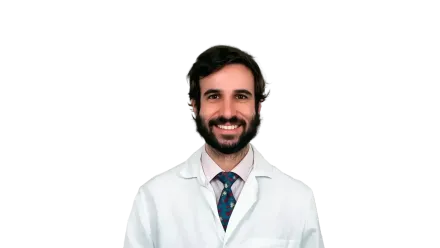
Dr. Javier de BenitoDr. Álvaro Sada MalumbresDr. Antonio Martínez MurilloDr. David Neagu
Our team of surgeons
bichectomia
Loading form...

Surgery duration:

60-90 minutes

Recovery time:

4 to 7 days

Synapta® protocol:

Included in Barcelona

Anesthesia:

Local

Hospital stay:

Same-day discharge

Social life:

In 5–10 days

What is a bichectomy?

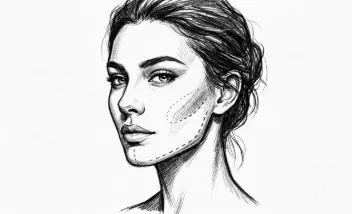
Bichectomy (buccal fat removal) is a cosmetic surgical procedure that involves partially removing the buccal fat pads (Bichat's fat pads), pockets of fat located in the middle of the cheeks, in order to slim and define the facial contour.

It is performed through a small incision inside the mouth, so it leaves no visible external scars. The result is a slimmer-looking face with greater definition in the cheekbone area and the angle of the jaw.

It is indicated for people who want to reduce cheek volume that does not respond to weight loss and who are looking for a more defined, harmonious facial profile.

Types of buccal fat pad surgery

Intraoral removal

A small incision is made inside the mouth, usually in the inner lining of the cheek. Through this opening the surgeon reaches the buccal fat pad and partially removes it. It leaves no visible external scars.

bichectomia con extracción intraoral

Personalized partial bichectomy

Instead of removing all the fat, the specialist removes only part of it to avoid an overly hollow or aged appearance.

Bichectomía parcial personalizada

Combined removal

In some cases it is performed together with other surgeries or aesthetic treatments (for example, facial harmonization), with the aim of improving the overall contour of the face.

Extracción combinada

How much does a bichectomy cost and what does it include?

3.500 €

VAT not included

Bichectomy at Instituto de Benito starts from €3,500, varying according to the technique used, the type of anesthesia, the length of the procedure and the tests and follow-up included, and is adapted to each patient.

What the treatment plan includes:

  • Specialist physician's fees
  • Fees for the rest of the medical team
  • Materials specified in the quote
  • Operating room
  • Anesthesia
  • Private room stay if required
  • Medication during your stay at the center
  • Wound care with the nursing team
  • Follow-up visits with the specialist
  • Preoperative tests (blood work, ECG, X-ray, etc.)

What is not included:

  • Assessments or clearances from other specialists, if needed
  • Medication after discharge
  • Post-surgical garments (facial band, etc.), unless otherwise specified
  • Complementary recovery treatments (lymphatic drainage, physiotherapy, laser, etc.)
  • Combined procedures not covered in the initial quote (double chin liposuction, lip lift, facial filler, etc.)
  • Costs arising from medical complications not attributable to the surgical procedure
  • Reoperations or touch-up surgeries not initially planned
  • Unplanned additional stays
  • Travel, accommodation or meals for the patient and companions
  • Sick leave, certificates or additional administrative paperwork
  • Any material or procedure not expressly specified in the quote

You can finance this procedure at 0% interest. See the options on our financing page.

*Prices valid in 2026. The exact price is given after the visit, once the surgeon has assessed your case.

Cargando formulario...

What does buccal fat pad removal involve at IdB?

Bichectomy is performed through a small incision inside the mouth, at cheek level, which gives access to the buccal fat pads without leaving visible external scars. Through that opening, part of the fatty tissue is removed in a controlled way, adapting the amount to each person's facial structure to achieve a balanced, natural result. It is an outpatient procedure, usually performed under local anesthesia, and it is short.

01

Personalized medical assessment

Valoración personalizada

Before buccal fat pad surgery, the consultation takes place with the surgeon who will perform the procedure. In this visit the facial structure is analyzed and it is determined whether the procedure is suitable for achieving a harmonious result. To book the appointment, a payment of €80 is required in advance. If you cannot travel, the first visit can also be done by video call with the surgeon who would operate on you: it costs €50, which is deducted if you decide to have surgery.

02

Ultrasound analysis (optional)

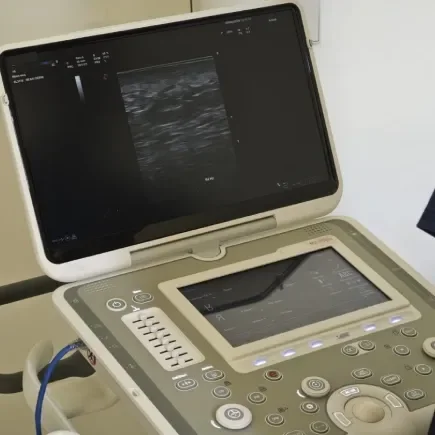
Ecografía con NESAI®

NESAI ultrasound analyzes the condition of your face in depth: we measure collagen density, assess the impact of actinic (sun-related) aging and check your hydration reserves.

03

Preparing for the surgery

Preparación de la intervención

The preoperative medical tests are carried out and you are given all the instructions you need to arrive at surgery with the greatest possible safety and peace of mind.

04

The surgery

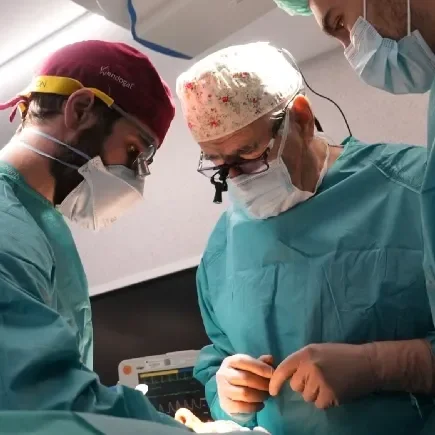
El Dr. Javier de Benito operando

The procedure is performed in an operating room, under local anesthesia and with continuous patient monitoring.

05

Comfortable recovery

Protocolo Synapta® en cirugía facial

In Barcelona we apply the Synapta® protocol to make the post-op period more manageable.

06

Start seeing yourself the way you want to feel.

verte como quieres sentirte

After surgery, a recovery process begins, closely supported by our medical team, with regular check-ups to ensure proper progress and a stable, natural and long-lasting result.

Bichectomy with Synapta®: a more manageable recovery

Traditionally, bichectomy has been associated with a recovery involving swelling, a feeling of pressure and some discomfort in the cheek area. At Instituto de Benito we have evolved this experience with Synapta®, an approach developed by specialists to support the body during recovery.

How is recovery after a bichectomy improved?

Unlike approaches focused solely on medication, Synapta® works on the body's response after the procedure. Through specific techniques applied at key points, the aim is to make the post-op process more manageable and gradual, especially in an area as delicate as the face.

  • Relief of tension in the treated area: We work on the cheek area and the facial muscles to reduce the feeling of pressure or swelling, making recovery more comfortable.
  • Improved tissue condition: Oxygenation and drainage are encouraged, helping to reduce swelling and optimize the natural recovery process.
  • Gradual, functional recovery: The goal is to support you so that you return to your routine gradually, respecting the body's own timing and improving how you feel overall during the process.
Every bichectomy case is different, so a personalized consultation is needed. These protocols aim to slim the facial contour and, at the same time, provide a comfortable recovery adapted to each patient.

*Synapta® is included in surgeries performed in Barcelona.

Carlos Alsina

Preparation and recovery: the IdB protocol

Before surgery

Before the procedure, a personalized facial consultation is carried out to analyze proportions, cheek volume and aesthetic expectations. Your general health is reviewed, and you are advised to avoid anticoagulant medication, alcohol and tobacco in the days beforehand to support proper healing. Basic oral hygiene guidelines are also given before the procedure.

Before surgery

After surgery

After surgery it is normal to have swelling and slight tenderness in the area during the first few days. Because it is performed through an intraoral incision, you are advised to maintain careful oral hygiene, follow a temporary soft diet and avoid strenuous exercise at first. The swelling goes down progressively and the result becomes visible gradually as the swelling in the face subsides.

aumento de labios

Are you an ideal candidate for buccal fat pad removal at IdB?

Surgery is recommended in the following cases:

  • 01

    Excess volume in the cheeks

    If your cheeks keep a rounded appearance even with changes in weight, bichectomy can help slim the middle third of your face.

  • 02

    Poorly defined face

    When the cheekbones and facial contour are not clearly defined, reducing the buccal fat pads can provide greater definition.

  • 03

    Desire for a slimmer face

    Indicated for those looking for a more sculpted, harmonious appearance without altering their facial identity.

  • 04

    Structurally prominent cheeks

    Ideal in cases where the volume is not superficial but deep and determined by anatomy.

  • 05

    Seeking greater cheekbone projection

    By reducing the volume below, the upper structure of the face is visually enhanced.

  • 06

    Realistic expectations and a proper consultation

    It is essential to have a professional assessment confirming that the procedure is suitable for your type of face.

Pómulos más marcados

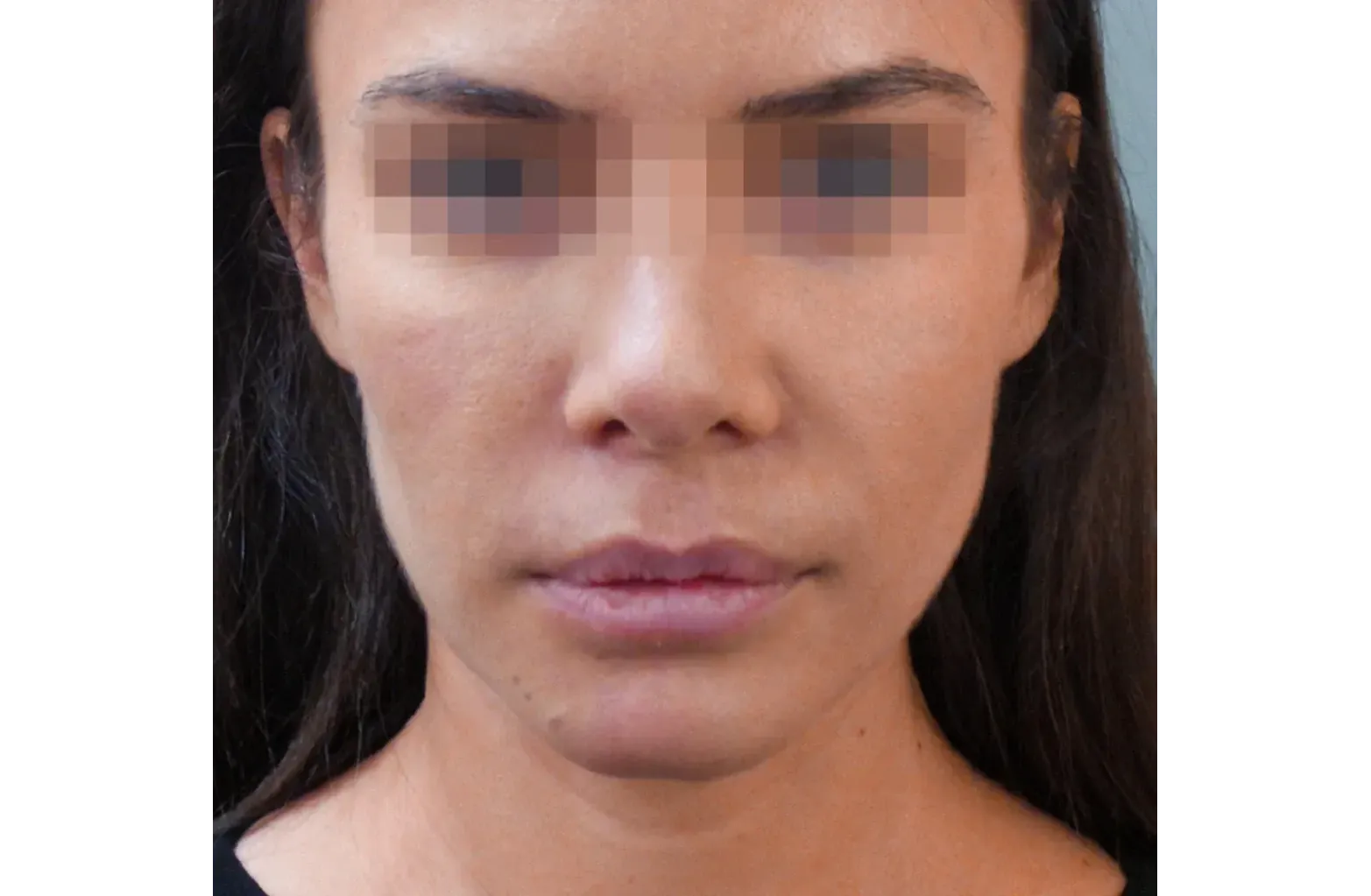
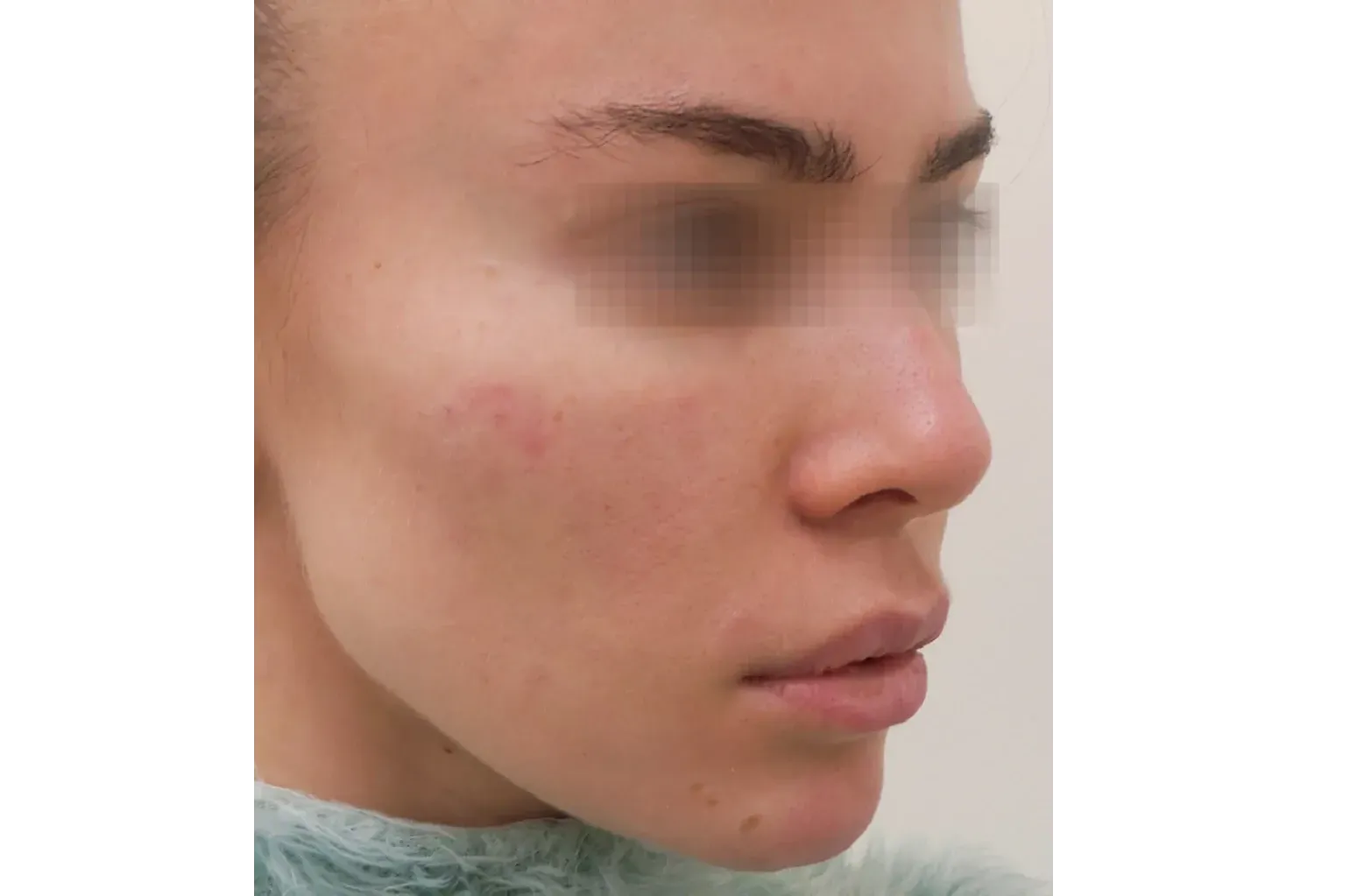
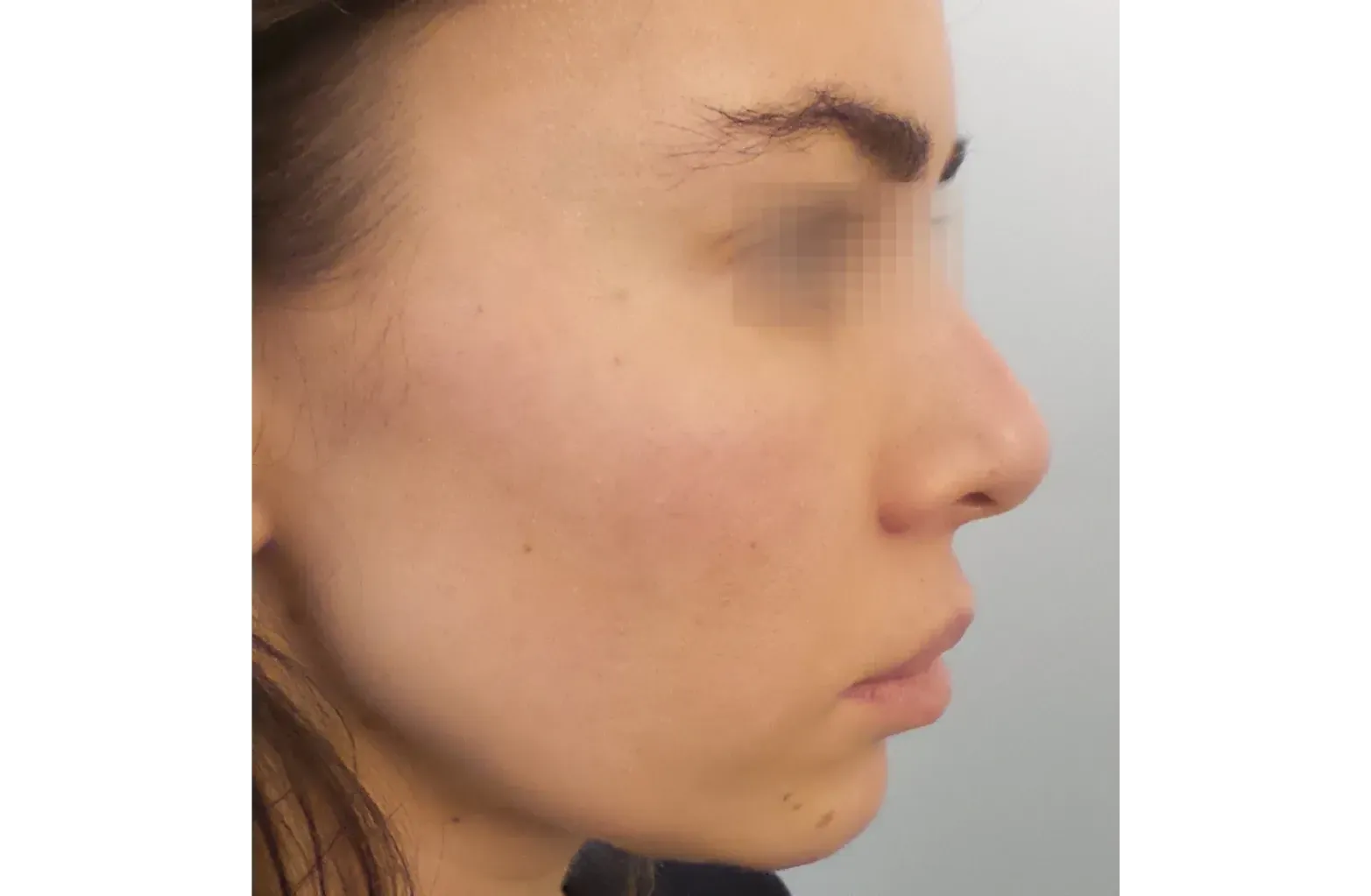
Bichectomy before and after photos

Después de extracción de boals de bichar
antes de bolas de bichar

Maria, 32, Barcelona

Buccal fat pad removal

despues de bolas de bichar
Antes de bolas de bichat

Maria, 32, Barcelona

Buccal fat pad removal

See more real cases

Live outside Barcelona or Madrid?

You can also have your bichectomy with us

Start with a video consultation with our surgeons. The surgeon who will operate on you assesses your case, answers your questions and gives you an exact, personalised quote. No travel needed for the first visit.

50 €

video consultation with your surgeon

Book a video consultation
Dr. David Neagu

Dr. David Neagu

Facial and maxillofacial surgery

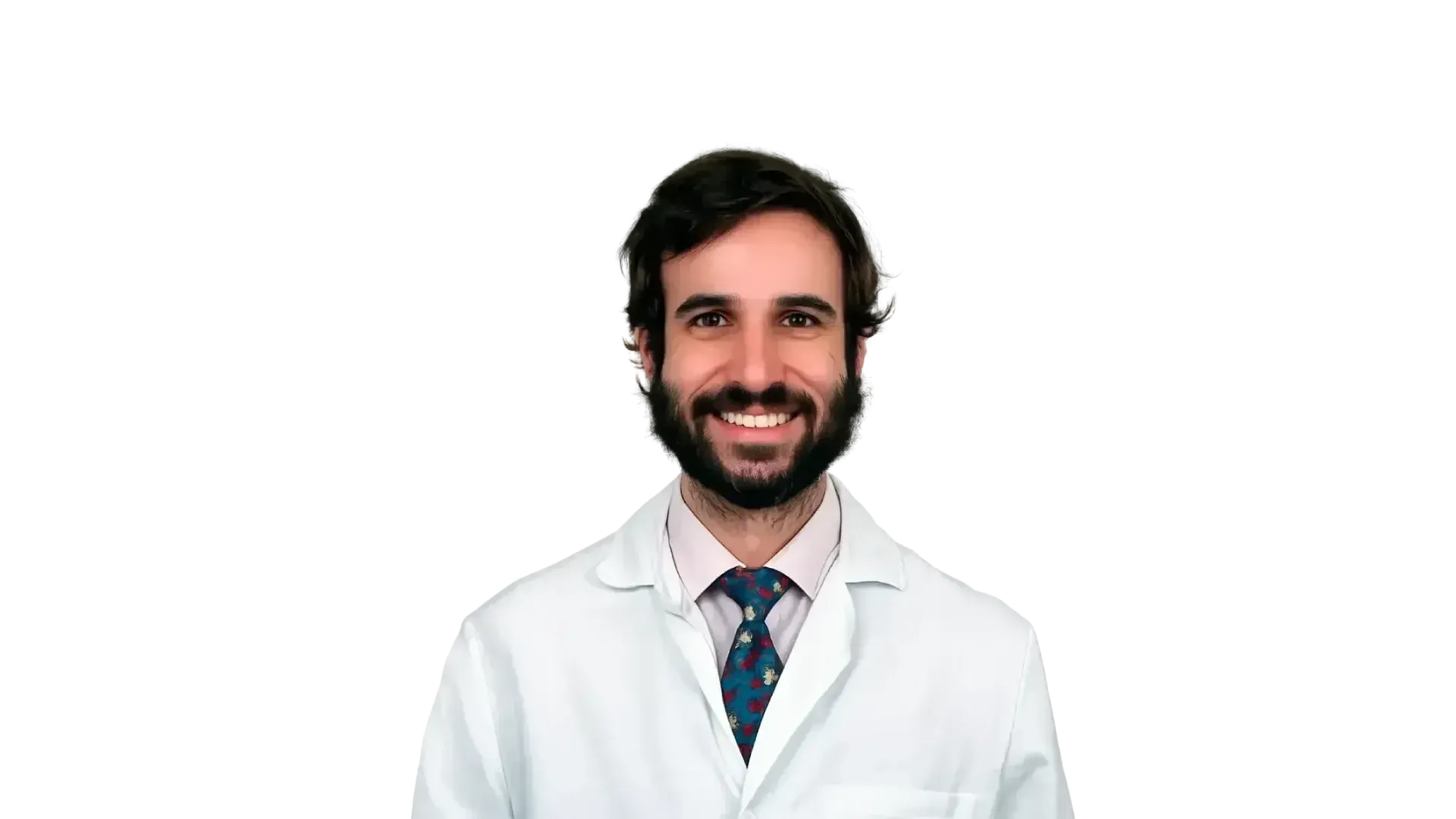
Dr. Álvaro Sada

Dr. Álvaro Sada

Facial and maxillofacial surgery

Who is not a candidate: contraindications for bichectomy

Although bichectomy is a minimally invasive facial surgery with a well-established safety profile, there are situations in which it is contraindicated or should be postponed. In the preoperative consultation we always analyze facial anatomy, tissue quality, general health and the patient's expectations before recommending the procedure. A properly indicated bichectomy does not depend solely on the wish to slim the face, but on there being a real excess of volume in the buccal fat pads and on the expected result maintaining facial harmony in the long term.

ContraindicaciónMotivo
Contraindication Reason Thin face or little facial fatIn patients with little facial fat, removing the buccal fat pads can lead to an excessively hollow or aged appearance over the years.
Contraindication Reason Thin face or little facial fat In patients with little facial fat, removing the buccal fat pads can lead to an excessively hollow or aged appearance over the years. Marked facial aging or significant saggingThe natural loss of volume associated with aging can become more pronounced after bichectomy and worsen facial sagging.
Active oral, dental or systemic infectionInfections increase the risk of surgical contamination, poor healing and postoperative complications. Surgery must be postponed until the infection has fully resolved.
Uncontrolled systemic diseasesPoorly controlled cardiovascular, respiratory, metabolic or immunological conditions increase anesthetic risk and compromise recovery.
Severe coagulation disordersThey increase the risk of bruising, intraoperative bleeding and postoperative complications. They require prior medical assessment.
Active smokingNicotine reduces blood supply to the tissues and increases the risk of infection, delayed healing and problems in the oral mucosa. We recommend stopping smoking at least 4 weeks before and after surgery.
Untreated dental problems or periodontal infectionsThe surgery is performed through an intraoral approach, so any dental source of infection increases the risk of deep infection.
Body dysmorphic disorder or unrealistic expectationsWhen there is a distorted perception of facial image or expectations incompatible with the patient's anatomy, surgery will not resolve the aesthetic dissatisfaction.
Under 18 years of ageFacial development must be complete before considering cosmetic surgery to slim the face.
Significant facial asymmetries or structural abnormalities that have not been investigatedSome asymmetries may be due to bone, muscle or gland abnormalities that require a specific diagnosis before a bichectomy is indicated.
Active autoimmune diseases or significant immunosuppressionThey can increase the risk of infection, poor healing and postoperative complications. They require individualized assessment.
Treatment with anticoagulants or antiplatelet drugsIt is not an absolute contraindication, but it requires adjustment or temporary suspension supervised by the responsible physician.
Recent facial surgery or injuries that have not stabilizedThe tissues need to have recovered properly before another cosmetic procedure is performed.
Pregnancy or breastfeedingAny elective cosmetic surgery should be postponed until this stage is over, for anesthetic safety and proper recovery.
Significant instability in body weightSignificant changes in weight can modify facial volume and alter the aesthetic result obtained.
Parotid gland disorders or a history of salivary surgeryThe anatomical proximity between the buccal fat pad, the parotid gland and the salivary duct calls for an especially careful surgical assessment in these patients.

Slim your face with bichectomy

Pedir cita
Bichectomía

Risks and possible side effects of bichectomy

Bichectomy is a minimally invasive facial surgery with a well-established safety profile when performed by qualified specialists, after proper patient selection and with precise knowledge of facial anatomy. Although it is a relatively simple procedure, removing the buccal fat pads requires careful technique because of the proximity of important anatomical structures such as branches of the facial nerve, blood vessels and the parotid gland duct.

At Instituto de Benito we work under strict medical criteria, with an individualized facial consultation, an accredited operating room and safety protocols designed to preserve both aesthetic harmony and facial function. The correct indication is especially important in this surgery, since not every face benefits from a reduction in volume in the midface area.

If after surgery you experience severe pain that does not improve with the prescribed medication, a fever above 38 °C, significant progressive swelling, persistent bleeding, discharge from the intraoral wound, difficulty opening your mouth, marked facial asymmetry or changes in facial movement, you should contact the clinic immediately or go to the nearest emergency department. Most complications can be resolved properly when they are detected early.

Expected, mild reactions

(usually self-limiting during the first 7–10 days)

  • Moderate swelling of the cheeks.
  • A feeling of facial tightness or slight internal pressure.
  • Discomfort when chewing or speaking during the first few days.
  • Mild bruising or slight discoloration in the facial area.
  • Somewhat more marked swelling in the mornings.
  • Temporary intraoral sensitivity.
  • Minor discomfort in the oral mucosa or a feeling of tightness.
  • Mild, temporary limitation in opening the mouth fully.
  • A temporary feeling of hardening during initial healing.

Less common effects

  • Mild, temporary asymmetry during the inflammatory phase.
  • Swelling that lasts beyond the first few weeks.
  • Mild irregularities that can be felt in the cheek area.
  • A feeling of fibrosis or partial hardening of the soft tissues.
  • Slower intraoral healing than expected.
  • Temporary hypersensitivity in certain areas of the face.
  • Excessive facial hollowing in patients who later lose weight or with progressive facial aging.
  • Partial persistence of facial volume if the anatomy limits a more extensive removal.

Uncommon complications

(greatly reduced when the surgery is performed with the correct indication and proper technique)

  • Intraoral surgical infection.
  • Significant postoperative hematoma.
  • Injury to the parotid gland duct.
  • Injury to branches of the facial nerve.
  • Residual facial asymmetries.
  • Excessive facial hollowing or premature aging of the middle third of the face.
  • Poor intraoral healing or wound dehiscence.
  • Significant fibrosis or permanent irregularities of the facial contour.
  • Need for a secondary cosmetic correction.
  • Temporary changes in facial sensation.
  • General anesthetic complications, which are exceptional after a proper preoperative assessment.
The best way to minimize risks in a bichectomy does not depend solely on surgical technique, but on selecting the patient correctly and preserving the natural balance of the face. That is why, before recommending buccal fat pad removal, we individually assess facial structure, tissue quality and how the face is expected to age in the long term.

Our medical team for buccal fat pad removal

Instituto de Benito is a leading center for plastic surgery, aesthetic medicine and wellness, with more than 40 years of experience and thousands of satisfied patients.

The team combines surgical technique with a personal approach, aiming for a natural result in harmony with each face.

Commitment to buccal fat pad removal surgery

At Instituto de Benito we have more than 40 years of experience in facial plastic and cosmetic surgery, with a strong specialization in facial surgery. Over the course of our career we have performed more than 7,000 facial surgeries, building a high level of precision, safety and natural results.

Our practice is backed by membership of recognized international scientific societies such as SECPRE (Spanish Society of Plastic, Reconstructive and Aesthetic Surgery), ISAPS (International Society of Aesthetic Plastic Surgery) and SCCPRE (Catalan Society of Plastic, Reconstructive and Aesthetic Surgery), which ensures ongoing training and the application of the most advanced techniques.

We place special emphasis on facial harmony and on personalizing each treatment, supporting the patient throughout the whole process with complete post-op follow-up to ensure an optimal recovery and satisfactory results.

Where to have bichectomy surgery

Book your bichectomy consultation

The first step is not surgery: it is a consultation with the surgeon who would perform your procedure. They will assess your case, answer your questions and, after the visit, give you the exact price.

The first consultation costs €80, which is deducted from the cost of surgery if you decide to have your procedure with us. You can also call us.

Related treatments

Bichectomy frequently asked questions

Will my face look too hollow after a bichectomy?

It should not happen if the procedure is properly indicated and performed in a personalized way. The goal is to slim the face while maintaining harmony and a natural look.

How long does it take to see bichectomy results?

The change is gradual. At first there is swelling, and the result becomes clearer as the swelling in the face goes down, generally over weeks or months.

Does a bichectomy change your facial expression?

It does not change your expression or the way you smile; it simply reduces the deep volume of the cheeks to slim the contour.

Is a bichectomy painful?

It is performed under local anesthesia, so there is usually no pain during the procedure. Afterward there may be mild discomfort that can be managed with medication.

Can I go back to normal life after a bichectomy?

Yes, although you are advised to avoid strenuous exercise and follow a soft diet for the first few days to support recovery.

What are the risks and possible complications of a bichectomy?

Like any surgical procedure, bichectomy can carry certain risks, although they are uncommon when it is performed by qualified professionals and after a proper prior assessment. Possible complications include prolonged swelling, bruising, infection, asymmetries or temporary changes in sensation in the treated area. In exceptional cases, nearby structures may be injured if the technique is not performed properly.

Following the pre- and postoperative instructions, maintaining good oral hygiene and attending your scheduled check-ups helps minimize risks and supports a safe, gradual recovery.

Can a bichectomy be reversed?

No, because the fat is removed permanently. That is why a proper prior consultation is key.

Does age matter for a bichectomy?

Yes, the indication depends on facial structure and natural aging, since not every face benefits from this procedure.

Medical review

doctor sada

Dr. Álvaro Sada Malumbres

N.º de colegiación 282871759

Surgeon specializing in facial and oral and maxillofacial surgery

Excellent

Average rating: 4.8 / 5

Based on 677 reviews
GoogleFeed