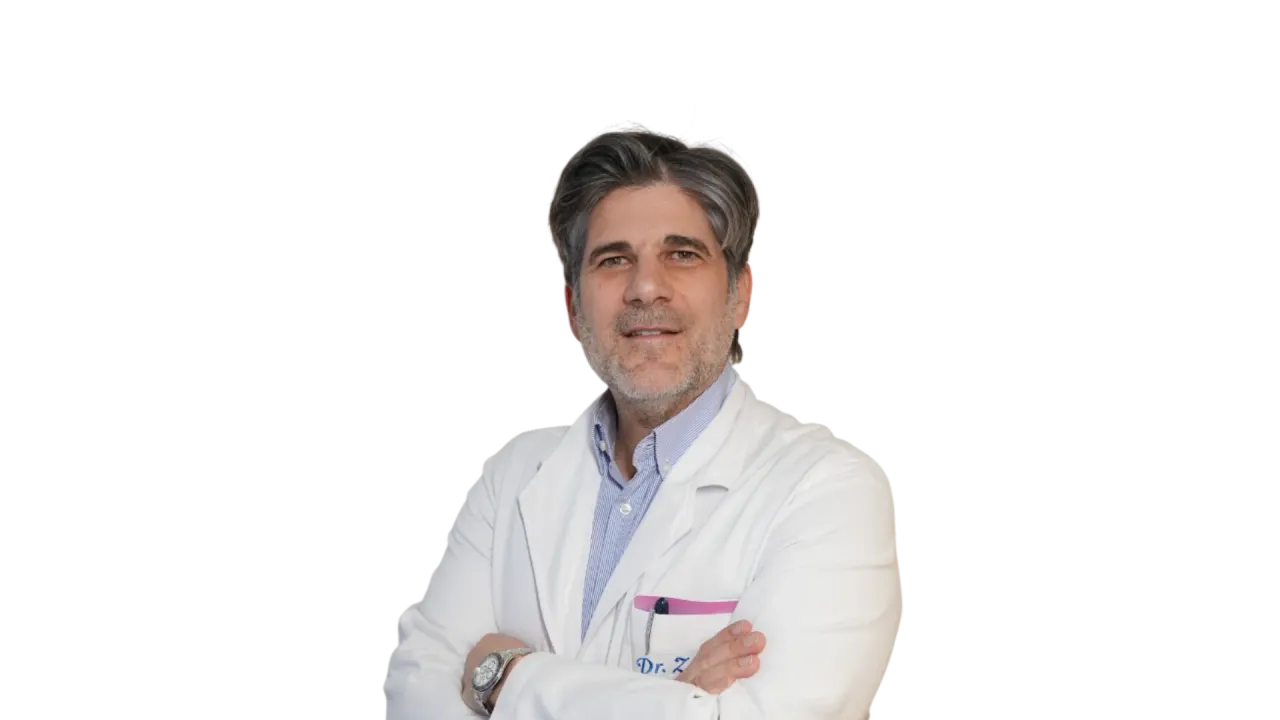
Dr. Cristina Cobaleda specialist in aesthetic medicine
Aesthetic physician
Medical license no. 51612
Leading doctor in polynucleotides
The doctor sees patients in BarcelonaView medical profile
Polynucleotides do not add volume the way a filler does. Instead, they stimulate skin regeneration and gradually improve its quality, hydration and firmness.
From: 290 €

Treatment duration:
30 to 45 minutes
With NESAI® Derm ultrasound
To consider
Duration:
6 to 12 months
Visible result:
From 2-3 weeks
Final result:
1 to 3 months
Polynucleotide treatment is an aesthetic medicine procedure designed to regenerate, repair and improve skin quality from within, acting at the cellular level to restore its structure, hydration and elasticity.
It is not a filler and it does not change your features. It is a regenerative treatment that stimulates the skin's natural mechanisms, gradually improving texture, radiance, firmness and skin health.
Polynucleotides support tissue repair, collagen production and cell regeneration, for skin that is stronger, better hydrated and visibly more radiant.
Types of polynucleotide treatment
Focused on improving the overall quality of facial skin, increasing deep hydration, elasticity and radiance, and preventing or correcting the first signs of aging.

Designed to treat one of the most delicate areas: dark circles, thin skin, dehydration and fine lines, improving skin texture and quality without adding volume.

Indicated for the neck, décolletage, hands or other areas with reduced skin quality, skin laxity or sun damage, improving the skin's structure and firmness.


It is the question we hear most often in consultation, and it is worth answering before talking about results.
They are fragments of purified DNA of marine origin. That origin is the reason an allergy to fish or fish proteins has to be assessed before treatment, and why it appears among the contraindications on this page.
The product is purified for medical use and supplied in sterile vials, with CE marking like the rest of the injectables used at the clinic.
They do not fill or alter your features: they are not a filler. What they do is act on the fibroblast, the cell that produces collagen and elastin, and improve the environment it works in. That is why the result is denser, better hydrated, better quality skin, not a change in volume.
That is also why the effect is not immediate: it becomes visible as the skin regenerates, over weeks, not at the time of the session.
Polynucleotide treatment is performed in a medical office, with no need for an operating room or general anesthesia. It is a minimally invasive procedure carried out under strict medical protocols and with professional supervision at all times, ensuring maximum safety for the patient.

The first step is a specialized medical consultation with the doctor who will perform the treatment. During this visit, the actual condition of your skin and your aesthetic goals are analyzed, and a fully personalized plan is designed. A €50 payment, deductible from your first treatment, is required in advance to book the appointment.
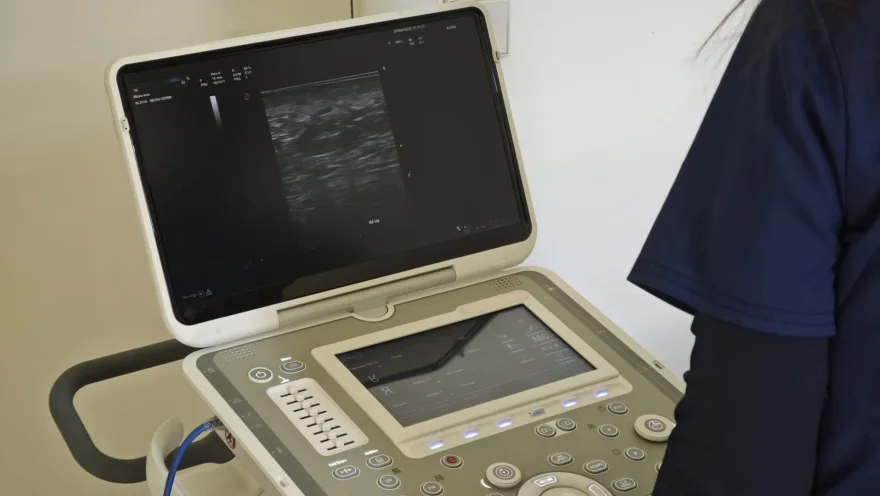
During the consultation, skin quality, hydration, elasticity, texture and degree of aging are assessed to determine whether you are a candidate for the treatment and to define the most suitable protocol for your actual needs.
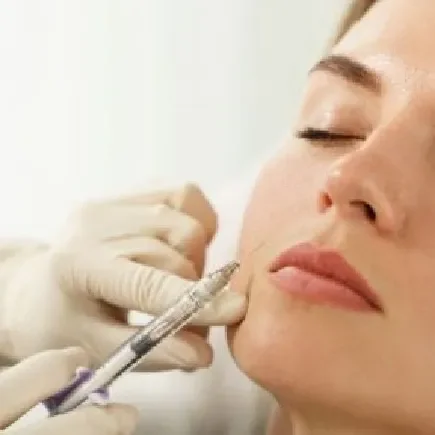
Polynucleotide treatment is performed in a medical office, using superficial microinjections.
It is a quick, minimally invasive and well-tolerated procedure that usually takes 30 to 45 minutes.

Results appear gradually and naturally, improving skin quality from within: more hydration, more radiance, more firmness and visibly healthier skin.
The price of the treatment is €290
Polynucleotide treatment is fully personalized, so there is no single standard price. At Instituto de Benito, each plan is designed around the specific characteristics of the skin, the patient's aesthetic goals and the areas to be treated.
Polynucleotide treatment is indicated for people who want to improve their skin quality, regenerate it from within and prevent or treat the signs of aging, when the skin has lost hydration, firmness, elasticity or radiance.
When skin loses hydration and density, it looks dull, lacks radiance and has an uneven texture.
Over time, skin loses collagen and elasticity, becoming looser and less resilient.
Thin or sensitized skin is more vulnerable to aging and external damage. Polynucleotides strengthen the skin's structure, improve its resilience and support its repair
This treatment is ideal both for prevention and for correcting the first signs of aging
Polynucleotides do not fill or alter your features.
This is a biological, regenerative treatment whose results appear gradually and elegantly


Patient safety comes before any aesthetic result. Polynucleotide treatment should not be performed, or should be postponed, in the following cases:
| Contraindication | Reason |
|---|---|
| Pregnancy and breastfeeding | Injectable treatments are not performed during pregnancy or breastfeeding. |
| Active infection or lesion in the area | Herpes, folliculitis, dermatitis or open wounds: treatment is postponed until they have resolved. |
| Autoimmune disease or immunosuppression in an active phase | Requires individual assessment and, in some cases, a report from the specialist managing the case. |
| Anticoagulant treatment or a clotting disorder | Increases the risk of bruising; it is assessed with the prescribing doctor. |
| Known allergy to any of the components | Contraindicates the treatment. |
| Allergy to fish or fish proteins | Polynucleotides are obtained from DNA of marine origin, so this allergy must be assessed in consultation before treatment. |
Polynucleotide treatment is safe when performed by a licensed physician in an authorized center using approved medical devices. Even so, every medical procedure has a profile of possible effects that it is only honest to share with you.
Instituto de Benito is a benchmark in aesthetic medicine treatments.
The team tailors each treatment to the patient, with the aim of a natural result.
«This treatment works through biostimulation of the skin, helping to gradually improve its elasticity and texture»
«Polynucleotides are an interesting option for patients who want to improve their skin quality without adding volume»

«In facial rejuvenation, improving skin quality is essential»

At Instituto de Benito, the health of your skin is our top priority. Every patient who starts a biostimulation treatment with polynucleotides undergoes a thorough diagnostic assessment and personalized follow-up, which allows us to optimize cell regeneration results and ensure an optimal tissue response.
More hydrated, radiant skin with better quality and texture. Polynucleotides stimulate cell regeneration from within, gradually improving elasticity and the overall appearance of the skin. Results start to show within a few weeks and improve progressively after each session.
A polynucleotide session starts at €290 at Instituto de Benito.
The treatment is planned as a protocol, not as a one-off session: at the consultation we define how many sessions your case calls for and how they are spaced, and on that basis you receive the quote for the full protocol.
It is a well-tolerated treatment. It may cause slight discomfort during application, but it is usually performed with topical anesthesia for greater comfort.
The effects are progressive and cumulative. Depending on skin type and the protocol applied, results can last between 6 and 12 months, and maintenance sessions are recommended.
It is a safe treatment when performed in specialized centers by qualified medical professionals. Even so, like any aesthetic medicine procedure, it can cause mild side effects.
At Instituto de Benito, all treatments are performed under strict medical protocols to maximize safety and minimize any risk.
The usual approach is an initial protocol to assess the sessions needed, spaced several weeks apart, followed by maintenance sessions according to the skin's needs.
The skin starts to improve from the first weeks, but the most visible results develop gradually over 1 to 3 months, as cell regeneration is stimulated.
Yes. You can return to your daily routine right away, avoiding exercise, saunas, makeup, touching the area and direct sun exposure for the first 24-48 hours.
Yes. It combines very well with other procedures such as anti-wrinkle injections, laser, fractional radiofrequency and more, always subject to medical assessment.
Aging continues naturally, but polynucleotides help improve skin quality and slow its signs. Maintaining healthy habits and good skincare prolongs the results.
Average rating: 4.8 / 5
 Feed