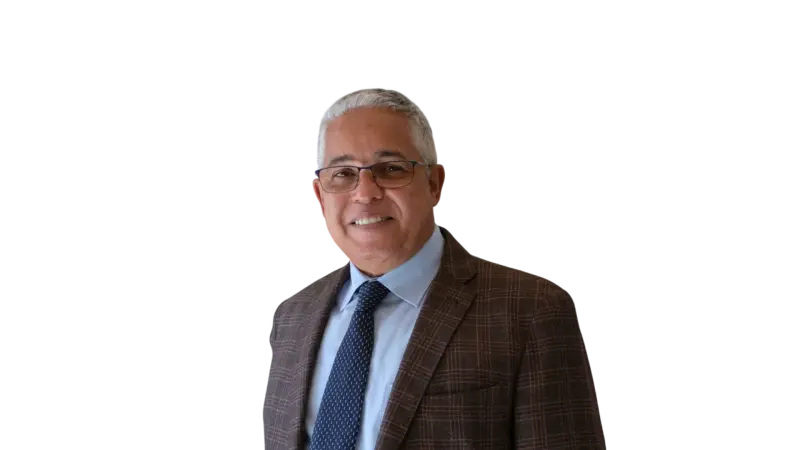
Dr. Orestes Fernández specialist in body contouring
Surgeon specializing in body contouring
Medical license no. 4304469
A leading doctor in abdominoplasty.
The doctor sees patients in BarcelonaView medical profile
Abdominoplasty removes excess skin and fat from the abdomen and repairs the separation of the abdominal muscles, which is common after pregnancy or significant weight loss.
From: 7.000 €

Surgery duration:
2 to 4 hours
Recovery time:
9 to 13 days
Synapta® protocol:
Included in Barcelona
Anesthesia:
General
Hospital stay:
1 or 2 nights
Social life:
9 to 13 days
Abdominoplasty (tummy tuck) is a body surgery procedure designed to improve the contour of the abdomen by removing excess skin and fat and strengthening the abdominal muscles, especially when this area shows sagging, bulging or loss of firmness after pregnancy, weight changes or the passage of time.
This procedure helps you regain a firmer, flatter abdomen, improve your body shape and achieve a more balanced, rejuvenated look, with a natural, proportionate result that preserves each patient's own body shape.
Types of abdominoplasty
Indicated for patients with significant excess skin and muscle laxity. It corrects the entire abdomen, from below the chest to the pubic area, repositioning the navel and strengthening the abdominal wall.

Recommended when the excess skin and sagging are concentrated in the lower abdomen. It is a less invasive surgery, with a faster recovery and, in most cases, no need to move the navel.

Combines the removal of excess skin with liposuction to improve the overall contour of the abdomen and waist, achieving a slimmer, more defined result.

Abdominoplasty begins with a horizontal incision just above the pubic hairline, through which the surgeon releases the skin and fatty tissue from the abdominal wall. Once the rectus abdominis muscles are exposed, internal sutures are placed to tighten the muscles (correcting the diastasis), the excess hanging skin is removed and, in many cases, a small additional incision is made to reposition the navel. Finally, the remaining skin is pulled downward to achieve a flat, firm stomach, the wound is closed with fine sutures and a compression garment is fitted to control swelling during recovery.
Your consultation will be with the surgeon who will perform your procedure. A payment of €80 is required in advance to book the appointment. If you cannot travel, the first visit can also be done by video call with the surgeon who would operate on you: it costs €50, which is deducted if you decide to have surgery.

Personalized planning of the procedure to ensure a safe, balanced result tailored to your body.

Surgery is performed in accredited operating rooms by the Instituto's body surgery team.

In Barcelona we apply the Synapta® protocol to make recovery after abdominoplasty easier.

Once your procedure is complete, you will notice a firmer abdomen, a more defined figure and a significant boost in your confidence and well-being with your body image.
For years, this surgery has been associated with a recovery marked by a feeling of tightness, swelling and some discomfort in the treated area. However, advances in medical protocols now make it possible to approach recovery from a more advanced perspective.
At Instituto de Benito we apply Synapta®, a protocol designed to support the body through its recovery process after surgery, helping to make the experience more manageable and controlled.
Beyond the conventional use of medication, this approach focuses on the body's neurophysiological response after surgery. Through specific techniques, it aims to modulate inflammation, reduce tissue tension and improve the body's adaptation to the surgical change.
These protocols are part of a process in which post-operative well-being matters as much as the aesthetic design. Each case is assessed individually to tailor the instructions to each patient.
*Synapta® is included in surgeries performed in Barcelona.
Carlos Alsina

A tummy tuck (abdominoplasty) at Instituto de Benito starts from €7,000. The price varies depending on the type of technique (mini abdominoplasty, full abdominoplasty or abdominoplasty with liposuction), whether or not abdominal diastasis is repaired, the length of the procedure, the nights of hospital stay and the tests and follow-up included, and is tailored to each patient.
You can finance this procedure at 0% interest for up to 12 months, with options that can be extended to 48 months. See the terms on our financing page.
*Prices valid in 2026. The exact price is given after the visit, once the surgeon has assessed your case.


Tummy tuck (abdominoplasty)


Combined surgery (Breast augmentation + Tummy tuck)


Tummy tuck (abdominoplasty)


Tummy tuck (abdominoplasty)


Tummy tuck (abdominoplasty)


Tummy tuck (abdominoplasty)
Abdominoplasty is indicated for people who want to improve the contour of the abdomen, remove excess skin and regain muscle firmness in a lasting way, when these results cannot be achieved through diet, exercise or non-surgical treatments alone.
It is especially suitable if:
When the abdomen shows significant sagging that cannot be corrected with exercise or aesthetic treatments.
If the abdominal muscles are separated and cause a protruding belly, even in slim people.
When the skin has lost elasticity and the abdomen looks droopy or saggy.
If, despite leading a healthy lifestyle, you cannot improve your abdominal contour.
If you are looking for a real, stable improvement in the shape of your abdomen and your figure.
When excess skin causes discomfort when getting dressed, moving or carrying out everyday activities.
Although abdominoplasty is a safe procedure when performed by qualified surgeons and after a proper preoperative assessment, there are situations in which surgery may be contraindicated or may need to be postponed. The priority must always be the patient's safety and achieving a stable, lasting result.
| Contraindicación | Motivo |
|---|---|
| People with poorly controlled chronic diseases (cardiovascular, pulmonary, liver or kidney). | The surgical and anesthetic risk may be significantly higher. |
| Patients with significant obesity or a weight far from their goal. | Results may be less satisfactory and the risk of complications increases. |
| Women planning a pregnancy in the short or medium term. | Pregnancy can stretch the abdominal wall again and compromise the results achieved. |
| Smokers who are not willing to stop smoking for at least 4 weeks before and 4 weeks after. | Smoking increases the risk of wound-healing problems, infections and skin necrosis. |
| Patients with clotting disorders or a history of thrombosis that is not adequately controlled. | There is a higher risk of bleeding and thromboembolic complications. |
| People with active infections or significant inflammatory conditions. | Surgery must be postponed until the medical problem has fully resolved. |
| Patients with unrealistic expectations about the result. | Abdominoplasty improves the abdominal contour, but it does not replace weight loss or guarantee aesthetic perfection. |
| People with uncontrolled psychological conditions that may affect how they perceive the result. | It is essential to ensure appropriate expectations and emotional stability before surgery. |
| Patients with poorly controlled diabetes. | It can increase the risk of infection and delay healing. |
| People who cannot follow the post-op recommendations or who lack support during the initial recovery. | Following the post-op care instructions is key to a safe recovery. |
Regain a firmer, more defined abdomen

Abdominoplasty has a well-established safety profile when performed by specialized surgeons. All our procedures are carried out in an accredited operating room, with anesthesia and monitoring by a qualified anesthesiologist and following strict safety protocols.
If, after surgery, you experience severe pain that does not improve with the prescribed medication, a fever above 38 °C, progressive redness of the wound, discharge, excessive swelling, opening of the scar, difficulty breathing, chest pain or sudden swelling in one leg, contact the clinic immediately or go to the nearest emergency department. Most serious complications can be treated effectively if they are detected early.
These symptoms are part of the body's normal response to surgery:
All of these reactions are part of the normal recovery process. Most patients can resume light everyday activities within one or two weeks and gradually return to their routine as advised by their doctor.
There is a second group of issues that, while not considered serious, can arise during recovery and are worth knowing about:
Most of these situations are managed with clinical follow-up and conservative treatments. Only a small proportion of patients require additional procedures.
These are complications described in the medical literature with a low incidence, but which every patient should be aware of before undergoing an abdominoplasty:
Although these complications are uncommon, proper patient selection, following the preoperative recommendations and close follow-up during recovery contribute decisively to reducing their occurrence and ensuring a favorable outcome.
Instituto de Benito is a benchmark in abdominoplasty and abdominal body contouring surgery, with more than 40 years of experience and thousands of satisfied patients.
The team tailors each procedure to each patient's figure, with the aim of a natural result.

«Abdominoplasty is a procedure designed to restore firmness and harmony to the abdomen»
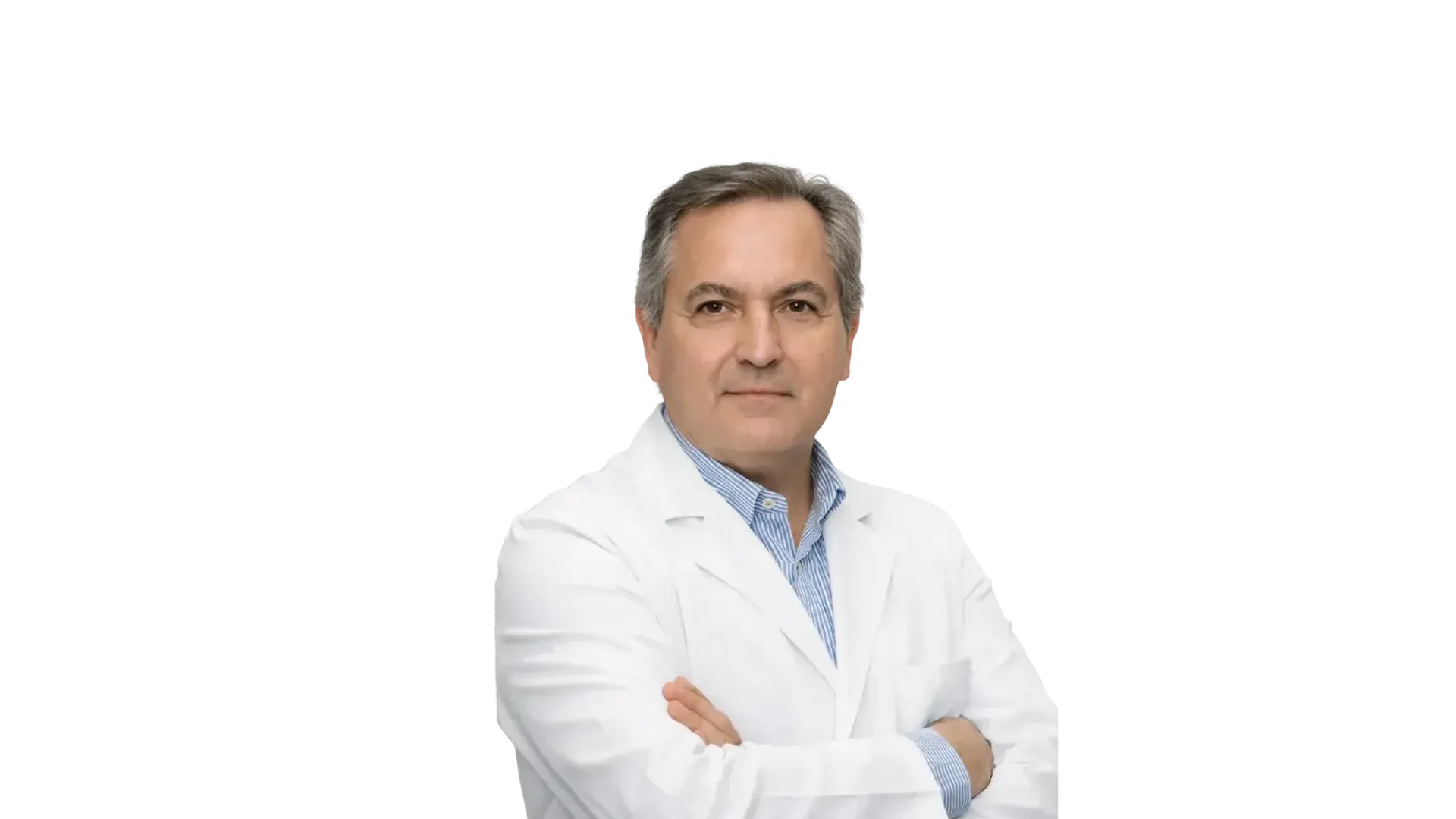
«Abdominal surgery requires technical precision and an overall aesthetic vision to achieve a balanced result»
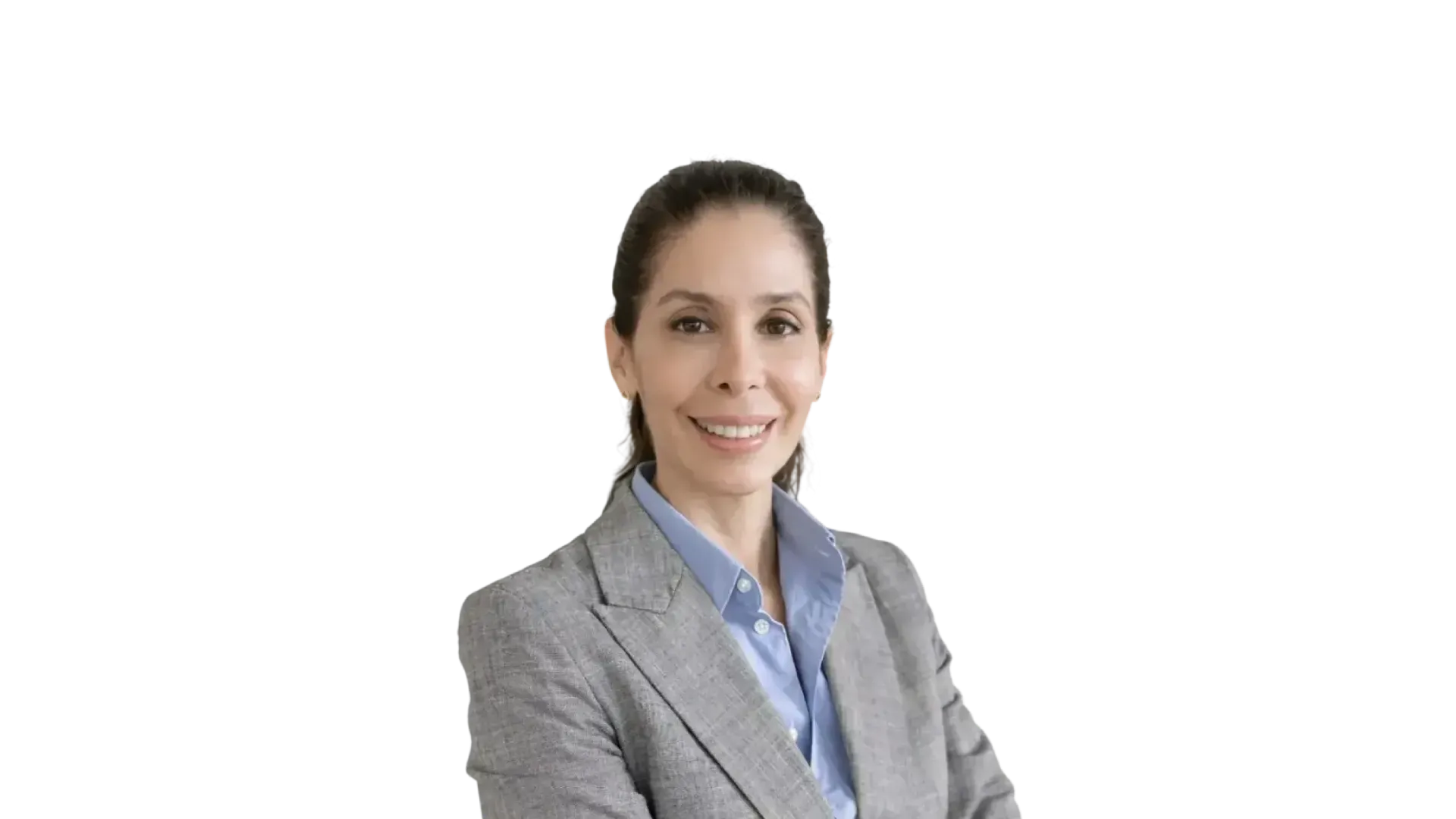
«Beyond a cosmetic change, abdominoplasty seeks to restore the patient's balance and confidence»
We have more than 40 years of experience in plastic and cosmetic surgery, with extensive specialization in body surgery. Over the course of our history, we have performed more than 2,000 procedures, which allows us to offer safe, effective procedures with balanced, natural results. In abdominoplasty alone, we have performed more than 1,000 procedures.
Our practice is backed by membership of recognized international scientific societies such as SECPRE (Spanish Society of Plastic, Reconstructive and Aesthetic Surgery), ISAPS (International Society of Aesthetic Plastic Surgery) and SCCPRE (Catalan Society of Plastic, Reconstructive and Aesthetic Surgery), which ensures ongoing training and the application of the most advanced techniques.
We prioritize the personalization of each treatment, adapting to each patient's needs and characteristics and offering comprehensive post-op follow-up to ensure an optimal recovery and long-lasting results.
The first step is not surgery: it is a consultation with the surgeon who would perform your procedure. They will assess your case, answer your questions and, after the visit, give you the exact price.
The first consultation costs €80, which is deducted from the cost of surgery if you decide to have your procedure with us. You can also call us.
Abdominoplasty removes excess skin and fat from the abdomen, tightens the abdominal muscles when diastasis is present and achieves a firmer, more defined body contour. Full recovery comes gradually as the swelling goes down, usually over the first few months after surgery.
Discomfort is usually mild to moderate and is well controlled with medication. In Barcelona we apply the Synapta® protocol to make the post-op period more manageable. Most patients return to a fairly normal life between 9 and 13 days.
Yes, but it is not recommended if you want to maintain the result. A new pregnancy can stretch the skin and abdominal muscles again.
Yes, as long as you maintain a healthy lifestyle and a stable weight. The skin that was removed and the muscle tightening do not return to their previous state.
Light activities can be resumed at around 3 to 4 weeks, and intense exercise from 6 to 8 weeks. For sun exposure or the beach, it is recommended to wait 8 weeks and always apply high-protection sunscreen to the scar.
Yes. It is very common to combine it with liposuction or other body surgeries, always after a personalized medical consultation.
Moderate weight changes do not usually alter the result. Maintaining a stable weight helps preserve the result for many years.
Most patients are back to a fairly normal life in 9 to 13 days, but full recovery comes between 3 and 6 months.
Yes, we offer different financing options to make abdominoplasty more accessible. We can split the payment over up to 12 months interest-free, and also offer longer financing options of up to 48 months, tailored to each patient.
The scar is usually located in the lower abdomen, above the pubic area, so that it can be hidden by underwear or a bikini. Its length will depend on the amount of skin that needs to be removed. Over time it usually fades and becomes less visible.
Yes. During the procedure it is possible to repair the separation of the abdominal muscles (diastasis recti), improving both the firmness of the abdomen and the body contour.
Liposuction removes localized fat, while abdominoplasty removes excess skin and can tighten the abdominal muscles. In many cases the two techniques are combined to achieve a more complete result.
Returning to work depends on the type of job. Sedentary activities are usually resumed within two to four weeks, while jobs that require physical effort may need a longer recovery time.
The post-op compression garment is usually worn for four to eight weeks. Its purpose is to help control swelling, help the tissues adapt and improve comfort during recovery.
The best candidates are usually people with excess abdominal skin, sagging or muscle diastasis after pregnancy or significant weight loss, who maintain a relatively stable weight and are in good general health.
Stretch marks located on the skin that is removed during surgery disappear. However, those that remain outside that area cannot be removed by the procedure.
In some cases, yes. Drains help prevent fluid buildup during the first few days after surgery and are usually removed when the surgeon considers they are no longer needed.
During the first few weeks, it is usually recommended to sleep on your back with your torso slightly flexed. Changing position is done gradually, depending on your progress and medical advice.
Yes. A mini abdominoplasty (mini tummy tuck) is indicated for patients with a small amount of excess skin located below the navel. It requires a shorter scar and a less extensive procedure than a full abdominoplasty.
Average rating: 4.8 / 5
 Feed