Mid-face lift: lift your cheekbones and cheeks

Thinking about a mid-face lift?

The mid-face lift repositions the cheekbone and the area under the eye, where sagging cheeks and a tired look appear.

From: 12.000 €

mid face lifting
Loading form...

Surgery duration:

3-5 hours

Recovery time:

7 to 10 days

Synapta® protocol:

Included in Barcelona

Anesthesia:

General or sedation

Hospital stay:

1-night stay

Social life:

Between 10 and 15 days

Full recovery:

4 to 6 months

What is a mid-face lift?

The mid-face lift is a surgical procedure designed to rejuvenate, firm and reposition the tissues of the middle third of the face, especially the cheekbones and cheeks, when there is skin laxity, sagging or volume loss caused by aging and the passage of time.

This technique lifts the cheeks, softens the nasolabial folds and restores freshness and support to the face, achieving a natural, harmonious result without the need for a full facelift.

Types of mid-face lift

Endoscopic mid-face lift

Performed through small incisions with endoscopic assistance. It lifts the cheekbones and cheeks with a less invasive technique, ideal for mild or moderate sagging.

Lifting Mid-Face endoscópico

Classic surgical mid-face lift

Uses a direct surgical approach to reposition the tissues of the midface. It is indicated when sagging is more pronounced and a stronger correction is needed.

Lifting Mid-Face quirúrgico clásico

Combined mid-face lift

Performed together with other procedures (such as blepharoplasty or a facelift) to achieve a more complete and harmonious rejuvenation of the face.

Lifting Mid-Face combinado

The facelift, explained on video

What does a mid-face lift at IdB involve?

The mid-face lift is performed through small incisions at the temples (within the scalp) or inside the lower eyelid to reach the deep structure of the cheeks. Through these access points, the surgeon vertically lifts the fat pads and tissues that have dropped with age and fixes them in a higher position over the cheekbones to soften the nasolabial folds and eliminate the "droopy face" look. The procedure ends with these deep tissues being secured with sutures or absorbable devices, restoring youthful volume to the center of the face without the need for a full neck lift.

01

Personalized medical assessment

Valoración personalizada

Your consultation will be held directly with the surgeon who will perform your procedure, who will assess your case and determine the most suitable technique. A payment of €80 is required in advance to book the appointment. If you cannot travel, the first visit can also be done by video call with the surgeon who would operate on you: it costs €50, which is deducted if you decide to have surgery.

02

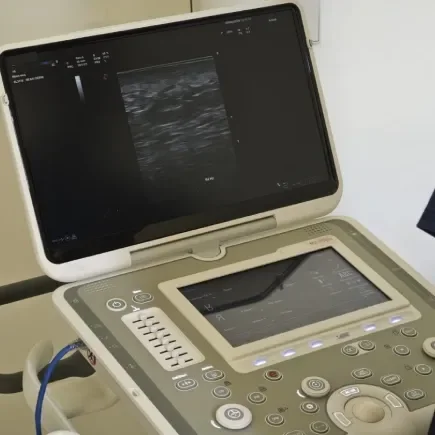
Ultrasound analysis

Ecografía con NESAI®

Optionally, a complementary study can be carried out with advanced technology, Which makes it possible to optimize surgical planning and add an extra level of safety and precision to the procedure. Available for €90.

03

Preparing for the surgery

Preparación de la intervención

Before the procedure, thorough and fully personalized planning is carried out, your medical tests are reviewed and you receive all the instructions needed for the surgery to take place under optimal conditions.

04

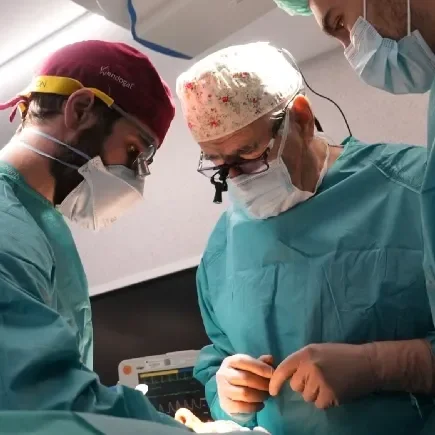
The surgery

El Dr. Javier de Benito operando

The surgery takes place in accredited operating rooms and is performed by a surgeon with more than 40 years of experience in facial surgery.

The mid-face lift works specifically on the cheekbones and cheeks, repositioning the tissues to restore volume, support and freshness to the middle third of the face without altering your natural expression.

05

Comfortable recovery

Recuperación tras la cirugía

In Barcelona we apply the Synapta® protocol to make the post-op period more manageable.

Throughout the entire process, the patient is supported by our medical team, with regular check-ups to ensure proper progress and an optimal result.

06

Start seeing yourself the way you want to feel.

verte como quieres sentirte

Regain freshness, harmony and confidence in your appearance.

Preparation and recovery: the IdB protocol

Before surgery

Before a mid-face lift, a personalized medical consultation takes place in which the specialist analyzes the position of the cheekbones, the condition of the cheeks, skin quality and the degree of sagging in the middle third of the face to determine the most suitable technique.

During this phase:

  • Your medical history is reviewed and the necessary pre-operative tests are requested.
  • The surgery is planned in a fully personalized way.
  • You receive precise instructions on medication, habits and pre-operative care.
  • All your questions are answered so you can approach the procedure with peace of mind and confidence.
Before surgery

After surgery

After a mid-face lift it is normal to have swelling and slight tightness in the cheekbones and cheeks, which gradually subside. During recovery, relative rest is recommended, along with following medical instructions and attending check-ups to monitor your progress. The return to social life usually takes place between 10 and 15 days, and the result improves gradually as the swelling goes down.

post operatorio de lifting

How long does a mid-face lift last?

As a guide, the result of a mid-face lift lasts between 5 and 8 years. It is an average: in each patient it may be more or less.

How long it lasts does not depend on the technique. Deep plane, high SMAS, plication and MACS lift work on the deep tissues in different ways, but none of them lasts longer than another in itself. What makes the difference is the quality of the skin and tissues, genetics and how each person heals.

There is a published study, with 10 years of follow-up, that compares several facelift techniques. Its conclusion: from 5 years on, a little maintenance is advisable, whichever technique is used.

That is why the technique is chosen according to what each face needs, not according to how long it lasts.

“One key does not open every lock. Some cases call for one technique and some call for another.”

Dr. Javier de Benito

How much does a mid-face lift cost and what does it include?

12.000 €

The mid-face lift at Instituto de Benito starts from €12,000, varying according to the extent of the surgery, the technique used, the operating time and the tests and follow-up included, and is tailored to each patient.

What the treatment plan includes:

  • Specialist physician's fees
  • Fees for the rest of the medical team
  • Materials specified in the quote
  • Operating room and hospitalization
  • Anesthesia
  • Private room stay if required
  • Medication during the hospital stay
  • Wound care with the nursing team
  • Post-operative visits with the specialist
  • Preoperative tests (blood work, ECG, X-ray, etc.)

What is not included:

  • Assessments or clearances from other specialists, if needed
  • Medication after hospital discharge
  • Post-surgical garments (facial band, etc.), unless otherwise specified
  • Complementary recovery treatments (lymphatic drainage, physiotherapy, laser, etc.)
  • Scar care treatments (silicone dressings, laser, etc.), unless otherwise specified
  • Combined procedures not covered in the initial quote (blepharoplasty, neck lift, facial fat transfer, etc.)
  • Costs arising from medical complications not attributable to the surgical procedure
  • Reoperations or touch-up surgeries not initially planned
  • Additional unplanned hospital stays
  • Travel, accommodation or meals for the patient and companions
  • Sick leave, certificates or additional administrative paperwork
  • Any material or procedure not expressly specified in the quote

You can finance this procedure at 0% interest. See the options on our financing page.

*Prices valid in 2026. The exact price is given after the visit, once the surgeon has assessed your case.

Cargando formulario...

Are you a candidate for a mid-face lift?

The mid-face lift is indicated for people seeking deep, natural and long-lasting facial rejuvenation, when the signs of aging can no longer be corrected with non-surgical treatments.

  • 01

    Moderate or advanced facial sagging

    When the cheeks have dropped and the cheekbones have lost projection, the problem lies not in the skin but in the deep tissues that support them. The mid-face lift acts directly on those support structures, repositioning them in their original anatomical position and achieving a real, stable and long-lasting result.

  • 02

    Cheeks that have dropped, while the neck still holds up

    The mid-face lift is indicated when aging is concentrated in the middle area of the face (flattened cheekbones, sagging cheeks, marked nasolabial folds) and the lower third and neck show no significant sagging. If the neck is also affected, a more extensive lift is the most suitable technique.

  • 03

    Nasolabial folds marked by sagging, not by volume loss

    When the folds between the nose and the corner of the mouth have deepened because the cheek tissues have dropped (not because of volume loss), the mid-face lift softens them by repositioning the tissues where they belong, with no need to add filler.

  • 04

    Cheek filler no longer gives you the result you want

    If you have turned to hyaluronic acid in the cheekbones and cheeks but the result is less and less satisfactory or shorter-lived, the problem is probably structural: the tissues have dropped and filler can no longer compensate. Midface surgery corrects the cause, not the symptom.

    This is precisely the difference between the mid-face lift and non-surgical treatments: while filler or threads act on the surface and temporarily, midface surgery corrects the structural cause of the sagging, with results that last between 5 and 8 years, as a guide.

  • 05

    You want to rejuvenate the midface without a more extensive procedure

    The mid-face lift is a specific alternative for those who do not need or do not want a full facelift. It acts exclusively on the cheekbones and cheeks, with a shorter recovery and without operating on areas that do not yet require it.

  • 06

    Good general health

    Like any surgical procedure, the mid-face lift requires a prior medical assessment to confirm there are no contraindications. At Instituto de Benito this assessment can be extended with NESAI® analysis and tissue ultrasound (€90, optional).

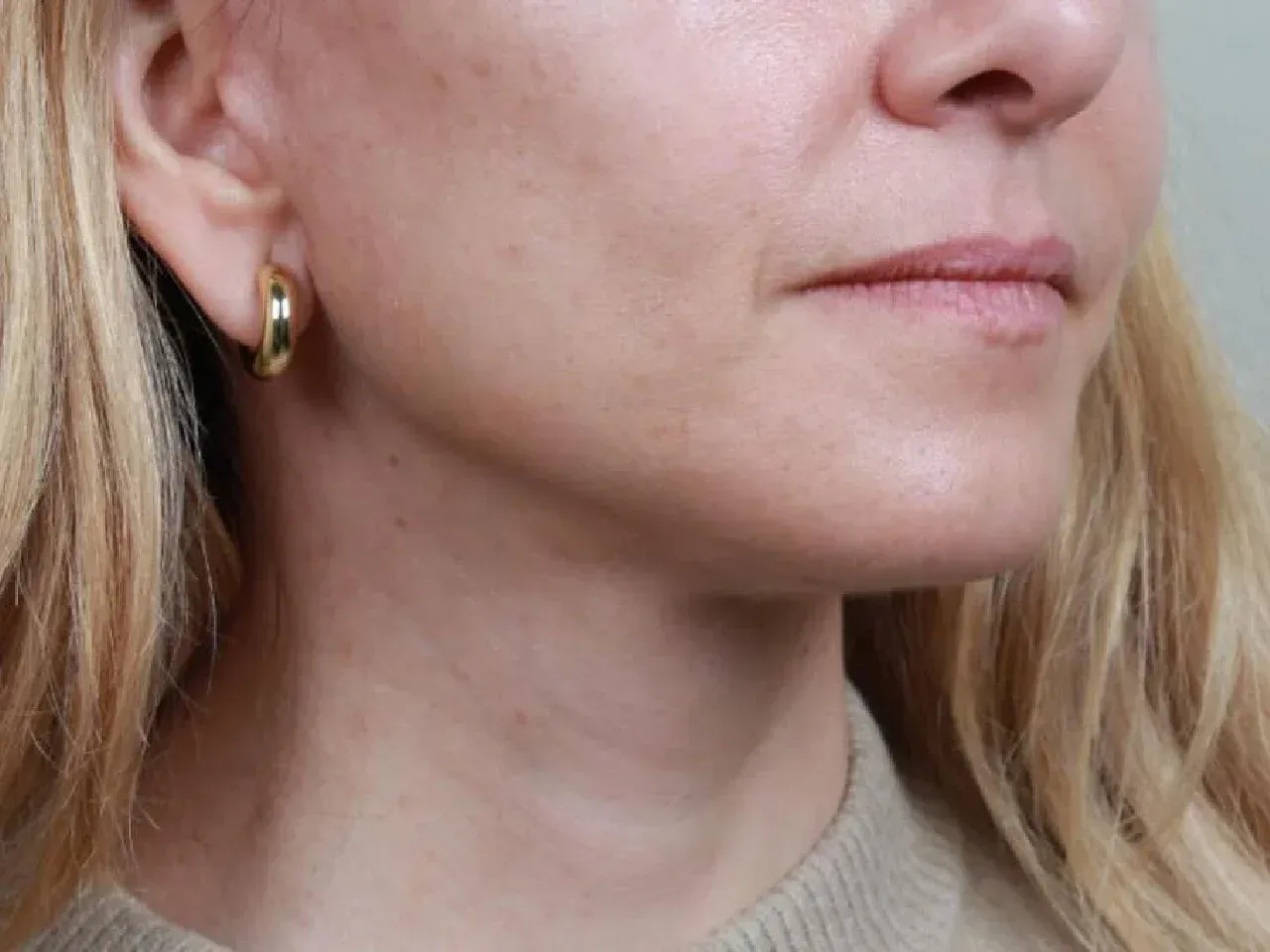
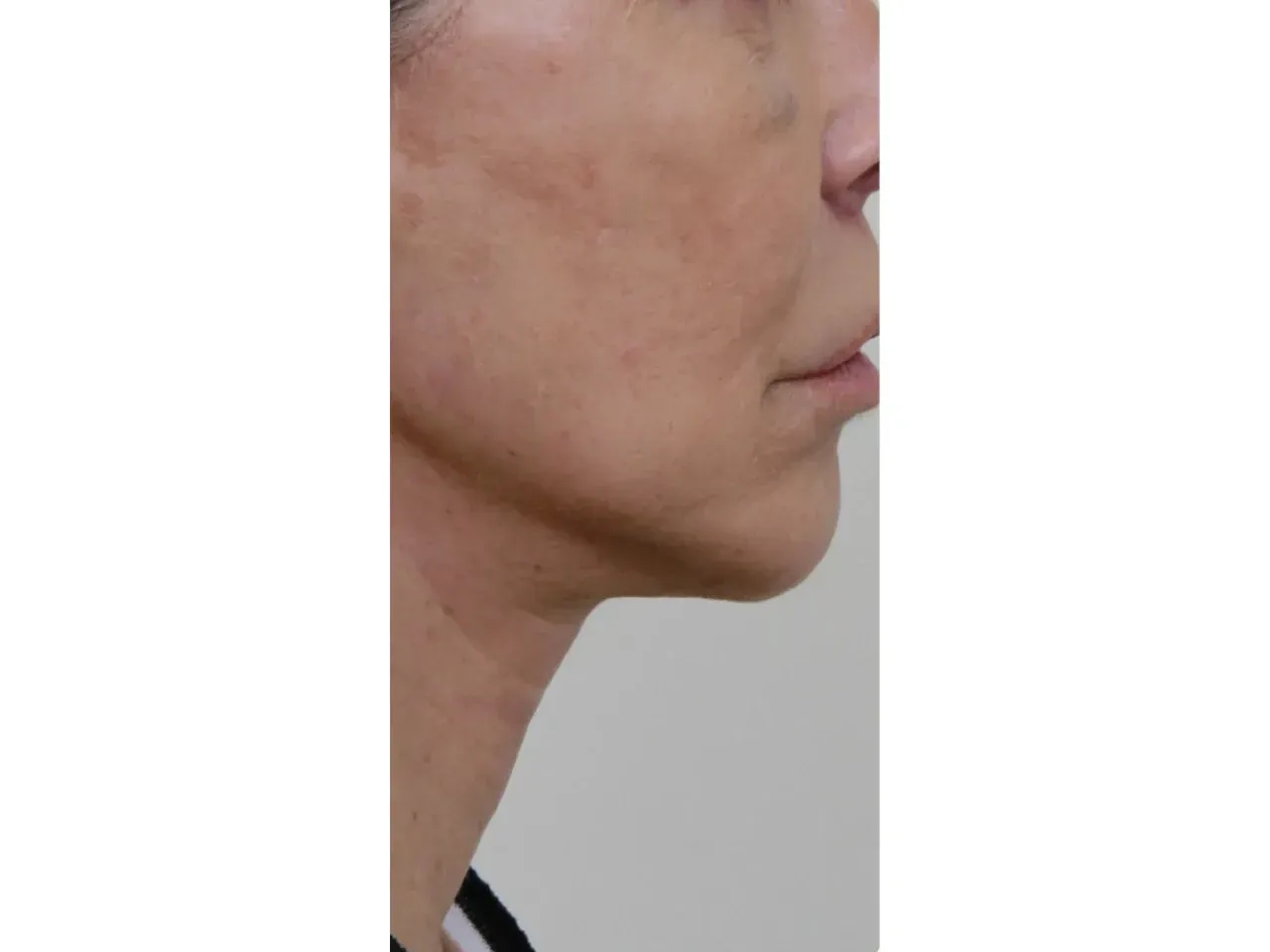
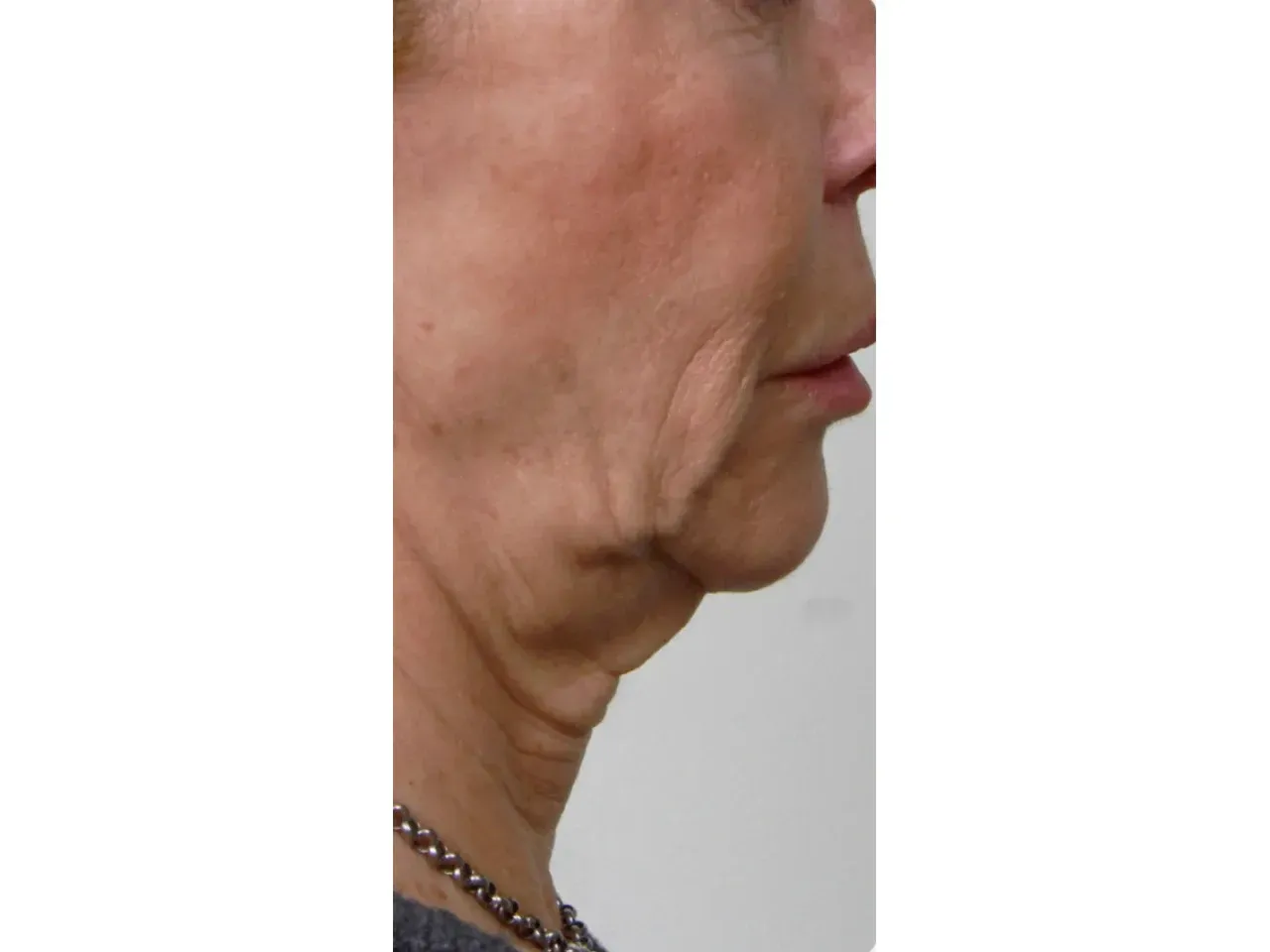
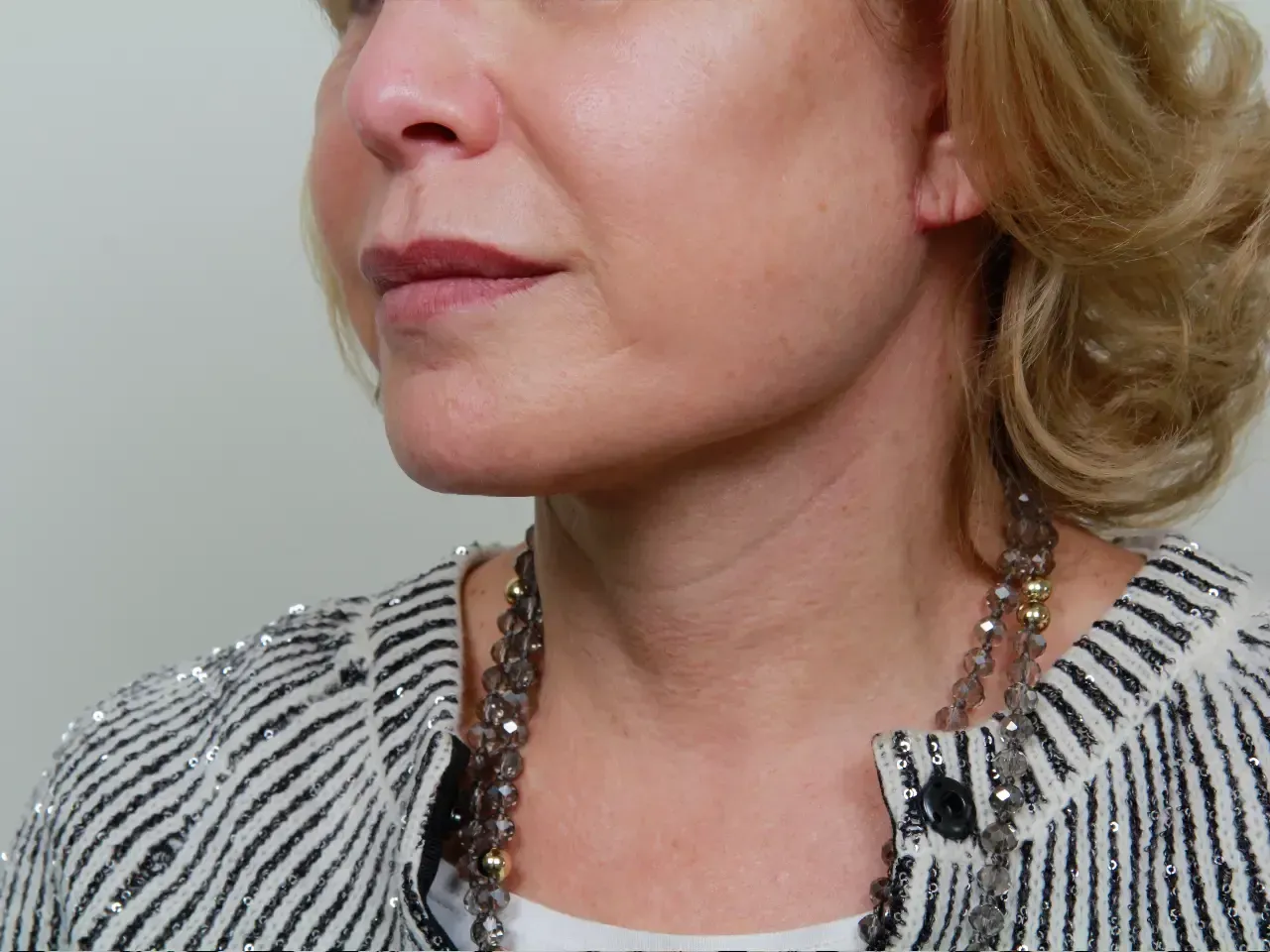
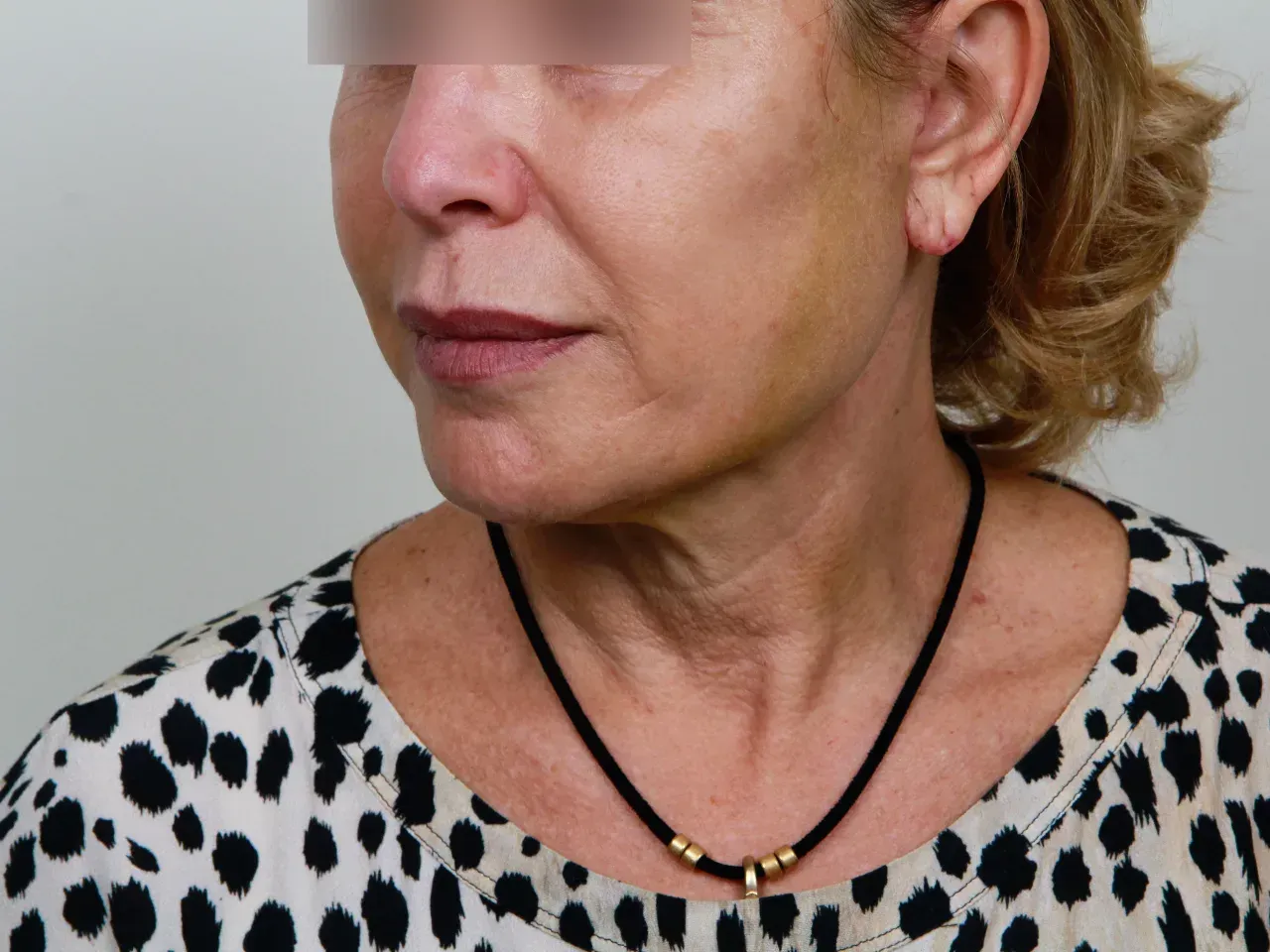
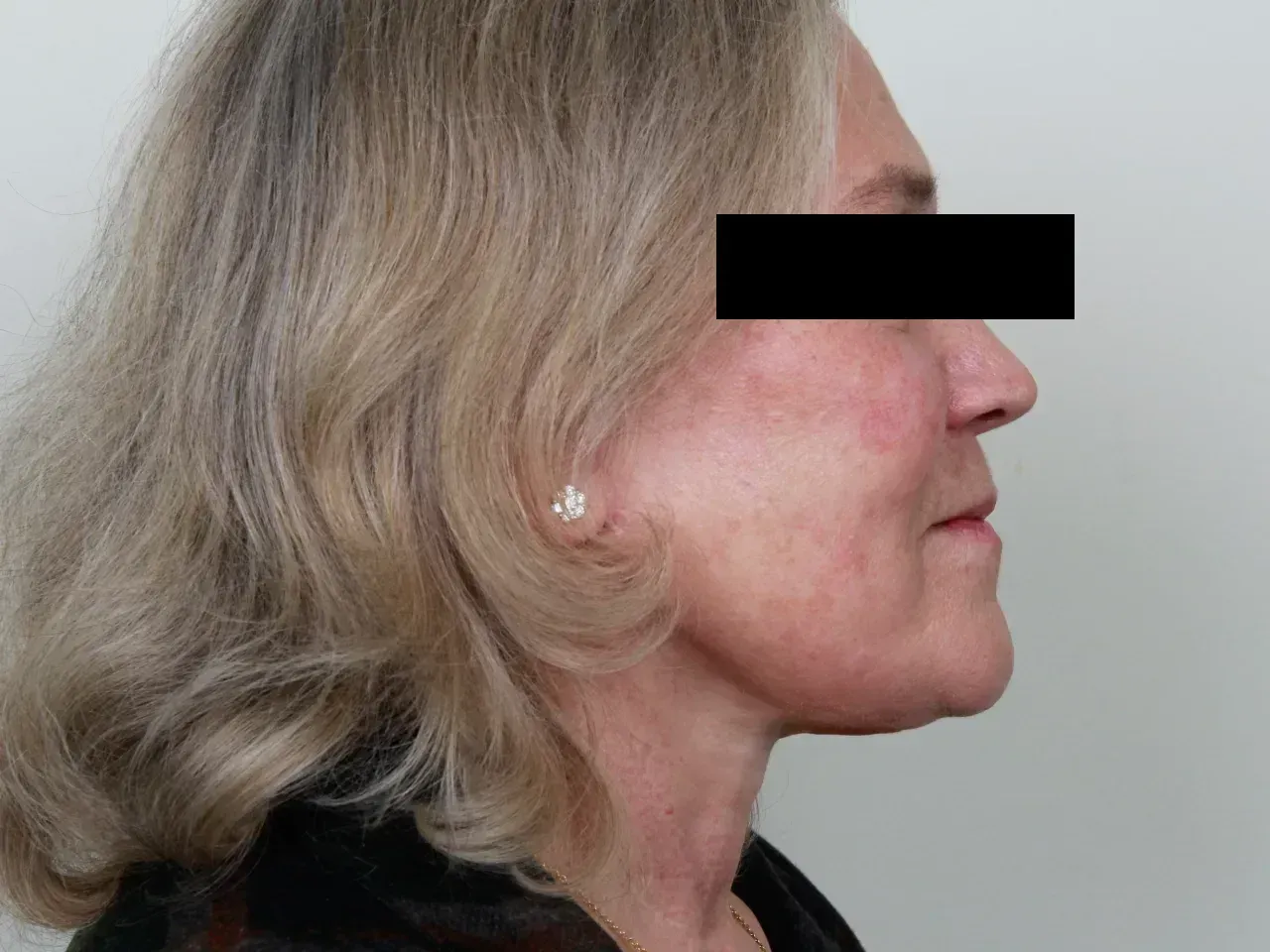
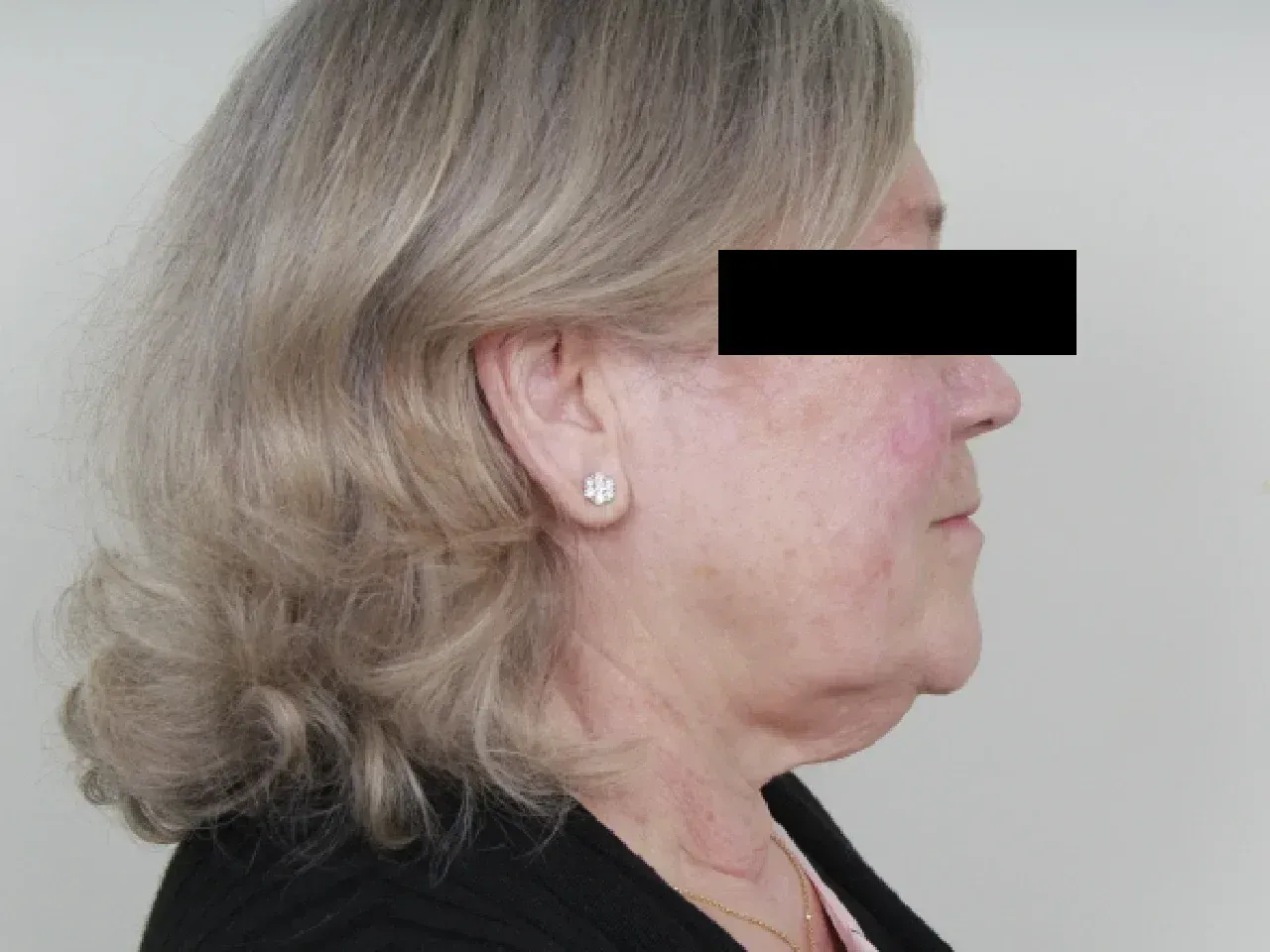
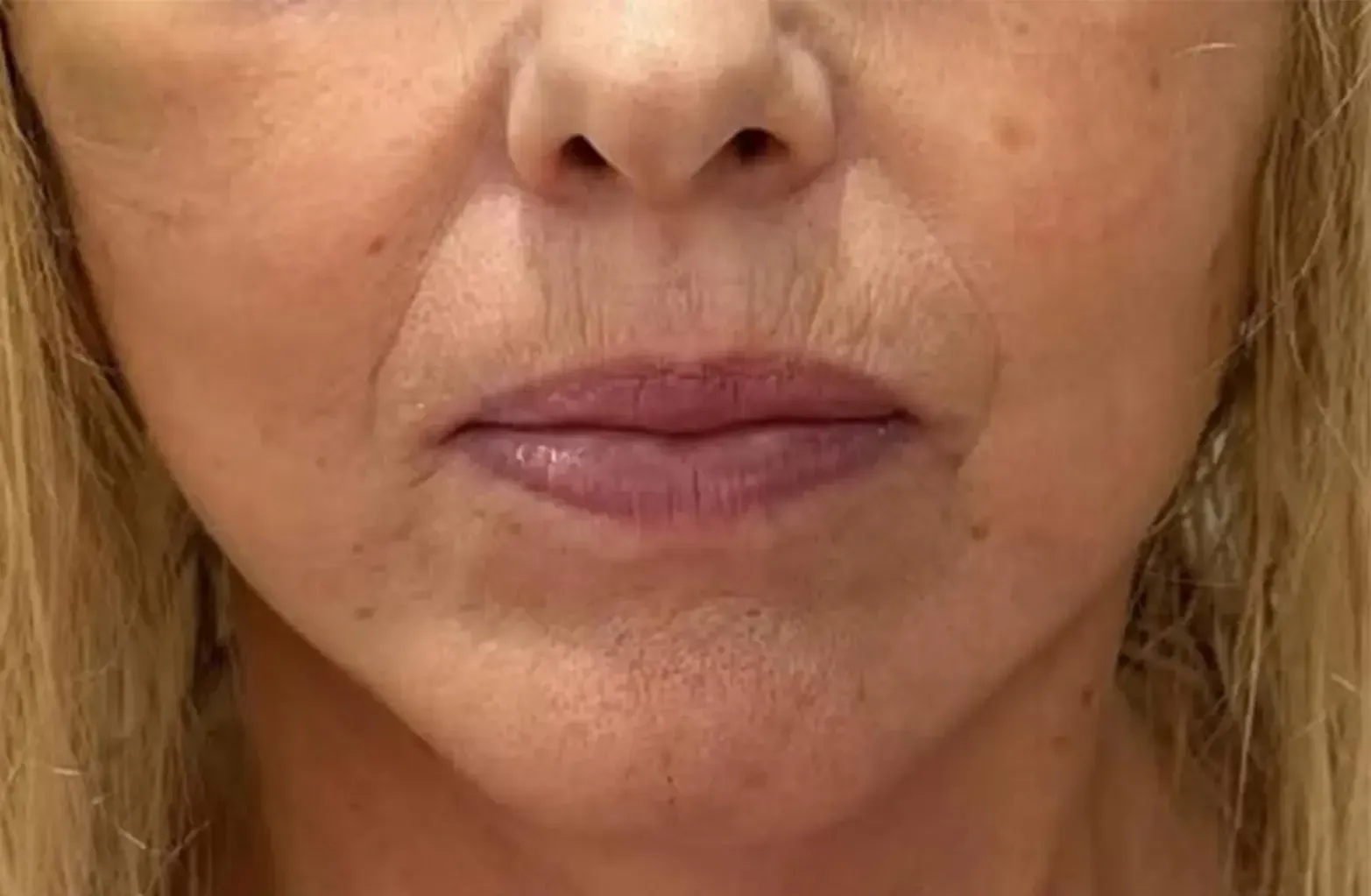
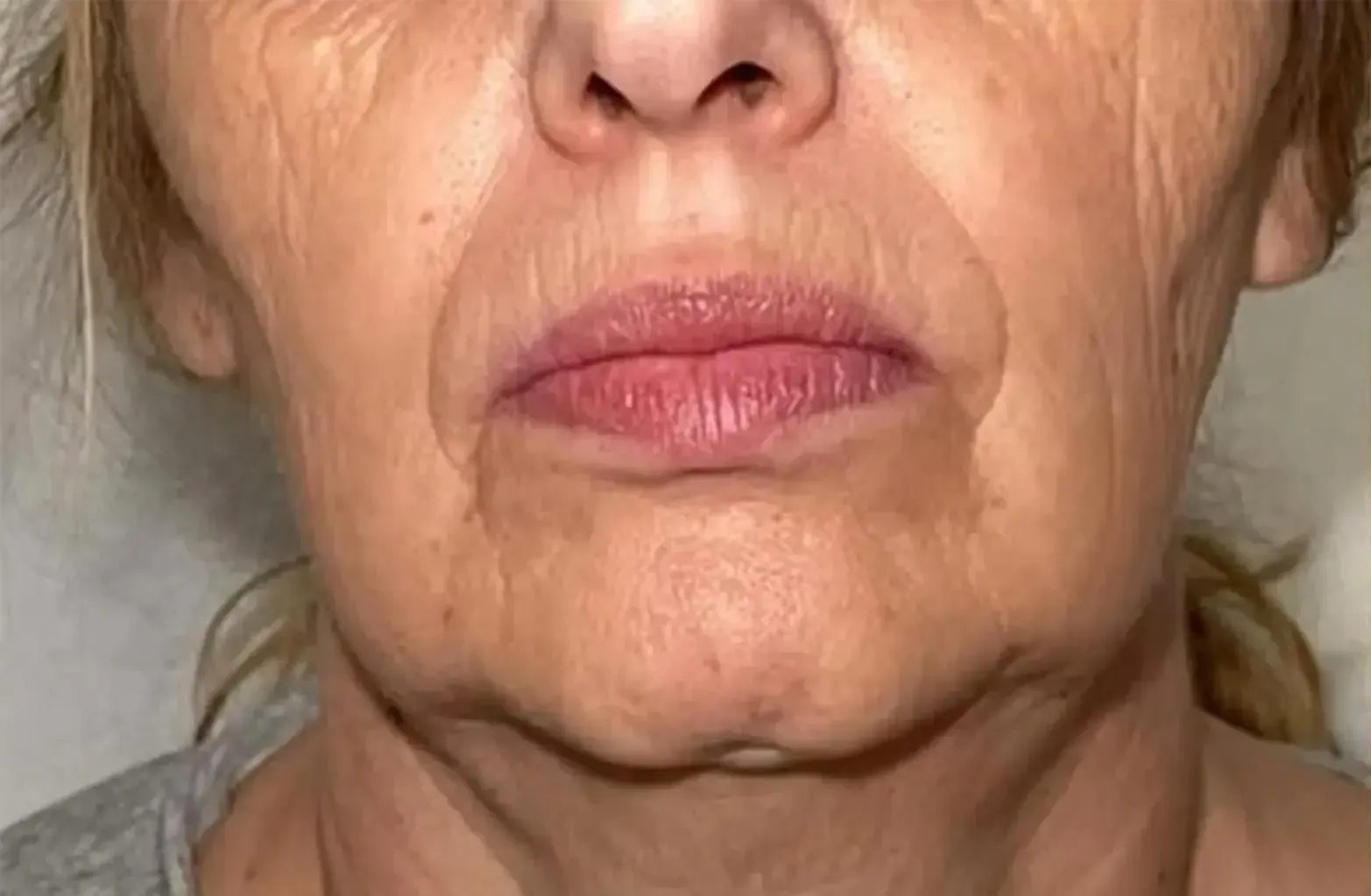
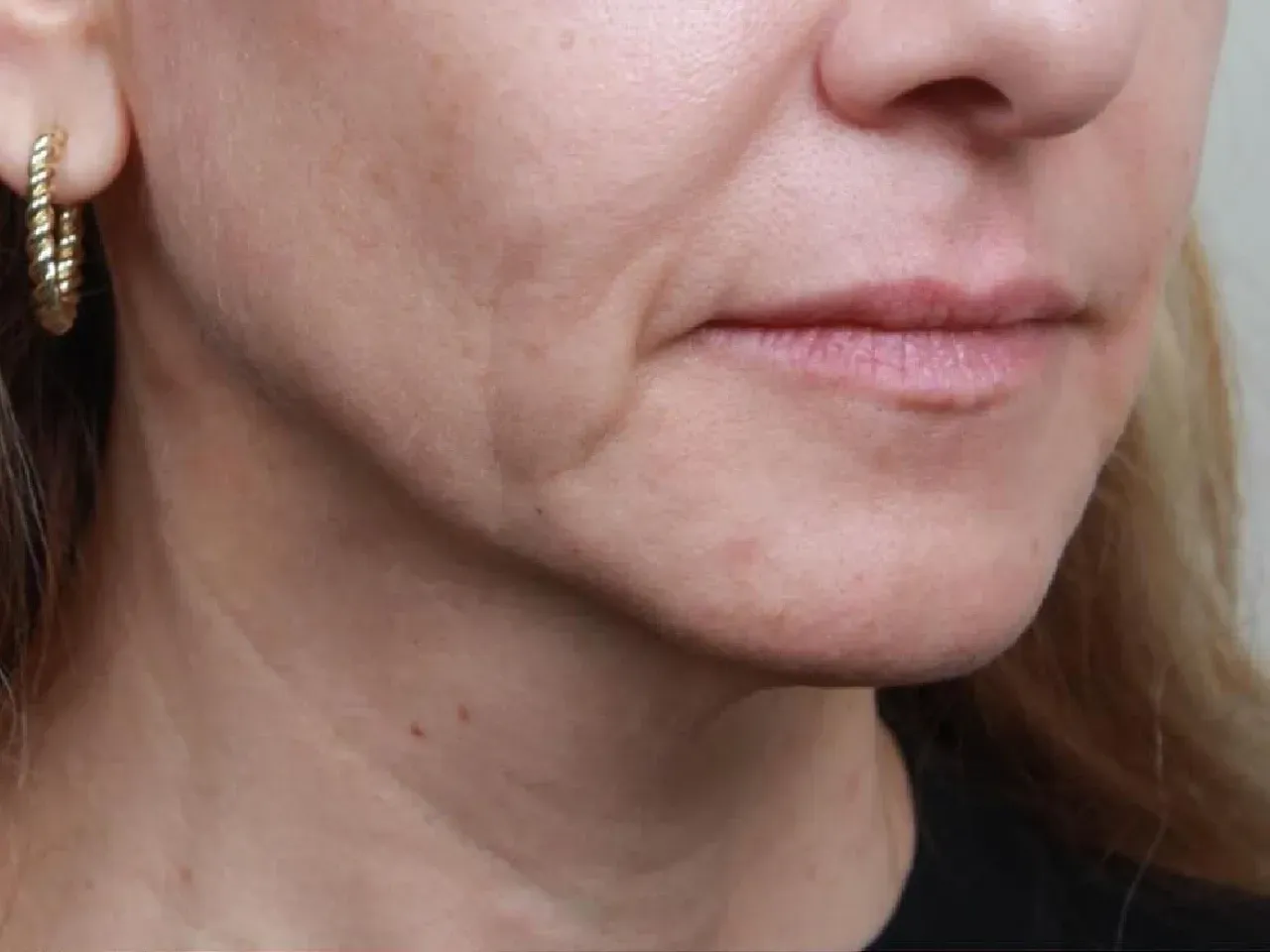
Mid-face lift before and after photos

Lifting Facial Deep Plane

Merche, patient from Barcelona

Deep plane facelift ✨

Cirugia Lifting de Cuello antes de la operación

Begoña, patient from Barcelona

Deep plane facelift ✨

Antes: Facelift ✨
Después: Facelift ✨

María, 59, Barcelona

Facelift ✨

Lifting de cuello después de Carmen
Lifting de cuello antes de Carmen

Carmen, 62, Madrid

Face and neck lift ✨

Lifting facial después
Lifting facial antes

Emma, 58, patient from Barcelona

Facelift ✨

Live outside Barcelona or Madrid?

You can also have your mid-face lift with us

Start with a video consultation with our surgeons. The surgeon who will operate on you assesses your case, answers your questions and gives you an exact, personalised quote. No travel needed for the first visit.

50 €

video consultation with your surgeon

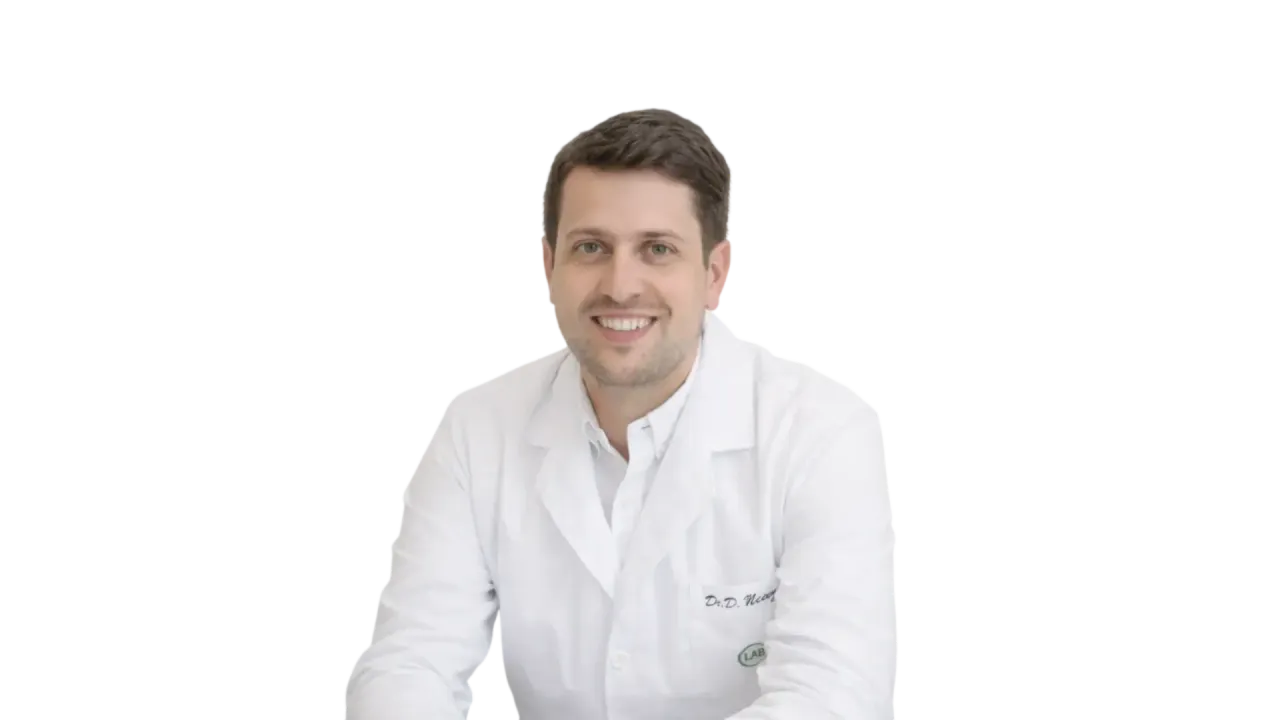
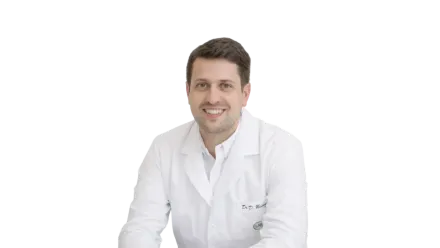
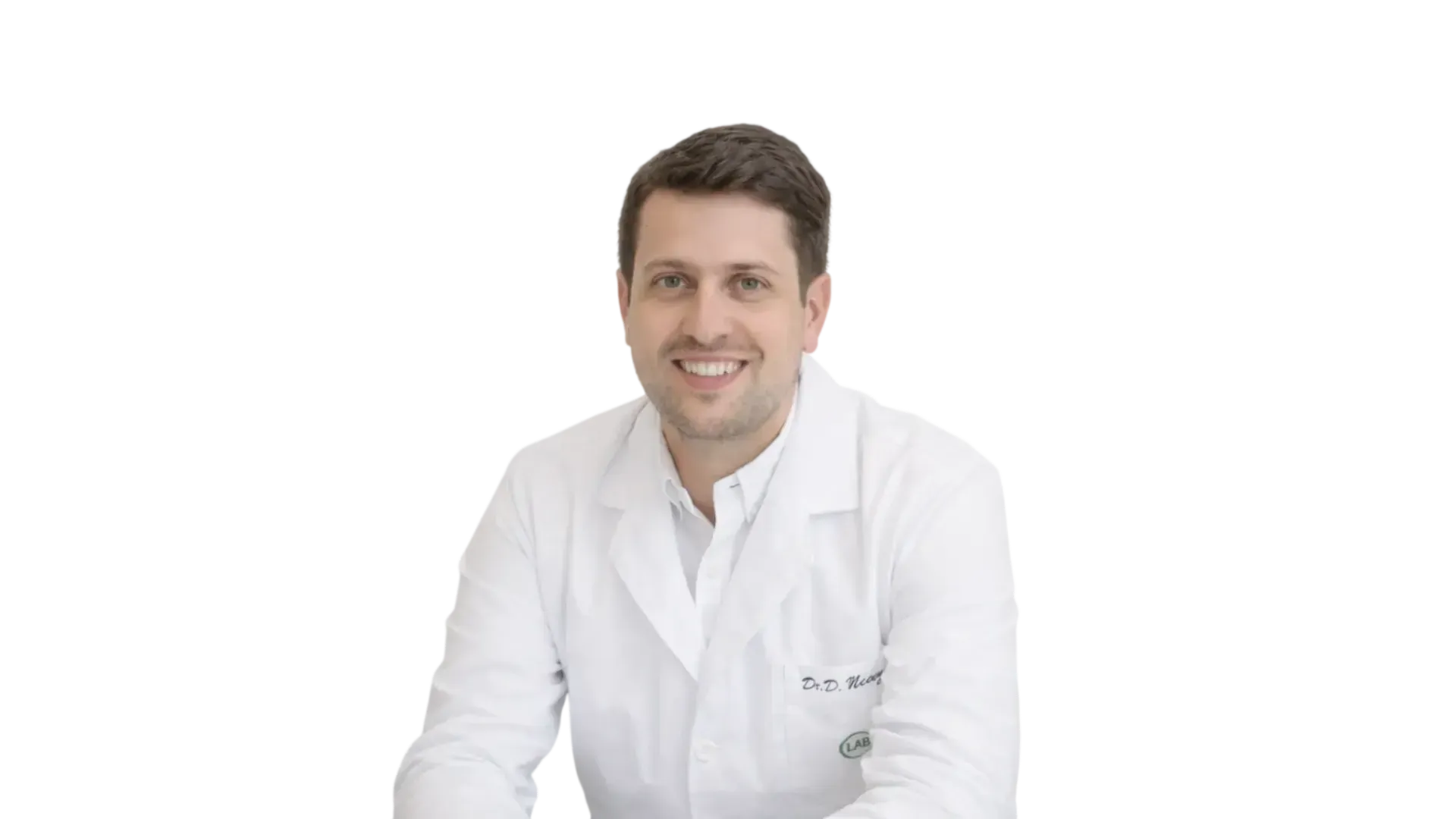
Dr. David Neagu

Dr. David Neagu

Facial and maxillofacial surgery

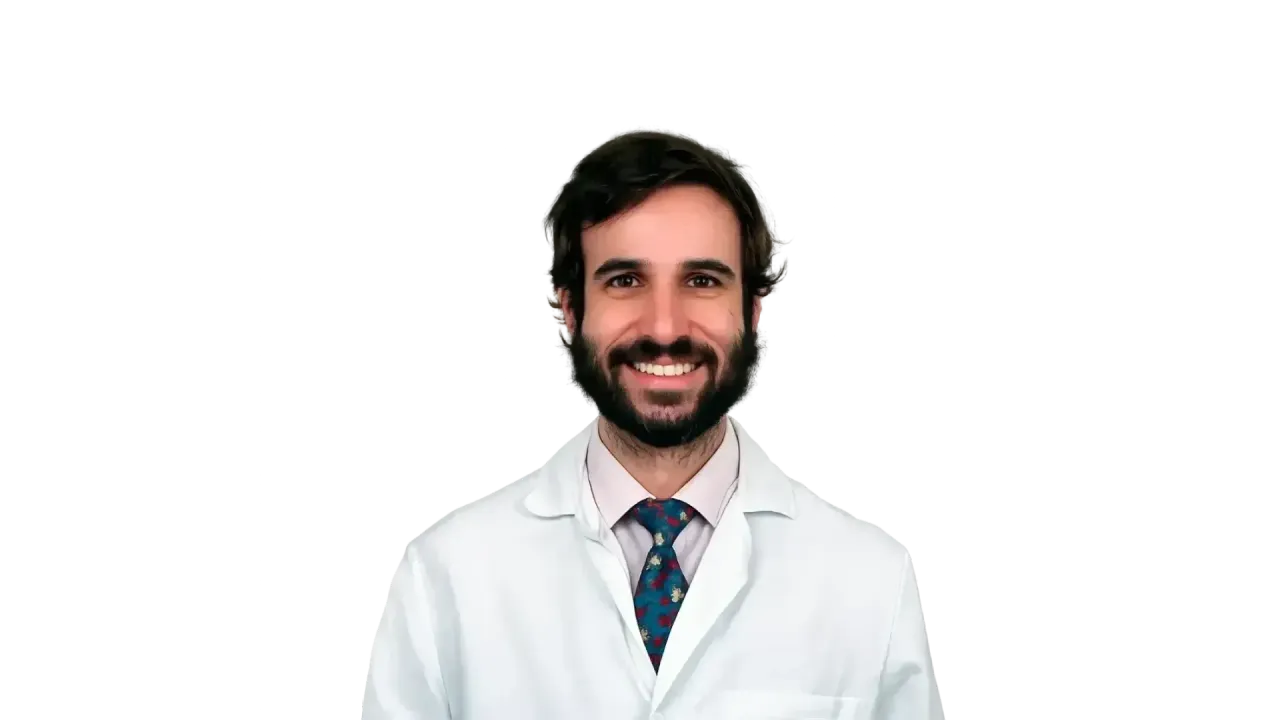
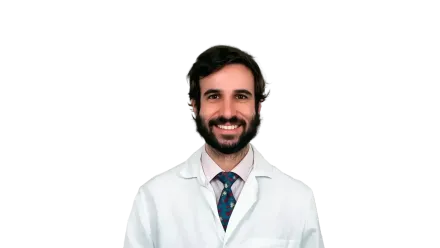
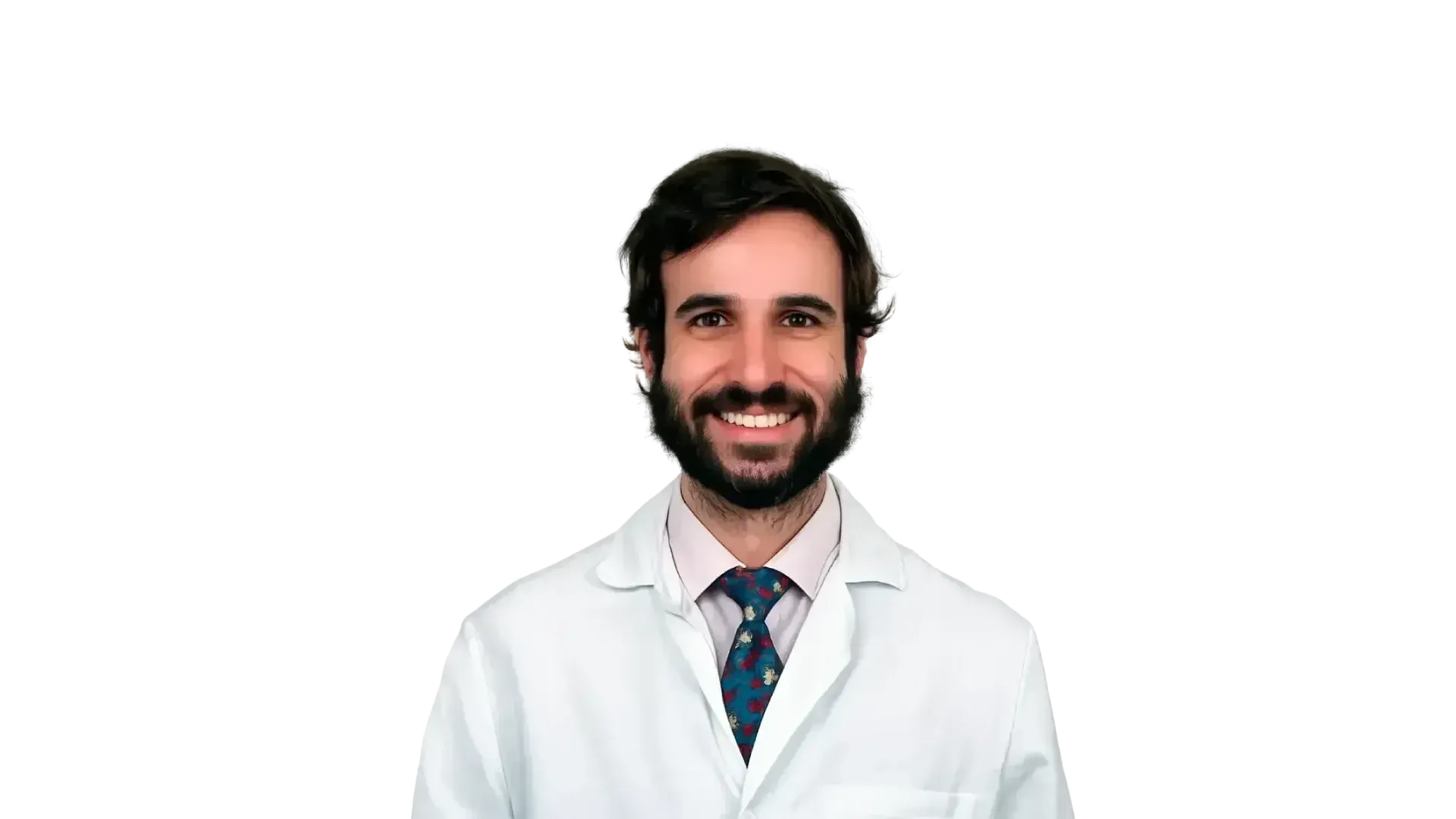
Dr. Álvaro Sada

Dr. Álvaro Sada

Facial and maxillofacial surgery

Who is not a candidate: contraindications for a mid-face lift

The mid-face lift is a safe surgery when performed under rigorous medical criteria, but there are situations in which it is contraindicated or should be postponed. At Instituto de Benito we always assess this in the pre-operative consultation, above any aesthetic or commercial consideration.

ContraindicaciónMotivo
Active smoking that cannot be pausedNicotine reduces blood flow to the skin and seriously compromises healing, increasing the risk of skin flap necrosis. We require patients to stop smoking for at least 4 weeks before and 4 weeks after surgery.
Treatment with anticoagulants or antiplatelet drugs that cannot be discontinuedIncreases the risk of hematomas, intraoperative bleeding and healing complications. Requires coordination with the prescribing physician.
Severe coagulation disordersHigh risk of facial hematoma. Requires prior hematological evaluation.
Decompensated cardiopulmonary diseaseThese increase anesthetic risk. They must be stabilized before surgery is considered.
Poorly controlled diabetesCompromises healing and increases the risk of infection. Requires controlled HbA1c.
Active local or systemic infectionIncreases the risk of wound infection and healing complications. Surgery is postponed until the infection has fully resolved.
Body dysmorphic disorder or unrealistic expectationsWhen the motivation stems from a distorted body image or anatomically impossible expectations, no technique will resolve the dissatisfaction. Requires prior psychological assessment.
Previous facial surgery with inadequate healingRecent facial surgery with unresolved complications must be stabilized before a new procedure is considered.
Severely compromised skin quality (isolated severe photoaging)The mid-face lift does not rejuvenate the skin: it repositions the structure. If the main problem is skin quality, skin treatments should be combined or other treatments prioritized.
Active autoimmune diseasesThese require individualized rheumatological evaluation. Surgery is assessed on a case-by-case basis.
Under 30 years of age, for aesthetic purposes with no anatomical indicationStructural sagging rarely justifies a mid-face lift before the age of 35-40. In that age range, non-surgical treatments are prioritized.

Risks and possible side effects of a mid-face lift

The mid-face lift is major surgery. It is performed in an accredited operating room, with a qualified anesthesiologist and full monitoring. This reduces the incidence of complications, but patients must be aware of them before signing the consent form.

Expected, mild reactions (most resolve on their own within 7-14 days)

  • Marked facial swelling, peaking at 48-72 hours.
  • Bruising on the cheeks, the angle of the jaw and the neck.
  • Firmness of the tissues in the dissected area for several weeks.

Less common effects

  • Mild, temporary asymmetries that resolve as the scars mature.
  • Hypertrophic scarring in predisposed patients (requires specific follow-up).
  • Need for a minor touch-up in the office (rare).

Uncommon complications (preventable with rigorous practice)

  • Significant hematoma requiring surgical drainage (1-3% of cases).
  • Wound infection (very uncommon with perioperative antibiotic prophylaxis).
  • Temporary injury to branches of the facial nerve: temporary weakness of the smile or forehead, usually reversible within weeks. Permanent injury is extremely rare in expert hands.
  • Skin necrosis: extremely rare, almost always associated with failing to stop smoking.
  • Keloid scarring (in patients with a history of it).

Our medical team, experts in the mid-face lift

Instituto de Benito is a center of reference in facelift surgery and advanced techniques for rejuvenating the middle third of the face, with more than 40 years of experience and thousands of satisfied patients.

The team combines surgical technique with a personal approach, aiming for a natural result in harmony with each face.

Our commitment to the mid-face lift

Safety is the cornerstone of Instituto de Benito. All patients who undergo mid-face lift surgery go through rigorous pre-operative tests and thorough follow-up at post-operative check-ups, which makes it possible to detect any potential complication early and act as effectively as possible.

The experience of our surgeons, with 40 years in plastic surgery and facial surgery, ensures high-quality procedures even in complex cases, with natural, harmonious and long-lasting results.

Where to have mid-face lift surgery

Book your mid-face lift consultation

The first step is not surgery: it is a consultation with the surgeon who would perform your procedure. They will assess your case, answer your questions and, after the visit, give you the exact price.

The first consultation costs €80, which is deducted from the cost of surgery if you decide to have your procedure with us. You can also call us.

Related treatments

Frequently asked questions about the mid-face lift

How much does a mid-face lift cost?

The price of a mid-face lift at Instituto de Benito starts from €12,000, although the final cost depends on the technique selected (endoscopic or classic), whether procedures need to be combined and the anesthesia plan. The final quote is provided after your personalized medical consultation; the NESAI® analysis is paid for separately (€90, optional).

What is a mid-face lift?

The mid-face lift is a rejuvenation surgery that acts specifically on the cheekbones and cheeks, repositioning the tissues that have dropped over time. Unlike a full facelift, it does not address the neck or the lower third: it is designed for those with sagging localized in the middle area of the face (flattened cheeks, marked nasolabial folds) who do not need a more extensive procedure.

What results can I expect?

A visible rejuvenation of the cheekbones and cheeks, with a fresher, more rested and harmonious face. The change becomes visible gradually. As a guide, the result is already visible to others at around a month to a month and a half, and full recovery comes between 4 and 6 months.

Is a mid-face lift painful?

Discomfort is usually mild to moderate and is effectively managed with medication and advanced recovery protocols. Most patients return to their social life between 10 and 15 days.

Will my expression change?

No. The mid-face lift is designed to rejuvenate without altering your expression or features, avoiding an artificial look.

What are the risks of a mid-face lift?

The mid-face lift is a safe procedure when performed in specialized centers by expert surgeons, but like all surgery, it carries potential risks.

At Instituto de Benito, safety is the priority and all procedures are performed under strict medical and control protocols, keeping complications to a minimum.

Most common risks (and generally mild)

  • Hematoma or bleeding: a build-up of blood under the skin; it may require monitoring or drainage.
  • Temporary swelling and discomfort: normal during the first few days; they gradually subside.
  • Temporary changes in sensation: numbness or increased sensitivity in the cheek area.
  • Mild temporary asymmetries: during the healing process.
  • Seroma: a buildup of fluid that usually resolves on its own or with drainage.

Uncommon risks

  • Post-operative infection.
  • Delayed healing or opening of the stitches.
  • Adverse reaction to anesthesia or to surgical materials.
  • Visible or thickened scars (uncommon and treatable).
  • Temporary impairment of a facial nerve branch (very uncommon and generally reversible).

How long do the results last?

As a guide, between 5 and 8 years. How long it lasts does not depend on the technique used, but on the quality of the tissues, genetics and how each patient heals. From around 5 years on, a little maintenance is usually advisable.

When can I exercise or go in the sun?

Exercise: after 3–4 weeks. Sun or beach: after 4–6 weeks, always with high sun protection.

What is the difference between a mid-face lift and a deep plane or full facelift?

The mid-face lift acts specifically on the cheekbones and cheeks. It is ideal when aging is concentrated in the middle third of the face and a full facelift is not necessary.

Can I combine this surgery with other treatments?

Yes. It can be combined with blepharoplasty, facial fat grafting or other rejuvenation treatments, always subject to a personalized medical assessment.

What happens if I lose or gain weight afterward?

Moderate weight changes do not usually alter the result significantly, although keeping a stable weight helps maintain it better over time.

What is recovery like after a mid-face lift?

The recommended rest at home is approximately 7 to 10 days. During that period, swelling and discomfort are managed with specific medication. Remote work can be resumed sooner; in-person social life, between 10 and 15 days. Physical exercise is reintroduced between 3 and 4 weeks, and sun exposure is resumed at 4-6 weeks with high protection. Full recovery comes between 4 and 6 months.

Medical review

doctor de benito

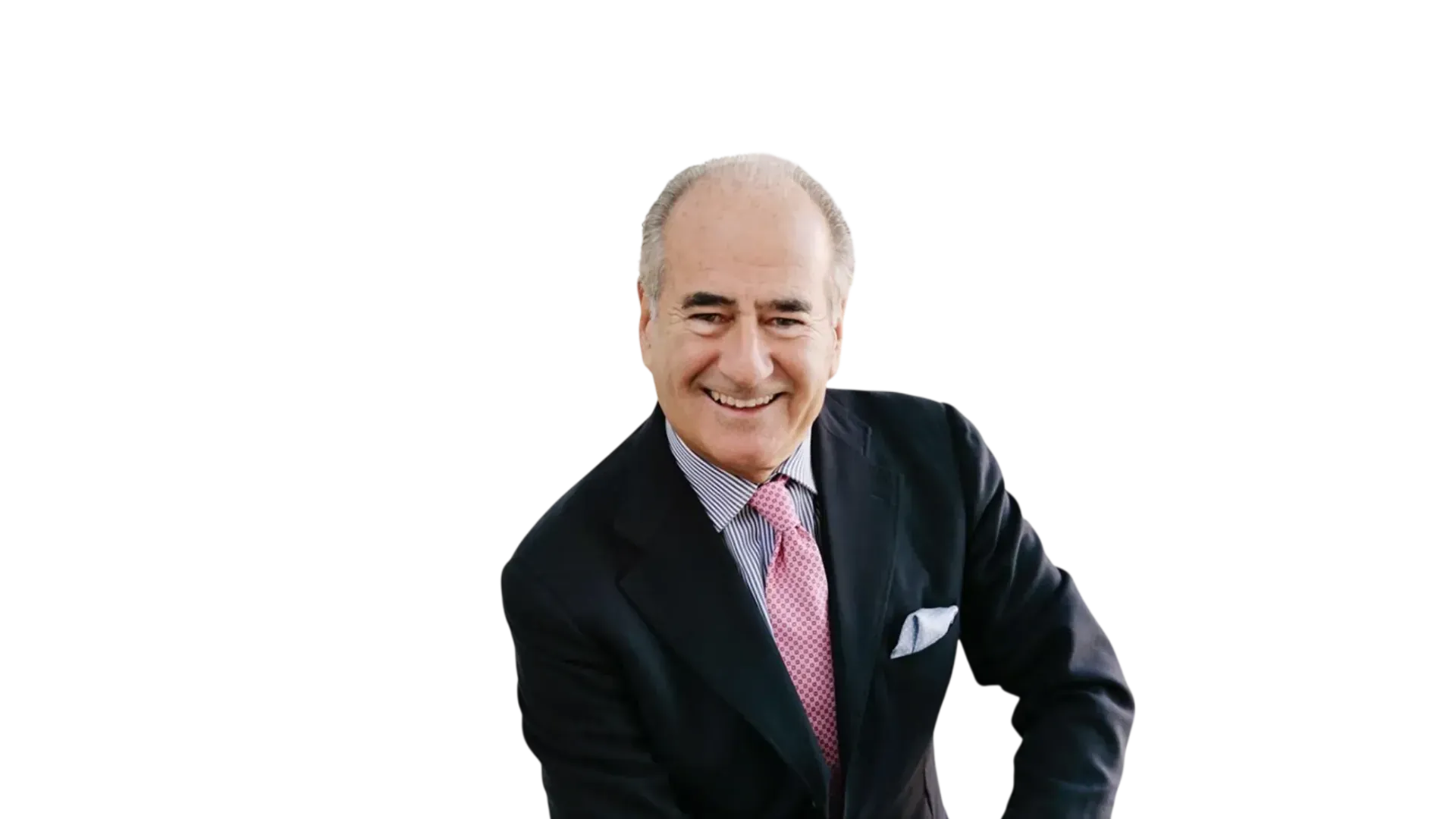
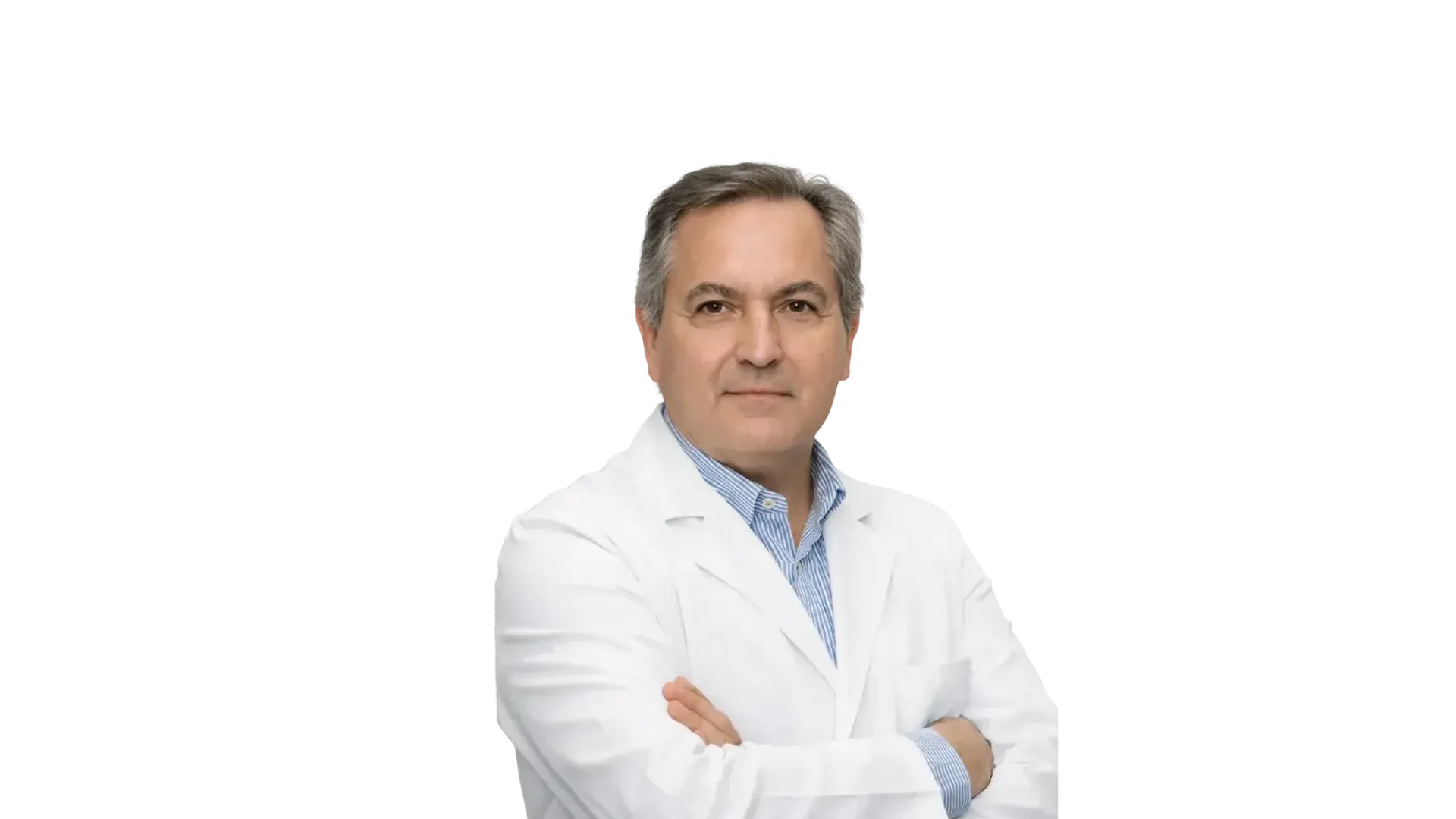
Dr. Javier de Benito
N.º de colegiación 8038

Plastic surgeon and medical director. International reference in facial surgery.

Excellent

Average rating: 4.8 / 5

Based on 651 reviews
GoogleFeed