Paramedical Micropigmentation
Paramedical camouflage of stretch marks and scars at Instituto de Benito: technique with dermograph that stimulates the natural regeneration of the skin
Price: 120€
Treatment duration:
60-120 minutes
Results
Natural
With prior assessment
Specialized
What is paramedical micropigmentation?
Paramedical micropigmentation is an advanced technique with a dermograph that stimulates the natural regeneration of the skin over scars and stretch marks, improving their texture, color, and making them practically imperceptible. Unlike conventional aesthetic micropigmentation, it does not use pigments: the effect is achieved through the controlled induction of micro-wounds that reactivate collagen production and normalize healing in the treated area.
It is indicated for patients with visible scars (post-surgical, traumatic, post-acne), white or pearly stretch marks (active red stretch marks require prior vascular treatment), and low-intensity burn scars that have already healed. It is the most clinical branch of micropigmentation lines: it requires prior assessment and is part of skin regeneration treatments.
At Instituto de Benito, this treatment is designed as a protocol of progressive sessions, evaluating the evolution between each one.
Types of paramedical treatment
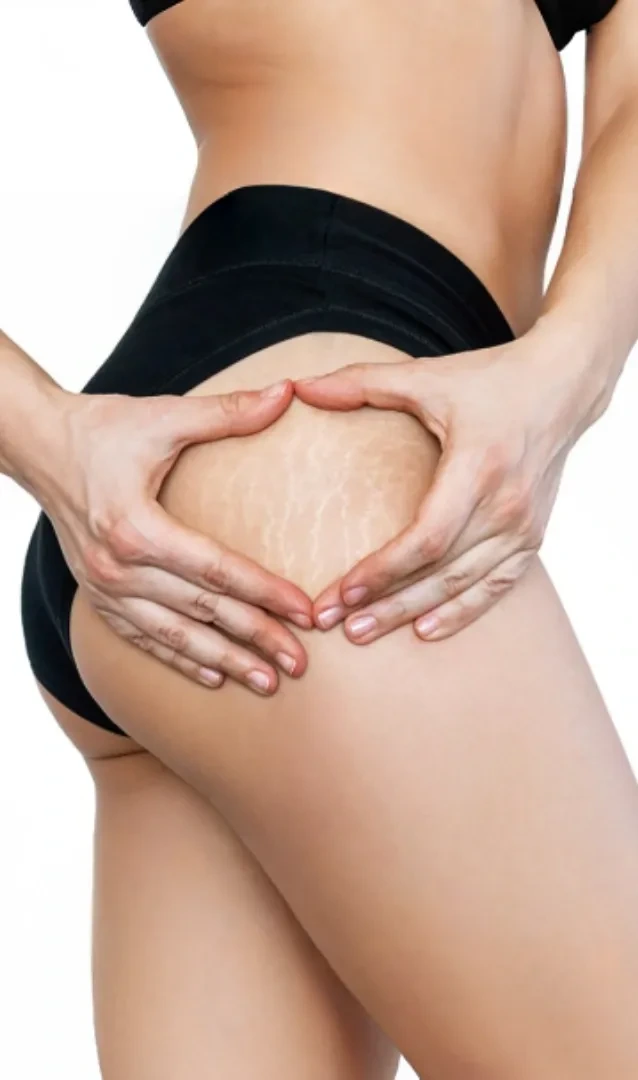
White stretch mark treatment
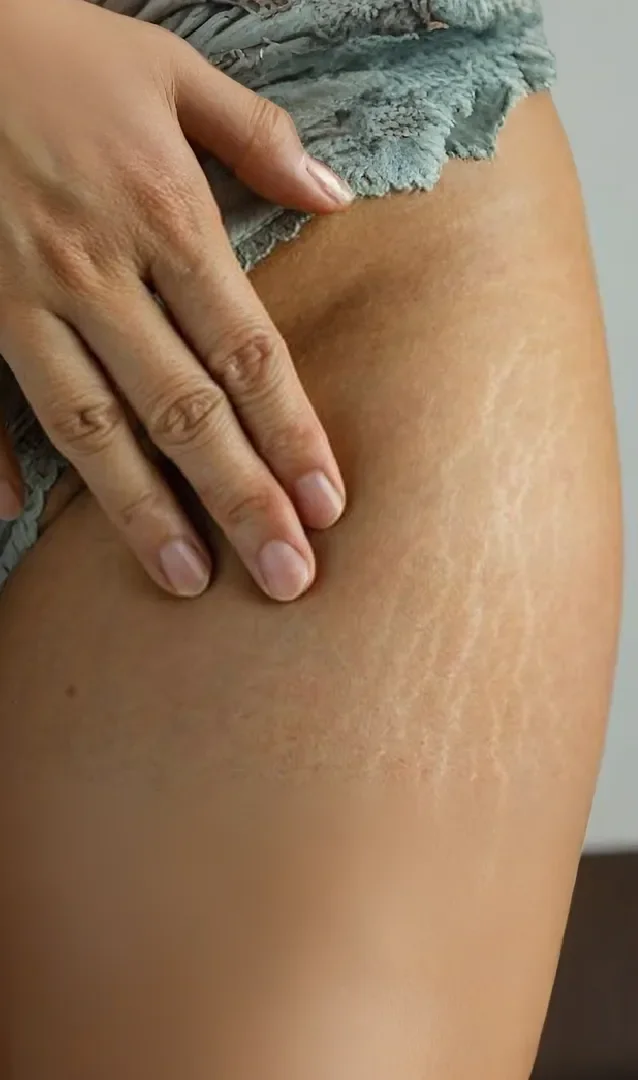
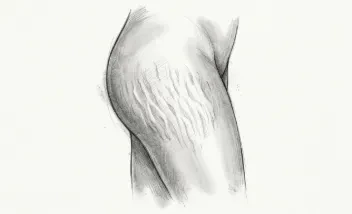
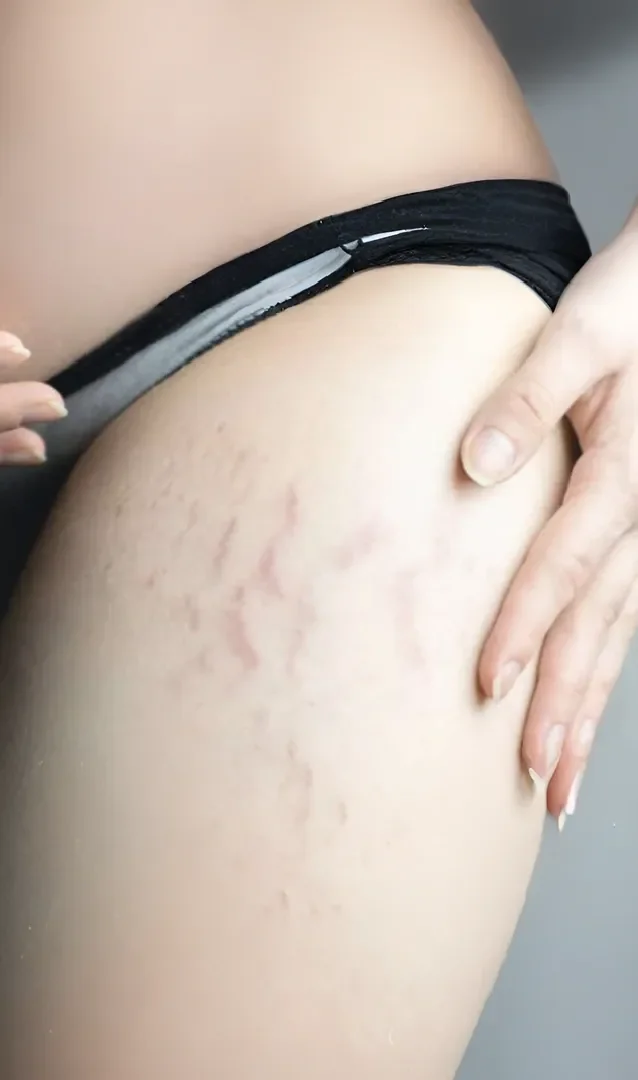
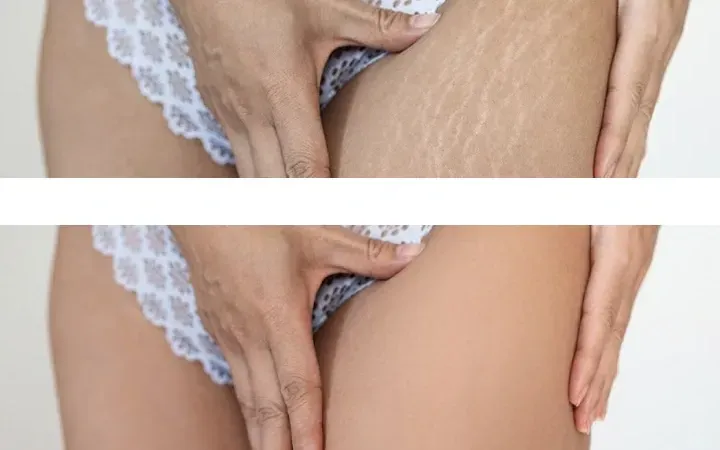
Indicated for pearly or white stretch marks (chronic stage), usually located on the abdomen, thighs, breasts, or buttocks. The technique with a dermograph causes controlled micro-wounds that stimulate the regeneration of fibroblasts and the deposition of new collagen and elastin. The result: the stretch marks gain a tone similar to the surrounding skin and visibly reduce their depth and width.
It is not performed on active red stretch marks, which require prior treatment with vascular laser or IPL to stabilize the lesion before starting regeneration.
Scar camouflage
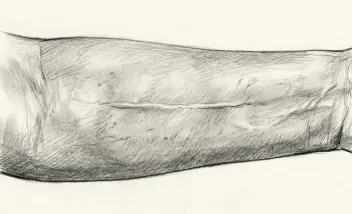
Indicated for atrophic scars (depressed), normotrophic scars (flat but visible due to color change), and hypopigmented scars (lighter than the adjacent skin). The dermograph regenerates the skin to even out texture and color, making the scar practically imperceptible.
Hypertrophic or keloid scars: evaluated on a case-by-case basis. In these cases, it may be combined with prior corticosteroid infiltrations or referred to another more suitable treatment.
Post-acne scar camouflage
Specific variant for atrophic acne scars (ice pick, boxcar, crater scars). It is combined, when indicated, with complementary sessions of microneedling with dermapen or radiofrequency. The protocol is designed after prior assessment of skin quality.
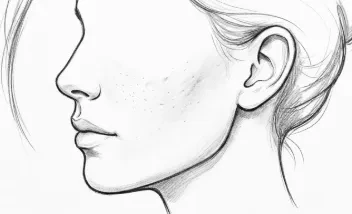
What does paramedical micropigmentation/em> consist of?
The treatment uses a digital dermograph and high-quality pigments, calibrated for the lip tissue (more vascularized and faster healing than facial skin). It is completed in two sessions separated by 6–8 weeks: the first for design and initial pigmentation, and the second for reinforcement to consolidate the final color intensity.
Personalized Assessment:
The assessment is mandatory. The type of scar or stretch mark, its age (we do not work on scars less than 12 months old), skin phototype, history (previous keloids, autoimmune diseases, photosensitivity), and the clinical viability of the treatment are evaluated.
Clinical Documentation of Initial State
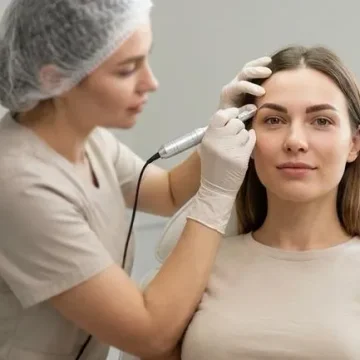
The starting state is documented with standardized clinical photography to compare the evolution between sessions. In complex scars or patients with multiple areas to treat, this analysis allows prioritizing areas and planning the order of action.

Treatment Preparation

The area must be clean, without creams or sunscreens. Avoid sun exposure in the 14 days prior. Do not undergo other treatments in the area in the previous 4 weeks (peelings, laser, microneedling).
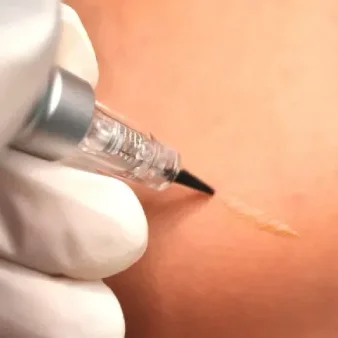
In-Office Treatment
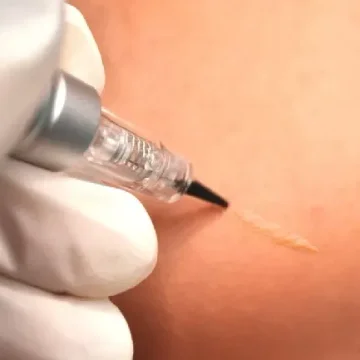
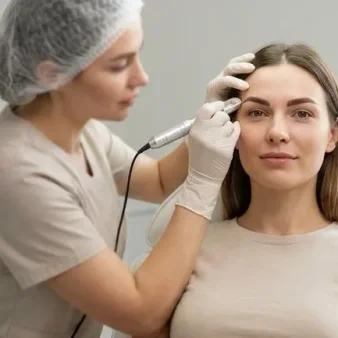
The session lasts between 60 and 120 minutes depending on the area size. Surface anesthetic cream is applied. The technique works with a digital dermograph, single-use sterile needles, and specific movements calibrated for each type of lesion.
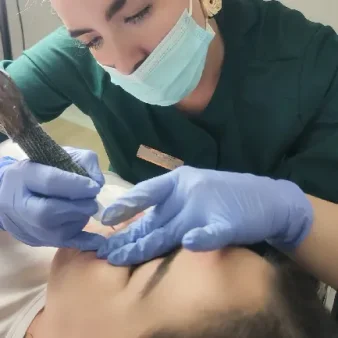
Second Session and Progressive Results
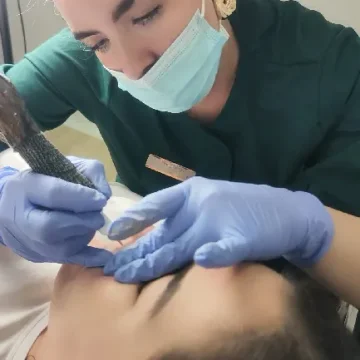
The number of sessions is not determined initially: it depends on how regeneration evolves between each appointment. Some cases are resolved in a single session, others require two, four, or even five. Stating a fixed number without assessing the case would be misleading to the patient. Sessions are usually spaced 4–6 weeks apart and are evaluated photographically between each one. The results are progressive and permanent: once the skin has regenerated, it does not revert to the previous state.
Pre and post paramedical treatment
What is the price of paramedical micropigmentation treatment
350€
The price of paramedical micropigmentation at Instituto de Benito is 120€ per session.
The number of sessions is assessed during consultation and is not fixed initially. Some cases are resolved in a single session, others require two, four, or five. Advancing a fixed number without having seen the case would be dishonest: the scar or stretch mark dictates how many sessions are needed, not the rate.
After the initial assessment and the first session, María Castany offers an indicative plan that is adjusted session by session according to how the skin regeneration evolves.
Are you suitable for a paramedical micropigmentation treatment?
- 01
Visible post-surgical or traumatic scars
Ideal for scars over 12 months old, atrophic or hypopigmented.
- 02
White or pearly stretch marks
Indicated for stretch marks in the chronic stage (white), usually on the abdomen, thighs, breasts, or buttocks.
- 03
Post-acne scars
Recommended for stabilized atrophic sequelae with inactive acne.
- 04
Sequelae of low-intensity burns
Indicated in first and second-degree burns that have healed, with a minimum of 12 months of evolution.
- 05
Search for progressive and permanent results
For patients who understand that it is not a one-session treatment, but a regeneration protocol with gradual results.
- 06
Clinical honesty over closed promise
If you prefer to be told "I still don't know how many sessions you'll need, we'll see as we go" rather than being sold a package without having seen you, this is your place.
Remove scars
Risks and contraindications
Paramedical micropigmentation requires strict clinical selection of the patient. Not all patients are candidates and not all scars or stretch marks are treatable.
Absolute contraindications
- Pregnancy and breastfeeding.
- Scars less than 12 months old (not stabilized).
- Active red stretch marks (require prior vascular treatment).
- Known tendency to keloids in the area to be treated.
- Autoimmune diseases in active phase (lupus, active vitiligo in the area).
- Treatment with oral isotretinoin in the previous 6 months.
- Uncontrolled diabetes.
- Active treatment with anticoagulants (check with doctor).
- Active oncological treatments without medical discharge.
Frequent side effects (mild and transient)
- Redness and inflammation for 24–48h.
- Appearance of small scabs or peeling during healing (5–10 days).
- Sensitivity and mild itching during regeneration.
Uncommon effects
- Post-inflammatory hyperpigmentation (more common in skin types IV–VI; prevented with strict photoprotection).
- Unexpected scarring due to individual reaction (uncommon, monitored session by session).
Where to get paramedical micropigmentation treatment?

Our team in micropigmentation
Paramedical micropigmentation at Instituto de Benito is led by a specialist dedicated exclusively to this discipline, trained in aesthetic and paramedical techniques, and recognized as a reference in specialized media.

Related treatments

Frequently asked questions about micropigmentation
How much does paramedical micropigmentation cost?
€120 per session. The number of sessions is assessed during consultation and adjusted according to progress; it is not fixed initially because it will depend on how the skin regenerates.
Is it painful?
It is practically painless with surface anesthetic cream. The sensation is of mild itching or warmth during the procedure.
Are the results permanent?
Yes. The regeneration of the skin is permanent. Once the texture and color are restored, it does not reverse.
Does it work on any scar?
No. It works very well on atrophic, normotrophic, and hypopigmented scars. For hypertrophic and keloid scars, it requires a combined protocol, and sometimes another alternative is better.
And on red stretch marks?
Not initially. Active red stretch marks require prior treatment with vascular laser or IPL to stabilize. Once they turn white, they are candidates for paramedical treatment.
Is it the same as microneedling?
The technique is similar (controlled micro-wounds) but paramedical is performed with a dermograph and point-by-point control of each lesion, while microneedling with dermapen is a full-area treatment. They can be combined depending on the case.
Is there a risk of hyperpigmentation?
There is, especially in higher phototypes (IV–VI). It is prevented with strict photoprotection for 3 months post-treatment.
When can I return to my daily routine?
Immediately, respecting the care for the first 7–10 days (do not wet the area for 48h, no sun exposure, do not scratch scabs).
Why don't you give me a fixed number of sessions in advance?
Because it wouldn't be honest. The skin responds differently in each patient: some scars resolve in a single session and others require five. Predicting a number without seeing how the first session evolves would be promising something that cannot be guaranteed.