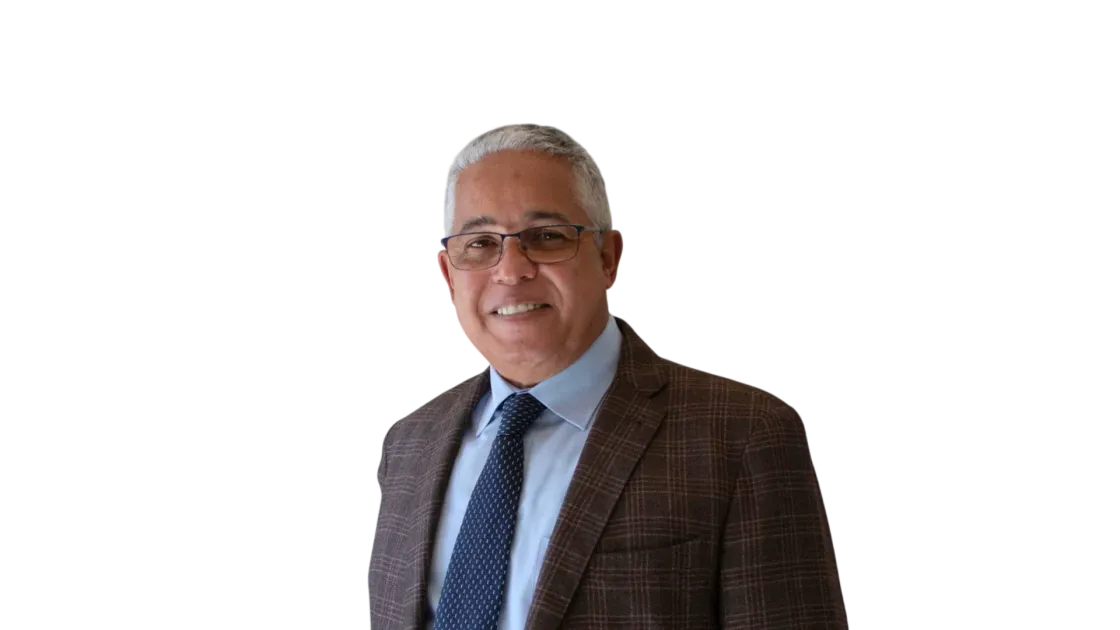
Dr. Orestes Fernández specialist in body contouring
Surgeon specializing in body contouring
Medical license no. 4304469
A leading doctor in body lift surgery.
The doctor sees patients in BarcelonaView medical profile
A body lift removes excess skin from the abdomen, waist and buttocks in a single procedure, and is mainly indicated after major weight loss.
From: 7.500 € VAT not included



Surgery duration:
4 to 6 hours
Recovery time:
2 to 3 weeks
Anesthesia:
General
Anesthesia:
General
Hospital stay:
Usually 1 to 3 nights
Social life:
2 weeks
A body lift is a complex procedure that treats several areas of the body as a whole. It usually includes the abdomen, lower back, flanks, buttocks and outer thighs, although it is always adapted to each patient's needs. The goal of the surgery is not only to remove excess skin. The surgeon repositions the tissues, redefines the body contour and restores a more harmonious structure. This approach makes it possible to achieve natural results, avoiding an artificial or overly tight appearance.
In many cases, especially after bariatric surgery or major weight loss, the body lift becomes the final step in the body transformation process.
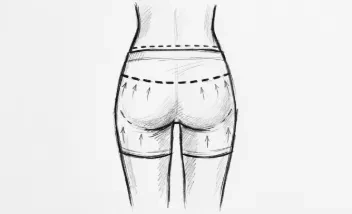
This is the most common type and focuses on the lower part of the body. It treats the abdomen, lifts the buttocks and improves sagging of the thighs, and is especially indicated for patients who have lost a lot of weight.
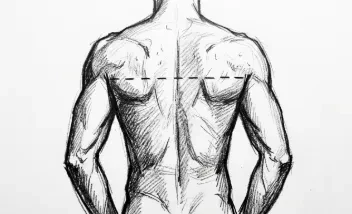
This focuses on areas such as the upper back, arms or chest, where excess skin can also appear.
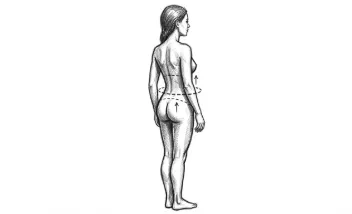
This addresses the body contour as a whole, with a comprehensive correction that redefines the entire silhouette in a single procedure.
VAT not included
A body lift at Instituto de Benito starts from €7,500, varying according to the areas included, the technique used, the length of the procedure and the tests and follow-up included, and is adapted to each patient.
You can finance this procedure: 12 months interest-free and up to 60 months. See the options on our financing page.
*Prices valid in 2026. The exact price is given after the visit, once the surgeon has assessed your case.
Medical consultation, personalized planning, surgery to remove excess skin and post-op follow-up to ensure a proper recovery.

The process always begins with a detailed medical consultation. In this first visit we assess the degree of skin laxity, the distribution of excess skin and the patient's general condition. This step is key, as it allows us to define a safe and realistic surgical strategy. The initial consultation costs €80. If you cannot travel, the first visit can also be done by video call with the surgeon who would operate on you: it costs €50, which is deducted if you decide to have surgery.

From there, the procedure is planned individually, taking into account the areas to be treated, the type of incisions and the result being sought. No two body lifts are the same.
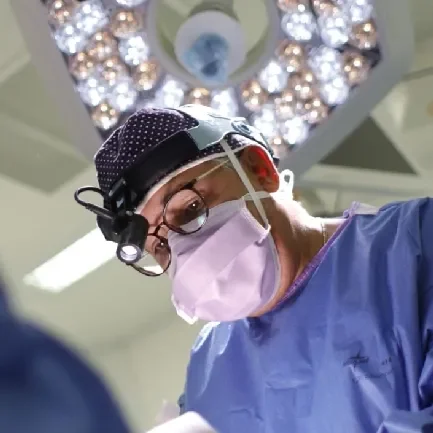
The surgery is performed in the operating room under general anesthesia and can last several hours, depending on the complexity of the case. During the procedure, excess skin is removed and the tissues are repositioned to rebuild the body contour.

After surgery, a gradual recovery phase begins. During this period, medical follow-up is essential to monitor progress, minimize discomfort and ensure proper healing.

After a body lift, the change shows in a firmer, more proportionate and more defined silhouette, where excess skin no longer determines the shape of the body. As the swelling subsides, the tissues gradually adapt to the new contour, revealing a more harmonious and natural result.
For years, this surgery has been associated with a recovery marked by a feeling of tightness, swelling and some discomfort in the treated area. However, advances in medical protocols now make it possible to approach recovery from a more advanced perspective.
At Instituto de Benito we apply Synapta®, a protocol designed to support the body through its recovery process after surgery, helping to make the experience more manageable and controlled.
Beyond the conventional use of medication, this approach focuses on the body's neurophysiological response after surgery. Through specific techniques, it aims to modulate inflammation, reduce tissue tension and improve the body's adaptation to the surgical change.
These protocols are part of a process in which post-operative well-being matters as much as the aesthetic design. Each case is assessed individually to tailor the instructions to each patient.
*Synapta® is included in surgeries performed in Barcelona.
Carlos Alsina
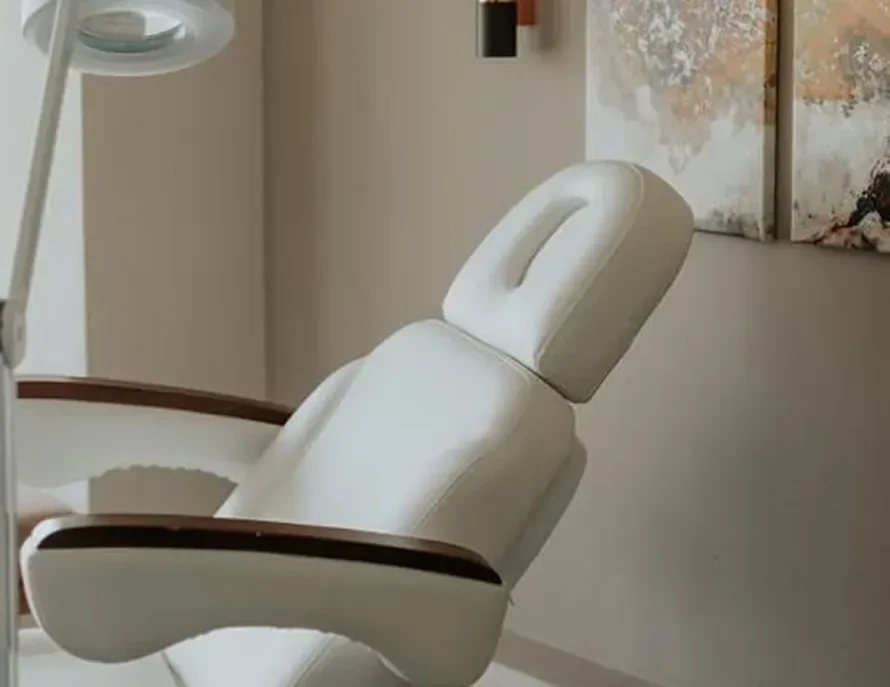

A body lift is especially indicated for people who have experienced major weight loss and have excess skin that cannot be corrected with exercise or non-surgical treatments.
It is especially recommended if:
After major weight loss, especially following bariatric surgery or drastic changes, it is common for the skin not to retract. In these cases, a body lift removes that excess skin and redefines the body contour as a whole, improving both shape and everyday comfort.
Some people do not have a significant excess of fat, but they do have a loss of firmness that affects their silhouette. When the skin has lost elasticity and does not respond to exercise or non-surgical treatments, a body lift is the most effective procedure for tightening it.
After a major physical transformation, the body often loses structure, with sagging areas that disrupt its overall harmony. A body lift repositions the tissues and restores a more balanced and coherent silhouette.
Beyond aesthetics, excess skin can cause irritation, chafing or difficulty getting dressed or moving. In these cases a body lift improves both appearance and function.
A body lift is indicated when the patient has reached a stable weight and the excess skin still persists. This is key, as the surgery acts on the skin and not on weight, so prior stability improves long-term results.
When the goal is not to lose weight but to complete the process of physical change, a body lift becomes the final step. It brings the body transformation process to a close, moving from a slimmer but sagging body to a firm, defined and proportionate silhouette.

Although a body lift is one of the most effective surgeries for correcting excess skin and improving body contour after major weight loss or significant changes in the silhouette, there are situations in which it is contraindicated or should be postponed. At Instituto de Benito we always assess this during the preoperative medical consultation, above any aesthetic or commercial consideration. A suitable candidate is not defined solely by the desire to have surgery: we assess their state of health, the stability of their weight, their emotional situation and whether their expectations of the results are realistic.
| Contraindicación | Motivo |
|---|---|
| Current pregnancy or active breastfeeding | The hormonal and physical changes of pregnancy and breastfeeding alter tissue tension and can compromise the aesthetic result. They increase certain anesthetic and postoperative risks. Surgery should be postponed until full recovery after childbirth and the end of breastfeeding. |
| Ongoing weight loss or unstable body weight | A body lift is indicated once weight has stabilized. Significant fluctuations afterwards can cause new skin laxity and compromise the results achieved. We recommend maintaining a stable weight for at least 6 months before the procedure. |
| Active obesity or high body mass index | Being significantly overweight increases the risk of anesthetic, thromboembolic, infectious and healing complications. In these cases it is usually recommended to reach a more suitable weight first before considering surgery. |
| Active infection, local or systemic | Any infection increases the risk of surgical wound infection, seromas, delayed healing and postoperative complications. The procedure should be postponed until it has fully resolved. |
| Severe coagulation disorders | These increase the risk of intraoperative bleeding, hematomas and complications during recovery. They require prior hematological testing and assessment. |
| Uncontrolled systemic diseases | Conditions such as poorly controlled diabetes, heart failure, severe lung disease or uncontrolled hypertension increase surgical risk and make recovery more difficult. They must be stabilized before considering the procedure. |
| Active smoking | Nicotine significantly reduces blood flow to the skin, increasing the risk of skin necrosis, wound opening, infections and poor-quality scars. We require patients to stop smoking at least 4 weeks before and 4 weeks after surgery. |
| Body dysmorphic disorder or unrealistic expectations | When the motivation for surgery stems from a distorted perception of body image or from expectations that are impossible to meet, surgery will not resolve the dissatisfaction. These cases require specialized psychological assessment. |
| Nutritional deficiencies or malnutrition | These are relatively common in patients after bariatric surgery. A lack of protein, iron, vitamins or minerals compromises healing and increases the risk of complications. They must be corrected before the procedure. |
| Under 18 years of age for cosmetic purposes | Physical development must be fully complete before considering body surgery of this kind for purely aesthetic purposes. |
| Pregnancy planned in the short term | Although it is not an absolute contraindication, a later pregnancy can stretch the skin and tissues again, altering the result achieved. For this reason we recommend completing your family plans before surgery whenever possible. |
| Active autoimmune diseases | Conditions such as lupus, rheumatoid arthritis or scleroderma require an individualized assessment together with the treating specialist, as they can affect healing and post-op recovery. |
| Recent abdominal or body surgeries with unresolved complications | Infections, persistent seromas, suture dehiscence or unstable scars must be fully resolved before considering a body lift. |
| Treatment with anticoagulants or antiplatelet drugs | This is not an absolute contraindication, but it requires adjustment or temporary suspension under medical supervision and coordination with the surgical team to minimize the risk of bleeding. |
| High thromboembolic risk | A history of deep vein thrombosis, pulmonary embolism or certain clotting disorders requires a specific evaluation and individualized preventive protocols, as a body lift is a long surgery. |
| Lack of psychological readiness or inability to follow post-op care | Recovery requires wearing compression garments, temporarily limiting activities and strict medical follow-up. Patients who cannot follow these recommendations have a higher risk of complications and unsatisfactory results. |
Your transformation doesn't end when you lose the weight

With more than 40 years of experience in plastic surgery and an established track record in advanced body contouring, the team has worked with patients ranging from moderate skin laxity to complex cases after major weight loss. This experience shows that each body requires a different strategy, moving away from standard solutions.

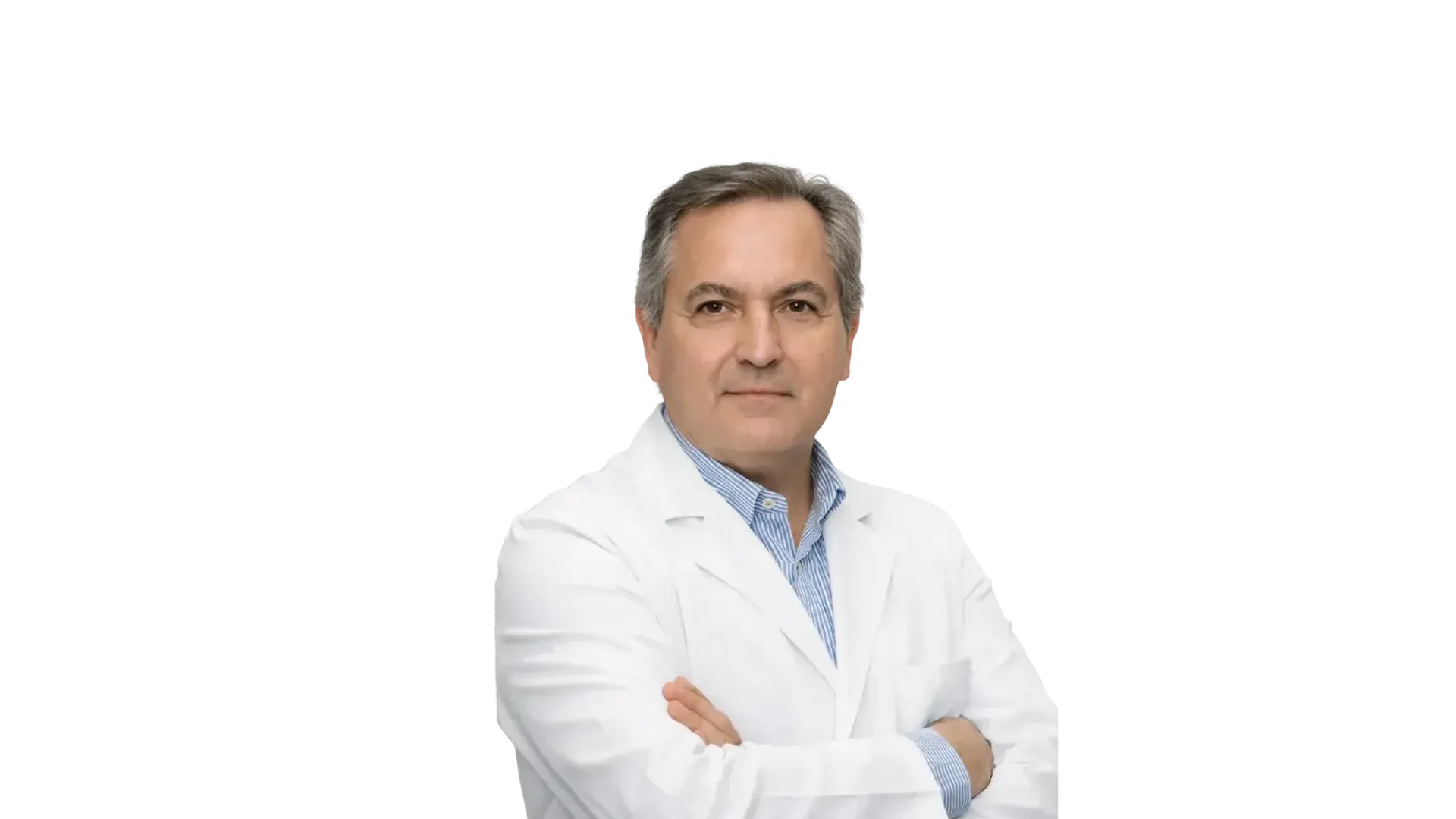
«Beyond removing localized fat, HD liposuction seeks to redefine the silhouette through precise body sculpting»
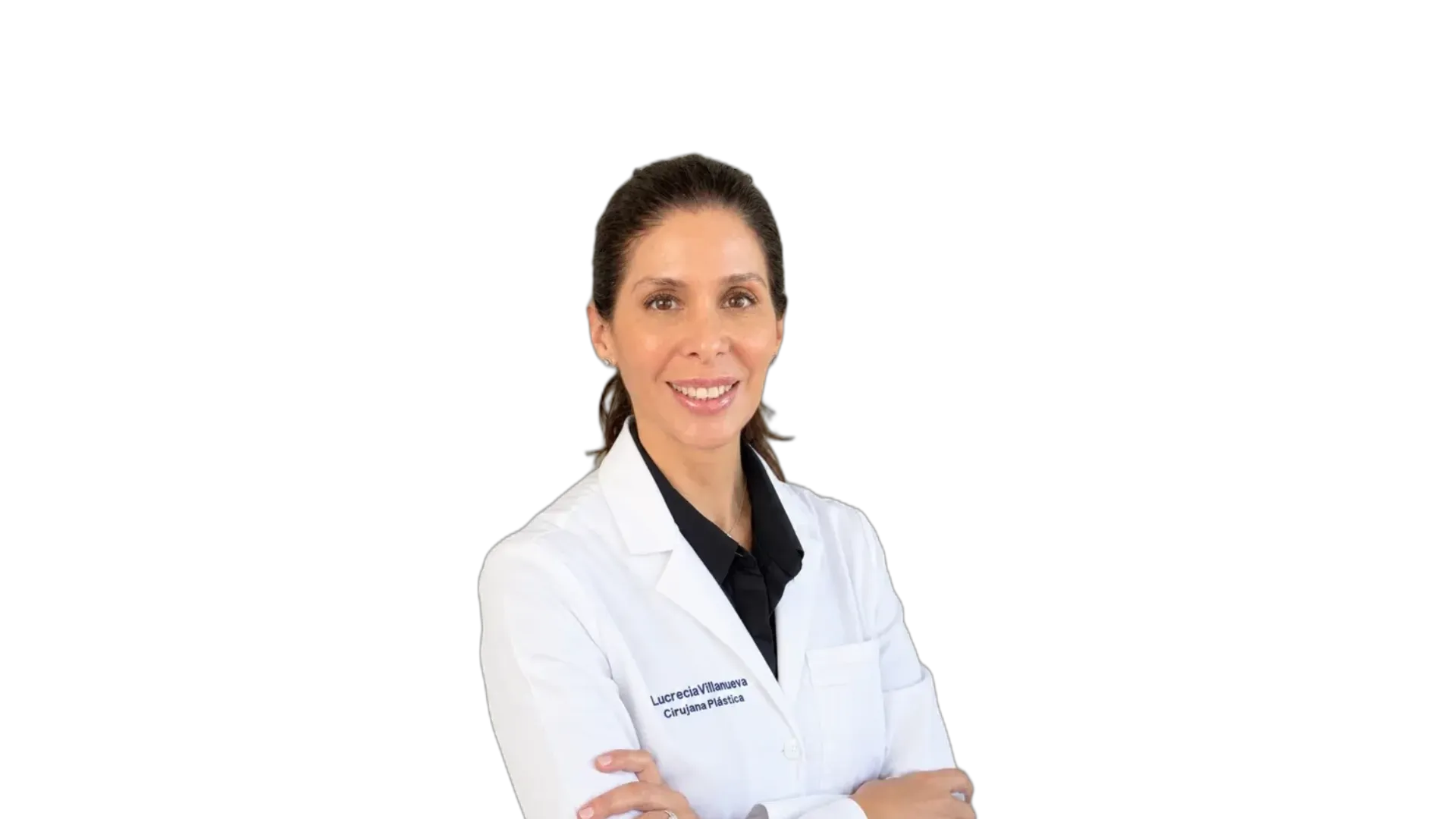
«HD liposuction represents an evolution in body contouring»
At Instituto de Benito, the body lift is approached as a highly specialized surgery, following protocols aligned with international standards in plastic surgery.
The medical team has extensive experience in complex body surgery, including post-bariatric patients, which allows each case to be approached in a precise and personalized way.
Safety is not limited to the operating room. It includes a thorough preoperative evaluation, detailed planning of the procedure and structured follow-up after surgery, all of which influence safety and the stability of the result over time.
The first step is not surgery: it is a consultation with the surgeon who would perform your procedure. They will assess your case, answer your questions and, after the visit, give you the exact price.
The first consultation costs €80, which is deducted from the cost of surgery if you decide to have your procedure with us. You can also call us.
When there is excess skin after major weight loss, non-surgical treatments are usually not enough. A body lift is the most effective procedure for removing it and redefining the body contour.
Most patients can resume light activity in 2–3 weeks, although full recovery is gradual and depends on each case and the type of procedure performed.
A change is already visible after surgery, but the real result takes shape over time, as the swelling goes down and the tissues adapt to the new contour.
Scars are part of the surgery, but they are strategically planned to be as discreet as possible and to improve favorably over time.
It is a complex surgery that must be performed by specialists and after a proper prior assessment. When carried out in an appropriate setting and with medical follow-up, it is a safe procedure.
The result can be affected by significant weight changes. That is why it is recommended to have the surgery once your weight is stable.
Yes, in many cases it is combined with liposuction or other procedures to improve the result, as long as it is safe for the patient.
It is normal to feel tightness in the first few days, as the skin has been tightened and the tissues are adapting. This sensation gradually eases as you recover.
It depends on each case, but it is usually recommended for several weeks to help the tissues adapt properly and to support your progress.
In addition to the aesthetic improvement, many patients notice greater comfort when moving, getting dressed or carrying out everyday activities, especially if they previously had excess skin.
One of the reasons the body lift has become established as one of the most effective surgeries for patients who have experienced major weight loss is its ability to significantly improve body contour and quality of life. However, it is a complex and extensive procedure that requires rigorous planning, proper patient selection and close post-op follow-up to minimize risks and optimize results.
At Instituto de Benito we perform every body lift in an accredited operating room, with anesthesia administered by a qualified anesthesiologist and following advanced protocols for safety, thromboembolism prevention and wound healing control. The experience of the surgical team and proper preoperative preparation are essential to reduce complications.
If after surgery you experience severe pain that does not improve with the prescribed medication, a fever above 38 °C, progressive redness of the wound, discharge, opening of the stitches, difficulty breathing, chest pain, significant swelling of one leg or any unexpected worsening, you should contact the clinic immediately or go to the nearest emergency department. Most serious complications can be treated effectively when detected early.
These effects are part of the normal recovery process and should not be considered complications:
All of these reactions are common after a body lift. Most patients can return to sedentary activities within 2 to 4 weeks, although full recovery usually takes several months.
There are some issues that, although they do not usually compromise the final result, may appear during recovery:
Most of these situations can be resolved through medical follow-up, conservative treatments or minor secondary touch-ups when indicated.
As with any major surgery, there are uncommon risks that every patient should be aware of before undergoing the procedure:
Although these complications are uncommon, they are part of the risks inherent in any body contouring surgery. Proper patient selection, quitting smoking, weight stabilization and strict compliance with medical instructions are the most effective measures to reduce their incidence.
Live outside Barcelona or Madrid?
Start with a video consultation with our surgeons. The surgeon who will operate on you assesses your case, answers your questions and gives you an exact, personalised quote. No travel needed for the first visit.
50 €
video consultation with your surgeon
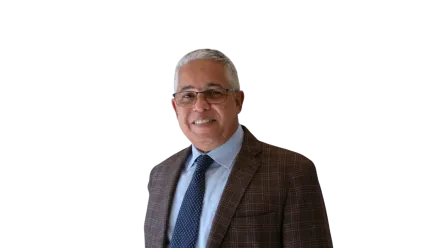
Dr. Orestes Fernández
Body contouring
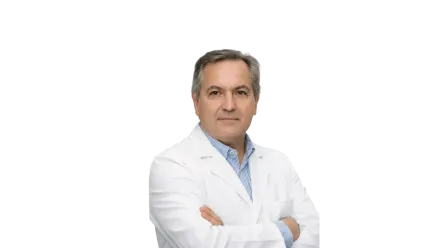
Dr. Antonio Martínez
Facial and body surgery
Average rating: 4.8 / 5
 Feed