Dr. David Neagu, specialist in facial and maxillofacial
Surgeon specializing in facial and maxillofacial
Medical license no. 58693
Leading specialist in neck lift, member of SECPRE.
Sees patients in BarcelonaView medical profile
Starting from: 7500€

Duration of surgery:
1-3 hours
Social recovery
10-14 days
Pain-free surgery:
Unique in the world.
Duration of the result
8 – 12 years
A neck lift, also called cervicoplasty, is a plastic surgery procedure designed to correct signs of aging in the cervicofacial region: sagging skin, accumulation of submental fat (the "double chin"), vertical bands of the platysma muscle (the typical "turkey neck"), and loss of the cervicomandibular angle.
Unlike non-surgical treatments that only improve skin quality or reduce volumes, the neck lift acts on the three layers responsible for the problem: skin, fat, and platysma muscle. It is the only procedure that repositions the cervical structure as a whole and restores the 90° angle between the neck and chin that defines a youthful profile.
Specific problems solved by the neck lift
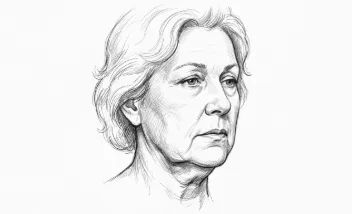
The angle between the chin and neck, which in a youthful profile is 90-105°, opens up to 120-140°. The neck loses definition and "merges" with the chin, creating the appearance of a double chin.
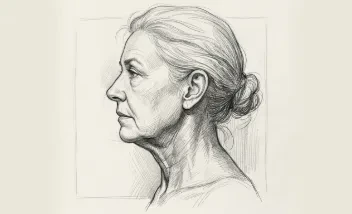
Accumulation of fat under the chin that does not respond to diet or exercise. It can be treated with isolated liposuction when the skin is elastic, but if there is sagging, a lift is required.
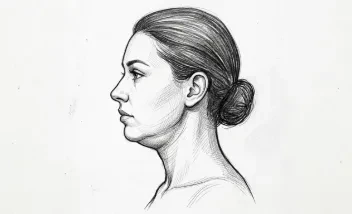
The skin of the neck loses elasticity and appears sagging, with marked horizontal wrinkles and an "aged" appearance of the neck that contrasts with a maintained face.
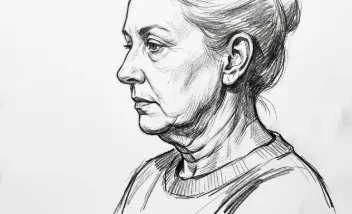
The descent of the platysma drags the submandibular tissues and erases the jawline, creating lateral "jowls" that break the facial oval.
Platysmaplasty was described by Connell in the 70s and refined by Feldman, Giampapa, and Marten in the following decades. Today it is a well-established procedure with abundant scientific literature and an excellent safety profile when performed with rigorous medical criteria.
At Instituto de Benito we apply the most current techniques and our practice is supported by membership in scientific societies such as:
The process begins with a personalized evaluation with the surgeon who will operate. This principle, where the same surgeon evaluates, operates, and reviews, is one of the pillars of the Instituto de Benito model and is especially relevant in cervicofacial surgery, where fine anatomical reading determines the choice of technique.

Analysis of the static and dynamic profile, evaluation of the platysma in "force" position (tightening the neck), assessment of the submental and subplatysmal fat compartment, skin quality, and condition of the lower facial third. To book the appointment, a prepayment of €80 is required.

Preoperative blood tests, ECG, anesthesia consultation, suspension of antiplatelet agents as per guidelines, and cessation of smoking at least 3 weeks before. Written dossier with day-to-day instructions.
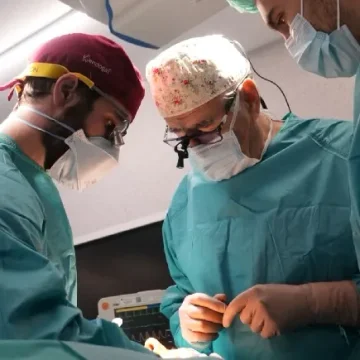
Surgery lasting 1.5 to 3 hours under general anesthesia or deep sedation. In isolated neck lift for young patients, outpatient can be considered; when combined with SMAS, 24-hour admission with monitoring.

Cervical compression bandage for the first 48-72 hours, check-up at 7-10 days for suture removal and scheduled follow-ups at 3 weeks, 3 months, 6 months, and 12 months with the same surgeon.

The change in profile is visible from the first 2-3 weeks. Consolidated result at 3-6 months, definitive at 12 months when the cervical scar matures.

The indicative price of a neck lift at the Instituto de Benito starts from €4,000, and can vary depending on various clinical factors that determine the final cost of the procedure.
As specialists in facial surgery, at the Instituto de Benito each procedure is planned with high standards of quality, safety, and surgical precision. The final cost depends on the technique used, the patient's anatomy, the degree of lift required, and the surgical time needed.
Preoperative medical tests, the technology used, and complete postoperative follow-up also influence the cost, thus configuring a fully personalized budget for each patient.
It is especially indicated for:
Platysmaplasty is the only technique that eliminates the vertical bands of the neck when they are already established. No aesthetic medicine treatment corrects them.
When the angle between the chin and neck has opened and the neck "merges" with the chin, the neck lift restores the youthful angle.
The natural indication when facial lower third laxity and neck sagging coexist. It is combined with [SMAS lift](/cirugia-facial/lifting-facial/lifting-smas/) in the same procedure.
The neck skin is among the first to become redundant after a significant weight loss. The neck lift restores definition without the need to operate on the entire face.
Patients who underwent submental liposuction years ago discover that the real problem was laxity (not fat) and now need complete correction.
Unlike traditional lifts that focused on the face, there are patients whose main complaint is exclusively the neck. The isolated neck lift caters to this profile.
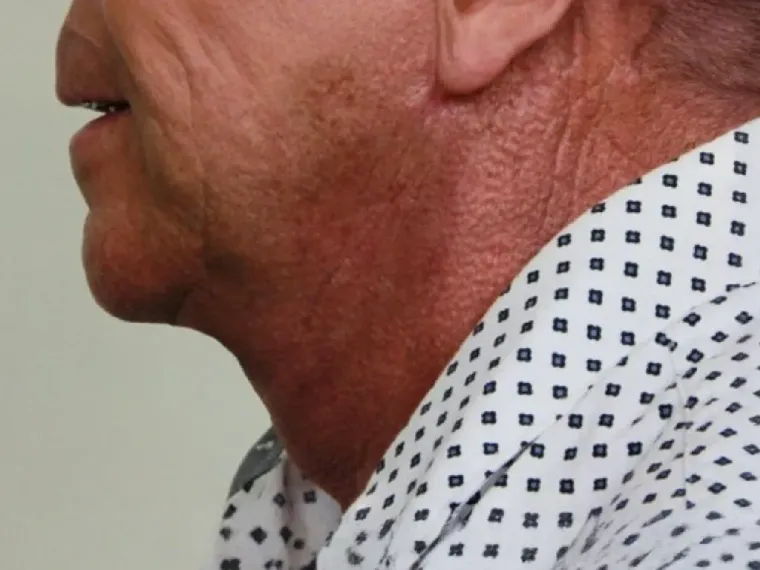
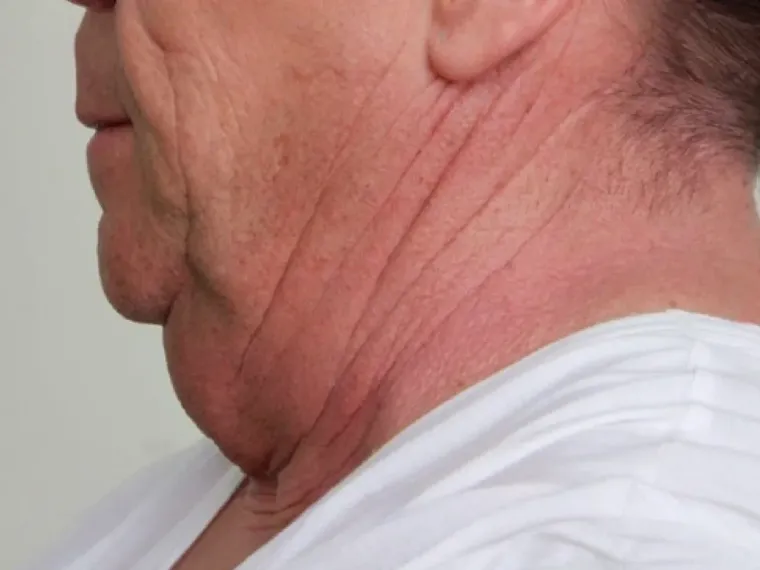
Neck lift and jawline contouring
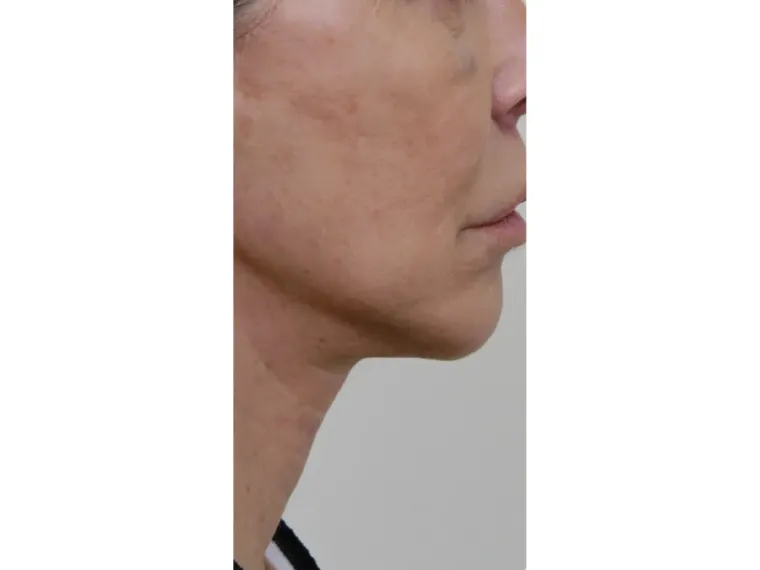
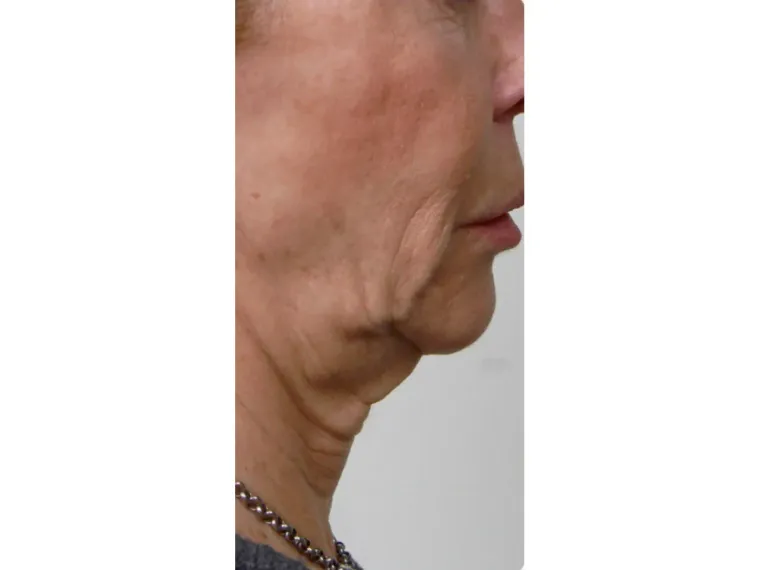
Neck lift
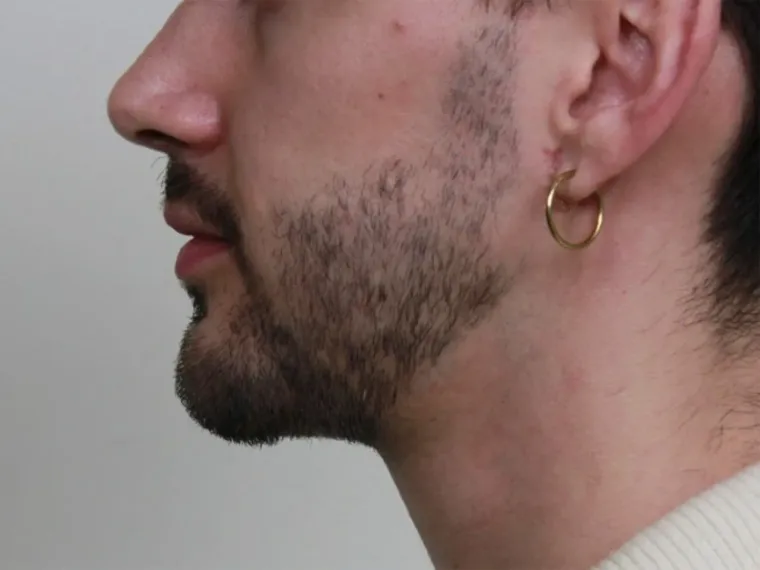
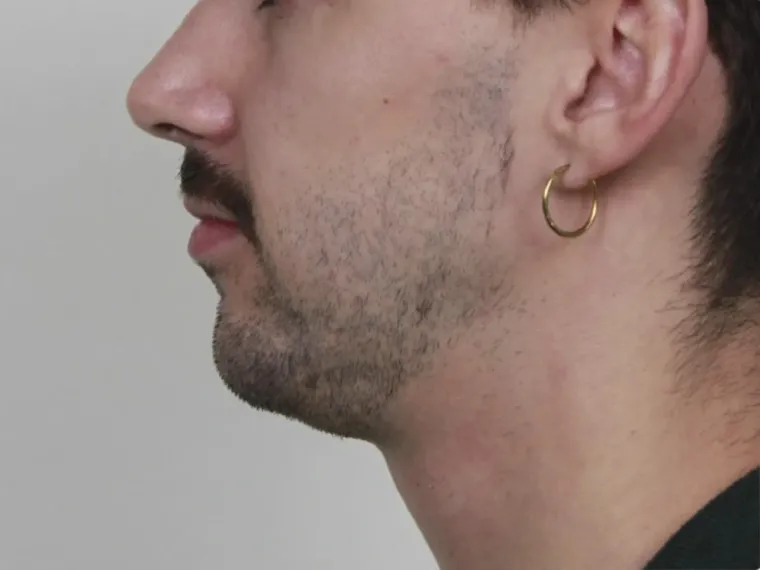
Neck lift and mentoplasty
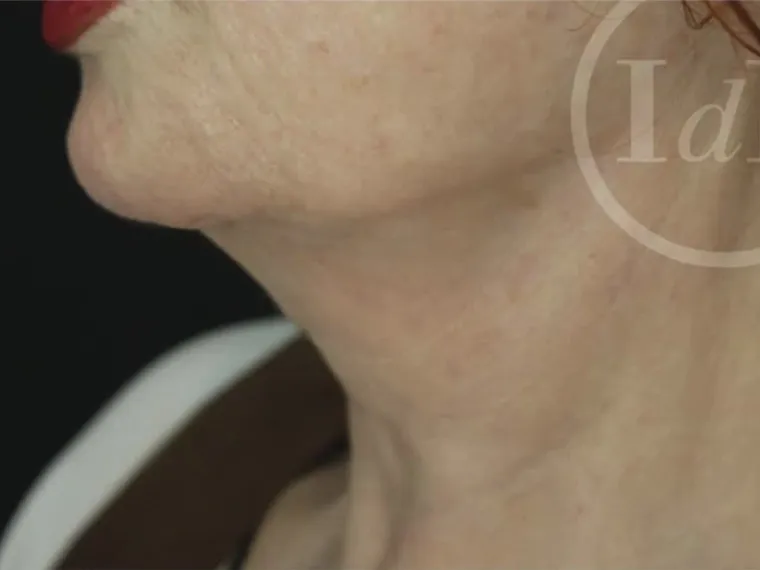
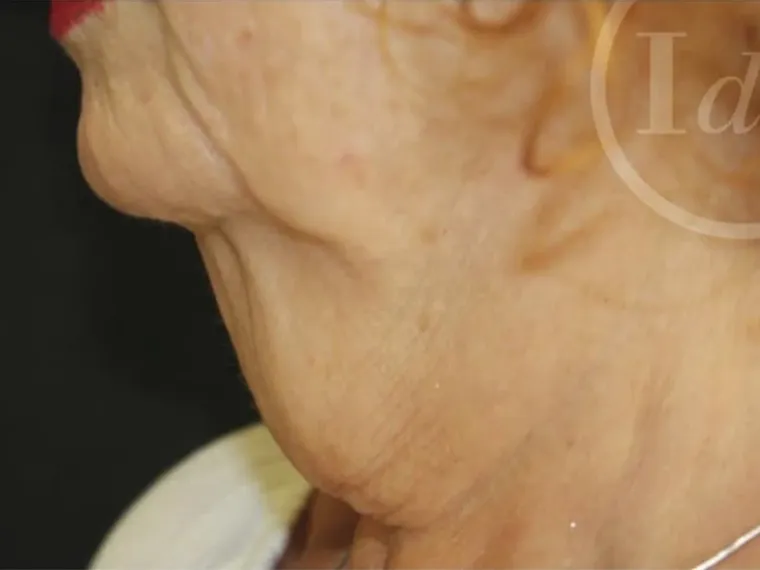
Neck lift and jawline contouring
Although neck lift is a cosmetic surgery with increasingly advanced techniques and a high level of safety, the success of the intervention begins long before entering the operating room. At Instituto de Benito, we conduct a complete preoperative medical assessment to analyze the degree of cervical laxity, skin quality, jawline definition, and the overall health status of each patient. Beyond the aesthetic component, it is essential to confirm that the person is a suitable candidate for surgery, both physically and emotionally. During this phase, medical history, habits such as smoking, and realistic expectations about the outcome are also reviewed, as a personalized diagnosis is key to achieving a natural, harmonious, and safe rejuvenation.
| Contraindication | Reason |
|---|---|
| Active smoking not susceptible to pause | Cervical skin is especially vulnerable to healing problems in smokers. We require smoking cessation at least 3 weeks before and 3 weeks after. |
| Treatment with anticoagulants or antiplatelets that cannot be suspended | The neck is an area with a high risk of suffocating hematoma if there is postoperative bleeding. Requires coordination with the prescriber. |
| Severe coagulation disorders | High risk of cervical hematoma. Requires prior hematological evaluation. |
| Decompensated cardiopulmonary diseases | Increase anesthetic risk. Must be stabilized beforehand. |
| Poorly controlled diabetes | Compromises cervical healing, an already slow area. |
| Uncontrolled hypothyroidism with cervical goiter | Modifies the cervical contour and may compromise dissection. Requires prior endocrinological evaluation. |
| Previous cervical surgery (thyroid, parotid) with retracted scars | Increases technical complexity and is assessed on a case-by-case basis. |
| Active local or systemic infection | Increases the risk of wound infection and scarring complications. |
| Body dysmorphic disorder or unrealistic expectations | When motivation responds to distortion, no technique will resolve dissatisfaction. Requires psychological evaluation. |
| Very compromised cervical skin quality (isolated severe sun damage) | The lift repositions, it does not rejuvenate the skin. If the main problem is quality, other treatments are prioritized. |
| Active autoimmune diseases | Require individualized rheumatological evaluation. |
The neck lift is a surgery with a very good safety profile when performed with rigorous criteria. We work with an accredited operating room, certified anesthesiologist, complete monitoring, and admission when the procedure justifies it. The neck is an anatomically complex region due to the proximity of vascular and nerve structures, which requires specific technical experience.
Go to the emergency room immediately if after surgery you experience: increasing cervical hematoma with a feeling of pressure in the throat, difficulty breathing or chest pain, difficulty swallowing, fever above 38 °C, or sudden asymmetry of the smile or lip corner.
The Instituto de Benito is a world leader in facelift and advanced mid-face rejuvenation techniques, with over 40 years of experience and thousands of satisfied patients.
Our team combines surgical artistry, maximum technical precision, and emotional care, ensuring natural, safe results in perfect harmony with each face.
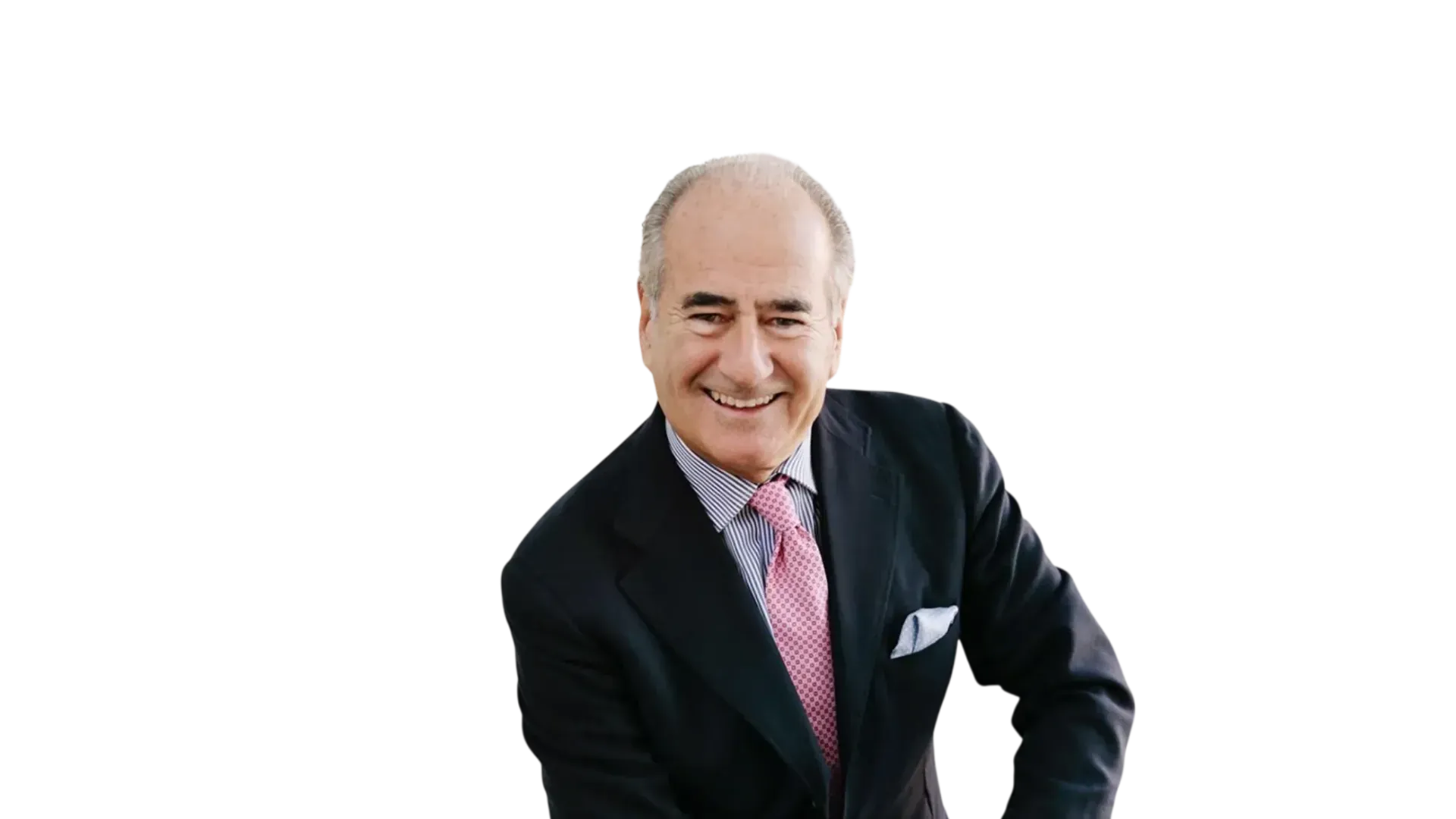
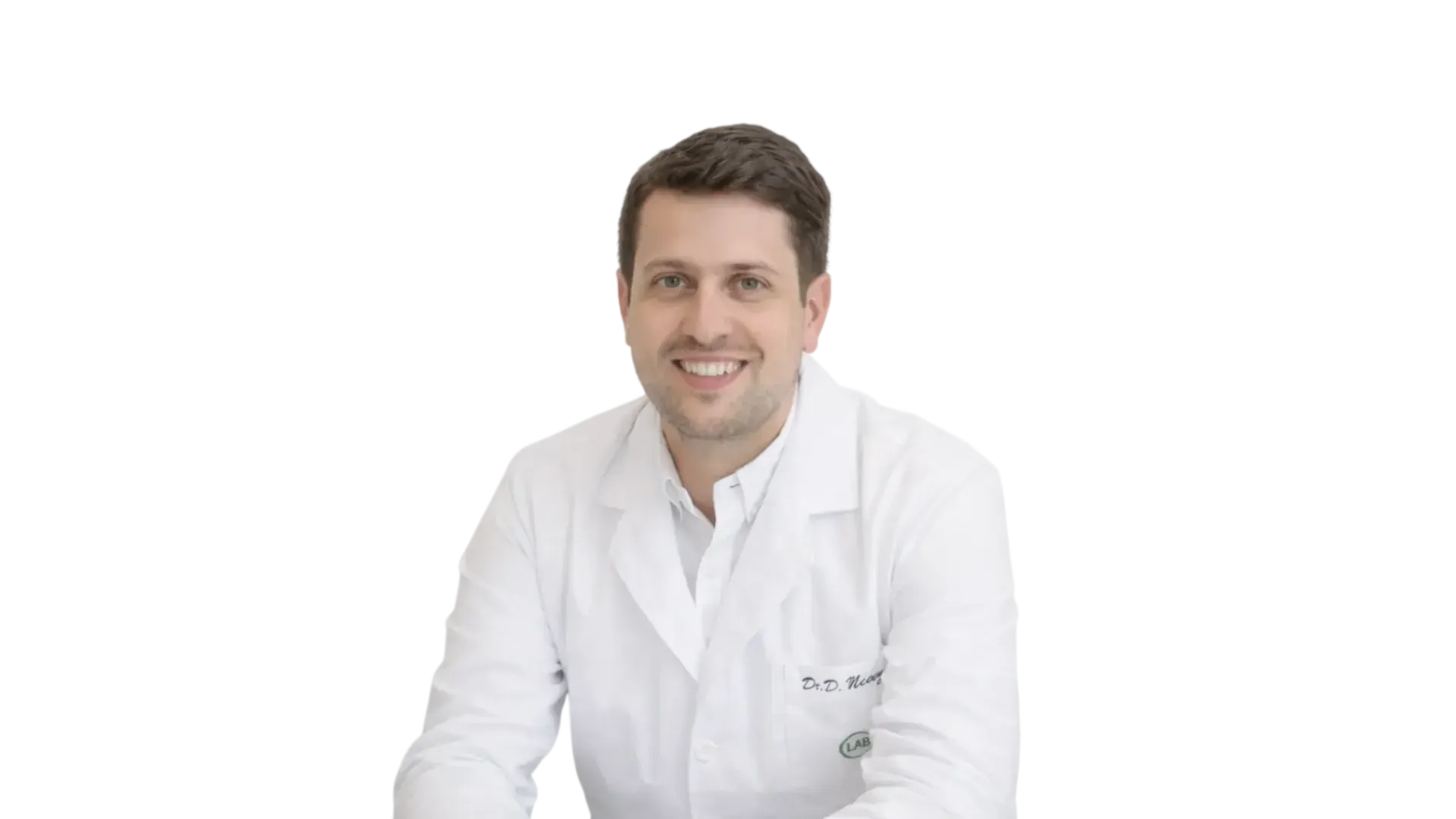
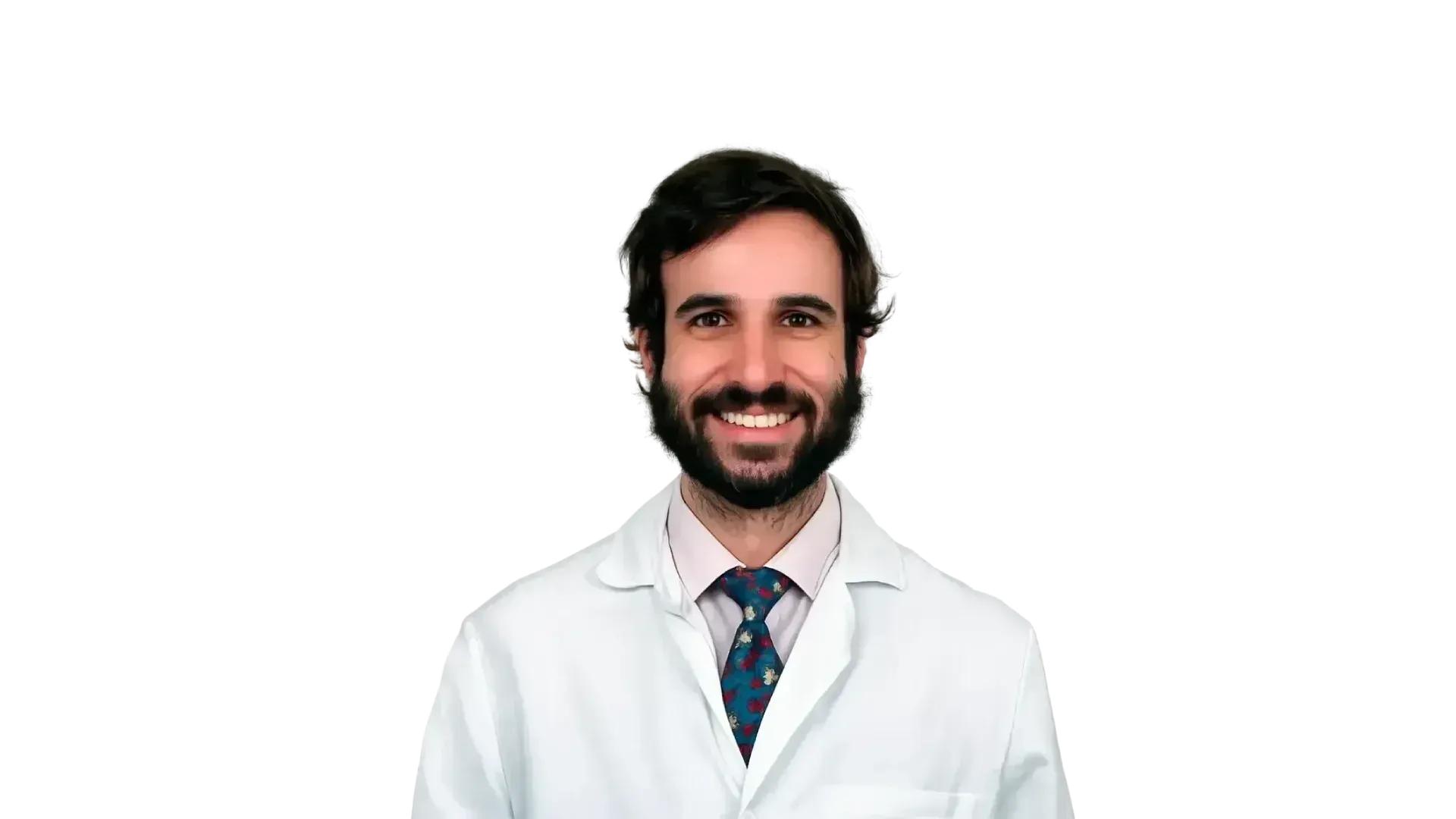
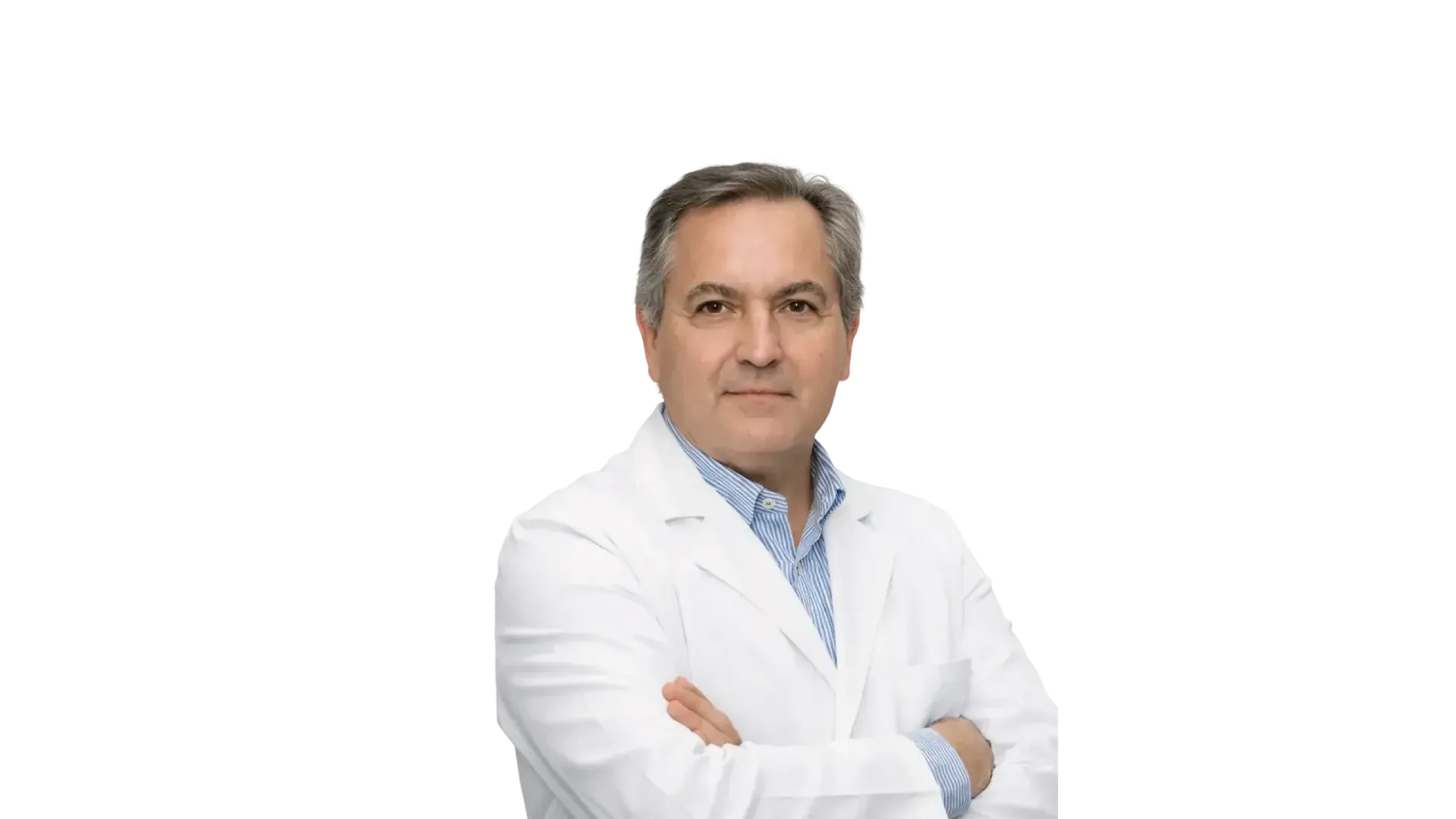
We have a solid track record backed by over 40 years of experience in plastic and aesthetic surgery. Our team participates in continuous training through SECPRE and ISAPS, and maintains a postoperative follow-up protocol.
From €7,500 for an isolated neck lift. The exact budget is provided in writing after the evaluation. It includes fees, anesthesia, operating room, stay, and first-year check-ups.
Between 8 and 12 years. Aging continues its course, but the neck will always look more defined than without the intervention.
The neck lift exclusively works on the cervical region (skin, submental fat, and platysma muscle). The facial SMAS lift works on the middle and lower third of the face. When both problems coexist, they are combined in a single intervention.
If the problem is exclusively fat and the skin is elastic, isolated [double chin liposuction](/cirugia-facial/liposuccion-papada/) may be sufficient and much cheaper. A neck lift is indicated when there is also sagging, platysmal bands, or loss of cervicomandibular angle. The indication is defined in consultation.
The incisions are hidden in the submental fold (3-4 cm below the chin) and in the retroauricular fold extended into the hair. After 6-12 months, they are practically imperceptible even in updos.
Social and work reintegration occurs in 10-14 days. Light sports can be resumed in the 4th week. Results are consolidated at 3-6 months.
The predominant sensation is tightness when speaking and swallowing during the first 2 weeks, not intense pain. It is controlled with oral analgesia.
In isolated neck lifts for young patients, outpatient care may be considered. When combined with SMAS, a 24-hour hospitalization is scheduled.
Yes. The most common combinations are: SMAS lift, genioplasty (chin surgery), and blepharoplasty. All are performed in a single intervention.
It depends on anatomy, not age. The usual range is 40-65 years, with a peak around 50-55, but there are younger patients with genetic cervical laxity who benefit and older patients who do not need it yet.
In incipient cervical laxity, alternatives such as focused ultrasound, deep radiofrequency, or tensors are considered. We only propose surgery when the anatomical indication justifies it.
Average rating: 4.8 / 5
 Feed
Feed














'%20fill='%23FBBC05'%20d='M0%2037V11l17%2013z'/%3e%3cpath%20clip-path='url(%23b)'%20fill='%23EA4335'%20d='M0%2011l17%2013%207-6.1L48%2014V0H0z'/%3e%3cpath%20clip-path='url(%23b)'%20fill='%2334A853'%20d='M0%2037l30-23%207.9%201L48%200v48H0z'/%3e%3cpath%20clip-path='url(%23b)'%20fill='%234285F4'%20d='M48%2048L17%2024l-4-3%2035-10z'/%3e%3c/svg%3e)


