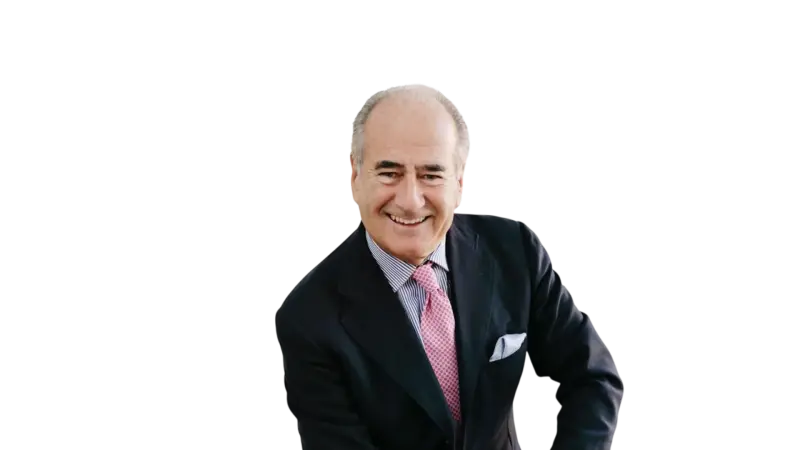
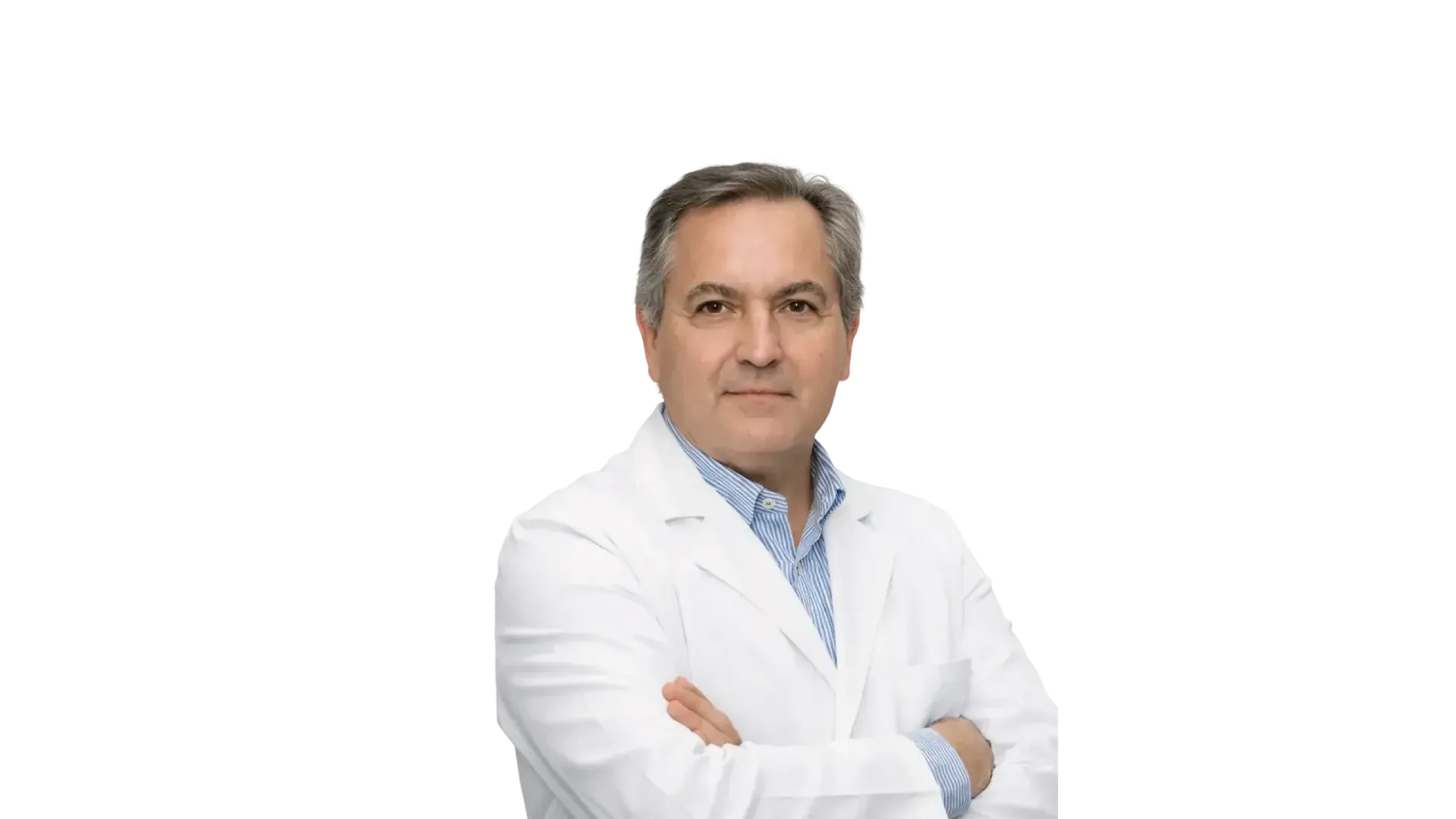
Dr. Javier de Benito | IdB
Plastic surgeon and medical director. International reference in facial surgery.
Medical license no. 8038
Leading specialist in SMAS lift, member of SECPRE.
Sees patients in Barcelona and MadridView medical profile
Starting from: €12,000

Duration of surgery:
2 to 4 hours
Social recovery:
14-21 days
Duration of result:
8 – 12 years
Anesthesia:
General anesthesia
A SMAS lift is a facial plastic surgery procedure designed to reposition the deep structure of the face, not just the skin, by acting on the Superficial Musculo-Aponeurotic System (SMAS) layer. Through hidden incisions around the ear contour and hairline, the surgeon elevates this fibromuscular layer in its upper portion, secures it with non-absorbable sutures to stable structures, and redrapes the skin without tension.
The result is a rested, defined, and harmonious face, without the "pulled-back" effect associated with skin lifts of previous generations. The duration of the result ranges between 8 and 12 years, making the SMAS lift the facial rejuvenation procedure with the best investment-to-longevity ratio in the current surgical catalog.
What approaches and techniques exist
The surgeon makes a periauricular incision and folds the SMAS layer onto itself with sutures, without extensive dissection. It is the most conservative approach, ideal for mild-moderate laxity in patients with good skin quality.
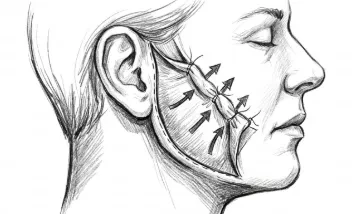
The SMAS layer is elevated above the zygomatic arch and repositioned in a block upwards and backwards following a vertical vector. It restores volume to the midface and redefines the facial oval. It is the most demanded technique in patients between 45 and 60 years old with moderate laxity of the mid and lower third.
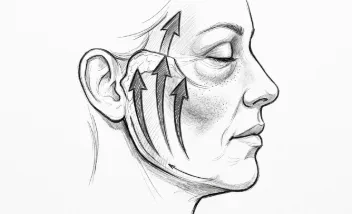
Instead of folding the SMAS, a band of tissue is resected and the upper edge is sutured to the lower edge. Indicated in patients with thickened SMAS and severe sagging of the lower third.
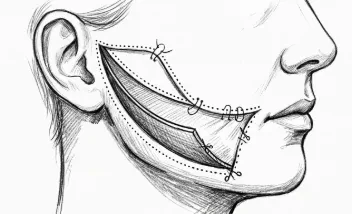
When the sagging of the midface is pronounced and the facial ligaments are retracted, the sub-SMAS plane and the zygomatic and mandibular ligaments are released. It is not a standard SMAS, but a related technique that we offer as an alternative when the anatomy requires it.
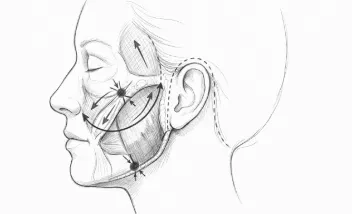
SMAS surgery is supported by more than five decades of scientific literature (initially described by Mitz and Peyronie in 1976 and refined by Owsley, Hamra, and Marten). At the Instituto de Benito, we apply internationally consolidated technical principles, and our practice is supported by membership in scientific societies such as:
This membership ensures continuous training, peer review, and the application of the safest state-of-the-art techniques.
The process begins with a personalized assessment with the surgeon who will operate. This is not a commercial: it is the doctor who will study your anatomy, explain the technique indicated for your case, mark the incisions on the day of surgery, and accompany you throughout the postoperative period. This continuity—the same surgeon who evaluates is the one who operates and reviews—is one of the pillars of the Instituto de Benito model.

It is carried out with the surgeon who will operate on you. It includes static and dynamic facial analysis, assessment of skin quality, indicative digital simulation, and selection of the specific technique (plication, High SMAS, SMAS-ectomy, or Deep Plane). To book the appointment, a fee of €80 must be paid in advance.

Complete preoperative analysis, electrocardiogram, consultation with the anesthesia team, suspension of antiplatelet agents, and smoking cessation (at least 3 weeks prior). We provide you with a dossier with day-to-day instructions.
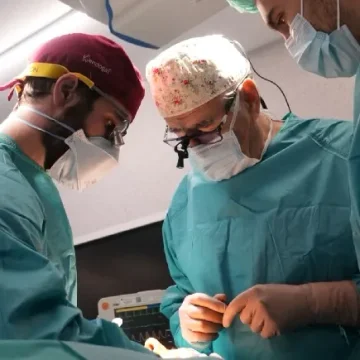
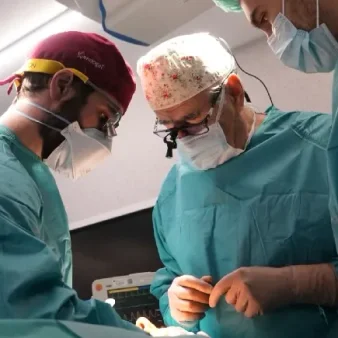
Surgery lasting 2 to 4 hours under general anesthesia or deep sedation with local anesthesia. 24-hour admission with full monitoring. Incisions designed to be hidden within the hair and around the ear contour.

Compressing bandage for the first 24-48 hours, removal of drains at 48 hours, check-up at 7-10 days for suture removal and scheduled check-ups at 3 weeks, 3 months, 6 months, and 12 months with the same surgeon.

Visible result at 80-90% around the third month. Final result at 6-12 months, when the scar matures. What your surroundings will see: a rested, not operated face.
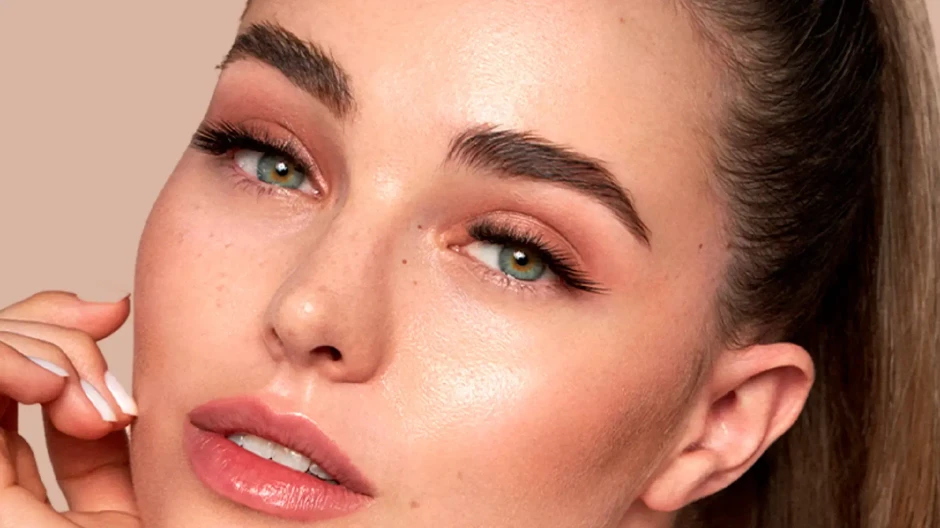
From €12,000. The SMAS lift at Instituto de Benito starts from €12,000 for the isolated procedure in moderate sagging. It is a fixed amount and provided in writing after the assessment: it is not a commercial "from" behind which unexpected extras appear.
The final budget may increase from the base price due to these factors, always communicated in writing before surgery:
The SMAS lift does not transform your face: it returns it to a more youthful point of your own identity. You are in the indicated profile if you identify with any of these cases:
The facial oval loses definition, the cheeks descend, the initial double chin appears, and the nasolabial folds deepen. The SMAS lift repositions these structures as a block.
The surgery repositions the structure, but does not rejuvenate the skin. If there is severe sun damage, it is combined with fractional laser or peels to improve texture.
The SMAS lift is designed to be unnoticeable. The result is a rested face, not transformed.
When hyaluronic acids, radiofrequency, or thread lifts no longer provide visible improvement because the sagging is structural, the SMAS lift is the next logical step.
We frequently receive patients who have been evaluated at other clinics and seek to confirm the indication or explore alternative techniques. The evaluation with the surgeon also serves this purpose.
If you are looking for a result that lasts 8-12 years instead of annual touch-ups, the SMAS lift is the procedure with the best balance between investment, recovery, and permanence.
SMAS lifting is a safe surgery when performed with rigorous medical criteria, but there are situations where it is contraindicated or should be postponed. At Instituto de Benito, we always evaluate this in the preoperative assessment, above any commercial consideration.
| Contraindication | Reason |
|---|---|
| Active smoking not susceptible to pause | Nicotine reduces skin blood flow and severely compromises healing, increasing the risk of necrosis of skin flaps. We require smoking cessation at least 3 weeks before and 3 weeks after. |
| Treatment with anticoagulants or antiplatelets that cannot be suspended | Increases the risk of hematomas, intraoperative bleeding, and scarring complications. Requires coordination with the prescribing doctor. |
| Severe coagulation disorders | High risk of cervicofacial hematoma. Requires prior hematological evaluation. |
| Decompensated cardiopulmonary diseases | Increase anesthetic risk. Must be stabilized before considering surgery. |
| Poorly controlled diabetes | Compromises healing and increases the risk of infection. Requires controlled HbA1c. |
| Active local or systemic infection | Increases the risk of wound infection and scarring complications. Postponed until complete resolution. |
| Body dysmorphic disorder or unrealistic expectations | When motivation is due to a distortion of body image or anatomically impossible expectations, no technique will resolve the dissatisfaction. Requires prior psychological evaluation. |
| Previous facial surgery with inadequate healing | Recent facial surgery with unresolved complications must be stabilized before considering a new intervention. |
| Very compromised skin quality (isolated severe photoaging) | SMAS lifting does not rejuvenate the skin: it repositions the structure. If the main problem is skin quality, skin techniques should be combined or other treatments prioritized. |
| Active autoimmune diseases | Require individualized rheumatological evaluation. Surgery is assessed on a case-by-case basis. |
| Age under 30 for aesthetic purposes without anatomical indication | Structural sagging rarely justifies a SMAS before the age of 35-40. In that range, non-surgical treatments are prioritized. |
SMAS lifting is major surgery. We work with an accredited operating room, certified anesthesiologist, complete monitoring, and 24-hour admission. This drastically reduces the incidence of complications, but the patient must be aware of them before signing the informed consent.
If after surgery there is intense pain that does not subside with prescribed analgesia, fever above 38 °C, increasing cervical hematoma (causing a feeling of pressure in the throat), sudden asymmetry of the smile or forehead, or discharge from the wound, contact the clinic immediately or go to the nearest emergency service.
The Instituto de Benito is a reference in facial plastic surgery with over 40 years of experience and one of the most experienced surgical schools in SMAS surgery in Spain. Our team combines surgical artistry, technical precision, and emotional care, ensuring natural and safe results.
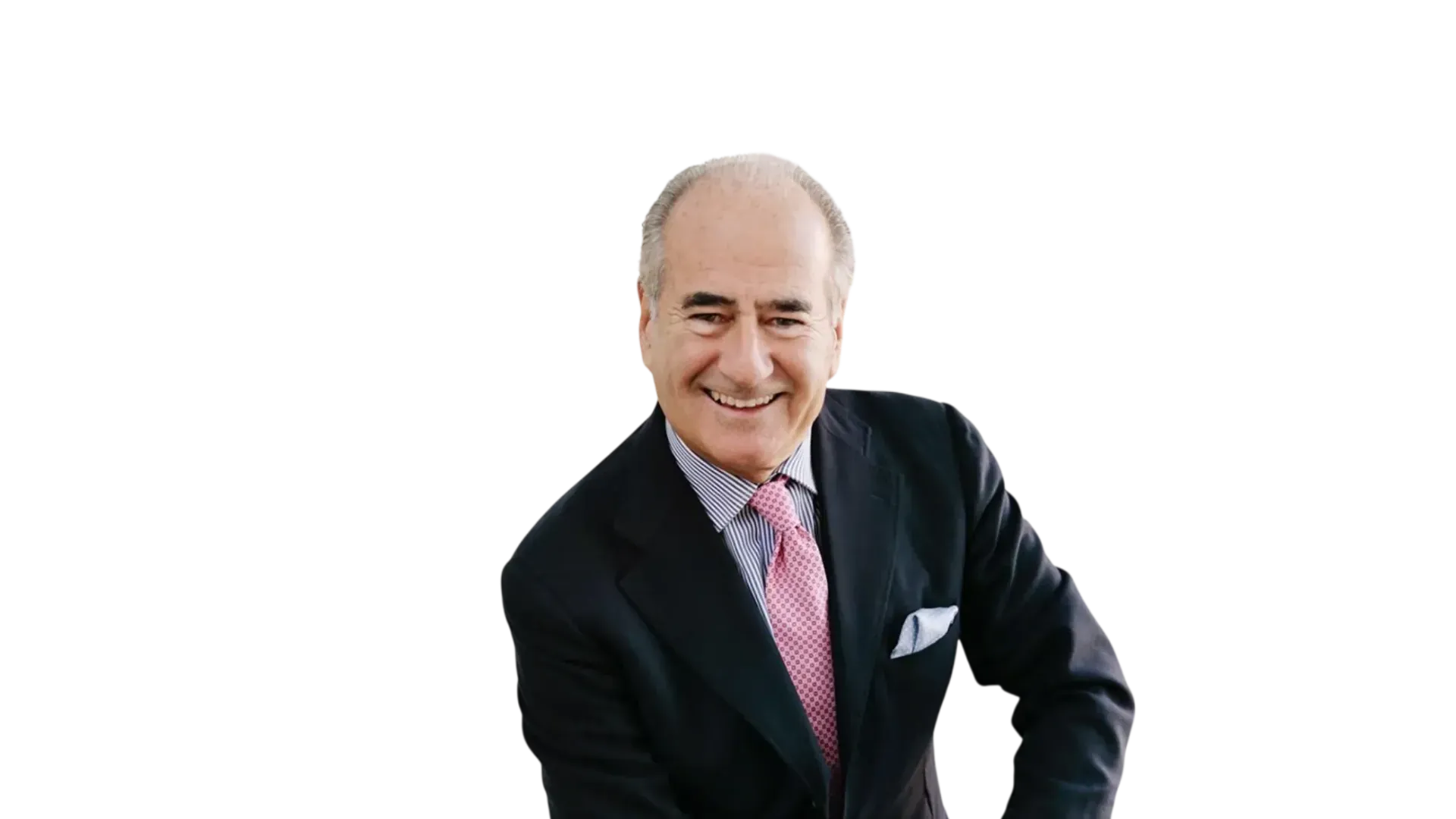
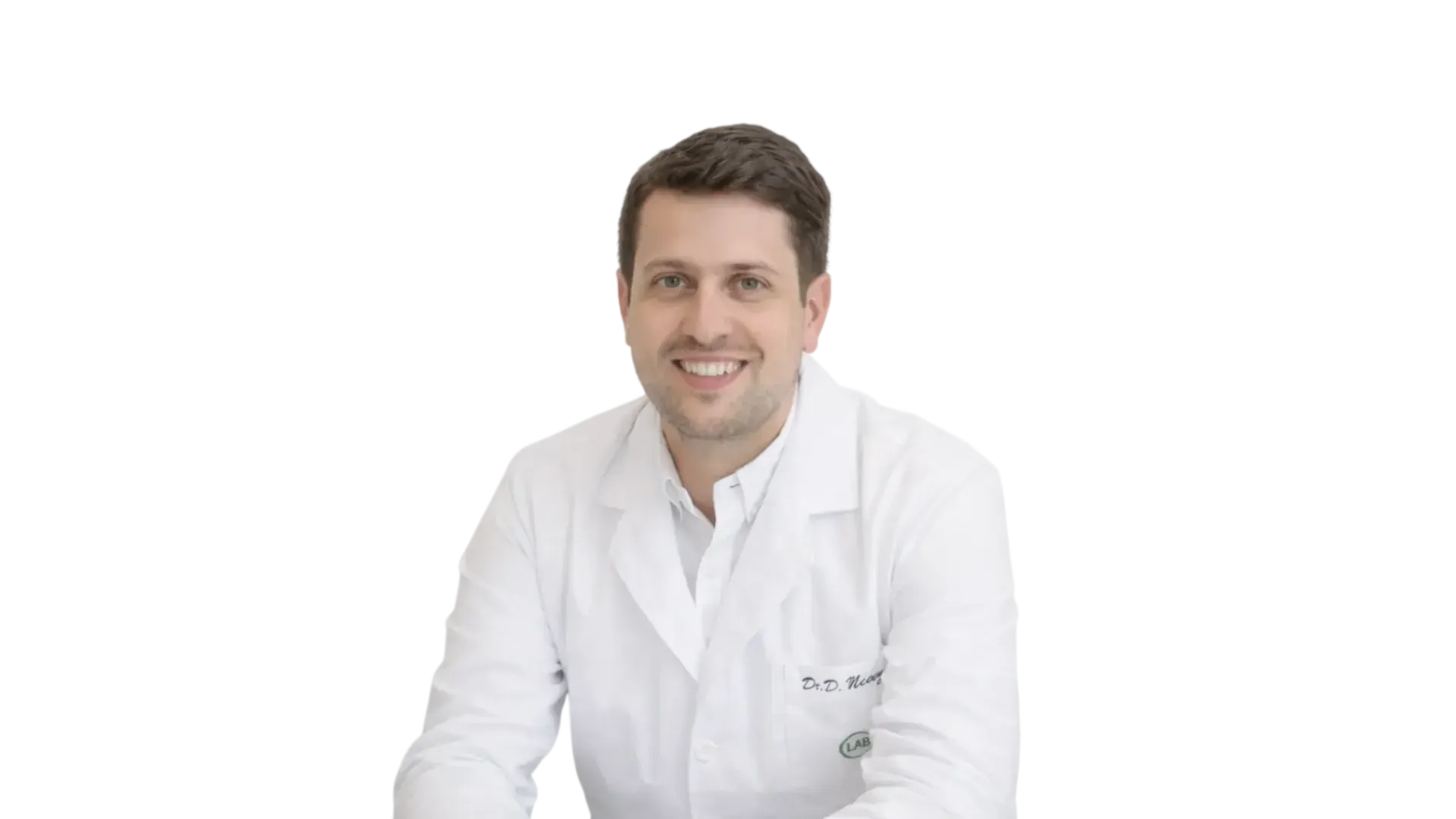
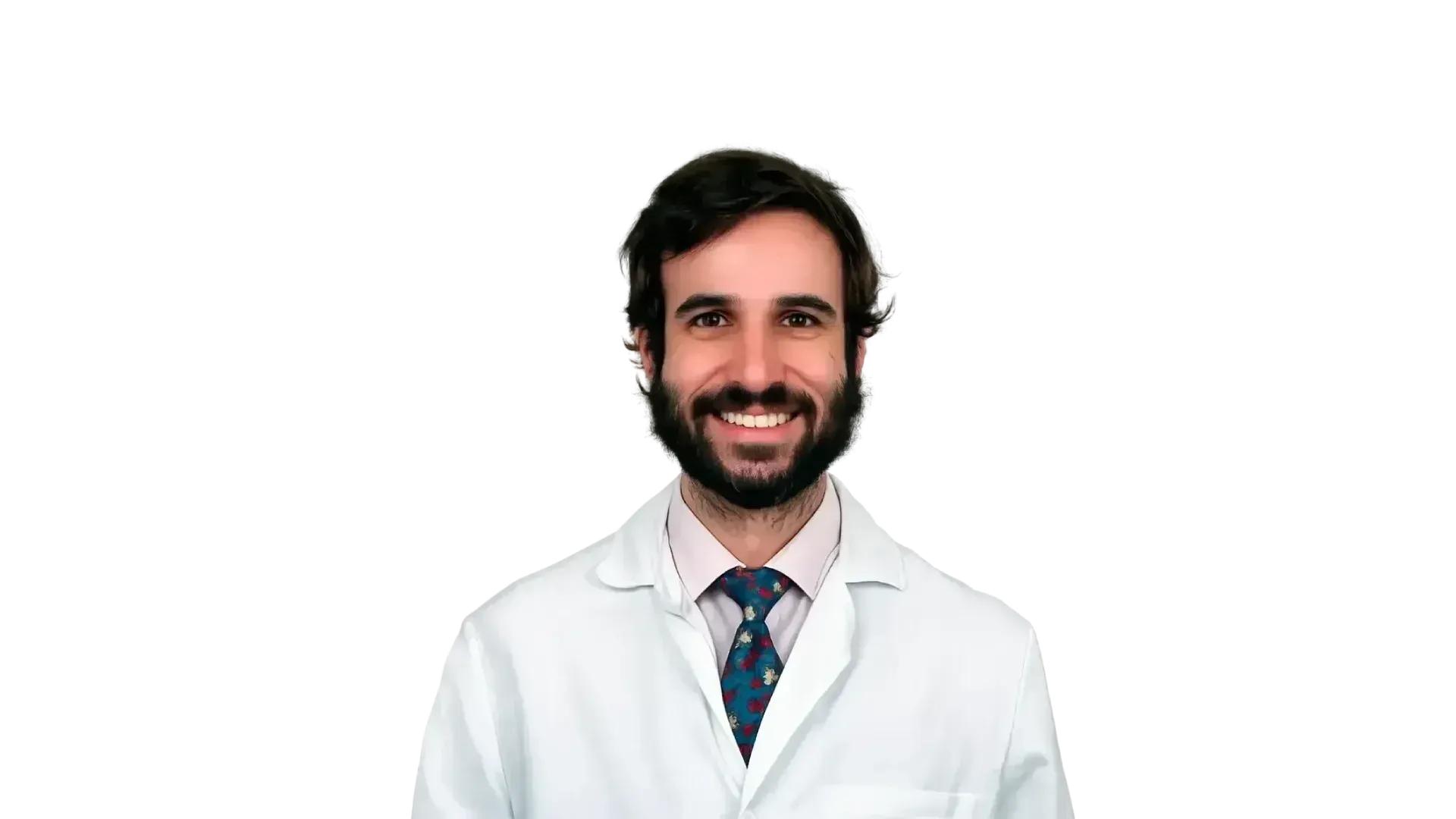
We have a solid track record backed by over 40 years of experience in plastic and aesthetic surgery, with a special dedication to facial surgery. Throughout our career, we have been a reference school in SMAS technique and participate in the continuous training of surgeons through SECPRE and ISAPS.
From €12,000 for an isolated SMAS lift. The exact quote is provided in writing after a personalized assessment with the surgeon.
Returning to social and work life occurs between the 2nd and 3rd week. Light sports can be resumed in the 4th week. The final result is consolidated at 6-12 months.
The incisions are hidden within the hair, around the ear contour, and in the retroauricular fold. At 6-12 months, they are practically imperceptible.
Most patients report tightness and numbness rather than pain. Discomfort is managed with oral analgesia for the first 48 hours.
Yes. We work with an associated financial entity that allows financing up to 60 installments. The financial assessment is carried out after the medical consultation.
Yes, 24 hours with full monitoring. Discharge is given the next day with a follow-up included at 48 hours.
Yes, and it is very common. Usual combinations are: blepharoplasty, neck lift, facial fat transfer, and fractional laser.
In Barcelona and Madrid.
80-90% of the result is visible by the 3rd month. The final result, when the scar matures, is seen between 6 and 12 months.
The indication depends on anatomy, not a specific age. The usual range is 45-60 years, but there are 42-year-old patients with marked genetic laxity who benefit, and 65-year-old patients who still do not need it.
In incipient laxity, we consider alternatives such as deep radiofrequency, Ultherapy or threads. We only propose surgery when the anatomical indication justifies it.
Average rating: 4.8 / 5
 Feed
Feed














'%20fill='%23FBBC05'%20d='M0%2037V11l17%2013z'/%3e%3cpath%20clip-path='url(%23b)'%20fill='%23EA4335'%20d='M0%2011l17%2013%207-6.1L48%2014V0H0z'/%3e%3cpath%20clip-path='url(%23b)'%20fill='%2334A853'%20d='M0%2037l30-23%207.9%201L48%200v48H0z'/%3e%3cpath%20clip-path='url(%23b)'%20fill='%234285F4'%20d='M48%2048L17%2024l-4-3%2035-10z'/%3e%3c/svg%3e)


