Dr. Lucrecia Villanueva body and breast surgeon
Specialist surgeon in body and breast
Medical license no. 282871279
A leading doctor in breast implant removal.
The doctor sees patients in MadridView medical profile
Removes the implants permanently, usually together with the capsule the body has formed around them.
From: 6.000 €

Surgery duration:
45-90 minutes
Recovery time:
5-7 days
Synapta® protocol:
Included in Barcelona
Anesthesia:
General
Hospital stay:
Usually not
Social life:
After 2 to 4 days
Breast implant removal, or explant surgery, is the surgical procedure that permanently removes breast implants, usually together with the fibrous capsule the body has formed around them (capsulectomy). It is performed under general anesthesia or sedation, takes between 1 and 2 hours and, in most cases, is combined in the same operation with a breast lift (mastopexy) or fat transfer (lipofilling, using your own fat) to give the breast a natural shape again once the implant has been taken out.
More and more women are choosing to have their implants removed: because their lifestyle has changed, because the implants have reached the end of their lifespan, because of capsular contracture or a rupture, or simply because they want to go back to their natural breasts. Explant surgery is not a step backward: it is a surgery you choose for yourself, and it is planned as rigorously as a breast augmentation.
At Instituto de Benito, breast implant removal is never treated as simply “taking them out and that's it.” It is planned as reconstructive surgery: what is removed, how it is removed and what we then do with the tissue that remains.
The implants are removed with no additional procedures. It is suitable for young women with good skin quality, small implants and enough breast tissue of their own. The breast regains its natural shape within a few weeks.
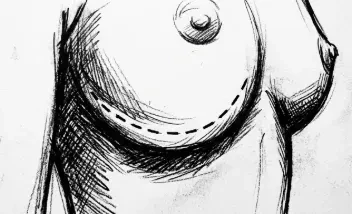
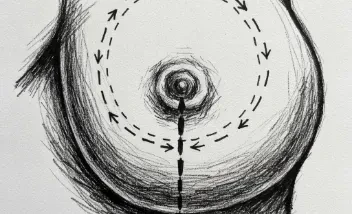
When there is sagging or excess skin, the surplus skin is removed, the gland is reshaped and the nipple-areola complex is repositioned. It is the most common combination and the one that gives the most defined result. It adds a scar (periareolar, vertical or inverted-T, depending on the case).
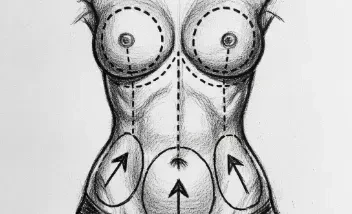
The implants are removed and the breast is filled with the patient's own fat, harvested by liposuction from the abdomen, flanks or thighs. It restores volume and softens the cleavage without any foreign material. You need to have enough fat available, and part of the graft is reabsorbed, so it is sometimes done in two sessions.
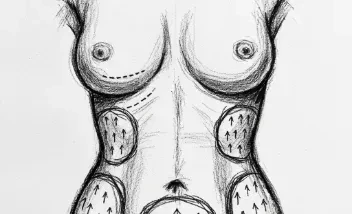
The most complete combination: the breast is lifted, reshaped and given volume from your own tissue. It is the option that gives the best results in patients who have had large implants removed and have lax skin.
A growing number of women seek advice about symptoms they attribute to their breast implants: persistent fatigue, joint and muscle pain, brain fog, sleep disturbances, hair loss or dry mucous membranes. This set of symptoms is known internationally as Breast Implant Illness (BII) and is linked to what is called ASIA syndrome (autoimmune/autoinflammatory syndrome induced by adjuvants).
It is important to be clear. So far, the scientific community has not established a proven causal link between breast implants and a defined systemic autoimmune disease, and BII is not recognized as a formal diagnosis. At the same time, there is literature documenting clinical improvement in these symptoms in a significant proportion of patients after implant removal.
Our position at Instituto de Benito is a balanced and honest one:

Every woman with implants forms a capsule, a fibrous membrane the body creates around the implant. It is a normal response of the body, not a disease.
It is carried out by the surgeon who will operate on you. We assess your current implants (type, placement plane, age), the quality and elasticity of your skin, the breast tissue of your own that you still have and the position of the nipple-areola complex. We request an ultrasound or MRI if needed to assess the condition of the implant and the capsule. A payment of €80 is required to book the appointment. If you cannot travel, the first visit can also be done by video call with the surgeon who would operate on you: it costs €50, which is deducted if you decide to have surgery.

This is where the important decisions are made: whether we only remove, whether we lift, whether we fill with your own fat or whether we combine techniques. We show you honestly how your breasts are going to look.
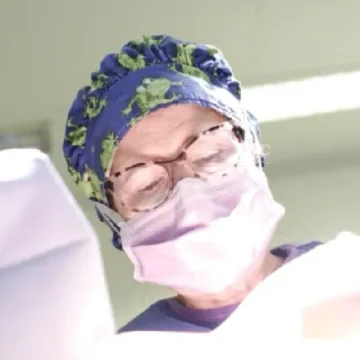
Removal of the implants and the capsule through the appropriate approach, reshaping of the tissue and, where appropriate, a breast lift or fat transfer in the same operation.
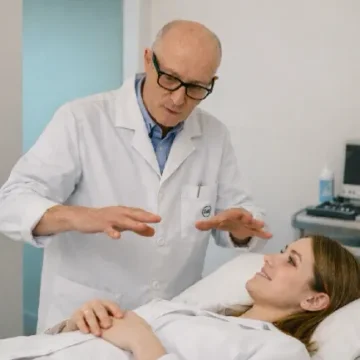
Synapta® protocol, the same method we use in breast augmentation to make recovery more comfortable.

Breasts that are your own, proportionate and natural, without implants.

The price of breast implant removal at Instituto de Benito varies depending on three factors: the type of capsulectomy needed (simple, partial, total or en bloc), whether a breast lift or fat transfer is added in the same operation, and the operating room time and imaging tests your case requires.
Implant removal alone and implant removal with a lift and fat transfer are different surgeries, with different operating times and therefore different prices. We can only give you a fixed quote after the consultation, and that quote will not change afterward.
You can finance this procedure at 0% interest. See the options on our financing page.

The result does not change who you are; it enhances your femininity and balances your natural proportions. Breast implant removal is recommended for women who want:
The breast has hardened, changed shape or become painful. Removing the implant with a capsulectomy solves the problem at its root.
Detected by ultrasound or MRI. A rupture does not always cause symptoms, which is why imaging follow-up is important.
Their lifestyle, their sport, the way they dress or simply their aesthetic preferences have changed. It is a perfectly valid reason and needs no further justification.
Fatigue, joint pain, brain fog or other symptoms the patient links to her implants. We listen to them, assess them seriously and coordinate with other specialties when needed.
Implants do not have an expiration date, but they are not permanent devices either. Many patients decide to have them removed rather than replaced.
When the result of a previous surgery is not what was expected and the patient prefers to have the implants removed rather than try again with a new implant.
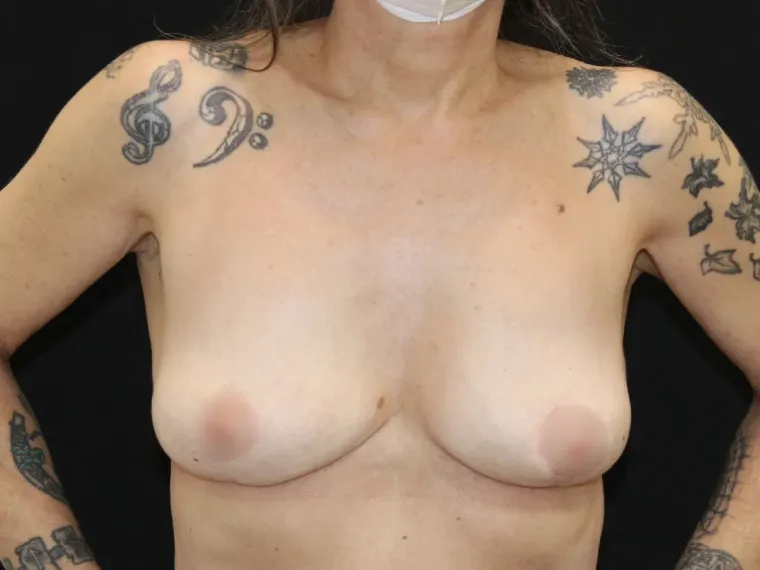
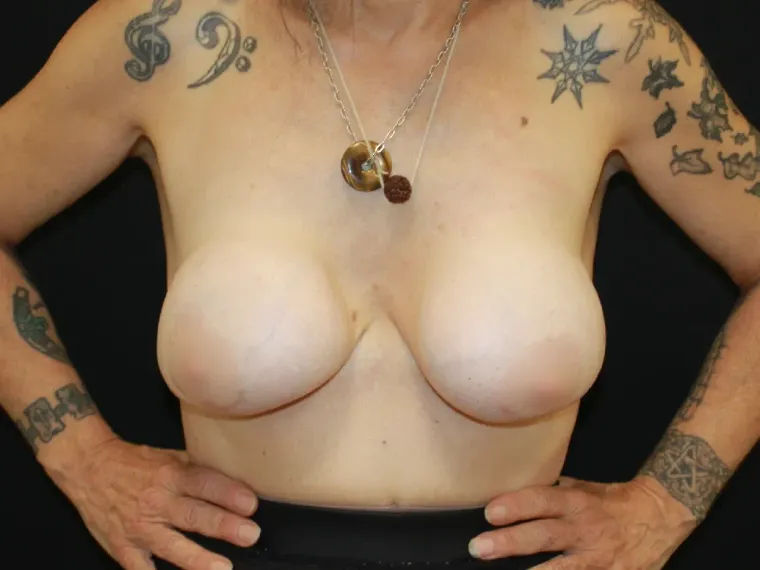
breast implant removal
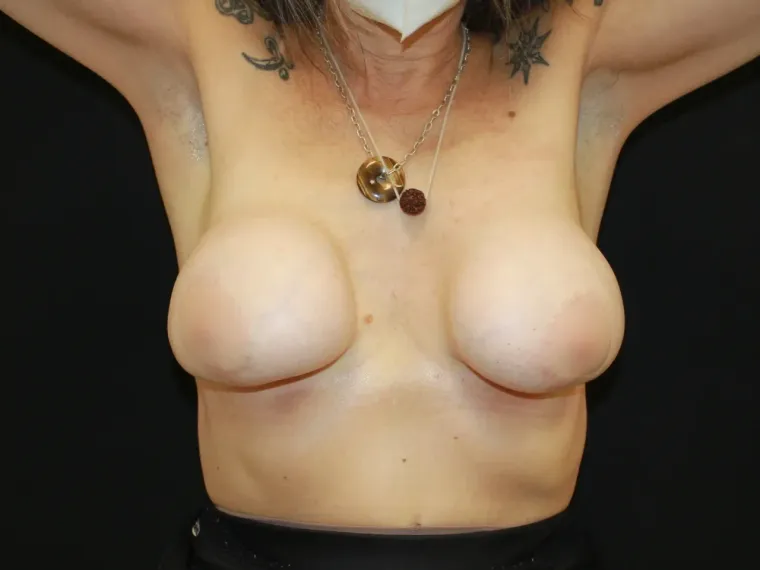
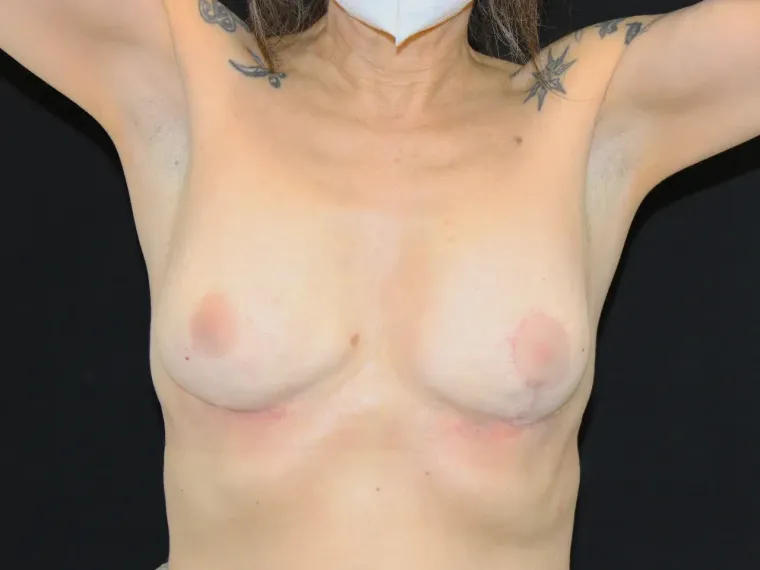
breast implant removal
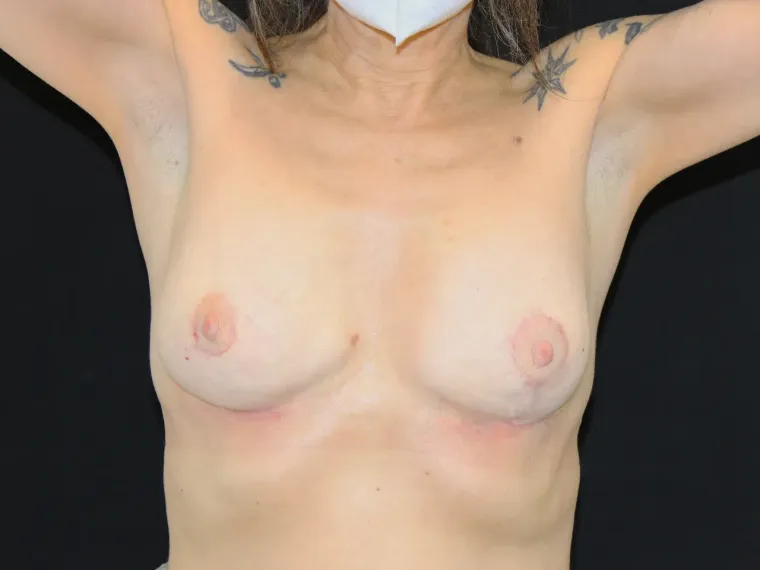
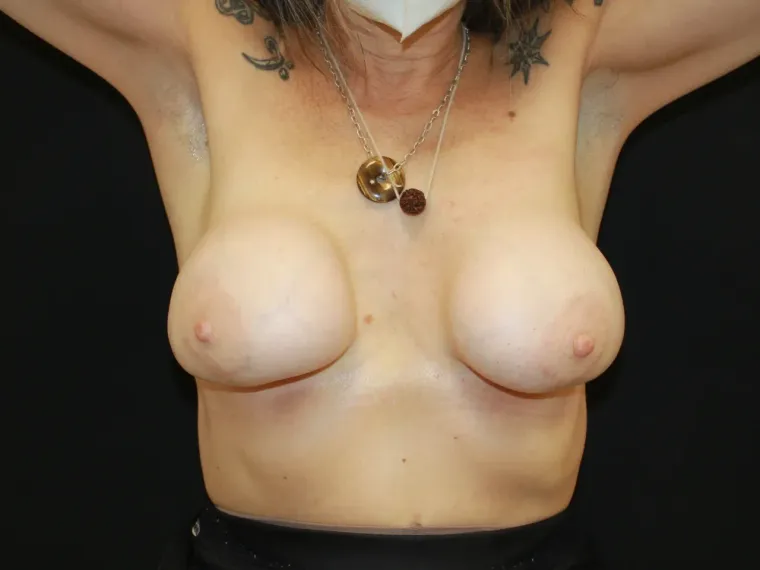
Breast implant removal
In this video, Dr. Marina García explains what to bear in mind before breast surgery.
Implant removal is a surgery with a very good safety profile, but there are situations in which it is postponed or contraindicated. We always assess this at the preoperative consultation.
| Contraindicación | Motivo |
|---|---|
| Current pregnancy or active breastfeeding | Changes in volume and hormone levels alter the result and increase the anesthetic risk. Surgery is postponed until at least 6 months after breastfeeding has ended. |
| Active infection, local or systemic | It increases the risk of wound infection and scarring complications. The procedure is postponed until it has fully resolved. |
| Active smoking | Nicotine seriously compromises healing and increases the risk of necrosis, especially if a breast lift is added. We require you to stop at least 4 weeks before and 4 weeks after. |
| Active breast cancer or an undiagnosed lesion | Any undiagnosed radiological or clinical finding must be investigated first. Cosmetic surgery never takes priority over oncological assessment. |
| Severe coagulation disorders | They raise the risk of post-operative hematomas, intraoperative bleeding and healing complications. A prior hematological assessment is required. |
| Uncontrolled systemic diseases | They increase the anesthetic risk and compromise healing. They must be stabilized first. |
| Systemic symptoms without a prior medical workup | In patients who come to us about BII, we recommend ruling out other treatable causes first. Implant removal should not be a substitute for a diagnosis. |
| Unstable body weight | Significant weight changes alter breast volume and position. We recommend a stable weight for at least 6 months, especially if fat transfer is being considered. |
| Insufficient body fat (only if fat transfer is being considered) | Without sufficient donor areas, filling with your own fat is not feasible. The technique is reconsidered. |
| Anticoagulant or antiplatelet treatment | It is not an absolute contraindication, but it requires an adjustment prescribed by the treating physician and coordinated with the surgical team. |
| No mammogram in patients over 35-40 years old | We require a recent imaging study. We do not operate on a breast that has not been examined. |
Book your breast implant removal consultation
Removing an implant is, generally speaking, a simpler surgery with fewer complications than placing one, and the literature reflects this. Even so, it is a real surgical procedure, with anesthesia and with risks that every patient should know about before signing a consent form. We work in an accredited operating room and always with a qualified anesthesiologist.
If, after surgery, you experience severe pain that does not ease with the prescribed pain relief, a fever above 38 °C, progressive redness, marked local warmth, discharge from the wound, a sudden increase in the volume of one breast, difficulty breathing or chest pain, contact the clinic immediately or go to the emergency room.
Our team has been operating on the breast in all its forms for more than 40 years: augmentation, reduction, lift, reconstruction and also removal. Breast implant removal is not surgery to “undo” previous work: it is secondary breast surgery, the most demanding of all, because it is performed on tissue that has already been operated on. Here, accumulated experience is not a sales argument; it is a technical requirement.
«With almost four decades devoted to cosmetic surgery»
«A breast augmentation goes far beyond a surgical procedure: it is a deeply personal process based on trust»
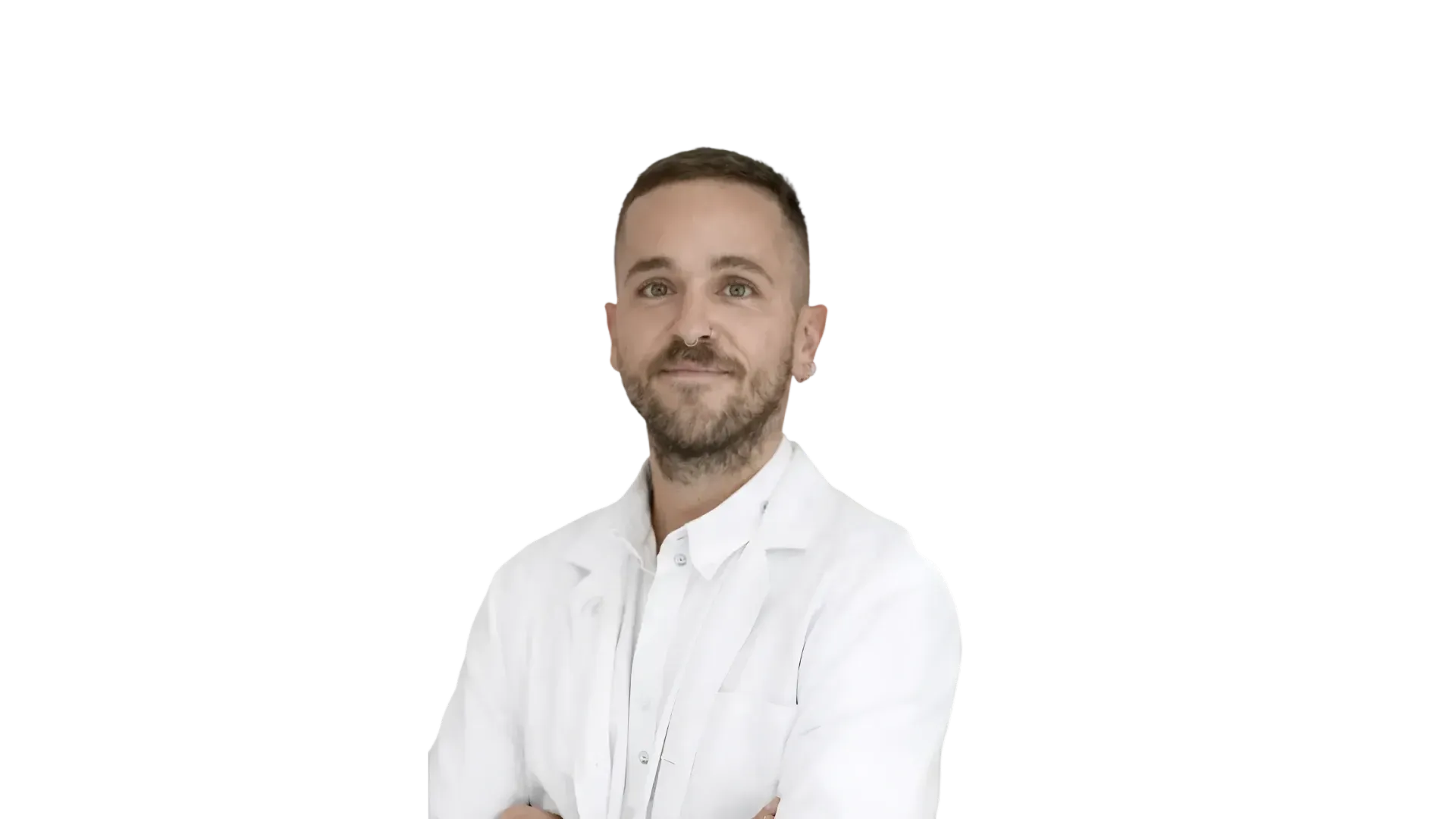
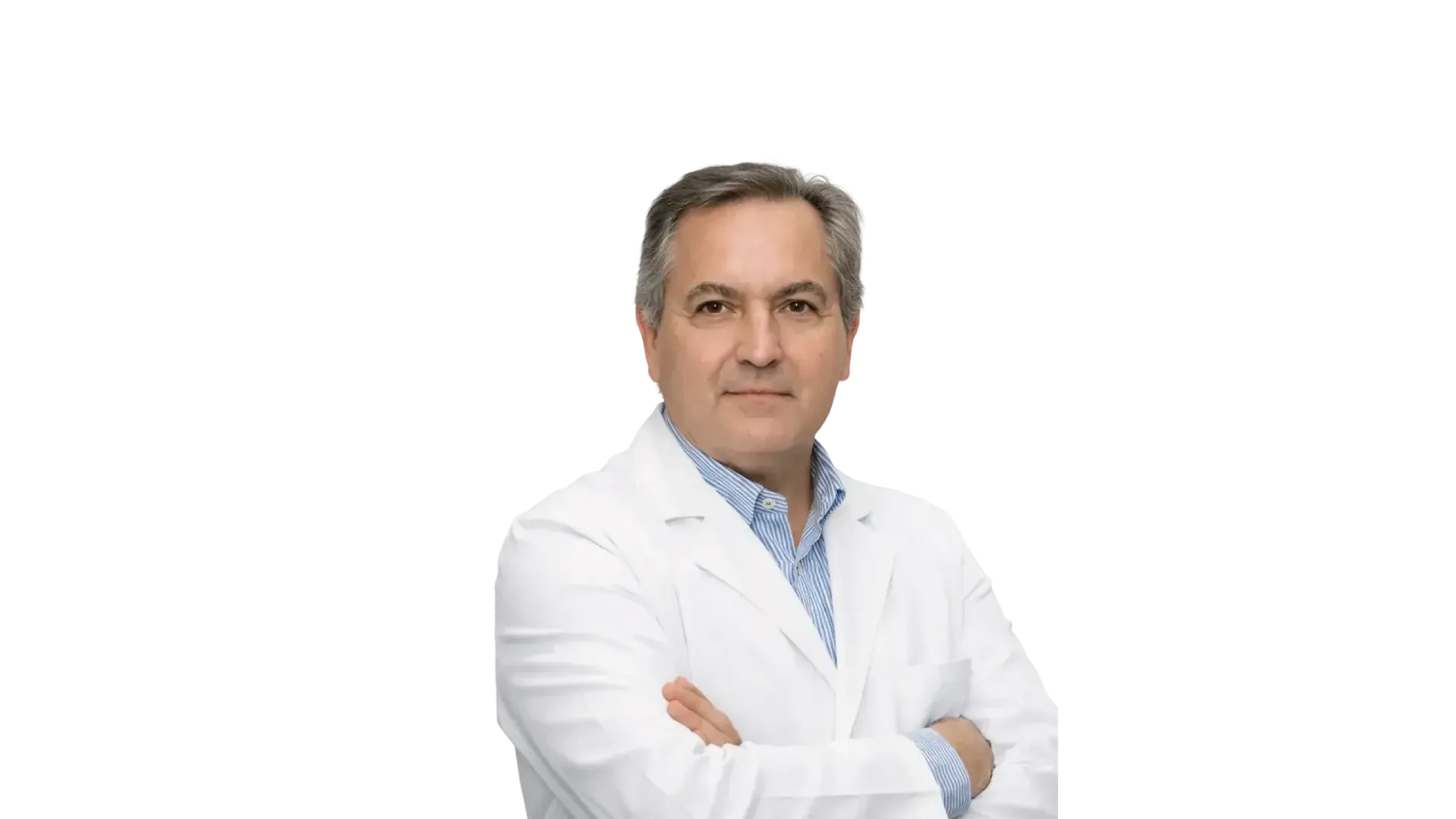
«A breast augmentation changes more than your body»
At Instituto de Benito, we have a solid track record backed by more than 40 years of experience in plastic and cosmetic surgery, with a special focus on breast surgery. Over the course of our career, we have performed more than 10,000 breast surgeries, which allows us to offer safe, natural and personalized results.
Post-operative follow-up is included and we support the patient through every stage until discharge.
The first step is not surgery: it is a consultation with the surgeon who would perform your procedure. The surgeon will assess your current implants, the quality of your skin and the tissue you still have, explain honestly how your breasts will look and give you a specific surgical plan and a fixed quote.
The first consultation costs €80, which is deducted from the price of the surgery if you decide to have your procedure with us.
When the implant is removed, the breast goes back to the volume provided by your own breast tissue, which is less than you had with the implant. The skin and gland, which have adapted over years to a larger volume, need time to retract: during the first few weeks the breast may look empty or saggy. In most patients this gradually improves between 3 and 6 months. When the retraction is not expected to be enough, a lift or a fat transfer with your own fat is added in the same operation.
At Instituto de Benito, breast implant removal starts at €6,000. The final price depends on whether it is implant removal alone or whether a complete capsulectomy, breast lift or fat transfer is added, since each involves a different operating time. We always give a fixed quote after the consultation, and it can be financed at 0% interest.
It depends on three factors: the elasticity of your skin, the breast tissue of your own that you still have and the size of the implant removed. With small implants, firm skin and good glandular tissue of your own, the breast regains a natural shape with no additional procedures. With large implants, many years of use or lax skin, there is likely to be sagging and excess skin, which is why adding a breast lift, fat transfer or both is recommended. At the consultation we will show you realistically what your scenario is before you have surgery.
The most common ones are mild and temporary: swelling, bruising, changes in sensation and a feeling of tightness. Seroma (a buildup of fluid in the cavity left by the implant) is the most characteristic issue with this surgery and usually resolves on its own or with needle drainage in the office. Less commonly, infection, abnormal scarring, residual skin laxity or persistent asymmetry may occur. Serious complications are uncommon.
Not always. If the capsule is thin and healthy and the implant is intact, it can be left for the body to reabsorb. It is removed (capsulectomy) when it is thickened, calcified or contracted, when the implant is ruptured or when BIA-ALCL is suspected. The decision is made case by case, not as a rule.
It is the technique in which the implant and capsule are removed together, in one piece and without opening the capsule. It is indicated when the implant has ruptured and silicone has leaked out, or when BIA-ALCL is suspected. It is technically more demanding and offers no proven advantage when the capsule is thin and the implant is intact, so we do not indicate it routinely.
Less than an augmentation. No new pocket is created and no foreign body is placed that would put the tissues under tension. In Barcelona we apply the Synapta® protocol, which acts on the peripheral nervous system to make recovery more comfortable.
It is one of the most requested combinations. The implants are removed and the breast is filled with fat harvested by liposuction from the abdomen, flanks or thighs. It requires sufficient donor areas, and part of the graft is reabsorbed, so in some cases a second session is planned.
You can return to your social life in 2 to 4 days and to office work within a week. Drains, when placed, are removed after 3-5 days. High-impact exercise can be resumed from 6 weeks onward. The final shape of the breast can be seen between 3 and 6 months.
We cannot guarantee it, and you should be wary of anyone who does. There is no proven causal link between implants and a systemic autoimmune disease, although there is literature documenting improvement in these symptoms in some patients after implant removal. Our recommendation is to rule out other treatable medical causes first. If, after that workup, you decide to have your implants removed, we will support you.
Yes, but it is best to wait. We recommend a minimum of 6 months so the tissues can stabilize and be assessed under real conditions. If you are unsure whether to remove or renew your implants, also see our breast implant replacement page.
It does not prevent them. After implant removal, imaging is actually simpler than with implants. If fat transfer has been performed, it is important to tell the radiologist, because oil cysts and microcalcifications from the fat graft have a characteristic radiological pattern that an experienced radiologist identifies without difficulty.
Yes, at 0% interest. See the options on our financing page.
Medical review
Dr. Lucrecia Villanueva body and breast surgeon
N.º de colegiación 282871279
Specialist surgeon in body and breast
Average rating: 4.8 / 5
 Feed
Feed











'%20fill='%23FBBC05'%20d='M0%2037V11l17%2013z'/%3e%3cpath%20clip-path='url(%23b)'%20fill='%23EA4335'%20d='M0%2011l17%2013%207-6.1L48%2014V0H0z'/%3e%3cpath%20clip-path='url(%23b)'%20fill='%2334A853'%20d='M0%2037l30-23%207.9%201L48%200v48H0z'/%3e%3cpath%20clip-path='url(%23b)'%20fill='%234285F4'%20d='M48%2048L17%2024l-4-3%2035-10z'/%3e%3c/svg%3e)


