Breast Reconstruction in Barcelona and Madrid

Restore the shape, volume, and symmetry of your breast. Restore yourself.

Starting from: €6,250

Recontrucción mamaria en Barcelona y madrid
Loading form...

Duration of surgery:

90–240 minutes

Recovery time:

7–15 days

Pain-free surgery:

Included

Anaesthesia:

General

Hospitalisation:

1 night

Social life:

In 7–10 days

What is breast reconstruction?

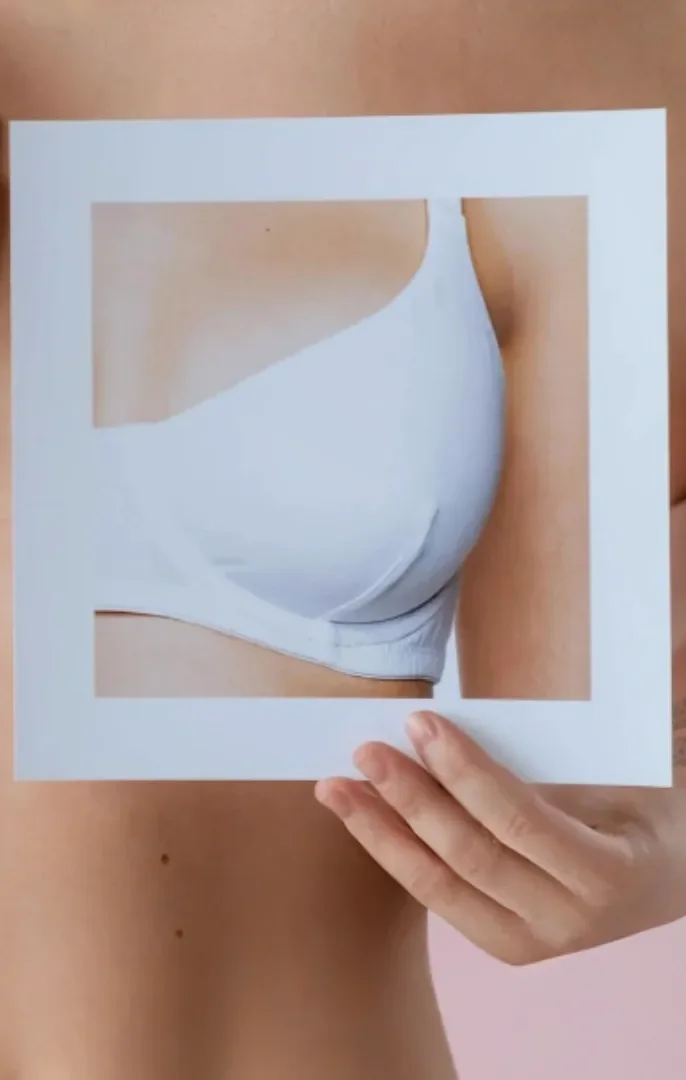
Breast reconstruction is a surgical procedure that restores the shape, volume, and symmetry of the breast following a mastectomy or lumpectomy. Its main goal is to recover the body image and improve the patient's quality of life, completing the oncological treatment with a breast that looks and feels as natural as possible.

There is no single way to reconstruct a breast. The appropriate technique depends on the type of oncological surgery performed, the quality of the skin and tissues, whether you have received or will receive radiotherapy, your anatomy, and your preferences. Therefore, at Instituto de Benito, reconstruction is always planned individually and, when necessary, in coordination with your oncology team.

What breast reconstruction techniques exist

Reconstruction with breast implant:

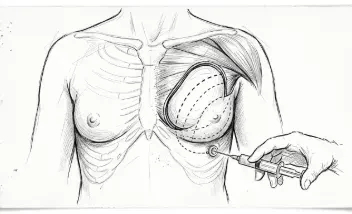
This is the least invasive technique with the quickest recovery. The breast is reconstructed with a silicone implant, placed directly or after a preliminary phase with a tissue expander that prepares the skin and muscle to accommodate the definitive implant. It can be performed in a prepectoral or retropectoral plane depending on the available coverage.

Reconstrucción con implante mamario:

Reconstruction with tissue expander:

When there is not enough skin after the mastectomy, an expander is placed and gradually filled in the clinic over weeks or months. In a second intervention, the expander is replaced with the definitive implant.

Reconstrucción con expansor tisular:

Reconstruction with own tissue (autologous flaps):

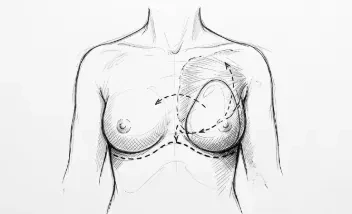
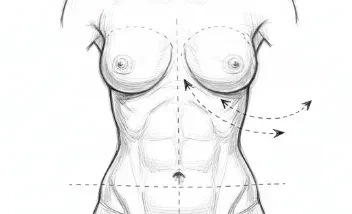
It uses skin, fat, and in some cases, vessels from another area of the body, usually the abdomen (DIEP flap) or the back (latissimus dorsi) to recreate a breast with a natural feel and stable result over time. It is the option of choice for many irradiated patients.

Reconstrucción con tejido propio (colgajos autólogos):

Lipofilling or fat autograft:

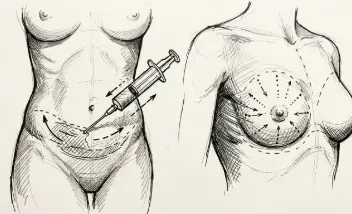
Transfer of one's own fat to correct defects after a lumpectomy, refine the result of a previous reconstruction or improve the coverage of an implant. It can be used as a complementary technique or, in partial defects, as a reconstruction in itself.

Lipofilling o autoinjerto de grasa:

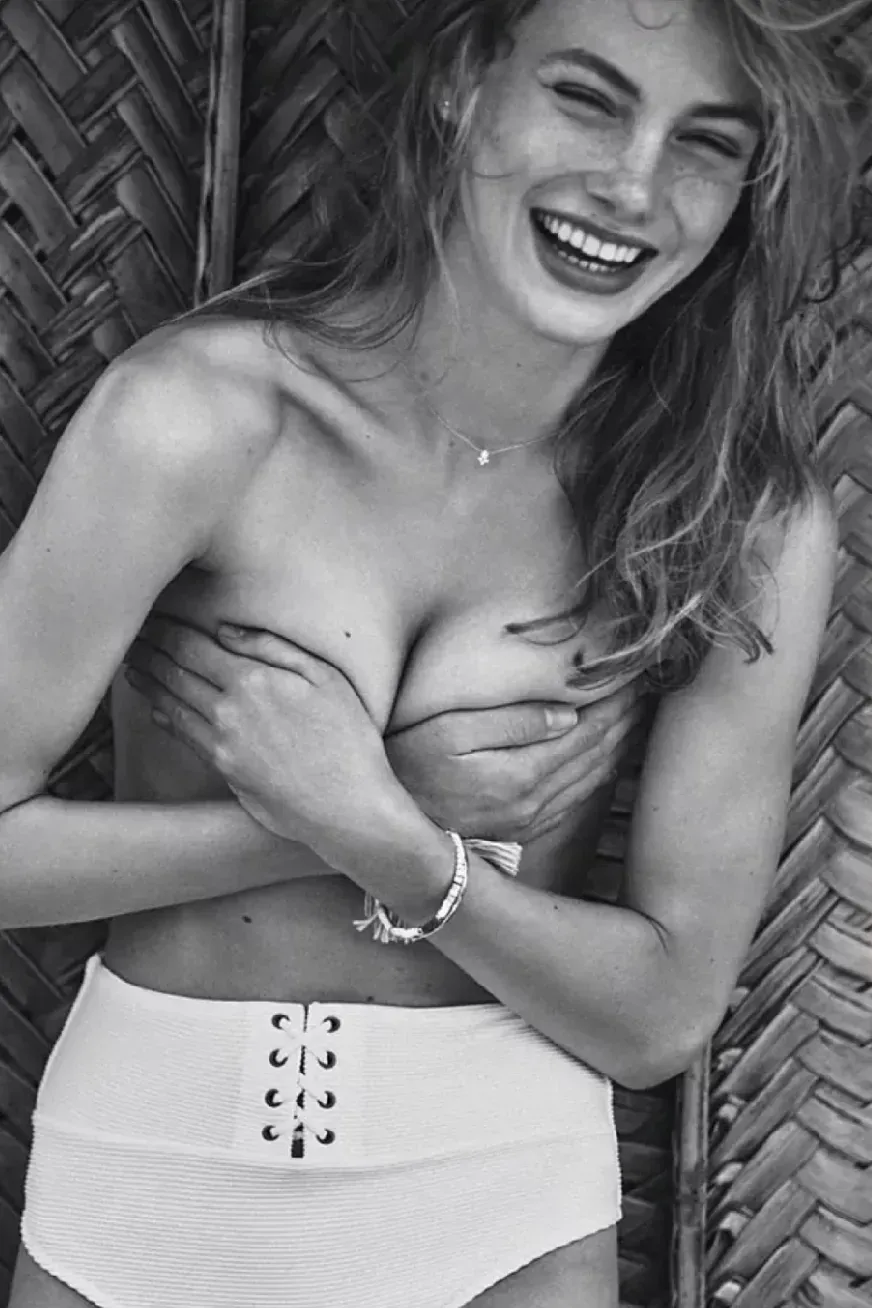
Patients who have trusted Instituto de Benito look like this:

El aumento de pecho de Claudia Martinez

@claudia.martinez

La cirugía mamaria de Elevación de pecho de Laura Casabela

@lauracasabela

Evidence and medical support

Our practice is supported by membership in renowned international scientific societies, such as the SECPRE (Spanish Society of Plastic, Reconstructive and Aesthetic Surgery), ISAPS (International Society of Aesthetic Plastic Surgery) and SCCPRE, which ensures continuous training and the application of the safest techniques.

aumento de pecho

What does a breast reconstruction at IdB involve?

The reconstruction begins with a thorough assessment in which we study your oncological history, the treatments received or pending, the quality of the tissues and your objectives. From there, your surgeon designs a reconstructive plan in one or several stages, choosing the most appropriate technique, timing and symmetry strategy for your case.

01

Medical assessment of the reconstruction:

valoracion personalizada

The assessment is carried out with the surgeon who will perform your procedure. We review oncological reports, imaging tests and previous treatments, and together we define the reconstructive plan. To book the appointment, a payment of €80 is required in advance, which will be deducted from the cost of the surgery.

02

Coordination and preparation of the procedure:

preparación intervencion

When necessary, we coordinate with your oncologist or breast surgeon to determine the optimal timing for the reconstruction and ensure that nothing interferes with your treatment.

03

Procedure:

intervencion mamoplastia

A precise and planned surgery, designed to restore shape, volume and symmetry with the most natural result possible.

04

PAIN-FREE recovery:

mamoplastia sin dolor

At Instituto de Benito we have developed a method to make your postoperative experience virtually painless.

05

Start seeing yourself as you want to feel

saliendo mamoplastia

Because reconstruction is not an addition to the treatment: it is part of your recovery.

What is the cost of breast augmentation at Instituto de Benito?

6250€

The cost of breast reconstruction at Instituto de Benito starts from €6,250 and depends on the technique (implant, expander, flap, or lipofilling), the number of necessary phases, whether contralateral breast symmetrisation is included, and the tests and follow-up included. After the assessment, you will receive a fixed and detailed budget for your entire reconstructive process.

Cargando formulario...

Preparation and Recovery: The IdB Protocol

Preoperative

The process begins with a personalised assessment in which your medical and oncological history is reviewed, the treatments received (especially radiotherapy), the quality of the skin and tissues of the chest and possible donor areas, and your objectives are studied. During this phase, the reconstructive technique, the number of phases and the symmetrisation strategy are defined.

Before the intervention, complete preoperative medical tests are carried out and, when appropriate, a report from your oncology team is requested. We provide you with specific recommendations: medication to avoid, smoking cessation, preoperative fasting and postoperative preparation.

Preparation and Recovery: The IdB Protocol

Postoperative

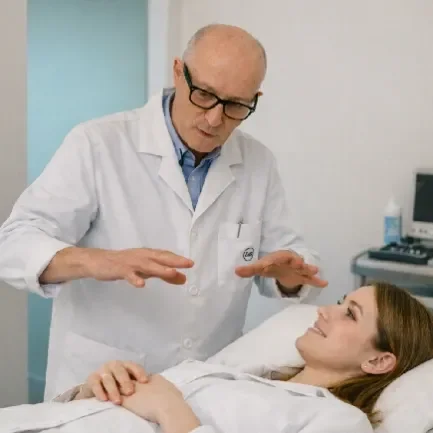
After surgery, a period of progressive recovery begins in which it is normal to experience swelling, a feeling of pressure or mild discomfort that is controlled with the prescribed medication. During the first few weeks, it is recommended:

  • Use of a post-surgical bra to stabilise the reconstruction.
  • Care of drains, if present, according to the team's instructions.

Avoid intense physical exertion and sudden arm movements.

Sleep on your back to protect the treated area.

Attend all check-ups to monitor the progress of the breast and, if applicable, the donor area.

In implant reconstructions, most patients resume their daily life in 7–10 days. In reconstructions with own tissue, the recovery of the donor area extends the process to 3–4 weeks. The final result gradually settles over the following months.
Preparation and Recovery: The IdB Protocol

Are You the Ideal Candidate for Breast Reconstruction at IdB?

Breast reconstruction is indicated for women who wish to restore their body image after an oncological process or breast alteration:

  • 01

    Patients after mastectomy:

    Total or partial, unilateral or bilateral, whether immediately or years after oncological surgery.

  • 02

    Patients after lumpectomy:

    With volume defects, retractions or asymmetries that can be corrected with lipofilling or tissue remodelling.

  • 03

    Women with prophylactic mastectomy:

    Carriers of mutations such as BRCA1/BRCA2 who opt for risk-reducing mastectomy with immediate reconstruction.

  • 04

    Patients with unsatisfactory previous reconstructions:

    Capsular contractures, asymmetries or results that did not meet expectations and can be improved with secondary surgery.

  • 05

    Women seeking to close a chapter:

    Beyond the physical, many patients describe reconstruction as the final step in their recovery.

  • 06

    Patients after surgery or oncological treatment

    The augmentation can be part of a breast reconstruction, restoring shape and confidence after a previous intervention.

  • 07

    Radiated patients:

    Radiotherapy influences the technique, but does not prevent reconstruction: in these cases, options with own tissue offer excellent results.

Everything you need to know before surgery

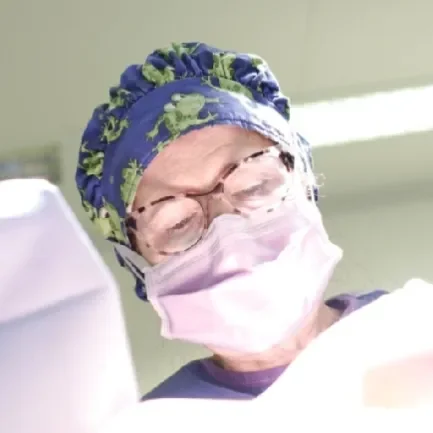
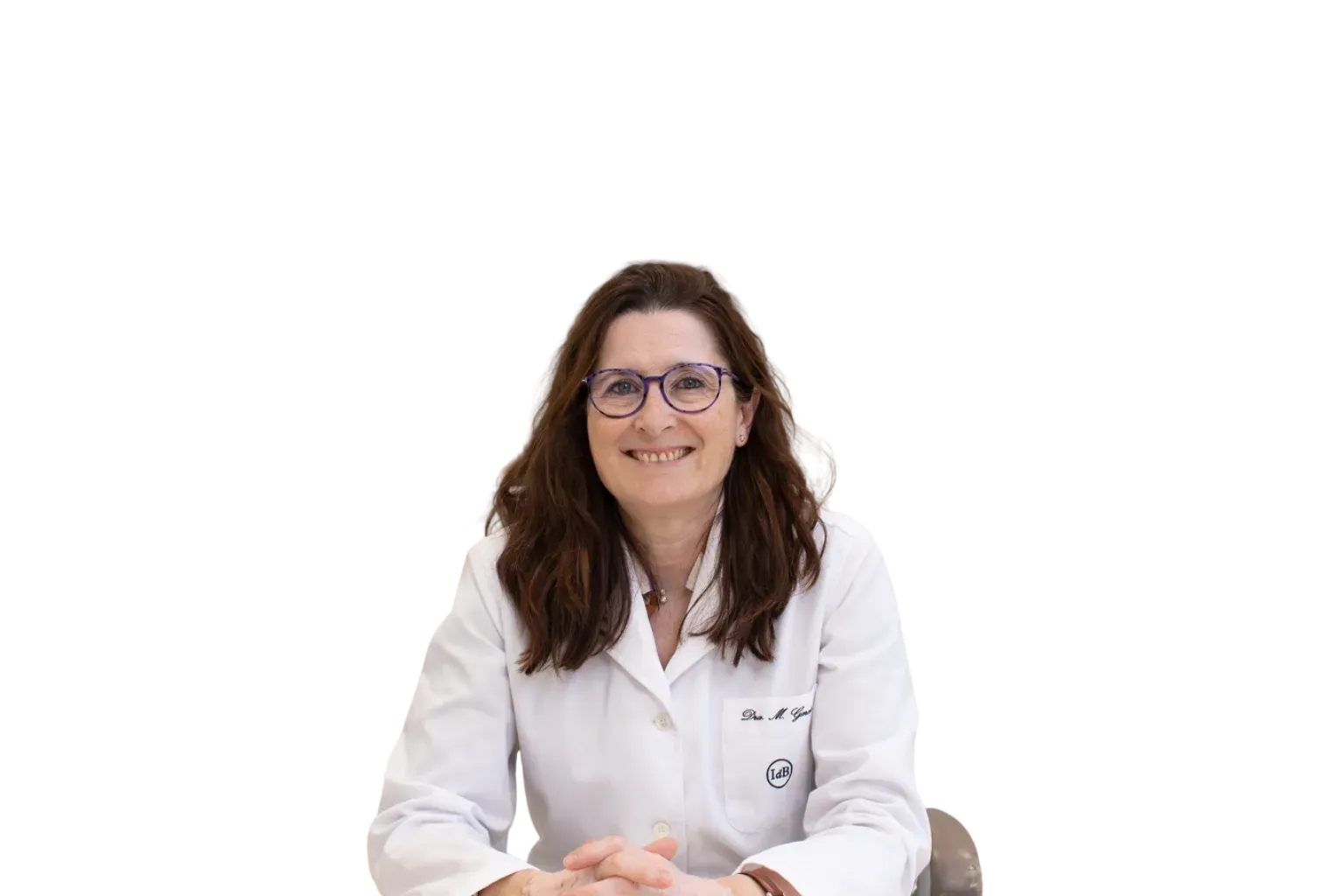
Doctor Marina García explains in this video what to consider before breast surgery.

Who is NOT suitable: contraindications for breast reconstruction

Although breast reconstruction is a safe and well-established surgery, there are situations where it is contraindicated or should be postponed. At Instituto de Benito, we always assess this during the preoperative medical evaluation, above any other consideration. The decision is made, when necessary, in coordination with your oncology team.

ContraindicationReason
Uncontrolled active oncological diseaseCompromises immunity and healing. Reconstruction is scheduled once treatment is completed and analytical parameters have recovered.
Pending radiotherapy (conditions, does not contraindicate)Radiotherapy damages skin quality and increases complications with implants. In patients who are to be irradiated, the technique is adjusted or definitive reconstruction is deferred.
Active infection, local or systemicIncreases the risk of periprosthetic infection and loss of reconstruction. The intervention is postponed until its complete resolution.
Severe coagulation disordersIncrease the risk of postoperative haematomas, intraoperative bleeding, and healing complications. Require prior haematological evaluation.
Decompensated systemic diseasesIncrease the risk of haematomas and flap failure in reconstructions with own tissue. Require prior haematological evaluation.
Active smokingNicotine reduces skin blood flow and severely compromises healing, increasing the risk of necrosis of the nipple-areola complex, suture dehiscence, and infection. We require smoking cessation at least 4 weeks before and 4 weeks after surgery.
Severe coagulation disordersIncrease the risk of haematomas and flap failure in reconstructions with own tissue. Require prior haematological evaluation.
Decompensated systemic diseasesPoorly controlled diabetes, heart disease, or severe lung pathology increase anaesthetic risk and compromise healing.
Active smokingNicotine severely compromises flap vascularisation and healing. We require complete smoking cessation at least 4 weeks before and after surgery.
Unrealistic expectationsThe reconstructed breast will not be identical to the natural breast in feel or sensitivity. When expectations do not align with what surgery can offer, prior information work and, if necessary, psychological support are required.
Unprepared emotional stateThe timing of reconstruction should be chosen by the patient. There is no rush: a well-decided delayed reconstruction is better than a rushed immediate one.

Enhance your figure with natural results

Pedir cita

Risks and possible side effects of breast reconstruction

Breast reconstruction is a surgery with a well-established safety profile when performed with rigorous medical criteria. More than three decades of experience in breast surgery ensure that when you come to Instituto de Benito, you are not just entering a clinic: you are entering a surgical school with a recognised history in the sector. We work with CE-marked medical implants, in an approved operating theatre, and always with anaesthesia and monitoring by a qualified anaesthetist.

If after surgery you experience intense pain that does not subside with the prescribed analgesia, fever above 38 °C, progressive warmth or redness in the breast or donor area, discharge from the wound, sudden colour change of the flap, respiratory difficulty or chest pain, contact the clinic immediately or go to the emergency department. Most serious complications are manageable if detected in time.

Expected and mild reactions (most self-limit in 7-10 days):

Moderate pain and a feeling of pressure during the first 48–72 hours, controlled with the analgesic regimen.

  • Swelling and oedema in the reconstructed breast and, if applicable, in the donor area during the first 2–3 weeks.
  • Mild bruising around the incisions, which resolves in 7–14 days.
  • Feeling of chest tightness, especially with an expander or retropectoral implant.
  • Sensory changes in the reconstructed breast; after a mastectomy, skin sensitivity is usually permanently reduced to a greater or lesser extent.
  • Initially pink scars that mature and lighten up to 12–18 months.
  • Temporary asymmetry while the tissues settle and the oedema decreases.

Less frequent effects:

  • Seroma: accumulation of fluid in the breast or donor area; usually resolves with evacuation puncture in consultation.
  • Significant haematoma requiring surgical drainage.
  • Delayed healing or partial wound dehiscence, more common in irradiated skin, smokers or diabetic patients.
  • Hypertrophic or keloid scar, in predisposed patients. Rippling or implant visibility, more common in reconstructions with little tissue coverage.
  • Persistent asymmetry that may require a touch-up or complementary lipofilling.
  • Weakness or discomfort in the donor area in flap reconstructions (abdomen or back).

Uncommon complications (preventable with rigorous medical practice):

  • Capsular contracture: hardening of the capsule around the implant, more common in irradiated breasts; may require reoperation.
  • Periprosthetic infection, which in the most severe cases requires temporary removal of the implant or expander.
  • Skin or flap necrosis: partial or, exceptionally, total loss of transplanted tissue due to vascular failure; in free flaps such as DIEP, close postoperative monitoring allows immediate action.
  • Hernia or weakness of the abdominal wall in abdominal flaps, now very rare with muscle-preserving techniques (DIEP).
  • Long-term implant rupture or wear: implants are not permanent devices and may require replacement over the years.
  • Deep vein thrombosis and pulmonary embolism, a risk of any surgery with general anaesthesia, minimised with antithrombotic prophylaxis and early mobilisation.
  • BIA-ALCL (breast implant-associated anaplastic large cell lymphoma): a very rare condition historically linked to certain macro-textured implants. Patients are informed during consent and clinical follow-up is established.

Our medical group specialised in breast reconstruction

The Instituto de Benito is a world leader in plastic surgery, aesthetic medicine and wellness, with over 35 years of experience and thousands of satisfied patients. Our team combines surgical artistry, technical precision and emotional care, ensuring natural and safe results.

Medical guarantees and certifications for your breast reconstruction surgery

We have a solid track record backed by over 35 years of experience in plastic surgery, with special dedication to breast surgery and more than 2,000 breast procedures performed. We offer comprehensive postoperative follow-up, accompanying each patient through all phases of the reconstructive process, which can extend over several months to ensure optimal recovery and lasting results.

Where to have breast reconstruction?

Request your breast reconstruction assessment

The first step is not surgery: it is an assessment with the surgeon who would perform your procedure. She will study your anatomy, answer your questions and provide you with a specific dimensional plan and a fixed budget.

Related treatments

Frequently asked questions about breast reconstruction

When can I have breast reconstruction after a mastectomy?

It can be done during the same surgical procedure (immediate reconstruction) or months or years later (delayed). The optimal timing depends on your cancer treatment, especially if you need radiotherapy. It is never too late to reconstruct.

Which is better: implant or own tissue?

There is no universally better option. The implant involves less invasive surgery and quicker recovery, but may require future replacements. Own tissue (DIEP flap) offers a more natural feel and stable result over time, especially in irradiated breasts, in exchange for major surgery with a scar in the donor area.

Does reconstruction interfere with the follow-up of my cancer?

No. Reconstruction does not increase the risk of recurrence or prevent its detection. Your cancer follow-ups continue as normal, adapting imaging tests to the type of reconstruction.

I have received radiotherapy, can I have reconstruction?

Yes. Radiotherapy affects the technique as irradiated skin tolerates implants less well, but reconstructions with own tissue offer excellent results in irradiated patients. Each case is assessed individually.

How many surgeries will I need?

It depends on the technique. Some reconstructions are completed in a single intervention; others require two or three phases (expander + implant, touch-ups with lipofilling, nipple reconstruction). During the assessment, we will detail your complete plan.

Are the nipple and areola also reconstructed?

Yes. In a final phase, they can be recreated with local flaps and medical micropigmentation (3D tattoo), a simple outpatient procedure.

Will the reconstructed breast have sensitivity?

The skin sensitivity after a mastectomy is usually reduced, and the reconstructed breast does not regain the sensitivity of a natural breast, although some may improve over time.

How long does recovery take?

With an implant, most patients resume their daily life in 7–10 days. With own tissue, complete recovery of the donor area requires 3–4 weeks. Impact sports can be resumed from 6 weeks onwards.

Does breast reconstruction hurt?

At IdB, we apply the Synapta® protocol, which acts on the peripheral nervous system to make the postoperative period virtually painless, reducing the need for intense medication.

Will my other breast also need surgery?

In many cases, achieving symmetry involves a symmetrisation surgery of the contralateral breast (lift, reduction or augmentation). It is planned from the first assessment.

How long does complete recovery take?

Most patients resume their normal life in about 10 days, although the final result consolidates progressively during the first 3 months.
How much does breast reconstruction cost at Instituto de Benito?

The price depends on the technique, the number of phases, and the symmetrisation. After the assessment (€80, deductible from the surgery) you will receive a fixed quote. We offer financing options.

Can I have reconstruction if I had a mastectomy many years ago?

Yes. Delayed reconstruction can be performed years after the mastectomy with excellent results. The assessment will determine the most suitable technique according to the condition of your tissues.

Excellent

Average rating: 4.8 / 5

Based on 651 reviews
GoogleFeed