Bruxism Treatment with Neuromodulators

Reduce involuntary clenching, relieve jaw and head pain, and relax the masseter muscles, without surgery and with a progressive effect.

tratar el bruxismo
Loading form...

Treatment Duration

15 to 30 minutes

With NESAI® ultrasound

Included

Premium quality

IdB Seal

What is bruxism treatment?

Bruxism is the involuntary clenching or grinding of the teeth, which usually occurs unconsciously during the day or while sleeping. This sustained contraction overloads the masticatory muscles (especially the masseter and temporal) and can cause jaw pain, headaches, dental wear, neck tension, and a progressive widening of the lower third of the face.

At Instituto de Benito, treatment with neuromodulators is indicated following a personalised medical assessment that confirms the muscular origin of the problem and rules out other causes, in order to design a regimen tailored to each patient.

Types of bruxism approach with neuromodulators:

Functional bruxism (recommended)

Focused on reducing pain and tension: relaxes the masseter to decrease the clenching force, relieve tension headaches, and protect the teeth from wear.

Bruxismo funcional (recomendado)

Bruxism with aesthetic component

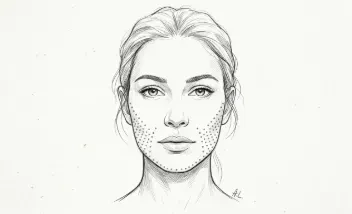
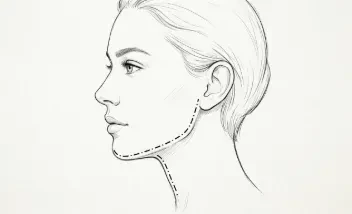
When chronic clenching has hypertrophied the masseter and widened the jaw, the treatment relaxes the muscle and progressively refines and redefines the facial oval.

Bruxismo con componente estético

Progressive and reversible treatment

The effect appears gradually in the first few days and lasts several months. It is reversible: the musculature regains its function over time, so the regimen is adjusted at each session.

Tratamiento progresivo y reversible

What does the treatment with neuromodulators involve?

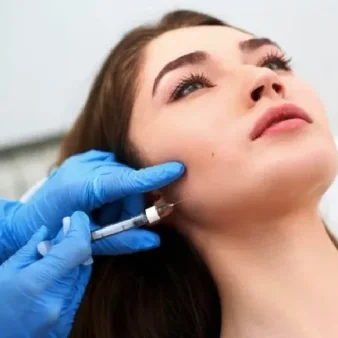
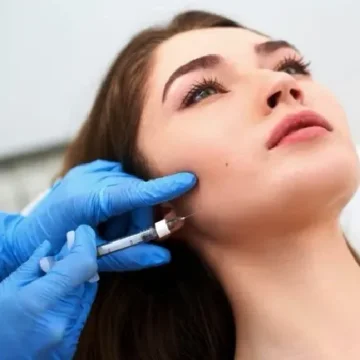
The treatment of bruxism with neuromodulators (botulinum toxin) involves injecting small doses into the masseter muscles and, if indicated, into the temporals. The neuromodulator reduces involuntary muscle contraction in a controlled manner, decreases clenching force, and relieves headache and jaw pain. It is a quick procedure, minimally uncomfortable, with no recovery time, and its effects last between 4 and 6 months.

01

Personalised medical assessment:

valoracion personalizada

Before the treatment, the specialist doctor who will perform the injection studies your case: musculature, clenching intensity, symptoms, and objectives. Here, the indication is confirmed and the dose is defined.

02

Palpation and muscle location

Preparación del músculo

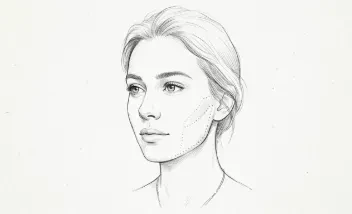
The infiltration points in the masseter (and temporal if applicable) are precisely identified to ensure an effective, symmetrical, and safe result.

03

Preparation

Preparación bruxismo

No special preparation is required. You can attend as normal; fasting or prior rest is not necessary.

04

Infiltration in consultation:

Infiltración bruxismo

The treatment is carried out in a medical consultation with very fine needles and lasts between 15 and 30 minutes. Discomfort is minimal.

05

Start looking how you want to feel

verte como quieres sentirte

The effect is progressively noticeable between the third and tenth day, with a clear reduction in tension and pain in the following weeks.

Pre and post treatment

Before the treatment

  • Medical assessment to confirm the muscular origin of bruxism.
  • Fasting or special preparation is not required.
  • It is recommended to inform about regular medication and medical history.
  • You can attend the session as normal.
Pre and post treatment

After the treatment

  • Immediate recovery: you can resume your daily activities instantly.
  • It is recommended not to massage the area or engage in intense exercise for the first few hours.
  • You may notice slight sensitivity or a temporary feeling of reduced strength when chewing.
  • The effect develops progressively over the first few days and lasts from 4 to 6 months.

lifting sin cirugía

What is the cost of a bruxism treatment

The cost of bruxism treatment with neuromodulators is not fixed: it is always determined after a prior medical assessment, as each case requires a different approach.

As it is a completely personalised medical treatment, the final cost is adjusted according to factors such as:

  • The intensity of clenching and the degree of masseter hypertrophy.
  • The required dose of neuromodulator and the muscles to be treated (masseter, temporal).
  • The objective: functional (pain relief), aesthetic (jawline refinement) or combined.
  • The recommended maintenance frequency.

Each treatment plan is designed following an individualised medical assessment, with a clear, transparent budget aimed at relieving pain, protecting the teeth and, where appropriate, refining the jawline contour.


Who is it for

Treatment with neuromodulators is indicated for people who clench or grind their teeth involuntarily and notice its consequences. It is especially recommended if:

  • 01

    You clench or grind your teeth

    During the day or night, unconsciously.

  • 02

    You have jaw or headache pain

    Tension headaches, pain upon waking, or tension in the joint.

  • 03

    Dental wear notes

    Chronic bruxism wears down the enamel and damages the teeth.

  • 04

    You have hypertrophied masseter

    The jaw has widened due to muscle overload.

  • 05

    You suffer from cervical tension

    The contracture extends to the neck and shoulders.

  • 06

    You are looking for a non-surgical alternative

    No downtime and compatible with your daily routine.

Risks and contraindications

When to be considered with special caution

The treatment is not indicated in all cases. It should be considered with special caution during pregnancy and breastfeeding, neuromuscular diseases, allergy to any of the components, active infection in the infiltration area or when expectations do not match what the treatment can offer.

What risks are there?

It is a safe procedure when performed by medical personnel in a specialised centre. Like any medical procedure, it may present mild and transient side effects:

  • Redness, slight swelling or small bruises at the infiltration points.
  • Temporary sensation of reduced strength when chewing during the first few days.
  • Temporary discomfort or sensitivity in the treated area.
  • Infrequently, slight or transient asymmetry, which is corrected by adjusting the protocol.

During the medical assessment, it is explained whether the treatment is suitable for your case or if another option should be considered.

Less common effects:

  • Palpable nodules or irregularities, generally correctable.
  • Vascular reaction, an infrequent complication that is prevented with NESAI® ultrasound planning and medical control.
  • As it is a non-permanent treatment, its main drawback is that it requires periodic maintenance to preserve the result.

Our medical team facial aesthetic medicine

The treatment of bruxism with neuromodulators is carried out in a medical consultation by the aesthetic medicine team at Instituto de Benito. The prior assessment confirms the indication, defines the dose and explains the plan individually.

Where to treat bruxism in Madrid and Barcelona

The treatment of bruxism with neuromodulators is carried out after a prior medical assessment to confirm the indication and define the dosage. If you are considering it in Madrid or Barcelona, you can request information on availability, indicative pricing, and planning.

Related treatments

Frequently Asked Questions

What is bruxism and how is it treated with neuromodulators?

Bruxism is the involuntary clenching or grinding of the teeth that overloads the masseter muscles. It is treated by injecting small doses of neuromodulators (botulinum toxin) into the masseter to relax the muscle, reduce the clenching force, and relieve jaw and head pain.

How long does the effect of bruxism treatment with neuromodulators last?

The effect lasts between 4 and 6 months. It begins to be noticeable between the third and tenth day after the injection, and a maintenance schedule is recommended to sustain relief over time.

Does the injection for bruxism hurt?

No, the discomfort is minimal. Very fine needles are used and the session lasts between 15 and 30 minutes, without the need for anaesthesia or subsequent rest.

Does botox for bruxism slim the face?

When the masseter is hypertrophied due to chronic clenching, relaxing it progressively refines the mandibular contour and enhances the lower third of the face, as well as relieving pain.

How many sessions of neuromodulators do I need for bruxism?

Usually, one session is enough to notice relief, with maintenance every 4 to 6 months. The exact regimen is defined during the medical assessment according to the intensity of the bruxism and each patient's response.

Does bruxism treatment with neuromodulators affect chewing?

It does not impede chewing. A slight sensation of reduced strength may be noticed during the first few days, which disappears as the muscle adapts.

Is it safe to treat bruxism with botulinum toxin?

Yes, it is a safe treatment when performed by medical personnel in a specialised centre. The side effects are mild and transient (redness, slight swelling or small bruises).

Is bruxism treatment reversible?

Yes, the neuromodulator is reversible: its effect gradually disappears over a few months and the muscle regains its function, so the regimen is adjusted in each session.

When can I return to my routine after the infiltration?

Immediately. It is only recommended not to massage the area or engage in intense exercise during the first few hours.

How much does it cost to treat bruxism with neuromodulators?

The price is always determined after a prior medical assessment, as it depends on the dosage and the muscles to be treated in each patient. There is no fixed rate: each treatment plan is personalised.

Excellent

Average rating: 4.8 / 5

Based on 651 reviews
GoogleFeed