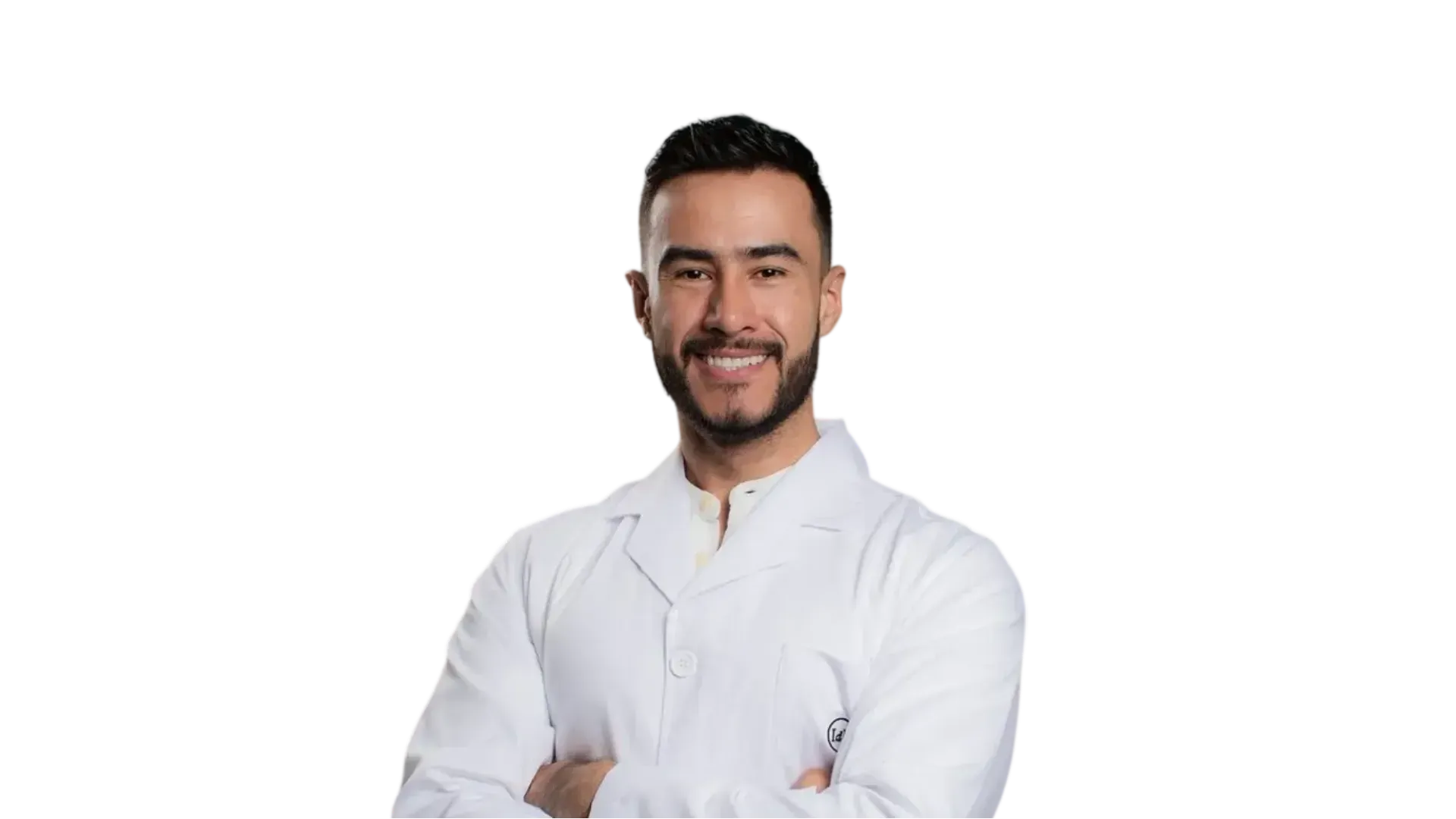
Skinbooster, flaunt radiant skin
Restore your skin's quality with hyaluronic acid microinjections.
Session 290€

Duration of the treatment:
20-40 minutes
With NESAI® ultrasound
Included
Sessions:
2–3 + maintenance
What is the Skin Booster?
The Skin Booster is a facial aesthetic medicine treatment based on microinjections of non-crosslinked high-purity hyaluronic acid. Unlike facial fillers, its goal is not to add volume but to improve skin quality from within: it deeply hydrates the dermis, stimulates the natural production of collagen and elastin, and restores luminosity, firmness, and elasticity to the face.
It is one of the most demanded non-surgical facial rejuvenation treatments because it offers natural and progressive results without altering facial features.
Medical evidence and support
The Skin Booster is a treatment with extensive scientific support. The effectiveness of non-crosslinked hyaluronic acid microinjections to improve hydration, elasticity, and skin quality is documented in clinical studies published in indexed journals.
Our team stays updated through continuous training in the main societies of the sector:
SEME — Spanish Society of Aesthetic Medicine.
AEDV — Spanish Academy of Dermatology and Venereology.
SECPRE — Spanish Society of Plastic, Reconstructive and Aesthetic Surgery.
IMCAS — International Master Course on Aging Science (international benchmark).
What does the Skin Booster treatment consist of?
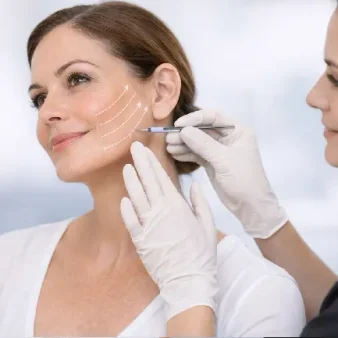
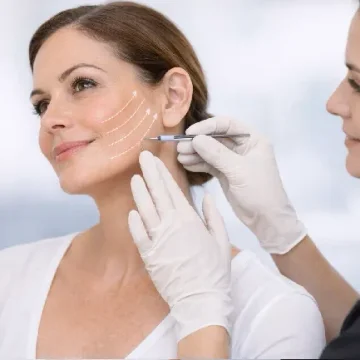
The procedure involves applying small papules of hyaluronic acid through microinjections distributed evenly in the areas to be treated. Hyaluronic acid acts as a hydration reservoir: it captures water molecules in the dermis and, at the same time, induces a biological response that activates the production of type I and III collagen.
Personalized medical assessment:

Your doctor evaluates your history, goals, and skin condition.
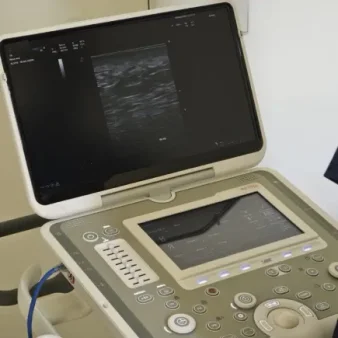
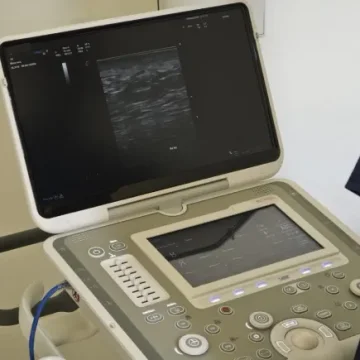
Analysis with NESAI®

Diagnosis of hydration, dermal density, collagen, and firmness with 99.99% accuracy.
Treatment preparation:

Product selection, number of sessions, and areas to be treated.
Application of the treatment in consultation

Microinjections with precise medical technique. We apply anesthetic cream for maximum comfort.
Start looking how you want to feel:

Results appear within the expected timeframe for the treatment, with a natural and harmonious finish. Review at 2–4 weeks and personalized maintenance plan.
Pre and post treatment of Skin Booster


What is the price of Skin Booster at Instituto de Benito
Session €290
The price of Skin Booster at Instituto de Benito starts from €290 per session. The final budget depends on: The selected product (laboratory, density, and volume of the vial). The areas to be treated: full face, eye contour, neck, décolleté, or hands. The number of sessions recommended after your medical evaluation (usually 2–3). Possible combinations with other treatments (carboxytherapy, polynucleotides, collagen inducers).
We work with a clear, transparent budget tailored to your case. The initial medical evaluation costs €50 and is deducted from the treatment if you decide to proceed.
Are you suitable for Skin Booster?
Skin Booster is a versatile treatment indicated for the majority of patients from the age of 25–30. You will benefit especially if:
- 01
Your skin is dehydrated or dull
Lack of radiance, feeling of tightness, or loss of "freshness" after summer, cold weather, or periods of stress.
- 02
You notice a loss of firmness and elasticity
First signs of mild sagging, especially in cheeks, jawline, or neck.
- 03
You have thin or sensitive skin
Skin that cannot tolerate more aggressive treatments but needs quality and skin density.
- 04
You seek natural and progressive rejuvenation
You want to improve your skin without altering features or resorting to volumetric fillers.
- 05
You want to prepare your skin before an event
Provides luminosity and a glow finish that is especially noticeable in photography.
- 06
You need a safe, medical treatment without downtime
Compatible with your routine: you enter, get treated, and return to your normal life.

Who is NOT suitable: contraindications of the Skin Booster
Although the Skin Booster is a very safe treatment, there are situations where it is contraindicated or should be postponed. At Instituto de Benito, we always evaluate it in the prior medical assessment, above any aesthetic or commercial consideration.
| Contraindication | Reason |
|---|---|
| Pregnancy and breastfeeding | Lack of safety studies in these populations; we apply the precautionary principle in non-essential treatments. |
| Known allergy to hyaluronic acid or lidocaine | Risk of hypersensitivity reaction or, exceptionally, anaphylaxis. |
| Active skin infection (herpes, inflammatory acne, folliculitis, acute dermatitis) | Microinjections can spread the infection and worsen healing. |
| Active phase autoimmune diseases (lupus, scleroderma, dermatomyositis) | Increased immunological reactivity and low risk of granulomatous reactions. |
| Uncontrolled severe coagulation disorders | High risk of extensive bruising and small hemorrhages at injection sites. |
| Minors | Not an indicated treatment for developing skin and lacks regulatory framework for this population. |
| Anticoagulants and antiplatelets (Sintrom, acenocoumarol, apixaban, AAS, clopidogrel) | Increase the risk of bruising. Any adjustment is coordinated with your cardiologist or hematologist: never stop the medication on your own. |
| Recurrent cold sores | Microinjections can reactivate the virus. We prescribe prior antiviral prophylaxis. |
| Tendency to keloids or hypertrophic scarring | Risk (low, but real) of abnormal scarring at injection sites. |
| Poorly controlled diabetes or immunosuppression | Increased risk of infection and poorer healing capacity. |
| Unrealistic expectations | The Skin Booster improves skin quality but does not add volume or correct advanced sagging. If your goal is different, we will guide you to the appropriate treatment. |
| Recent facial surgery, ablative laser, or deep peels | The skin needs to complete its recovery before a new injectable procedure. |
| B*t*x or facial fillers in the same area in the last 14 days | Avoid interference between products and respect the integration of the previous treatment. |
Always look radiant

Risks and possible side effects of Skin Booster
One of the reasons why the skin booster has become one of the most prescribed medical aesthetic treatments in consultation is precisely its safety profile. We work with non-crosslinked low-density hyaluronic acid, in intradermal microinjections and always in medical hands. Even so, I am in favor of discussing the risks with the same clarity as I discuss the benefits: any procedure involving a needle has expected reactions and, to a much lesser extent, possible complications. Here I explain them ordered by real frequency.
How the Instituto de Benito minimizes these risks: 100% licensed medical team, single-use instruments, products with medical CE and batch traceability, asepsis protocols, dedicated aesthetic medicine room, and personalized follow-up between sessions.We never delegate the procedure to non-medical personnel.
If after a session you experience intense pain, fever, marked local heat, suppuration, or nodules that do not subside in 7-10 days, contact the clinic immediately.
Expected and mild reactions (what you will notice after the session
These are not complications, they are the normal skin response to microinjections. They appear at the end of the session, are temporary, and require no more treatment than a little patience and the care we recommend:
- Redness (erythema) at the injection sites for a few hours.
- Mild swelling and a feeling of tightness in the treated area for the first 24–48 hours.
- Small pinpoint bruises that may take 3 to 7 days to reabsorb, especially in thin skin or if you are taking medication that affects coagulation (aspirin, ibuprofen, ginkgo, high-dose omega-3).
- Sensitivity or slight local pain when pressing the skin during the first few days.
- Small "orange peel" type welts right after the microinjections, which disappear in a few hours as the hyaluronic acid distributes in the dermis.
All these effects are a direct consequence of the needle's action on the skin, not the product. The vast majority of patients can return to their normal life the same day, resuming makeup from 12–24 hours as indicated.
Less frequent effects:
There is a second group of reactions that, while not serious, are worth knowing about because they can appear even if the technique was correct:
- More extensive bruising, especially in patients with very thin skin, a history of capillary fragility, or anticoagulant treatment.
- Small palpable nodules at the injection sites during the first few days, which resolve with gentle massage or spontaneously when the product finishes diffusing.
- Mild itching in the area, generally associated with the microscopic healing process of the puncture sites.
- Temporary asymmetry perceived in the first 48–72 hours, before the product is evenly distributed.
- Reactivation of a pre-existing cold sore if the microinjections are performed near the lip in patients with a history (in these cases, prior antiviral prophylaxis is advised).
- Increased skin sensitivity during the first week, which is why we recommend fragrance-free and acid-free products during this period.
All these reactions are self-limiting and resolve without sequelae. Your doctor will give you guidelines to minimize them: apply local cold, avoid intense sports, sauna, and sun exposure for 48 hours, and do not manipulate the area.
Rare complications:
These are serious complications, described in surgical literature with low incidence but that every well-informed patient should know before signing consent:
- Hypersensitivity reaction to the product or some component. It usually manifests as persistent swelling, rash, or intense itching. It is exceptional with the certified hyaluronic acids we use.
- Local infection at the injection sites. It is prevented with rigorous asepsis and treated with antibiotics if it occurs.
- Persistent nodules or late granulomas (weeks or months later). They are very infrequent and are managed with intralesional corticosteroid or hyaluronidase.
- Tyndall effect (bluish discoloration due to too superficial injection). More associated with volumetric fillers than skin boosters; reversible with hyaluronidase.
- Late inflammatory reactivations after intercurrent infectious processes (flu, COVID, vaccines), described in the literature as the body's immune response to the residual product. They subside with medical treatment.
Our medical group aesthetic medicine
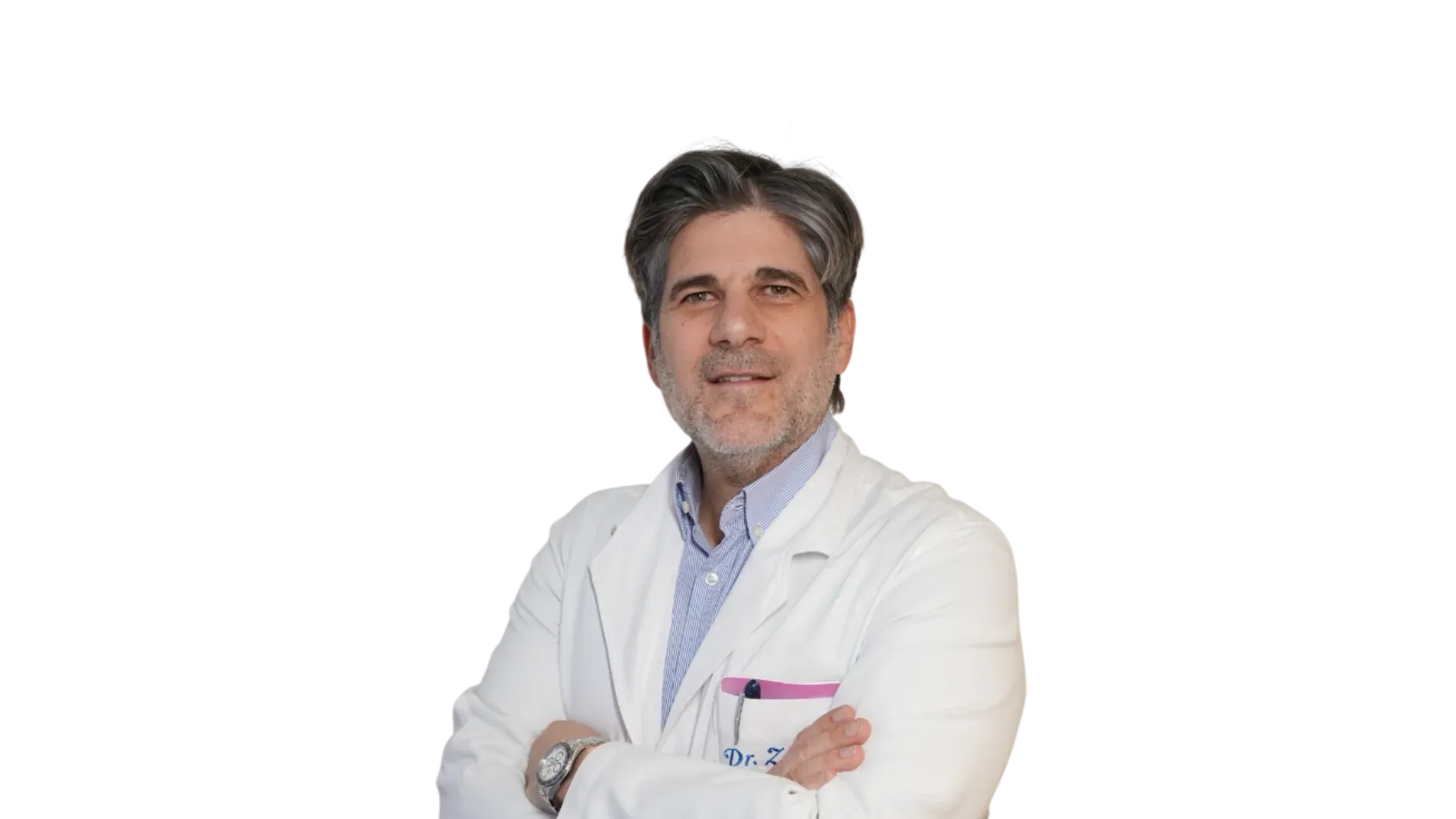
Meet the team at Instituto de Benito that applies the Skin Booster:


Commitment to the Instituto de Benito
Skin boosters are medical injectables based on non-crosslinked hyaluronic acid that act on the quality and deep hydration of the skin, and therefore are only administered by an aesthetic doctor after careful evaluation of each case.
At the Instituto de Benito, patient safety comes before any aesthetic goal. We work with audited clinical protocols, medical CE-marked healthcare products with batch traceability, single-use instruments, dedicated aesthetic medicine rooms, and personalized follow-up between sessions. We never delegate a medical-aesthetic procedure to non-medical staff.
Where to get the skin boosters treatment?
Related treatments
Frequently asked questions about skin boosters
What results can I expect after a Skin Booster?
You will notice more hydrated, luminous, and firm skin from the first week. The results are progressive: the improvement in texture, elasticity, and skin density is fully appreciated between 4 and 8 weeks after completing the initial protocol.
Does the Skin Booster hurt?
It is a very well-tolerated treatment. We apply topical anesthetic cream before the session to ensure a comfortable experience. During the microinjections, you may feel small pricks and a slight sensation of pressure, nothing more.
Is it a safe treatment?
Yes. The hyaluronic acid used is biocompatible and resorbable, identical to what your skin naturally produces. It is exclusively applied by specialist doctors, with certified products and complete traceability.
What side effects can it have?
The most common are mild and transient: redness, small papules (which disappear in 12–24 h), micro-hematomas or slight sensitivity in the area for 24–48 h. Serious complications are exceptional when the treatment is performed by a qualified doctor.
Who should not get a Skin Booster?
It is not recommended during pregnancy, breastfeeding, allergy to hyaluronic acid, active skin infection in the area to be treated, autoimmune diseases in the active phase, severe coagulation disorders, or minors. In cases of anticoagulant treatments, poorly controlled diabetes, or recurrent herpes, it is evaluated on a case-by-case basis. The prior medical consultation rules out all these situations.
How many Skin Booster sessions do I need?
The usual protocol is an initial set of 2–3 sessions spaced 2–4 weeks apart, followed by maintenance sessions every 6–12 months. Your doctor will adjust the number according to the NESAI® diagnosis and your goal.
When can I resume my normal life?
Immediately. The Skin Booster does not require medical leave. We only recommend avoiding makeup for the first 6 hours, intense exercise for 48 hours, and direct sun exposure until the papules have disappeared.
How long do the results of the Skin Booster last?
The effects of the initial protocol last between 6 and 12 months, depending on the product used, age, lifestyle habits (sun, tobacco, hydration), and cosmetic routine. Regular maintenance prolongs and enhances the results.
At what age is the Skin Booster recommended?
From the age of 25–30 as a preventive and skin quality treatment. In patients aged 40+, it is one of the key treatments to maintain dense, firm, and luminous skin, especially when combined with other techniques.
How long does it take to notice the final result?
You will see an immediate improvement in hydration and luminosity in the first week. The final result (density, firmness, skin quality) is fully appreciated between 4 and 8 weeks after the last session of the initial protocol.