Medically reviewed by Dr. Cristina Cobaleda specialist in aesthetic medicine, licence no. 51612Published on 22 April 2026
Glycolic acid: what it is for, benefits and how to use it
Glycolic acid is an alpha hydroxy acid (AHA) derived from sugar cane that acts as a chemical exfoliant. Thanks to its small molecular structure, it penetrates the skin easily, removes dead cells from the surface layer, speeds up cell renewal and stimulates collagen production.
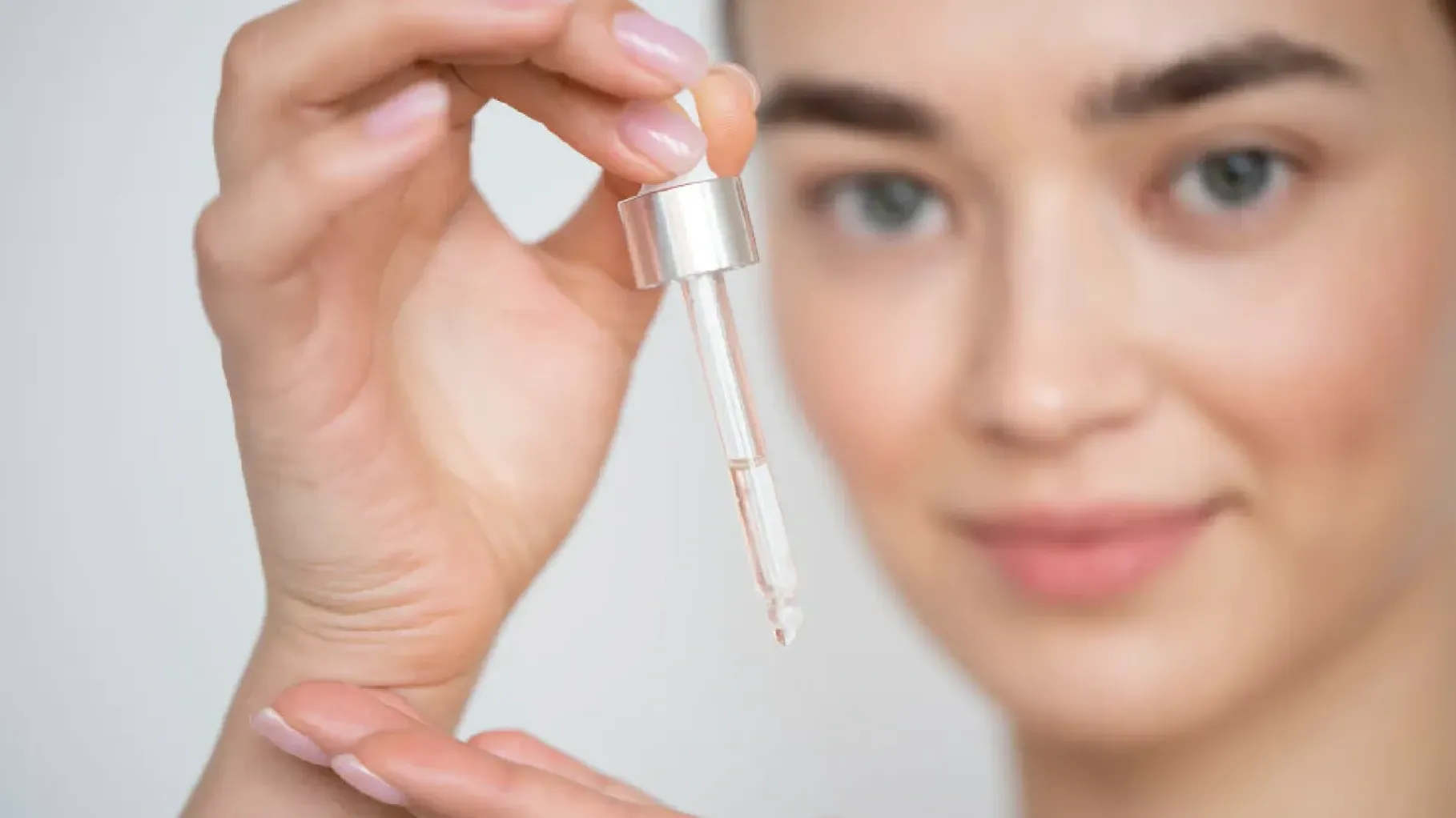
Glycolic acid is an alpha hydroxy acid (AHA) derived from sugar cane that acts as a chemical exfoliant. Thanks to its small molecular structure, it penetrates the skin easily, removes dead cells from the surface layer, speeds up cell renewal and stimulates collagen production. It is used at concentrations of 5% to 10% in at-home skincare and up to 70% in professional chemical peels to treat dark spots, uneven texture, mild acne and the first signs of aging.
It is one of the most widely used active ingredients in aesthetic dermatology and skincare. However, its effectiveness does not depend on the product itself, but on the protocol in which it is used. In this guide we look at what it is, how it works on the skin and how to apply it correctly for visible, safe results.
What is glycolic acid?
Glycolic acid belongs to the alpha hydroxy acid (AHA) family and is the most widely used of them all. It is obtained mainly from sugar cane, although it can also be synthesized in a laboratory. Its molecular structure is the smallest of all the AHAs, which allows it to penetrate the skin easily and explains its high effectiveness compared with other acids such as lactic or mandelic acid.
From a dermatological point of view, it is classified as a keratolytic agent: it helps remove dead cells from the outermost layer (the stratum corneum) without the need for mechanical friction.
How glycolic acid works on the skin (the science)
The mechanism of action of glycolic acid is well documented in the dermatological literature. It acts on four levels at once:
- It dissolves the corneodesmosomes, the protein bonds that hold the dead cells of the stratum corneum together.
- It speeds up cell renewal, helping young keratinocytes reach the surface sooner.
- It stimulates the fibroblasts, which translates into gradual collagen production and improved firmness.
- It improves the penetration of other active ingredients applied afterward (moisturizers, antioxidants, depigmenting agents).
“This process translates into more even, radiant skin with better texture. But the result depends on the concentration, the pH and the frequency of use.” Cristina Cobaleda
Benefits of glycolic acid
The visible effects after continued use under a proper protocol include:
- Smoother texture: it reduces roughness and evens out the skin's surface.
- More even tone: especially effective on superficial dark spots and post-inflammatory acne marks.
- More radiance: by removing dead cells, the skin reflects light better.
- Support for acne-prone skin: it keeps pores clear and reduces the formation of comedones.
- Gradual anti-aging effect: with consistent use, it promotes collagen synthesis and improves fine lines.
To address deeper or long-standing dark spots, glycolic acid is usually combined with other clinical treatments such as IPL photorejuvenation or specific facial rejuvenation treatments.

Concentrations: from at-home skincare to the professional peel
Not all products containing glycolic acid are equivalent. The concentration, the pH and the contact time determine both the effectiveness and the risk of irritation.
From 20% upward, glycolic acid should be applied exclusively in a clinic as part of a chemical peel protocol supervised by a professional.
“It is not only the percentage that matters, but also the pH of the formula and the exposure time. Two 10% products can behave very differently depending on their pH.” Cristina Cobaleda
| Concentración | Tipo de uso | Indicado para |
|---|---|---|
| 4–5% | Gentle daily skincare product | Getting started, dry or sensitive skin |
| 5–10% | Standard at-home skincare product | Maintenance, uneven texture, radiance |
| 10–20% | Intensive cosmetic treatments | Skin already accustomed to it, under supervision |
| 20–70% | Professional chemical peel | Pronounced dark spots, acne scarring, anti-aging |
Who is glycolic acid suitable for?
Recommended for:
- Dull skin or skin lacking radiance.
- Uneven texture and visible pores.
- Superficial dark spots and post-inflammatory marks.
- First signs of aging (fine lines, expression lines).
- Combination or oily skin prone to comedones.
Use with caution or avoid in:
- Sensitive or reactive skin that has not been gradually accustomed to it.
- Rosacea or active couperose.
- Atopic or seborrheic dermatitis during a flare-up.
- Wounds, open lesions or freshly waxed or shaved skin.
- Pregnancy (especially at high concentrations; always consult first).
“In these cases it is essential to consult a professional before starting any routine with acids.” Cristina Cobaleda
How to add it to your routine: step-by-step protocol
- Gentle cleansing with a cleanser free of harsh sulfates.
- Balancing toner (optional, alcohol-free).
- Glycolic acid on dry skin, avoiding the eye contour and mucous membranes.
- Wait 5–10 minutes before the next product.
- Repairing moisturizer with ceramides or hyaluronic acid.
- At night only.
- In the morning, SPF 50 sunscreen without exception.
Recommended frequency:
- Beginner: 1–2 times a week.
- Intermediate: 2–3 times a week.
- Accustomed skin: up to 4 times a week.
A common mistake is using it every day from the start: the skin needs an adjustment period of 2 to 4 weeks.
What to combine with glycolic acid and what to avoid
Avoid combining
- Niacinamide (separate morning/night)
- Retinol and retinoids (at the same time of day)
- Hyaluronic acid
- Pure vitamin C at high concentration
- Ceramides and peptides
- Other AHAs/BHAs at the same time
- SPF 50 sunscreen (morning)
- Physical exfoliants (brushes, scrubs)
- Repairing moisturizers
- Toners containing alcohol
Combining it with retinol is not impossible, but it requires alternating (every other day) or using them at separate times. In the clinic, this type of combined protocol is designed as part of an individualized facial biorevitalization or anti-wrinkle treatment plan.
Glycolic acid and dark spots on the skin
One of the most requested indications in consultations. Glycolic acid helps fade superficial dark spots by speeding up cell turnover: pigmented cells are replaced sooner by new cells with more evenly distributed melanin.
However, it does not work the same way on every type of dark spot. To understand the origin of each type (solar lentigines, melasma, post-inflammatory hyperpigmentation) and which treatment is really effective in each case, we recommend reading the full guide: why do we get dark spots on our skin?.
For deep or long-standing dark spots, glycolic acid works best combined with complementary technologies such as IPL photorejuvenation or staged peel protocols.
Glycolic acid vs other exfoliating acids
Glycolic acid is the most versatile, but not always the most suitable. For very sensitive skin or phototypes IV–VI, mandelic acid is usually preferable. For oily skin with active acne, salicylic acid works better inside the follicle.
| Ácido | Familia | Penetración Alta (molécula pequeña) | Indicación principal |
|---|---|---|---|
| Glycolic | AHA | High (small molecule) | Superficial dark spots, texture, radiance |
| Lactic | AHA | Medium | Dry skin, hydration + gentle exfoliation |
| Mandelic | AHA | Low (large molecule) | Sensitive skin, higher phototypes |
| Salicylic | BHA | Oil-soluble (gets into the pore) | Acne, oily skin, comedones |
When to see a professional
Cosmetic glycolic acid has a ceiling on its effectiveness. It is worth consulting a specialist when:
- Dark spots do not improve after 8–12 weeks of consistent use.
- Persistent irritation, intense peeling or ongoing sensitivity appears.
- The goal is to treat acne scars, melasma or established wrinkles.
- You are considering starting a protocol with concentrations above 20%.
- You want to combine it with other potent active ingredients (retinoids, vitamin C, depigmenting agents).
At Instituto de Benito we work with medical-grade glycolic acid peels as part of personalized plans based on skin type, aesthetic goal and phototype. You can see real cases treated at the clinic to understand the realistic results this type of protocol offers.
Frequently asked questions about glycolic acid
Is glycolic acid good for all skin types?
Not necessarily. Although it is a very effective active ingredient, not all skin tolerates it equally.
It works especially well on skin that is:
- normal
- combination
- affected by dark spots or uneven texture
However, on sensitive skin, or skin with rosacea or dermatitis, it can cause irritation if it is not used correctly. In these cases, it is advisable to introduce it gradually or consult a professional.
How often should you use glycolic acid?
It depends on the skin's tolerance level and the concentration of the product.
- Beginners: 1–2 times a week
- Intermediate use: 2–3 times a week
- Accustomed skin: up to 4 times a week
A common mistake is using it every day from the start, which can damage the skin barrier.
Can you use glycolic acid every day?
It is not the most advisable approach in most cases.
Daily use is only suitable for skin that is very accustomed to it and at low concentrations. For most people, overuse can cause:
- Irritation
- Sensitivity
- Rebound effect
The key is not to use more, but to use it better.
Does glycolic acid remove dark spots?
It helps reduce them, but it is not a miracle treatment.
Glycolic acid speeds up cell renewal, which helps superficial dark spots fade over time. However:
- Requires consistency
- It must be combined with sun protection
- For deep dark spots, other complementary treatments may be needed
How long does glycolic acid take to work?
The results depend on the goal:
- Radiance: from the first week
- Texture: 2–4 weeks
- Dark spots: 4–8 weeks or more
The improvement is gradual, not immediate.
Can you use glycolic acid in summer?
Yes, but with caution.
Glycolic acid increases sensitivity to the sun, so it is essential to:
- Use sunscreen every day
- Avoid intense sun exposure
- Apply it at night
If these measures are not followed, the risk of dark spots may increase.
What should you not mix with glycolic acid?
To avoid irritation, especially at the start, it is recommended not to combine it with:
- Retinol or retinoids
- Other chemical or physical exfoliants
- Pure vitamin C at high concentrations
Over time, some active ingredients can be combined, but always in a controlled way.
Is glycolic acid good for acne?
It can help in cases of mild or comedonal acne.
Its exfoliating action prevents the build-up of dead cells that clog pores. However:
- It does not replace medical treatments for moderate or severe acne
- It should be used as part of a suitable routine
Is it normal for glycolic acid to irritate the skin?
Yes, especially at the start.
It is common to experience:
- Mild redness
- A tingling sensation
- Slight peeling
However, if the irritation is intense or persistent, it is a sign that:
- The concentration is too high
- The frequency is excessive
At what age can you start using glycolic acid?
There is no exact age, but it is generally recommended from the age of 20–25, when people start treating:
- Dark spots
- Uneven texture
- First signs of aging
On young skin, it should be used in moderation.
Does glycolic acid thin the skin?
No. This is a common myth. What it does is remove dead cells from the surface, which can give the feeling of thinner skin, but it does not actually thin it: it leaves it smoother and more even.
Why can glycolic acid make skin worse at first?
In some cases there is an initial adjustment effect:
- Small blemishes appear
- Sensitivity increases
This may be due to:
- Accelerated cell renewal
- The skin adapting poorly
If it persists for more than 3–4 weeks, it is advisable to review how you are using it.