Medically reviewed by Dr. Marina García, licence no. 19091, Dr. María Gijón Vega breast surgeon, licence no. 63332Updated on 5 October 2026
How often should breast implants be replaced? Most common reasons
Breast implants do not have a fixed “expiration date” and, if there are no problems, they can stay in place for many years without needing to be replaced; what usually changes first is the shape of the breast over time.
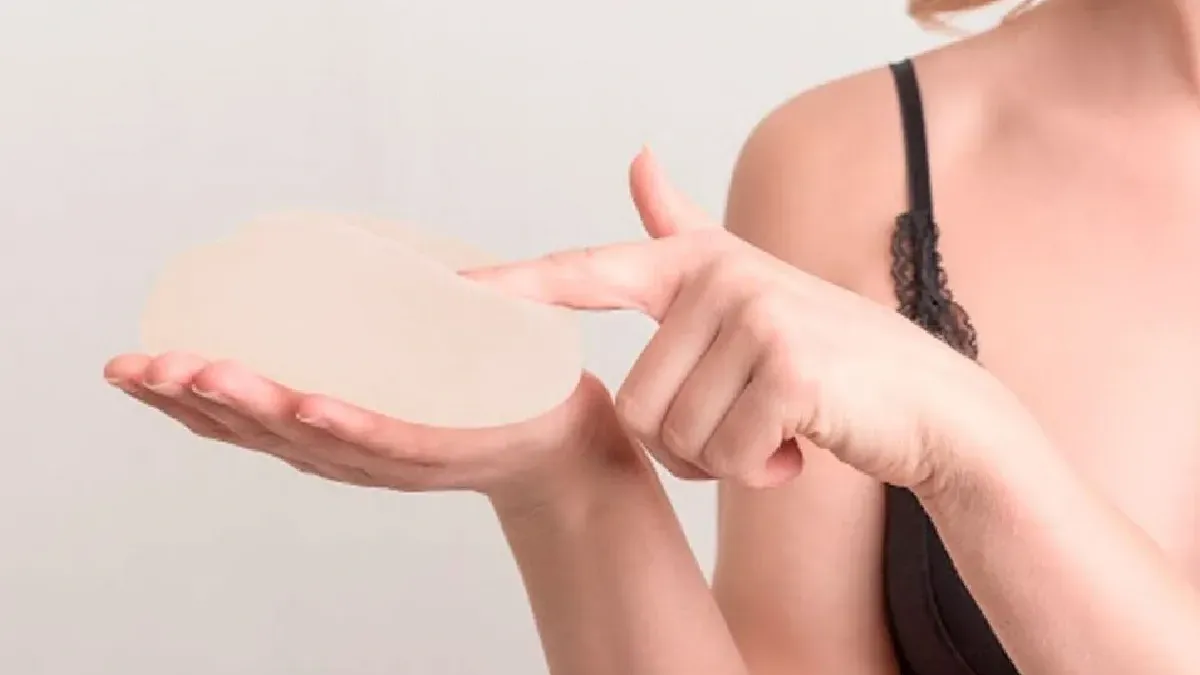
Breast implants do not have a fixed “expiration date” and, if there are no problems, they can stay in place for many years without needing replacement; what usually changes first is the shape of the breast over time. Replacement is considered when the implant is compromised (rupture, capsular contracture, malposition) or when the patient wants a cosmetic improvement or wants to correct a breast that has changed after pregnancy, breastfeeding or aging.
In our clinical experience, most implant replacements are not due to implant failure, but to gradual changes in the breast tissue. This distinction is key to avoiding unnecessary surgery.
When should you consider replacing them?
- Cosmetic changes: Sagging breasts, drooping, breasts that have moved apart or look “empty” in the upper pole after pregnancy, weight loss or aging, even if the implant is fine.
- Functional or clinical reasons: Suspected rupture, pain, hardening (capsular contracture), noticeable changes in shape or new asymmetries.
- Wanting a change in implant size or type: patients who want a more natural-looking breast, less volume or a result more in harmony with their current stage of life.
At Instituto de Benito, with more than 40 years of experience in breast surgery, we see that many patients come in asking about “implant replacement” when in fact the implant is fine and what has changed is the breast.
You do not need to replace your implants if:
- There are no symptoms
- Imaging tests are normal
- The patient is happy with the result
Avoiding unnecessary replacements is part of good medical practice.
What should you do if you think your breast implant has ruptured?
If you suspect a ruptured breast implant, the most important thing is not to panic and to follow a proper medical process.
In many cases, especially with today's silicone implants, the rupture can be silent, meaning there are no obvious symptoms.
Want a breast augmentation like Claudia's?
Signs that may point to a rupture:
A change in the shape or volume of the breast
- New asymmetry
- A breast that feels softer or, in some cases, harder
- Localized soreness or discomfort
Where to replace your breast implants?
At Instituto de Benito we offer a personalized consultation to assess your implants and the shape of your breast, to help you decide whether it is the right time to replace them or simply to continue with regular check-ups. Our breast surgery team analyzes your case, reviews your medical history and, if necessary, orders imaging tests to propose the safest and most natural option for you.
Where you can have it done
We perform breast augmentation at both of our centers. On each page you can see the price, the team who will look after you and real cases of patients from that city.

Frequently asked questions
Do breast implants need to be replaced every 10 years?
There is no fixed expiration date for breast implants. If the implant is in good condition, causes no symptoms and check-ups are normal, there is no obligation to replace it at 10 years; what is recommended is to have regular check-ups from that point on to monitor its condition.
When is breast implant replacement recommended?
Replacement is considered when there is a suspected rupture, capsular contracture, persistent pain, noticeable changes in the shape of the breast or new asymmetries. It is also considered when the patient wants a more natural result, a different size, or to correct a breast that has changed after pregnancy, breastfeeding or weight fluctuations.
If breast implants last “a lifetime,” why do some patients have surgery again?
Because what changes over the years is not so much the implant as its envelope: skin, gland and breast tissue. Pregnancy, breastfeeding, gravity and aging can cause the breast to sag or empty the upper pole, and many patients take the opportunity to update volume or shape, or to combine the replacement with a breast lift.
How does breast implant replacement surgery compare to the first operation?
It is usually performed under general anesthesia and takes between 1 and 2 hours, depending on whether only the implants are replaced or the capsule needs to be treated and/or an associated breast lift (mastopexy) is performed. In many cases recovery is easier than after the first surgery, although it always depends on each patient's anatomy and the type of technique required.
Can I get a consultation at Instituto de Benito if I had my surgery at another clinic?
Yes. At Instituto de Benito we carry out a full assessment of your implants and the shape of your breast, even if the original surgery was performed at another center. During the consultation we review your medical history, examine your breasts and, if needed, order imaging tests to decide whether the best course is to continue with check-ups or to consider implant replacement and/or a complementary surgery.