Medically reviewed by Dr. Emiliano Torres specialist in gender, licence no. 16620, Dr. Víctor Cabrera Mas, licence no. 50169 Published on 19 October 2026
Preservé technique: what it is, benefits and candidates
The Preservé technique is a way of performing breast augmentation with implants in which the implant pocket is opened by stretching the tissues with a balloon instead of cutting them. It is done through an incision of about 2 centimeters, with implants of 100 to 285 cc, and patients usually go back to work the next day.
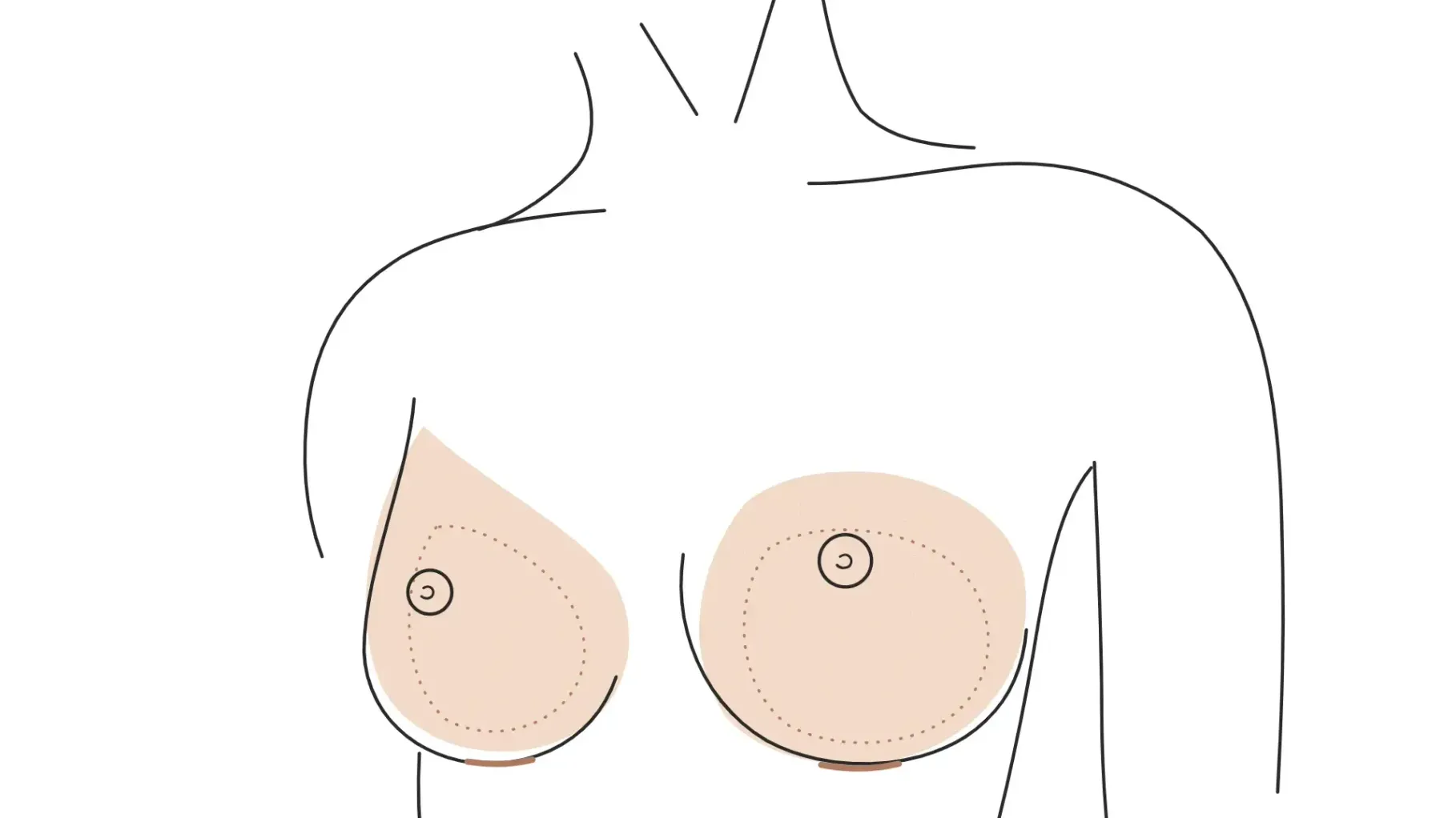
It is indicated for young women with good breast tissue coverage who want a small implant. At Instituto de Benito it is performed by Dr. Emiliano Torres and Dr. Víctor Cabrera, in Barcelona.
Here we answer the most common questions about Preservé with the information Dr. Torres himself has given us. Each section includes a short video in which he explains it.
Breast augmentation with Preservé
What is the Preservé technique?
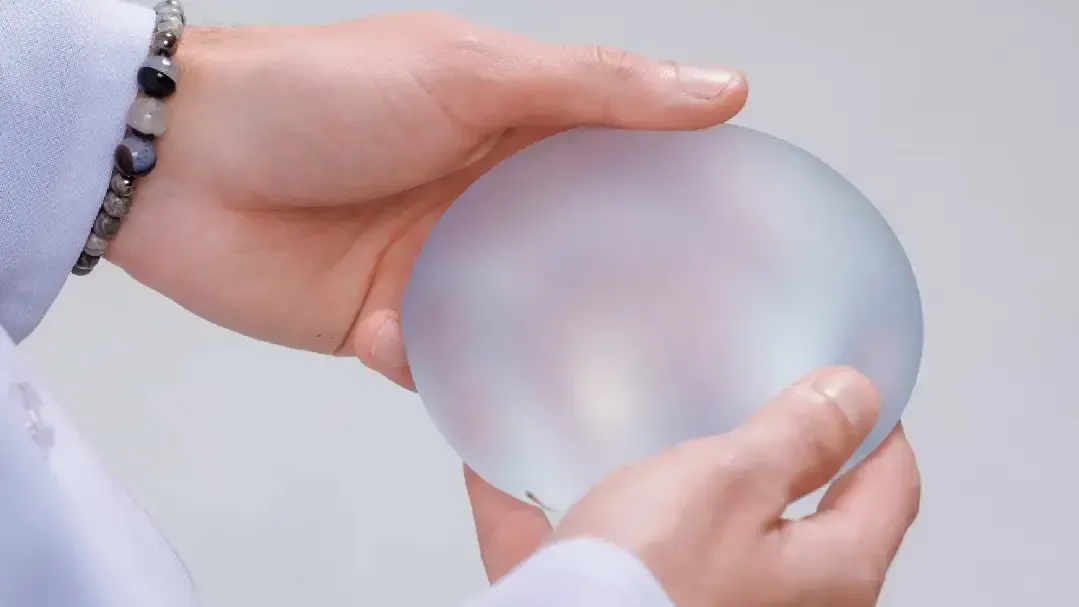
The Preservé technique is a minimally invasive breast augmentation based on preserving the breast tissues. Instead of cutting with an electrocautery to make room for the implant, the surgeon stretches the tissues with a balloon and places the implant in that space, without cutting the ligaments of the breast.
The procedure starts with an incision of about 2 centimeters, usually in the inframammary fold. A dissector is passed through it and, once it reaches the planned point, a balloon is inflated to open up the space. The implant is then placed. Dr. Torres explains it like this:
"We stretch the tissues instead of making cuts with an electrocautery, and that shortens recovery."
In a conventional breast augmentation the pocket is created by cutting, and the implant can go above or below the pectoral muscle. Preservé does not replace that technique. It is one more option which, in the doctor's words, "works very well in certain cases".
What are the benefits of breast augmentation with the Preservé technique?
The main benefit of the Preservé technique is the recovery: there is little pain and patients can go back to work and their routine the day after surgery. On top of that, the scar is about 2 centimeters long, in the inframammary fold or the armpit, and there is less trauma to the tissues.
According to Dr. Torres, that is why more and more patients ask for it, especially young women with very active lives. Many of them play sports and want harmonious breasts, a delicate size for their body, without spending weeks off work.
The other benefit shows over the years. Because the ligaments are not cut, the implant stays "nested" in the patient's own tissues, and the doctor links this to a result that holds up in the long term.
Who is a candidate for the Preservé technique?
The ideal candidate for the Preservé technique is a young woman with a moderate breast volume that covers the implant well, with no sagging or drooping of the breast, who wants a small incision and a fast recovery. That is how Dr. Emiliano Torres describes her.
What matters most is coverage, that is, the amount of gland and tissue over the implant. A very small breast may not have enough tissue to cover it. What the patient is looking for also counts:
Preservé suits someone who wants a relatively small implant, in proportion to her build.
That is why, at the first consultation, the surgeon measures the breast and assesses tissue thickness and sagging before recommending the technique.
Who cannot have surgery with the Preservé technique?
The Preservé technique is not indicated if the patient wants very large breasts, if she does not have enough coverage, if she has grade 2 or 3 breast sagging, if she has already had breast surgery with another technique or if she has capsular contracture.
Volume is the first limit. With a large implant, Dr. Torres explains, "however hard we try, we will never be able to preserve the tissues". Coverage is the second: if the gland is not enough to cover the implant, it has to be placed behind the pectoral muscle (retropectoral plane), and that is a different technique.
With marked ptosis, Preservé could be combined with a breast lift (mastopexy), although the doctor prefers to start from a breast that is in its natural position. In a patient who has already had surgery or has capsular contracture, the tissues cannot be preserved. In all these cases the surgeon will suggest another approach to breast augmentation.
How many cc can be placed with the Preservé technique?
With the Preservé technique, implants between 100 and 285 cc are used. Above that volume the tissues are unlikely to stretch properly, so 285 cc is the maximum used with this technique.
The limit comes from the approach itself. Preservé is designed to respect the tissues, and a large implant would mean forcing them. It is a technique for someone who wants a subtle augmentation, in proportion to her body.
If you want more volume, you may want to read whether a 350 cc implant is too big and what the difference is between round and anatomical implants.
How long does the surgery take and what is recovery like?
The Preservé surgery Dr. Emiliano Torres performed at Instituto de Benito took 30 minutes. Forty minutes later the patient was already sitting up and moving her arms normally. She went home the same day and was back at work the next morning.
She was a 29-year-old patient with no children, good coverage and good breast tissue. She received 285 cc implants with a moderate profile, because she is slim and a high profile did not suit her. The 2-centimeter incision was made on the outer side so as not to affect nipple sensation.
At the 6-day check-up she could raise her arms without difficulty and the scar was barely visible. In the video the doctor explains that the implants will gradually settle lower.
What is the difference between Preservé and conventional breast augmentation?
The main difference is how the implant pocket is created. In conventional breast augmentation the tissue is cut with an electrocautery. With the Preservé technique it is stretched with a balloon, and that is where the differences in incision, volume and recovery come from.
If you want to know what a breast augmentation quote includes, we explain it in breast augmentation cost and quote.
| Conventional breast augmentation | Preservé technique | |
|---|---|---|
| Implant pocket | Created by cutting with an electrocautery | Created by stretching the tissues with a balloon |
| Access route | Armpit, inframammary fold or areola | Inframammary fold or armpit |
| Incision | Depends on the route and the implant | About 2 centimeters |
| Implant volume | Wide range, depending on anatomy | 100 to 285 cc |
| Surgery time | 60 to 90 minutes | About 30 minutes in the case operated at IdB |
| Back to routine | Social life after 7 to 10 days | Back to work the next day |
| Who it is for | Most patients, after assessment | Young patients with good coverage and no breast sagging |
Where is the Preservé technique performed in Barcelona?
At Instituto de Benito, the Preservé technique is performed by Dr. Emiliano Torres and Dr. Víctor Cabrera, in Barcelona. Before recommending it, we assess at the consultation whether you are a candidate, because the technique only gives good results in a specific patient profile.
At the first consultation we measure the breast, assess tissue thickness and sagging, and talk about the result you are looking for. If Preservé is not right for you, we explain which other approach to breast augmentation in Barcelona makes more sense in your case.
Frequently asked questions about the Preservé technique
Is Preservé breast augmentation painful?
It is a technique with little pain, because the tissues are stretched instead of cut. In the case operated at Instituto de Benito, the patient was moving her arms normally 40 minutes after surgery.
When can you go back to work after Preservé?
The day after surgery. The patient rests at home on the day of the operation and can go back to work the next morning, according to Dr. Emiliano Torres's experience.
Where is the scar with the Preservé technique?
In the inframammary fold or the armpit, and it is about 2 centimeters long. In the fold, Dr. Torres places it on the outer side so as not to affect nipple sensation.
What is the largest implant that can be placed with Preservé?
285 cc. The Preservé technique uses implants between 100 and 285 cc, because with more volume the tissues cannot stretch properly.
Can I have Preservé if I already have breast implants?
No. In patients who have already had surgery with another technique, the tissues cannot be preserved. It is not used either if there is capsular contracture.
Can Preservé be combined with a breast lift?
A mastopexy can be added, but with grade 2 or 3 sagging Dr. Torres prefers to consider another technique, because Preservé gives better results in a breast that is in its natural position.