Reviewed by Professor Carles AlsinaPublished on 13 July 2026
How to relieve back pain: what really works and when to consult
To relieve back pain quickly and safely, it is advisable to apply cold during the first 48 hours and heat afterwards, avoid prolonged rest and keep moving with gentle stretches, such as bringing the knees to the chest. Over-the-counter painkillers can help occasionally. If the pain persists for more than two weeks, is very intense or reappears after surgery, it is advisable to seek medical evaluation.
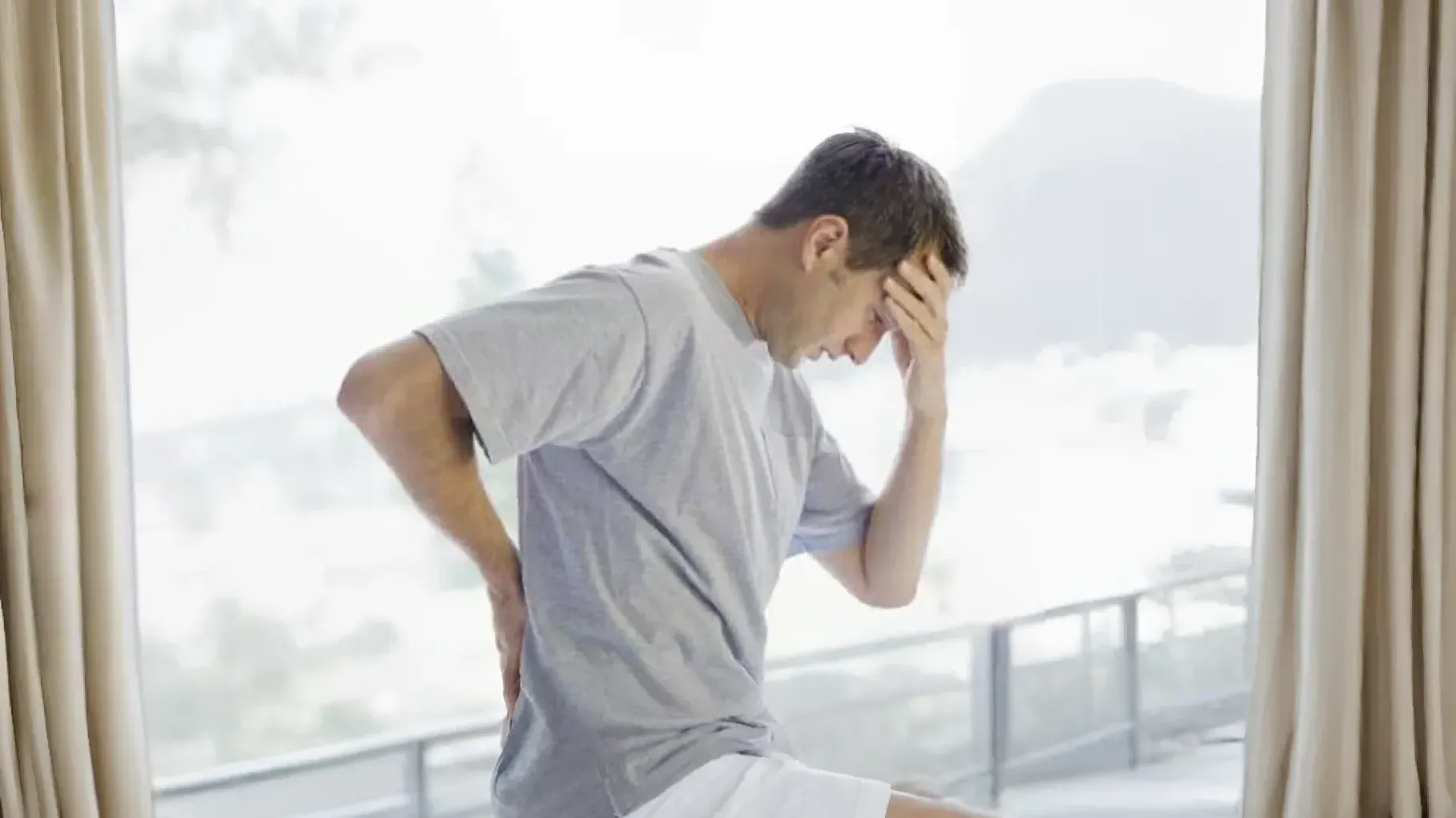
Back pain is one of the most common discomforts and, in most cases, improves on its own in a few weeks. The key is knowing what to do in the first few hours, which remedies have real backing and, above all, when to stop waiting and consult. This guide brings together what truly helps to relieve back pain and the signs that should not be ignored.
Relieve your pain with Synapta
How to relieve back pain quickly?
In an acute episode, the first 48 hours make the difference. Cold helps reduce inflammation right after the pain appears, applied in sessions of about 15 to 20 minutes several times a day. After those first hours, heat relaxes the muscles and improves circulation in the area.
The most common mistake is absolute rest. Staying in bed for more than one or two days tends to worsen recovery, as the muscles weaken and stiffen. It is advisable to stay active as much as the pain allows: walking, moving and avoiding prolonged postures.
Over-the-counter painkillers, such as paracetamol or ibuprofen, can help relieve pain occasionally. It is advisable to use them according to the instructions in the leaflet and not to prolong them without control.
Home remedies that do help (and those that don't)
To reduce back pain at home, some measures have support and others are myths that should be discarded.
| What helps: | What to avoid: |
|---|---|
| Alternate cold and heat depending on the phase of the episode. | Prolonged bed rest. |
| Gentle stretches such as bringing the knees to the chest, which relax the lumbar area. | Braces or immobilisations maintained without professional indication. |
| Maintain light activity and avoid lifting weight abruptly. | Forcing intense exercises during an acute pain episode. |
| Take care of posture when sitting and lifting objects, bending the knees and not the back. |
What posture relieves back pain?
Posture influences both rest and during the day. For sleeping, two positions usually relieve the lumbar area: on the side with a pillow between the knees, or on the back with a cushion under the knees to reduce tension in the lower back. Sleeping on the stomach is the least recommended position, as it forces the lumbar curve and the neck.
When sitting, it is preferable to support the back well on the backrest, keep the feet on the floor, and avoid spending hours without changing position. Getting up and moving from time to time relieves more than any cushion.
Kidney pain or lumbar pain: how to differentiate them
It is easy to confuse them, but they usually have different signs. Lumbar pain of muscular origin tends to be located in the lower and central part of the back, changes with movement, and improves with rest or stretching.
Pain of renal origin is usually felt slightly higher and towards the sides, does not clearly change with posture, and is often accompanied by other symptoms such as fever, discomfort when urinating, or general malaise. If these signs appear, medical consultation should not be delayed.
When back pain stops being normal
Most episodes improve on their own, but some situations require medical evaluation without delay. It is advisable to consult if the back pain:
- Persists for more than two or three weeks without improvement.
- Is very intense or prevents everyday movements such as tying shoes or standing up.
- Reappears after previous back or hernia surgery.
- Radiates to one or both legs, with tingling or loss of strength.
- Is accompanied by fever, weight loss, or problems controlling sphincters.
These signs do not necessarily mean something serious, but it is time for a professional to evaluate the case instead of continuing to wait.
When rest and painkillers are not enough
There are pains that resist home measures or reappear despite good initial treatment. In these cases, in addition to medical follow-up, some people seek complementary wellness therapies focused on muscle tension and pain relief.
At the Instituto de Benito in Barcelona, Professor Carlos Alsina works with the Synapta methodology, a therapy based on acupuncture aimed at relieving tension and pain as a complement to regular medical follow-up. An example is the case of Juan, whose back pain reappeared a year after hernia surgery.
Frequently Asked Questions
How to relieve back pain quickly?
Apply cold for the first 48 hours in 15-20 minute sessions to reduce inflammation, and heat afterwards to relax the muscles. Avoid prolonged rest and keep moving with gentle stretches. Over-the-counter painkillers can help occasionally.
How to cure back pain at home?
Most episodes improve on their own in a few weeks by alternating cold and heat, with stretches such as bringing the knees to the chest, taking care of posture, and avoiding abrupt weight lifting. Absolute bed rest tends to worsen recovery.
What posture relieves back pain when sleeping?
On your side with a pillow between your knees, or on your back with a cushion under your knees to reduce lumbar tension. Sleeping face down is the least recommended position because it strains the curvature of the back and neck.
How to distinguish kidney pain from lower back pain?
Muscular lower back pain is located in the lower central part of the back and changes with movement. Kidney pain is felt higher up and towards the sides, does not vary with posture, and is often accompanied by fever or discomfort when urinating. In that case, seek medical advice without delay.
When should I be concerned about back pain?
Consult if it persists for more than two or three weeks, is very intense, reappears after previous surgery, radiates to the legs with tingling or loss of strength, or is accompanied by fever or weight loss.