Hair Transplant in Barcelona and Madrid: FUE Hair Transplant

Recover your lost hair and flaunt a mane again

injerto capilar

Duration of surgery:

4-8 hours

Recovery:

3-7 days

Definitive result:

1 year

Loading form...

What is a hair graft?

A hair graft is a procedure that involves transplanting hair follicles from a donor area of the scalp, usually the nape, to areas with hair loss or baldness. Its goal is to restore the natural growth of hair in areas with low hair density. This technique is mainly used to treat alopecia and is performed using methods such as FUE (follicular unit extraction) or FUT (follicular unit transplantation). The result is permanent and natural, as the transplanted follicles continue to produce hair normally.

With pregnancy, breastfeeding, weight changes, or natural aging, the skin can lose elasticity and the breast may sag. Mastopexy allows for the removal of excess skin, repositioning of breast tissue, and elevation of the areola to restore proportion and firmness to the ensemble.

Depending on each case, it can be performed solely with the patient's own tissue or combined with implants if there is also a desire to increase volume or improve projection.

What techniques exist for hair transplantation

FUE Technique (Follicular Unit Extraction)

The FUE technique involves extracting hair follicles individually from the donor area, usually the back or side of the scalp. Very small micro-instruments are used to remove each follicular unit without the need for large incisions.

fue

FUT Technique (Follicular Unit Transplantation)

The FUT technique, also known as the strip technique, involves removing a small strip of scalp from the donor area. This strip is processed in the laboratory to separate the follicular units, which are then transplanted to areas with baldness or low hair density.

fut

DHI Technique (Direct Hair Implantation)

The DHI technique is an evolution of the FUE technique that allows for more precise implantation of follicles. After extracting the follicular units, they are directly implanted into the recipient area using a special device called an implanter pen.

dhi

What does the hair transplant involve?

Hair transplant is a medical procedure that involves transplanting hair follicles from a scalp area with high hair density (donor area), usually the nape, to areas where there is hair loss or baldness. The goal is to permanently restore natural hair growth.

01

Personalized medical assessment

seguimiento médico

The assessment will be conducted with the surgeon who will perform the procedure. In this consultation, the degree of hair loss is evaluated, and the best surgical strategy is defined. To book the appointment, a prior payment of €80 is required.

02

Preparation for the procedure

preparación por la intervención

The hair graft technique, the number of grafts needed, the design of the hairline, and the distribution of hair are decided based on the patient's anatomy, the quality of the donor area, and the desired aesthetic result.

03

Intervention

cirugia capilar

We perform the intervention in our state-of-the-art operating rooms, under the most rigorous safety controls and with continuous patient monitoring.

04

Recovery

recuperacion

Recovery after a hair graft is usually quick and progressive. During the first few days, it is normal for small scabs, redness, or slight swelling to appear.

Pre and postoperative of the hair graft

Preoperative

The preoperative in hair surgery consists of a prior medical evaluation to analyze the type of alopecia, the quality of the donor area, and the number of grafts needed. During this consultation, the hairline is also designed, and the most suitable technique is selected according to the patient's characteristics and the desired aesthetic result.

In the days leading up to the intervention, the specialist usually recommends avoiding alcohol, tobacco, and certain anticoagulant medications, as well as keeping the scalp clean. In some cases, medical tests or specific instructions such as washing the hair with a special shampoo the day before surgery are also indicated.

Pre and postoperative of the <em>hair graft</em>

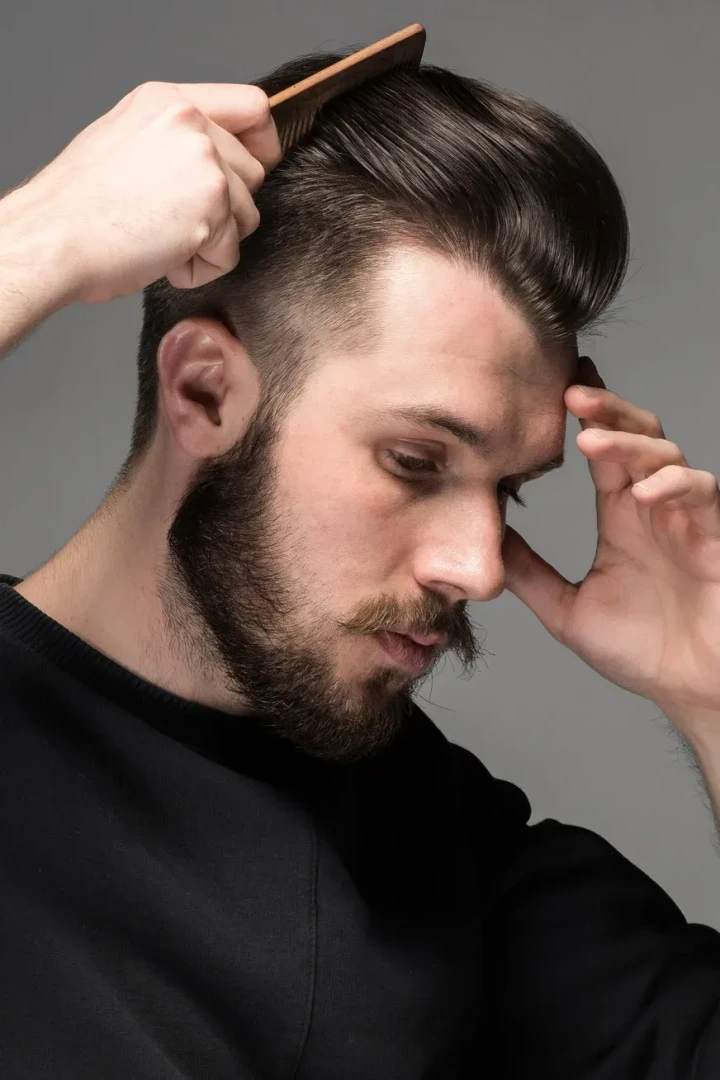
After the intervention

The postoperative of a hair graft is generally simple and outpatient, but it requires following certain recommendations to promote proper healing and the growth of the implanted follicles.

During the first few days, small scabs, redness, or slight swelling may appear on the scalp. It is recommended to avoid touching or scratching the treated area, sleep with the head slightly elevated, and follow the washing instructions provided by the clinic.

In the first or second week, the scabs usually disappear, and the scalp begins to recover. It is advisable to avoid intense exercise, direct sun exposure, and activities that may cause excessive sweating or bumps to the treated area.

Between 2 and 4 weeks, the implanted hair may temporarily fall out, a normal process before the follicles begin to produce new hair. Growth usually starts to be noticeable from 3 or 4 months, and the final result is appreciated approximately between 9 and 12 months after the procedure.

preoperatorio y post

What is the price of a hair transplant at Instinto de Benito?

The cost of hair surgery can vary depending on several factors, such as the degree of hair loss, the number of grafts needed, the technique used, the complexity of the case, and the surgical time required.

In addition, preoperative medical tests and complete postoperative follow-up are part of the personalized plan designed for each patient, ensuring a treatment tailored to their needs and hair characteristics.

Is this procedure suitable for you?

This type of surgery is indicated for men and women who present:

  • 01

    Androgenetic alopecia

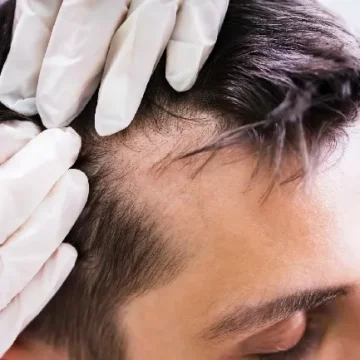
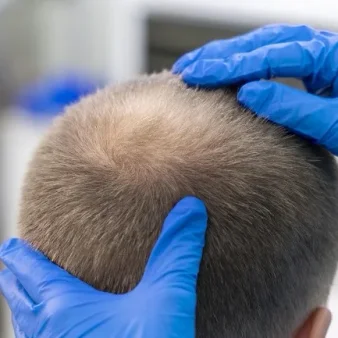
    It is the most common cause of hair loss in men and women. Hair transplant allows restoring density in areas affected by genetic baldness, such as the hairline or crown, using resistant follicles from the donor area.

  • 02

    Loss of hair density

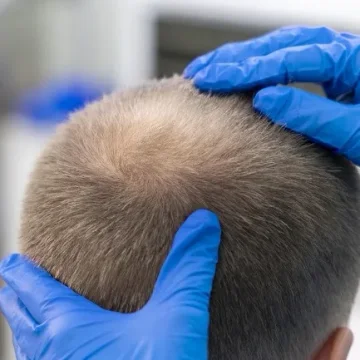
    Some people experience progressive hair thinning that results in a less dense appearance. Hair transplant helps increase the amount of hair in areas with low density, improving the overall appearance of the scalp.

  • 03

    Receding hairline

    Over time, the hairline may recede and create pronounced hairline recession. Hair transplant allows redesigning the frontal hairline and restoring a more natural and balanced appearance to the face.

  • 04

    Scars on the scalp

    Scars caused by accidents, surgeries, or injuries can prevent hair growth. Through a hair transplant, it is possible to implant follicles in these areas to disguise or cover the scar.

  • 05

    Hair loss after medical treatments

    Some treatments or illnesses can cause permanent hair loss in certain areas. A hair transplant can be an option to restore hair when natural growth does not recover.

  • 06

    Aesthetic improvement and personal confidence

    Many people choose a hair transplant to improve their image and self-esteem. Recovering hair can help one feel more confident and comfortable with their appearance.

injerto capilar

Our medical group specialized in hair transplant

The Instituto de Benito is an international reference center in plastic surgery, aesthetic medicine, and wellness, with over three decades of clinical experience and thousands of successful treatments. Our medical team combines technical excellence, aesthetic sensitivity, and personalized attention to offer natural and safe results.

Commitment to safety and quality in hair grafting

Safety is a fundamental pillar in hair surgery at Instituto de Benito. All patients undergo a complete medical assessment before the procedure and receive careful follow-up during the postoperative period to monitor progress and detect any possible incidents early.

In addition, the extensive experience of the medical team and the use of advanced hair transplant techniques allow for precise and personalized procedures aimed at achieving natural and long-lasting results.

In short, although there may be risks as with any medical procedure, at Instituto de Benito these are minimized through rigorous protocols, specialized technology, clinical experience, and individualized follow-up, always prioritizing the safety, health, and satisfaction of each patient.

Where to get a hair graft?

Treatments related to grafting

Frequently asked questions about hair grafting

What is a hair graft?

A hair graft is a medical procedure that involves transplanting hair follicles from a donor area of the scalp, usually the nape, to areas with hair loss to naturally restore hair density.

Who can get a hair graft?

It is a suitable option for people with androgenetic alopecia, hair density loss, or scalp scars, as long as they have a sufficient donor area to obtain the necessary follicles.

Does the procedure hurt?

The surgery is performed with local anesthesia, so the patient does not feel pain during the procedure. After the intervention, there may be slight discomfort or sensitivity in the scalp during the first few days.

How long does the procedure last?

The duration depends on the number of grafts needed, but normally the hair surgery lasts between four and eight hours and is performed on an outpatient basis.

When do the results start to show?

The implanted hair usually falls out in the first few weeks, which is completely normal. New growth begins approximately from three or four months, and the final result is seen between nine and twelve months.

Are the results permanent?

Yes, the transplanted follicles are usually resistant to hair loss, so the result can be permanent if proper hair health is maintained.