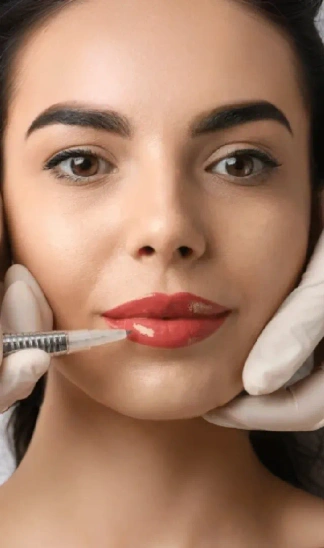
Paramedical micropigmentation

Paramedical camouflage of stretch marks and scars at Instituto de Benito: a dermograph technique that stimulates the skin's natural regeneration

Price: 120 €

Micropigmentación paramédica
Loading form...

Treatment duration:

60-120 minutes

Results

Natural

With prior consultation

Specialized

What is paramedical micropigmentation?

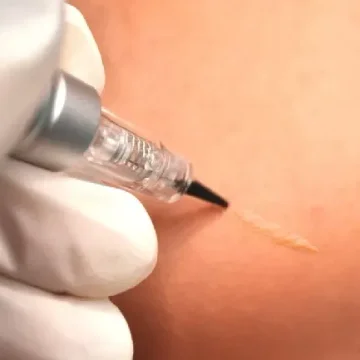
Paramedical micropigmentation is an advanced dermograph technique that stimulates the skin's natural regeneration over scars and stretch marks, improving their texture and color and making them practically imperceptible. Unlike conventional cosmetic micropigmentation, it does not use pigments: the effect is achieved through the controlled induction of micro-injuries that reactivate collagen production and normalize healing in the treated area.

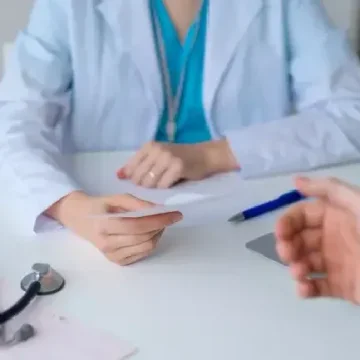
It is indicated for patients with visible scars (post-surgical, traumatic, post-acne), white or pearly stretch marks (active red stretch marks require vascular treatment first), and the after-effects of healed low-intensity burns. It is the most clinical branch of micropigmentation: it requires a prior consultation and falls within skin regeneration treatments.

At Instituto de Benito, this treatment is designed as a protocol of progressive sessions, with progress assessed between each one.
Types of paramedical treatment

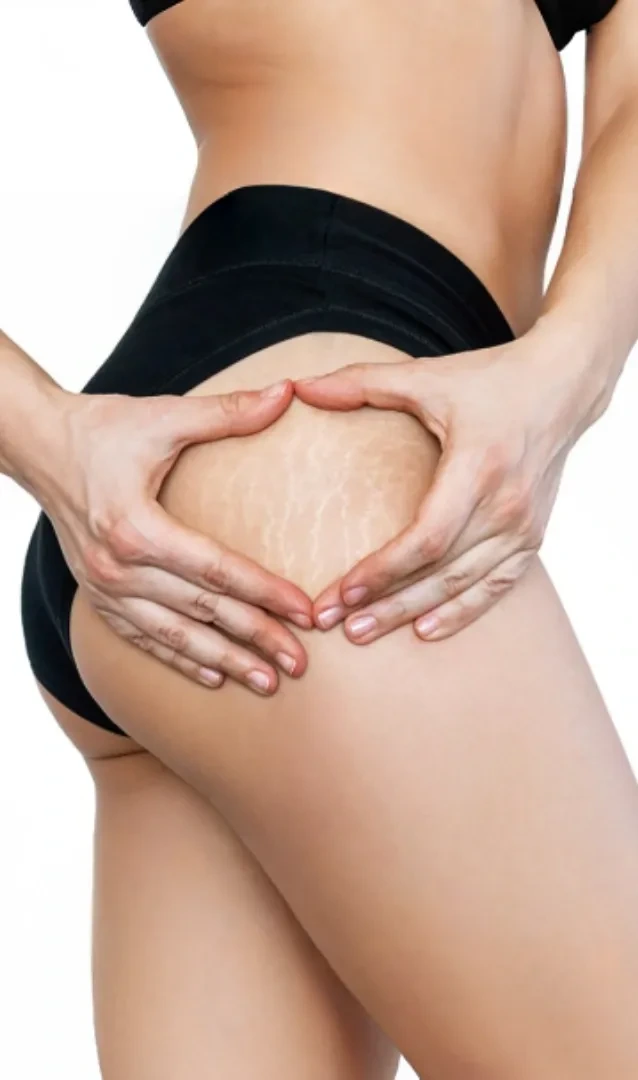
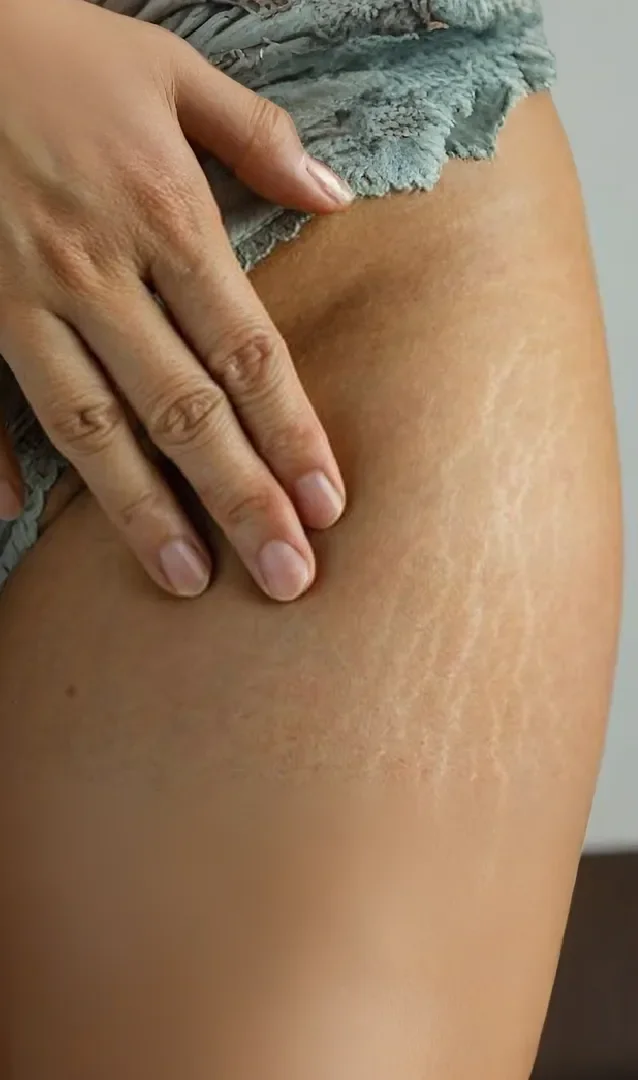
Treatment of white stretch marks

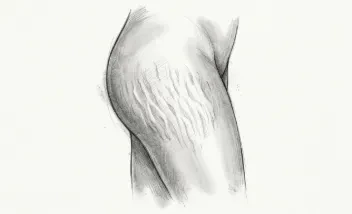
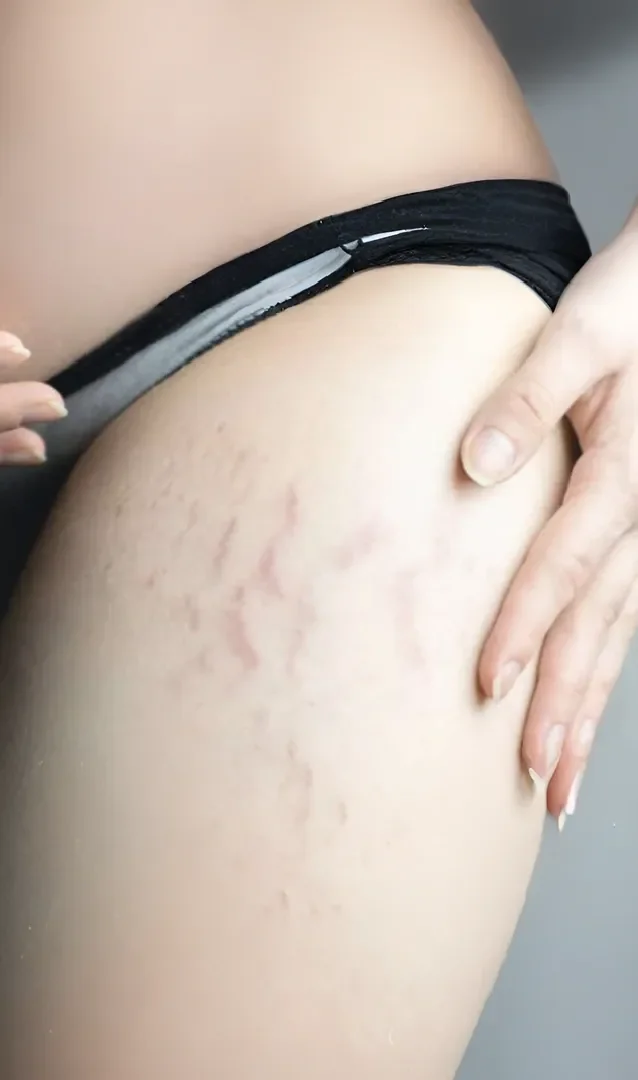
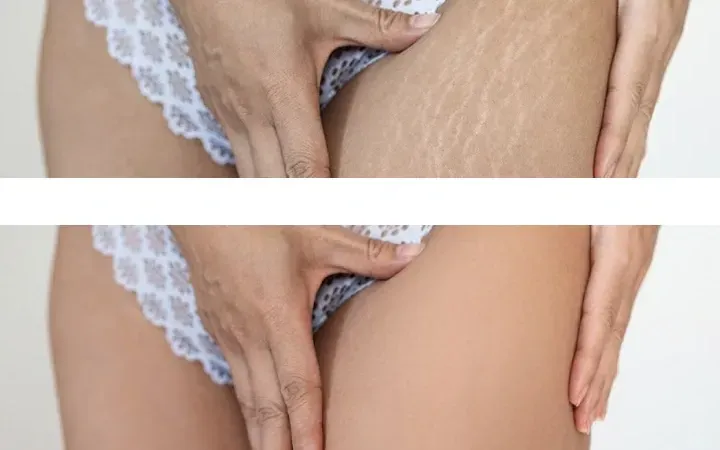
Indicated for pearly or white stretch marks (chronic stage), usually located on the abdomen, thighs, breasts or buttocks. The dermograph technique creates controlled micro-injuries that stimulate fibroblast regeneration and the deposition of new collagen and elastin. The result: the stretch marks take on a tone close to that of the surrounding skin and their depth and width are visibly reduced.

It is not performed on active red stretch marks, which first require treatment with vascular laser or IPL to stabilize the lesion before regeneration begins.

Tratamiento de estrías blancas

Scar camouflage

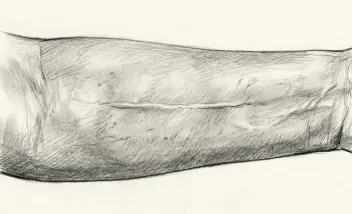
Indicated for atrophic (depressed) scars, normotrophic scars (flat but visible because of the change in color) and hypopigmented scars (lighter than the adjacent skin). The dermograph regenerates the skin to even out texture and color, making the scar practically imperceptible.

Hypertrophic scars or keloids: assessed case by case. In these cases it can be combined with prior corticosteroid injections, or the patient may be referred to another, more suitable treatment.

Camuflaje de cicatrices

Post-acne scar camouflage

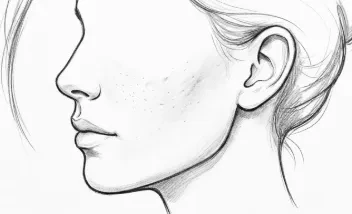
A specific variant for the atrophic after-effects of acne (ice pick, boxcar and crater scars). Where indicated, it is combined with complementary sessions of microneedling with Dermapen or radiofrequency. The protocol is designed after a prior assessment of skin quality.

Camuflaje de cicatrices postacné

What does paramedical micropigmentation involve?

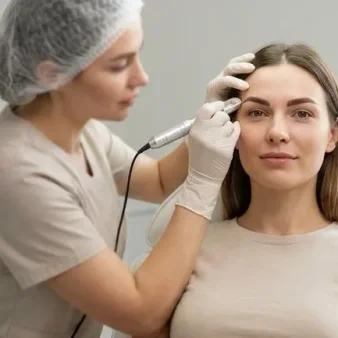
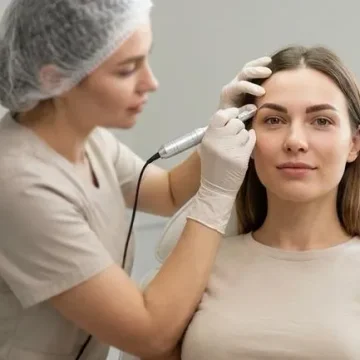
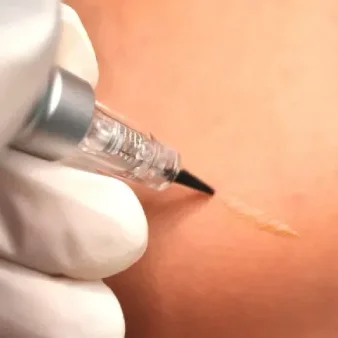
The treatment is performed with a digital dermograph and no pigments: the needle creates controlled micro-injuries that reactivate collagen production over the scar or stretch mark. It is completed in two sessions 6–8 weeks apart: an initial treatment session and a follow-up session to consolidate the result.

01

Personalized consultation

Valoración personalizada

The consultation is mandatory. We assess the type of scar or stretch mark, its age (we do not work on scars less than 12 months old), your skin phototype, your medical history (previous keloids, autoimmune diseases, photosensitivity) and the clinical feasibility of the treatment.

02

Clinical documentation of the initial condition

Documentación clínica del estado inicial

The starting point is documented with standardized clinical photography so that progress can be compared between sessions. For complex scars or patients with several areas to treat, this analysis makes it possible to prioritize areas and plan the order of treatment.

03

Preparing for the treatment

Preparación de la intervención

The area must be clean, with no creams or sunscreen. Avoid sun exposure for the 14 days beforehand. Do not have other treatments in the area in the previous 4 weeks (peels, laser, microneedling)

04

Treatment in the clinic

Tratamiento en consulta

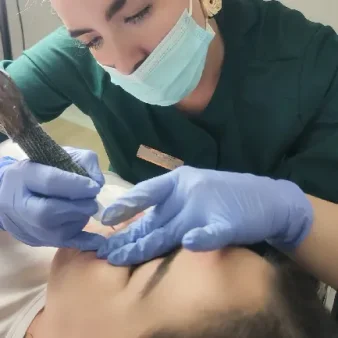
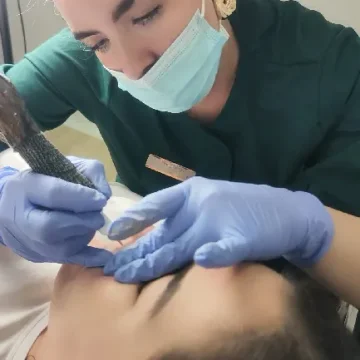
The session lasts between 60 and 120 minutes, depending on the size of the area. A topical anesthetic cream is applied. The technique uses a digital dermograph, sterile single-use needles and specific movements calibrated for each type of lesion.

05

Second session and gradual results

Segunda sesión y resultados progresivos

The number of sessions is not set at the outset: it depends on how regeneration progresses between each appointment. Some cases are resolved in a single session, while others require two, four or even five. Giving a fixed number without assessing the case would be misleading the patient. Sessions are usually spaced 4–6 weeks apart and are assessed photographically between each one. Results are progressive and permanent: once the skin has regenerated, it does not revert to its previous state.

Before and after paramedical treatment

Before treatment

  • Prior consultation is mandatory.
  • No direct sun exposure on the area for 14 days.
  • No peels, laser, microneedling, mesotherapy or aggressive facial treatments in the area for the 4 weeks beforehand.
  • 48 hours before: avoid vasodilators (alcohol, aspirin, ibuprofen).
  • Come with the area clean, with no creams or sunscreen.
  • If you have had keloids, be sure to mention it at the consultation.

Before treatment

After treatment

  • Immediate recovery: you can return to your daily routine the same day.
  • 24–48 hours of redness and mild swelling in the treated area.
  • Apply the prescribed healing cream several times a day for 7–10 days.
  • Do not get the area wet for 48 hours (no showering on that specific area, no baths, no swimming pool, no sauna).
  • Do not touch, scratch or pick at any scabs or small flakes of skin that appear during healing.
  • No sun exposure for 30 days, and SPF 50+ sunscreen is mandatory for 3 months.
  • No other treatments in the area for 4 weeks.
  • Photographic review before the next session to assess progress.

rejuvenecimiento facial

How much does paramedical micropigmentation cost

120 €

Paramedical micropigmentation at Instituto de Benito costs €120 per session.

The number of sessions is assessed at the consultation and is not fixed at the outset. Some cases are resolved in a single session, while others require two, four or five. Putting forward a fixed number without having seen the case would not be honest: it is the scar or stretch mark that dictates how many sessions are needed, not the price list.

After the initial consultation and the first session, María Castany provides an indicative plan that is adjusted session by session according to how the skin's regeneration progresses.

Are you a good candidate for paramedical micropigmentation?

  • 01

    Visible post-surgical or traumatic scars

    Ideal for atrophic or hypopigmented scars more than 12 months old.

  • 02

    White or pearly stretch marks

    Indicated for chronic-stage (white) stretch marks, usually on the abdomen, thighs, breasts or buttocks.

  • 03

    Post-acne scars

    Recommended for stabilized atrophic scarring once the acne is inactive.

  • 04

    After-effects of low-intensity burns

    Indicated for healed first- and second-degree burns that are at least 12 months old.

  • 05

    Looking for progressive, permanent results

    For patients who understand that this is not a one-session treatment but a regeneration protocol with gradual results.

  • 06

    Clinical honesty before a fixed promise

    If you would rather be told "I don't know yet how many sessions you will need, we'll see as we go" than be sold a fixed package without having been seen, this is the place for you.

¿Eres idónea/o para la micropigmentación paramédica?

Soften scars and stretch marks

Pedir cita
quitar estrias

Risks and contraindications

Paramedical micropigmentation requires strict clinical patient selection. Not all patients are candidates, and not all scars or stretch marks are treatable.

What are the absolute contraindications?

  • Pregnancy and breastfeeding.
  • Scars less than 12 months old (not yet stabilized).
  • Active red stretch marks (these require vascular treatment first).
  • Known tendency to form keloids in the area to be treated.
  • Autoimmune diseases in an active phase (lupus, active vitiligo in the area).
  • Treatment with oral isotretinoin in the previous 6 months.
  • Uncontrolled diabetes.
  • Active anticoagulant treatment (to be reviewed with your doctor).
  • Active cancer treatment without medical clearance.

What are the common side effects (mild and temporary)?

  • Redness and swelling for 24–48 hours.
  • Small scabs or flaking during healing (5–10 days).
  • Sensitivity and mild itching during regeneration.

What are the less common side effects?

  • Post-inflammatory hyperpigmentation (more common in phototypes IV–VI; prevented with strict sun protection).
  • Unexpected scarring due to individual reaction (uncommon, monitored session by session).

Where to have paramedical micropigmentation treatment?

Our micropigmentation team

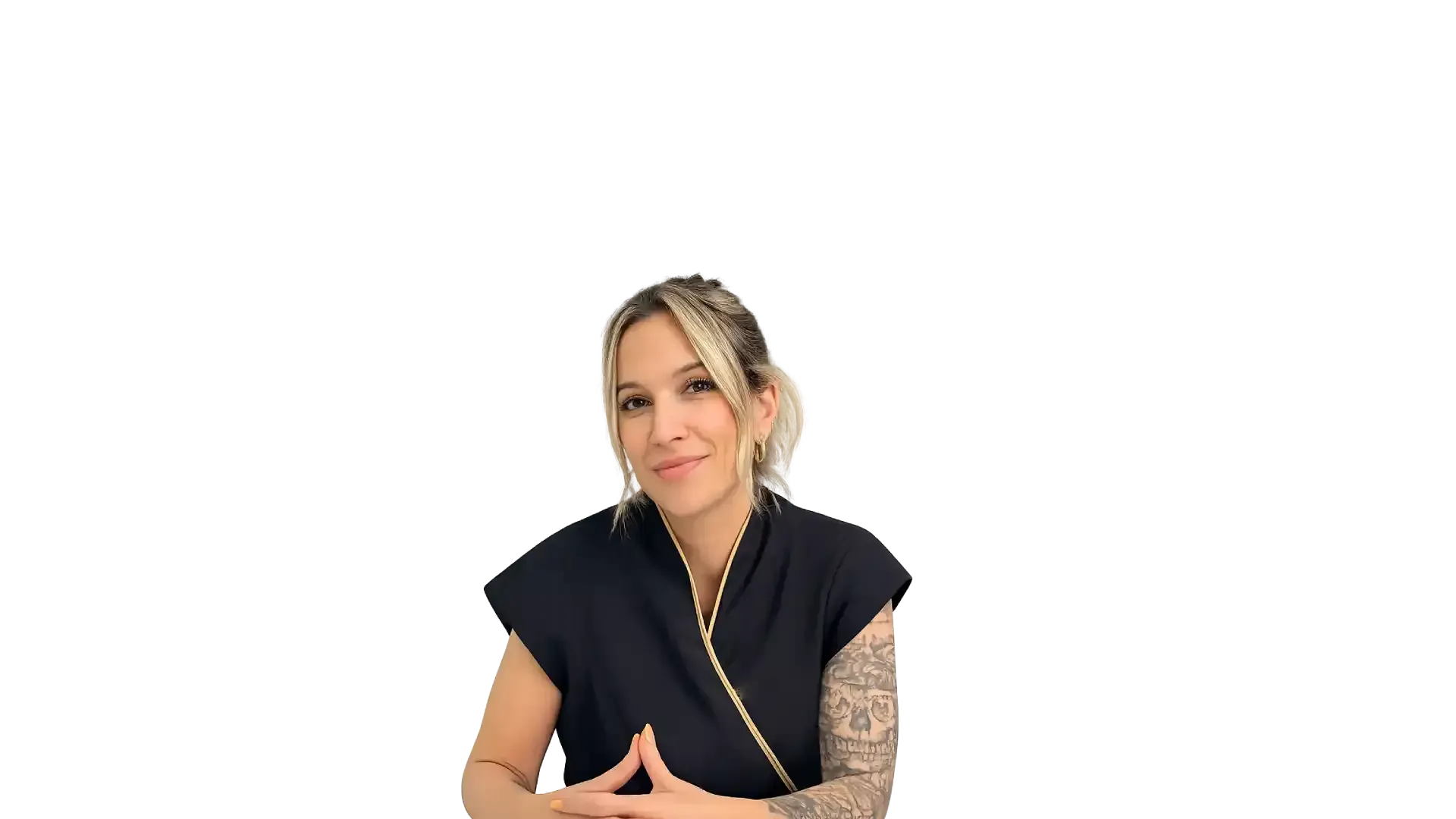
Paramedical micropigmentation at Instituto de Benito is led by a specialist dedicated exclusively to this discipline, trained in cosmetic and paramedical technique and recognized as a leading name in the specialist media.

Related treatments

Frequently asked questions about micropigmentation

How much does paramedical micropigmentation cost?

€120 per session. The number of sessions is assessed at the consultation and adjusted as you progress; it is not fixed at the outset because it will depend on how the skin regenerates.

How many sessions are needed?

It depends on the case. Some treatments are resolved in a single session and others require two, four or five. The specialist does not commit to a number before seeing how the first session progresses.

Is it painful?

It is well tolerated with a topical anesthetic cream. The sensation is one of mild itching or warmth during the procedure.

Are the results permanent?

Yes. The regeneration of the skin is permanent. Once texture and color have been restored, it does not revert.

Does it work on any scar?

No. It works very well on atrophic, normotrophic and hypopigmented scars. Hypertrophic scars and keloids require a combined protocol, and sometimes another alternative is a better choice.

Does it work on red stretch marks?

Not at first. Active red stretch marks require prior treatment with vascular laser or IPL to stabilize. Once they turn white, they are candidates for paramedical treatment.

Is it the same as microneedling?

The technique is similar (controlled micro-injuries), but paramedical treatment is performed with a dermograph and targeted control lesion by lesion, whereas microneedling with Dermapen is a full-area treatment. They can be combined depending on the case.

Is there a risk of hyperpigmentation?

It exists mainly in higher phototypes (IV–VI). It is prevented with strict sun protection for 3 months after treatment.

When can I return to my daily routine?

Right away, as long as you follow the aftercare for the first 7–10 days (do not get the area wet for 48 hours, no sun exposure, no scratching scabs).

Why don't you give me a fixed number of sessions in advance?

Because it would not be honest. Skin responds differently in each patient: some scars are resolved in a single session and others require five. Giving a number in advance without seeing how the first session progresses would mean promising something that cannot be guaranteed.

Excellent

Average rating: 4.8 / 5

Based on 651 reviews
GoogleFeed