Medically reviewed by Dr. Orestes Fernández specialist in body contouring, licence no. 4304469, Dr. Antonio Martínez Murillo, licence no. 282830903Published on 14 July 2026
What is the subgluteal banana and how can it be eliminated?
The subgluteal banana is the accumulation of crescent-shaped subcutaneous fat that forms just below the gluteal fold, at the top of the thigh. To eliminate it, combine a caloric deficit that reduces your total body fat with strength exercises (deadlifts, hyperextensions, and lunges) that tone the gluteal muscles. When the fat is stubborn and unresponsive, aesthetic medicine (such as cryolipolysis or radiofrequency) is very effective, and in more pronounced cases, precision liposuction with skin retraction offers the most definitive result.
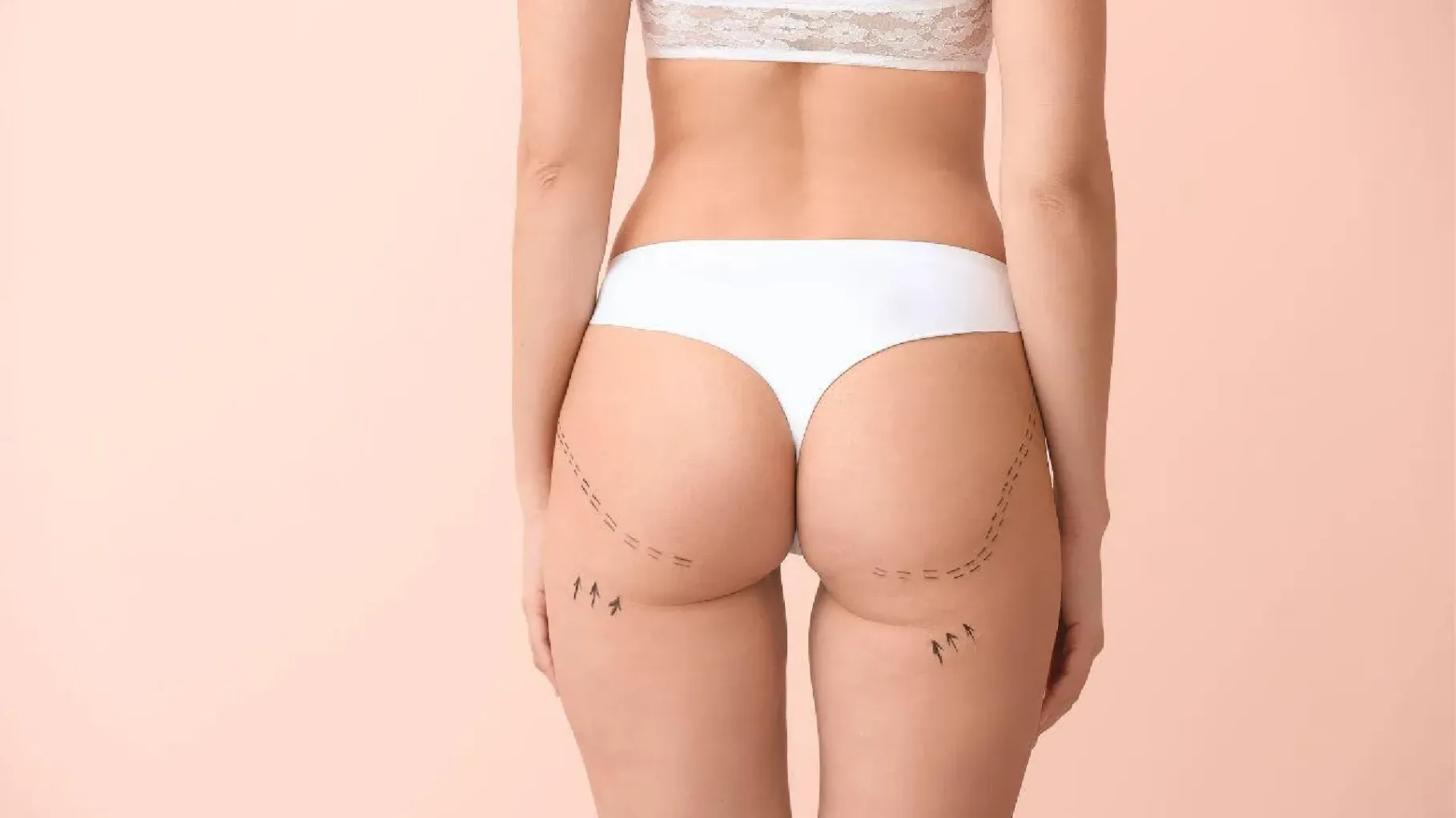
You can follow a balanced diet and train consistently and still notice that there are areas of the body that do not respond. The subgluteal banana is one of those stubborn areas. In this guide, we explain what it is, why it appears, how to differentiate it from cellulite, and what real options exist to eliminate it, from lifestyle to surgery, with comparative tables to help you decide wisely.
Have you been trying to eliminate that stubborn fat without results?

What is the subgluteal banana
The subgluteal banana, known in English as banana roll, is a type of subcutaneous fat that persistently accumulates between the lower part of the gluteus and the upper part of the thigh. It is named so because it forms a spindle or crescent that draws a double contour just below the horizontal fold of the gluteus.
Its visual effect is that the gluteus appears more sagging, more vertical, and less defined, and it optically shortens the length of the thigh. It is not linked to being overweight: it can appear in slim people with firm skin, and it affects women much more than men due to the hormonal distribution of fat.
Why it appears: causes and factors
In the subgluteal banana, two elements almost always go together: a deposit of localized fat in the area and a loss of skin firmness. Several factors act on this basis:
| Factor | How it influences |
|---|---|
| Genetics | Determines where your body stores fat. If it is common in your family, you are likely to inherit the tendency. |
| Hormones | Pregnancy, breastfeeding and hormonal changes favour fat deposition in the buttocks and thighs. |
| Slow metabolism | Facilitates accumulation in an area with already poorer circulation. |
| Sedentary lifestyle | Spending many hours sitting reduces expenditure and compresses the area, worsening circulation and deposition. |
| Skin laxity | Loss of collagen accentuates the fold even if the fat is moderate. |
| Poorly planned previous liposuction | Excessively emptying the buttock-thigh transition can cause the buttock to sag and create or accentuate the banana. |
Subgluteal banana, cellulite and saddlebags: they are not the same
It is common to confuse these three alterations because they coexist in the same region, but their origin and treatment differ. Distinguishing them is the first step to choosing well.
| Subgluteal banana | Cellulite | Saddlebags | |
|---|---|---|---|
| What it is | Subcutaneous fat in a spindle under the buttock | Alteration of fatty and connective tissue (orange peel skin) | Fat deposit on the outer thigh and hip |
| Appearance | Double horizontal contour under the buttock | Dimples and undulations on the surface | Lateral bulge that widens the silhouette |
| Relation to weight | Can occur in slim people | Independent of weight | Usually associated with localised volume |
| Responds to diet and exercise | Little, it is stubborn | Little on its own | Partially |
| Star treatment | Strength + aesthetics or precision lipo | Radiofrequency, drainage, habits | Liposuction or cryolipolysis |
How to know if you have a subgluteal banana
Standing, facing a mirror and relaxed, observe the lower fold of the buttock. These signs guide:
- A second fold or horizontal bulge appears just below the buttock.
- The buttock looks longer or droopier than corresponds to your muscle tone.
- Tight clothing marks a double contour in that area.
- The bulge persists even if you are at your weight and train.
Important: this self-assessment guides, it does not diagnose. An in-person assessment allows measuring the thickness of the fat pad and the state of the skin to decide the appropriate treatment. -Dr.Orestes
The natural plan: what really works
Localised fat is not eliminated selectively by area with exercise alone: localised reduction does not exist. What works is lowering the total body fat percentage and, in parallel, building muscle under the banana to reshape the area.
Sustainable caloric deficit
A moderate and sustained deficit over time reduces overall body fat, including that of the subgluteal area. Prioritise sufficient protein to preserve muscle, vegetables and healthy fats, and limit ultra-processed foods, sugars and alcohol. Consistency matters more than extreme restriction.
Glute-focused strength training
The muscle under the banana is what gives shape and firmness to the whole. These exercises work the posterior chain and the gluteus maximus and medius:
Take care of your skin and circulation
- Daily hydration and a diet rich in antioxidants support skin quality.
- Avoid sitting for many hours straight; pressure and poor circulation worsen the area.
- Drainage and skin firmness influence the visual result as much as fat does.
When lifestyle is not enough: aesthetic medicine and surgery
Due to its stubborn nature, the subgluteal banana often does not disappear with diet and training alone, especially when associated with sagging. At this point, medical options offer results that lifestyle alone cannot achieve. They are grouped into two main categories: non-invasive treatments and surgery.
Non-invasive treatments
| Treatment | How it works | Indicated for | Considerations |
|---|---|---|---|
| Cryolipolysis | Freezes and destroys adipocytes which the body gradually eliminates | Moderate localised fat with good skin quality | Several sessions; gradual result over weeks |
| Radiofrequency | Heat that reduces fat and stimulates collagen to firm | Cases with mild or moderate sagging | Improves firmness as well as volume; no downtime |
| Microneedles + radiofrequency | Combines skin retraction and fat reduction | Slightly lax skin with moderate fat | Slightly more intensive; good retraction |
| Mesotherapy / apparatus | Infiltrations or technology that mobilises fat | Complement in mild cases | Usually requires maintenance |
Surgical options
When the banana is pronounced or accompanied by excess skin, surgery is the most definitive route. The technical key is not to completely empty the area: it is sculpted selectively to avoid sagging of the gluteus.
| Technique | What it involves | Result |
|---|---|---|
| Precision liposuction | Selective extraction with a fine cannula that sculpts the area without emptying it | Definition of the fold while preserving the projection of the buttock |
| Liposculpture with lipofilling | Fat is removed from the banana and reinjected into the depressed area | Smooth and harmonious buttock-thigh transition |
| Lipo + skin retraction | Adds technology that tightens the skin after extraction | Reduces sagging and improves the final contour |
How to choose the treatment according to your case
| Your situation | Most reasonable option |
|---|---|
| Mild banana, firm skin, you don't train | Start with a calorie deficit and strength training for 3 months |
| Moderate stubborn fat, firm skin | Cryolipolysis or radiofrequency as support for lifestyle |
| Fat with mild sagging | Radiofrequency or microneedling with radiofrequency |
| Pronounced banana or excess skin | Surgical assessment: precision lipo with retraction |
Related treatments at IdB
These are the treatment pages related to what you have just read. On each one you will find the price, the surgeon who performs it and real patient cases.
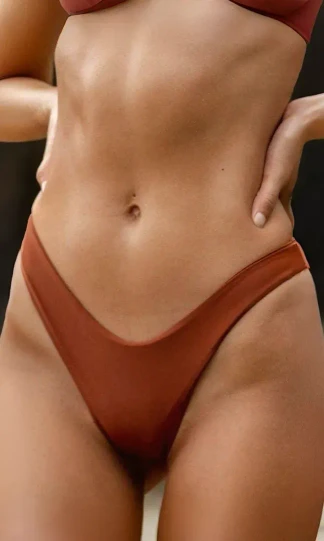
Liposuction, surgery to redefine your silhouette
Liposuction is a surgical procedure aimed at eliminating localized fat deposits that do not disappear with diet or exercise, allowing for the reshaping of the body contour and improving proportions in a precise and controlled manner.
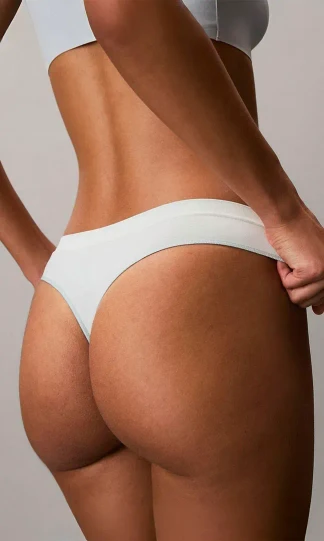
Buttock fat transfer with own fat BBL
Buttock fat transfer is a surgical procedure designed to enhance the volume and shape of the buttocks using the patient's own fat, obtained through liposuction from areas with excess fat.
Frequently Asked Questions
Can the subgluteal banana be eliminated with exercise alone?
In mild cases, a calorie deficit along with strength training can greatly improve it. When it is stubborn or there is sagging, exercise helps but rarely eliminates it completely; this is where medical treatments come in.
Is it the same as cellulite?
No. Cellulite is a tissue alteration with an orange peel appearance; the banana is a crescent-shaped fat deposit. They can coexist, but are treated differently.
Does it appear in thin people?
Yes. It does not depend on weight or being overweight; slim people with firm skin can have it due to genetics or hormonal distribution of fat.
Does cryolipolysis hurt?
It is a non-invasive procedure and generally well tolerated. It usually requires several sessions and the result appears gradually.
How long does it take to notice improvement with training?
Firmness usually starts to be noticeable between 8 and 12 weeks of consistent strength training combined with a calorie deficit.
Do you want to eliminate it with a plan designed for you?
The subgluteal banana is an accumulation of stubborn fat and sagging that requires a precise diagnosis. To eliminate it, the key is to combine healthy habits (calorie deficit and strength) with aesthetic medicine or surgery if the area is resistant.