
Types of Liposuction: Complete guide to choosing the right technique (Barcelona and Madrid)
Choosing between the different types of liposuction is the first step to achieving the result you seek. Not all techniques do the same thing
Read more…
Body treatments designed according to the anatomical differences between women and men, seeking proportion and naturalness.

Choosing between the different types of liposuction is the first step to achieving the result you seek. Not all techniques do the same thing
Read more…

Quick answer: The fat removed during liposuction is permanently eliminated.
Read more…

Remote work, one of the side effects of the coronavirus, has led to a rise in cosmetic surgery procedures.
Read more…

Lipedema is a chronic disorder of the fatty tissue that shows up as a disproportionate, symmetrical buildup of fat in the legs, hips, buttocks and, sometimes, the arms.
Read more…
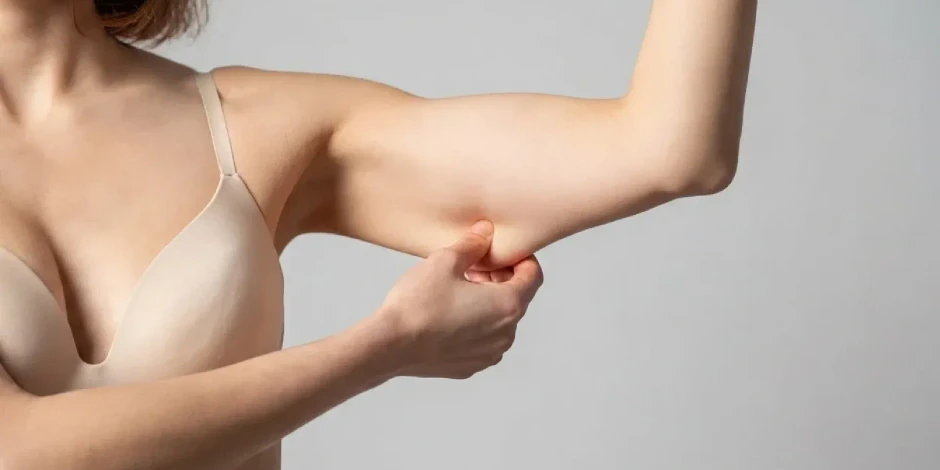
Renuvion is a minimally invasive surgical procedure that tightens and retracts mild to moderately lax skin. It combines radiofrequency and helium plasma applied under the skin. At Instituto de Benito we use it in the operating room, always together with liposuction, so that the skin adapts better to the new contour.
Read more…

Belly fat is one of the hardest types to lose, both because of hormonal factors and because of the kind of fatty tissue that builds up in the area.
Read more…

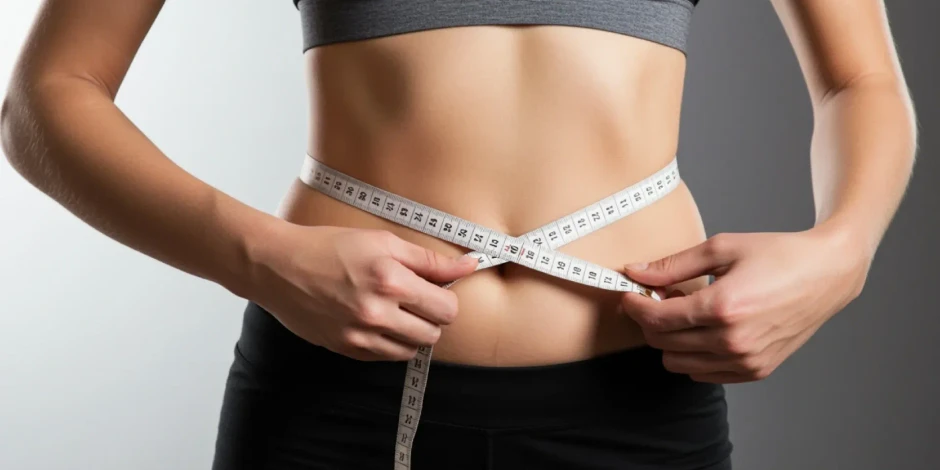
Loose skin after weight loss appears because collagen and elastin, stretched while the weight was there, no longer retract when the volume goes down, especially if the loss was large or fast.
Read more…
Before body surgery you should stop aspirin, turmeric and other herbal teas, and hair loss products, because they are vasodilators and increase bleeding. They are avoided two or three weeks before and, if possible, two or three weeks after.
Read more…
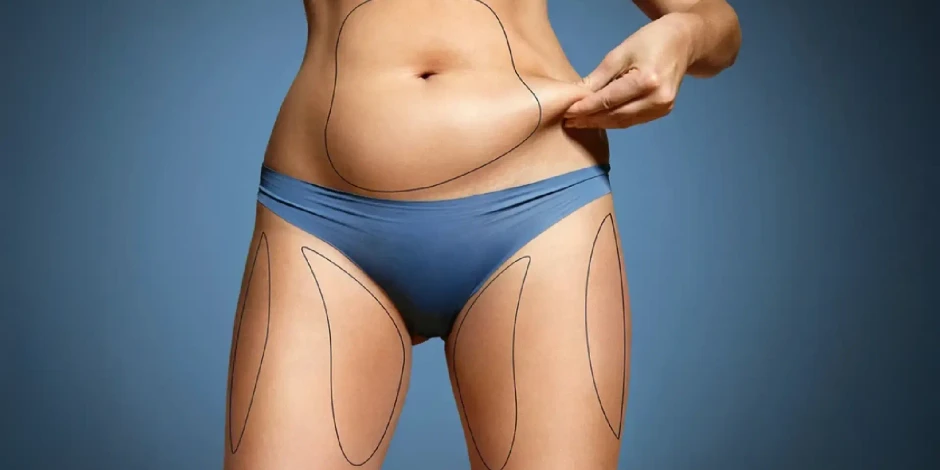
No. Liposuction should always leave a layer of fat under the skin. Fat has its own functions and keeps the body's contours in harmony; if only skin stuck to muscle is left, you get irregularities and dents. Liposuction shapes the silhouette by removing localised fat, and it is not a way to lose weight.
Read more…

After pregnancy, the female body undergoes a series of natural transformations.
Read more…

Butt augmentation has been one of the most requested cosmetic surgeries in recent years. However, it is also one of the most misunderstood.
Read more…

A tummy tuck scar is permanent and runs horizontally across the pubic area, generally from hip to hip
Read more…

The subgluteal banana is the accumulation of crescent-shaped subcutaneous fat that forms just below the gluteal fold, at the top of the thigh. To eliminate it, combine a caloric deficit that reduces your total body fat with strength exercises (deadlifts, hyperextensions, and lunges) that tone the gluteal muscles. When the fat is stubborn and unresponsive, aesthetic medicine (such as cryolipolysis or radiofrequency) is very effective, and in more pronounced cases, precision liposuction with skin retraction offers the most definitive result.
Read more…
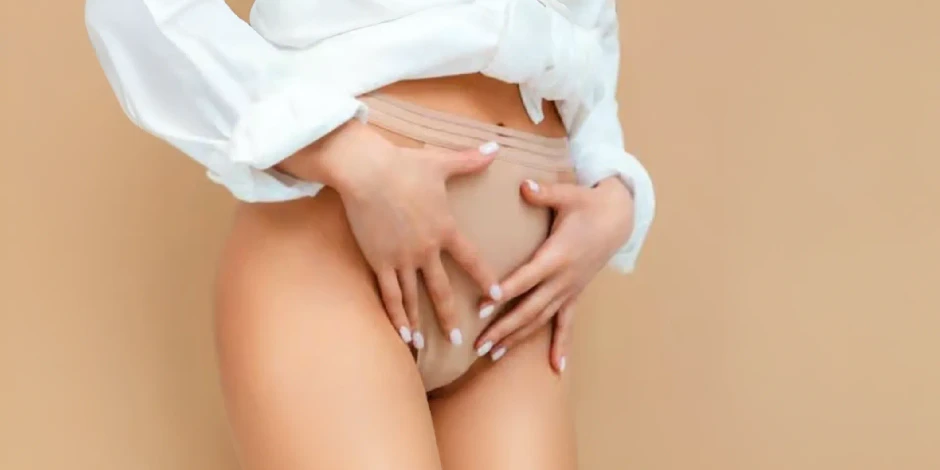
A pubic lift is a small repair that corrects the step a C-section scar sometimes leaves between the lower abdomen and the pubis. Fat is moved from the abdomen to the pubis and a little skin is removed to level the area so the scar is no longer sunken.
Read more…
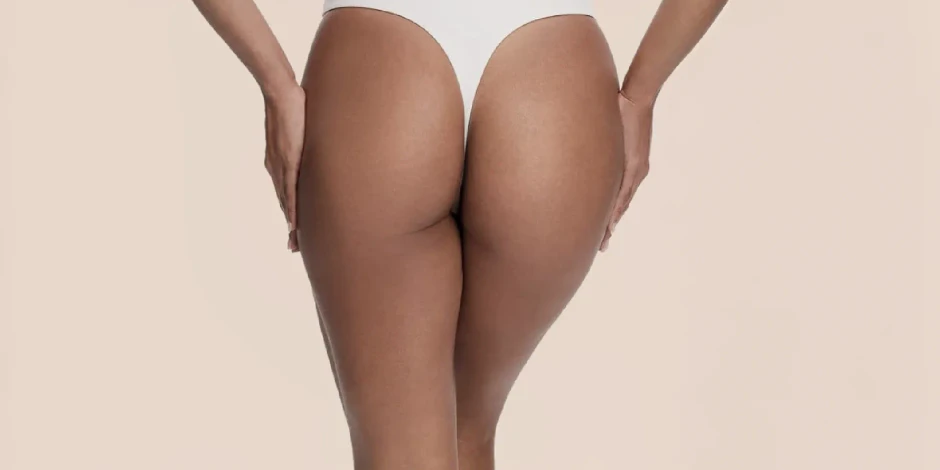
Buttock augmentation can be done with your own fat (fat transfer), with implants, by combining both or, without surgery, with high-density hyaluronic acid or polylactic acid. If you have enough fat, the first choice is your own fat.
Read more…
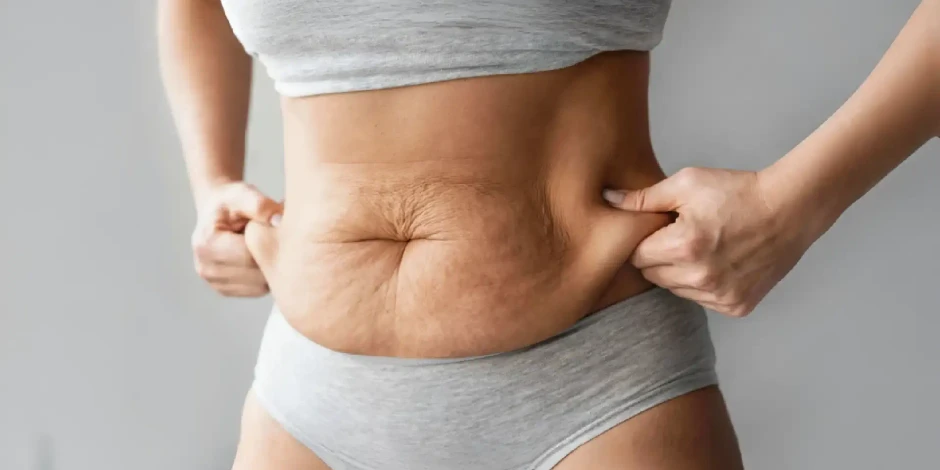
Diastasis recti is the opening of the linea alba, the tissue that joins the two rectus abdominis muscles. It is operated on when it bothers you, because of how it looks or because it causes functional problems; if it causes no harm, it can be left as it is.
Read more…
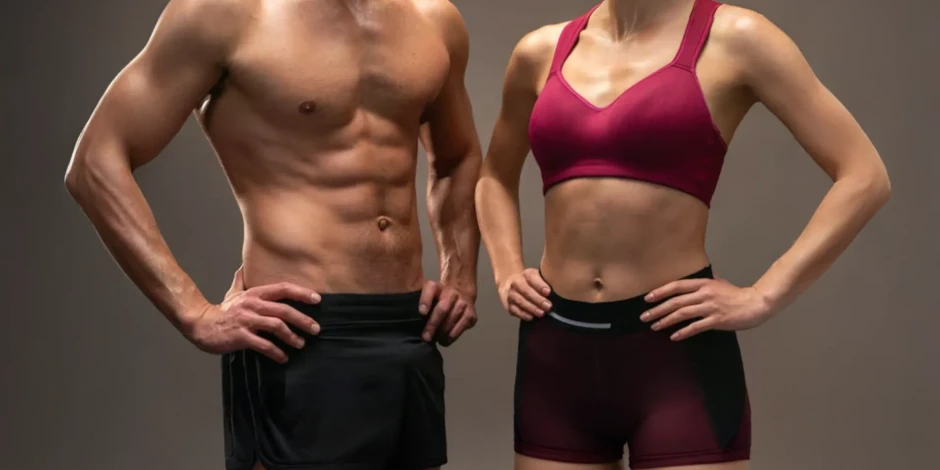
Abdominal etching is a high-definition liposuction that removes the fat covering the abdominal muscles so their shape shows. In men it usually defines the full six-pack; in women, the midline above the navel, the side lines and the obliques. It is meant for people who already train and eat well and have a stable weight.
Read more…

At Instituto de Benito, liposculpture starts at €4,000. The final price depends on how many areas are treated, the technique, and whether the fat is grafted elsewhere, such as the buttocks. It includes tests and follow-up visits, and can be financed over up to 60 months. Clinic and anaesthetist fees are charged separately. You get a fixed quote after your consultation with the surgeon.
Read more…
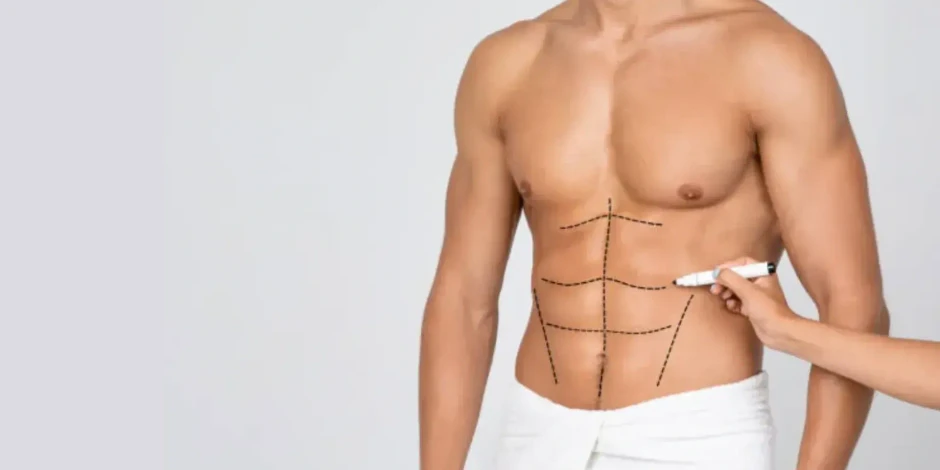
At Instituto de Benito, body liposuction costs from €4,000. The price covers the team's fees, anesthesia, the operating room and hospital stay, pre-op tests and follow-up visits. The final figure depends on how many areas are treated and how large they are, the technique and the time in the operating room, and you receive it as a fixed written quote after your consultation with the surgeon who will operate.
Read more…
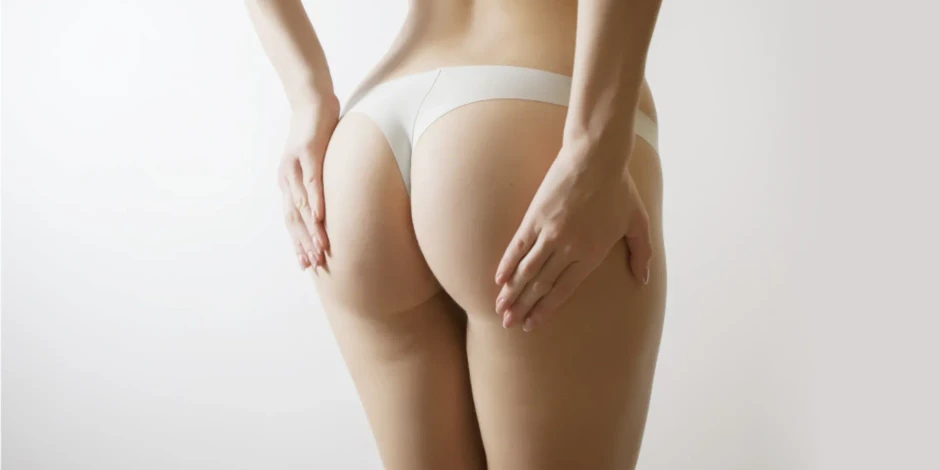
A basic buttock fat transfer at Instituto de Benito costs from €6,000; high-definition and structural fat transfer cost more. It includes the team's fees, general anaesthesia, pre-operative tests and follow-up visits. Clinic and anaesthetist fees are charged separately. Compression garments and the cushion are paid separately. You get the exact price in writing after the assessment.
Read more…
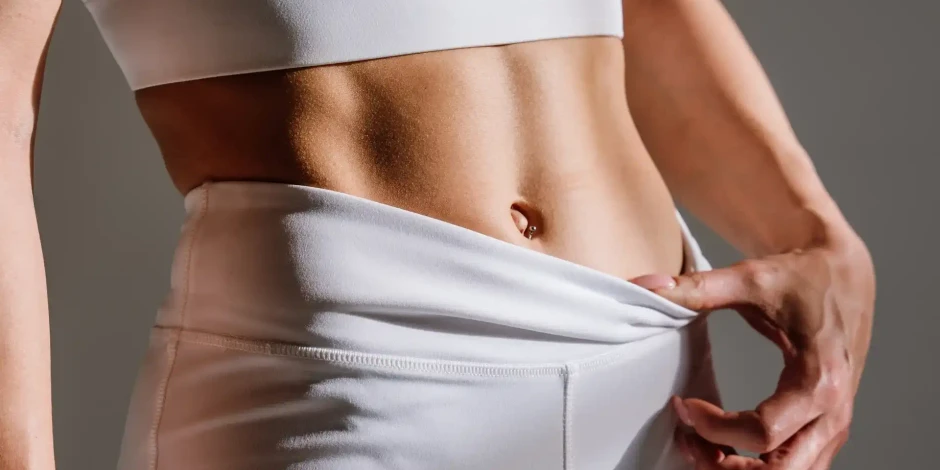
At Instituto de Benito, a tummy tuck (abdominoplasty) costs from €6,000. The price covers the team's fees, general anesthetic, the operating room, one or two nights in the hospital, pre-op tests and follow-up visits. It varies with the technique, whether diastasis needs repairing and how long the surgery takes, and you receive it in writing after your consultation with the surgeon who will operate.
Read more…