Medically reviewed by Dr. Marina García, licence no. 19091Published on November 25, 2026
How do you get a natural-looking breast augmentation?
A breast augmentation looks natural when the implant suits the patient's chest, skin and tissue. It does not depend only on choosing a small volume: the base and profile of the implant, the plane in which it is placed and the technique all matter. We decide all of that with her in consultation, before settling on any size.
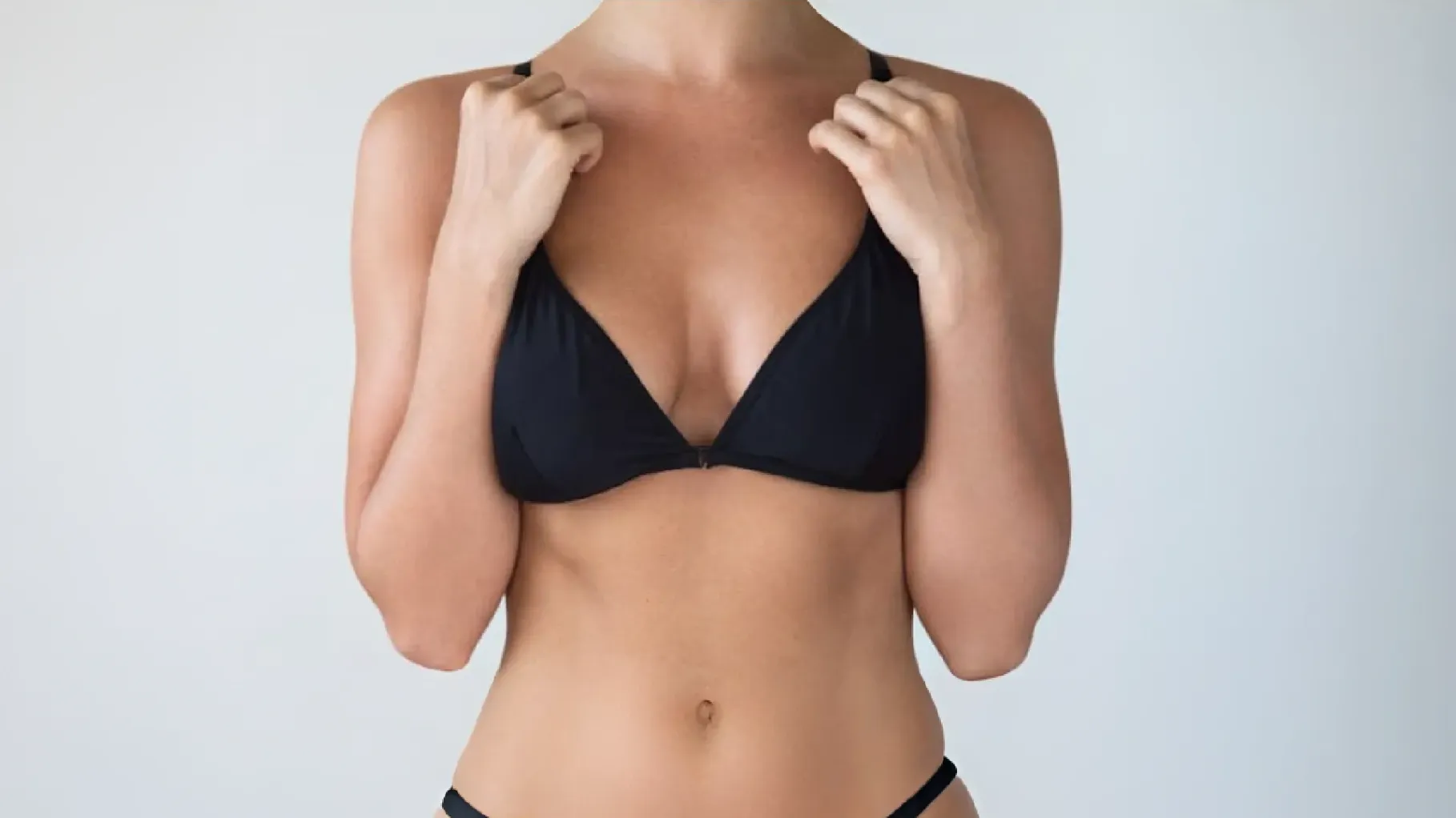
At the first visit almost every patient asks the same things: where the incision goes, where the implant sits, which implant and how much volume. Behind those four questions there is usually one concern: that the breast looks natural and does not look operated on. Almost everything that influences that is decided before going into theatre, and here we explain how we approach it in a breast augmentation.
Book your breast augmentation consultation
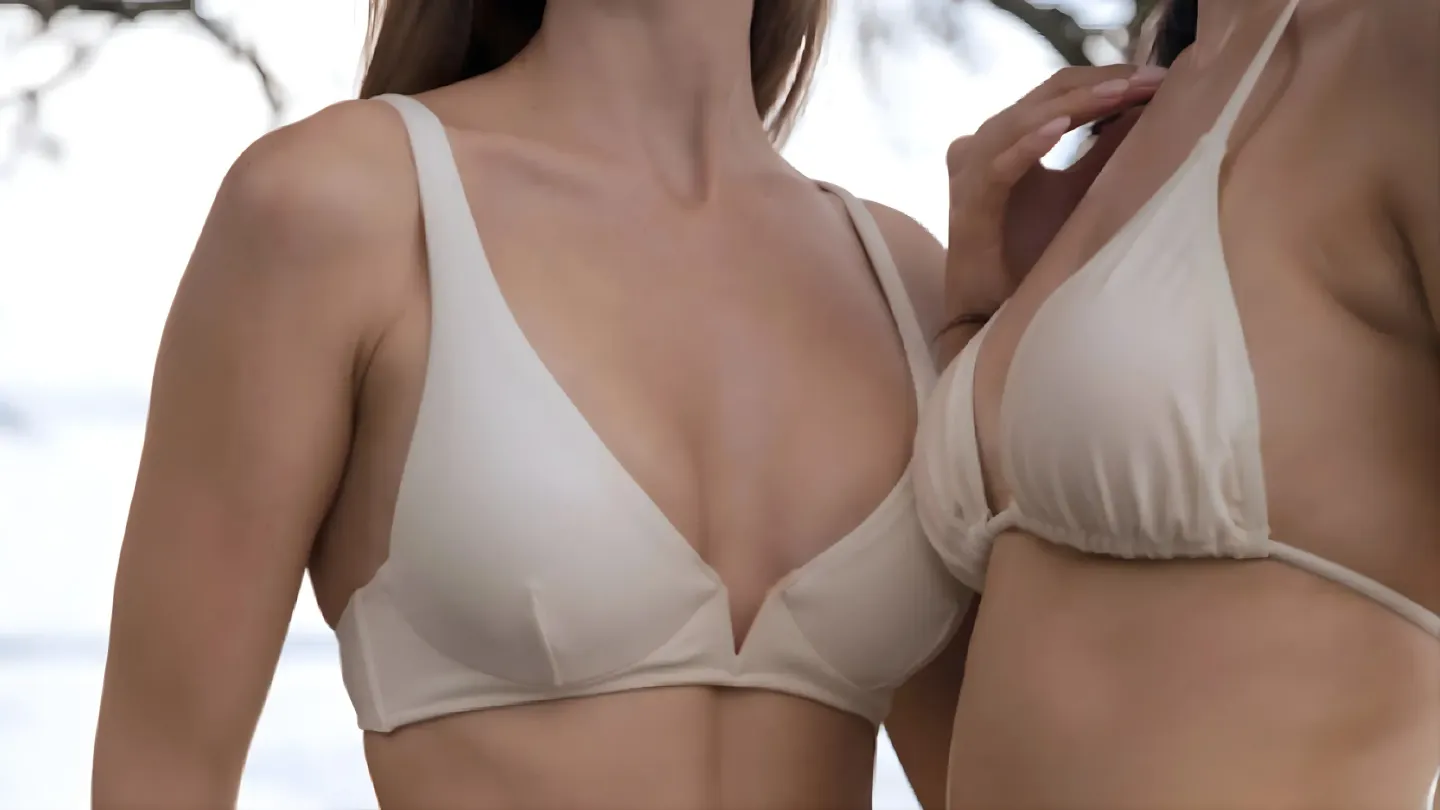
What makes a breast augmentation look natural?
That the breast stays in proportion with the patient's body. We achieve it by choosing four things for each case: the incision, the plane in which the implant sits, the type of implant and the volume.
None of the four has an answer that works for everyone. We choose the approach, the position of the implant and the implant that best suit each patient, based on her measurements and the quality of her skin. That is why two women with the same volume can have very different results.
How many cc do you need for a natural result?
There is no set figure. We tell our patients not to fixate on the number, because the same volume can be distributed in many ways.
There are 250 cc implants with a small base and a lot of projection, and others of the same volume with a wider base and less height. This is what we call high profile or moderate profile, and it changes how the breast looks even when the figure is the same.
A high profile fills the upper part of the breast more and gives a more noticeable result. For a patient who wants something more discreet we choose a more moderate profile. What we ask in consultation is that she explains what breast she wants, and from there we look with her for the implant that achieves it.
Round or anatomical implant: which looks more natural?
It depends on the breast we start from: no implant looks more natural in every case. We work with round and anatomical implants, smooth and microtextured, and we choose according to each patient's anatomy.
Current ergonomic implants imitate the density and movement of breast tissue, which is why they feel soft.
Does the implant go over or under the muscle?
It can go in front of or behind the pectoral muscle, and the choice depends on how much tissue the patient has to cover the implant. In many texts it appears as prepectoral or retropectoral, and it means exactly that: in front or behind.
In Barcelona we also perform the Preservé technique, in which the implant goes above the muscle. Before placing it, the surgeon separates the tissues gradually with a small balloon and enters through an incision of about two centimetres in the fold under the breast. This approach tries to respect the ligaments that support the breast.
We consider it mainly for a first, moderate augmentation, in women with little sagging and enough tissue to cover the implant well. When the coverage is thin or the breast has dropped, we suggest a different approach.
Can the breasts be enlarged naturally with your own fat?
Yes, the augmentation can be done with the patient's own fat, without implants. The result is more subtle: fat gives less volume and less projection than an implant.
That is why it suits those looking for a discreet change. If the patient wants more volume or more definition, an implant achieves it better. In consultation we assess which of the two options answers what she is asking for.

How long does an operated breast take to look natural?
Between 3 and 6 months. That is the time the tissue needs to adapt fully to the implant, and until then the breast does not have its final shape.
Daily life and office work resume earlier, within 7 to 10 days. Gentle exercise from 4 weeks, and high-impact sport from 6. The scar follows its own pace: it matures over 12 to 18 months, and during that time it should be protected from the sun.
How can I know before surgery how I will look?
The decision is made in consultation, with the patient's measurements and volume sizers. That way she sees the change on her own body before choosing.
On the day of the operation, before going into theatre, the surgeon draws the markings on the breast and explains again what she is going to do. You can see it in the video of Dr. Marina García with one of her patients.
The results of other patients help to form a realistic idea: the breast augmentation before and after photos and the breast surgery real cases.
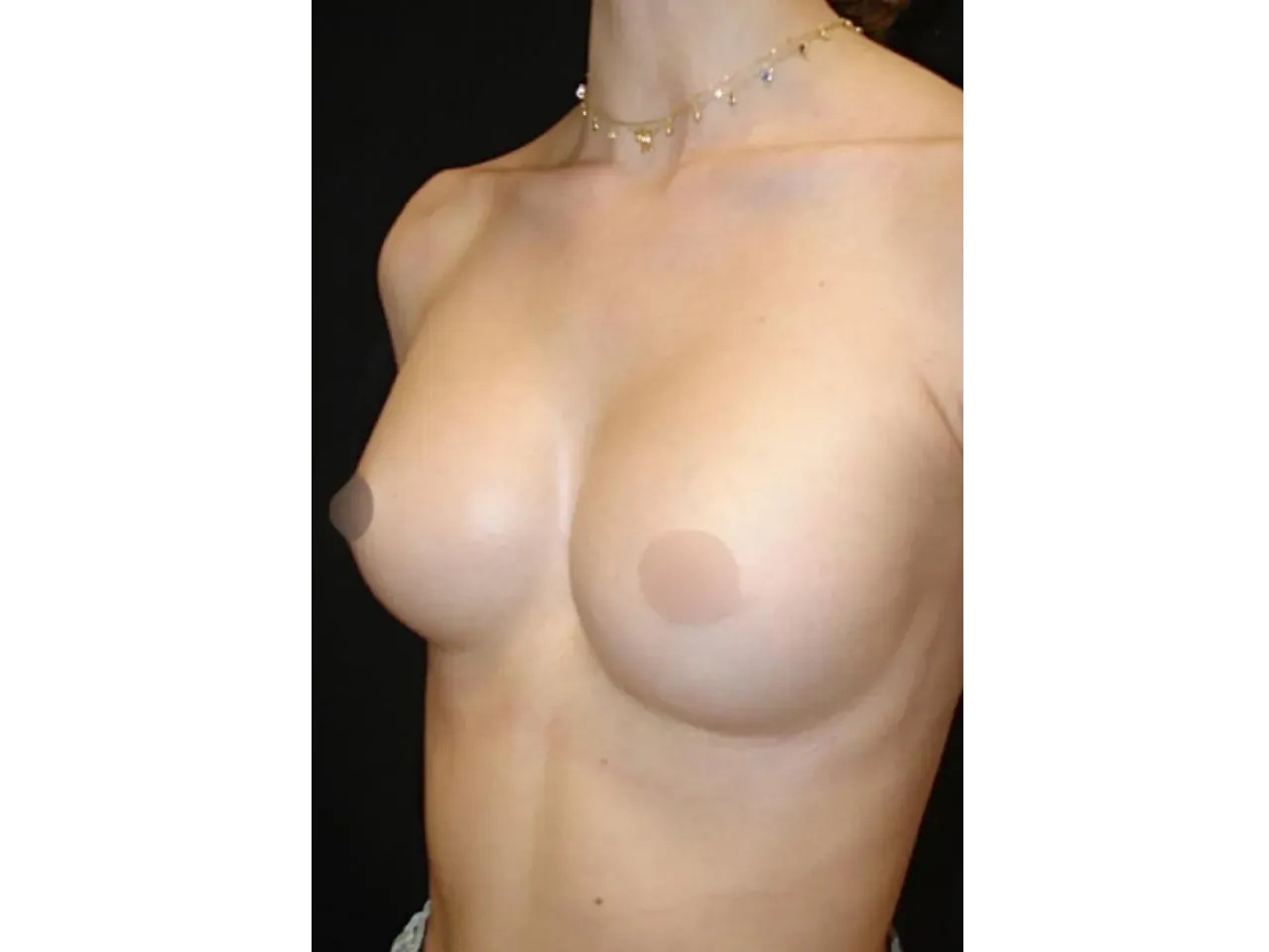
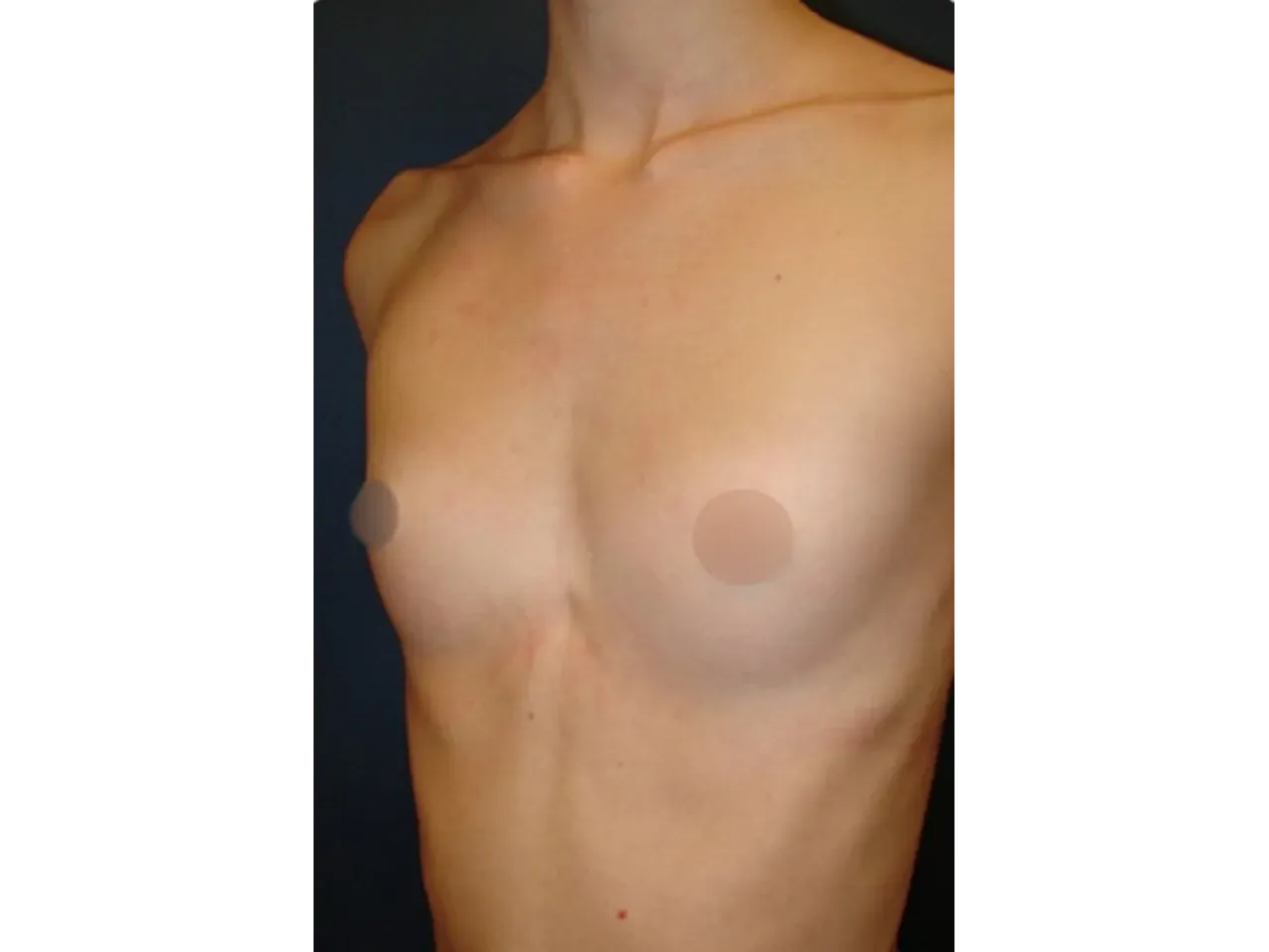
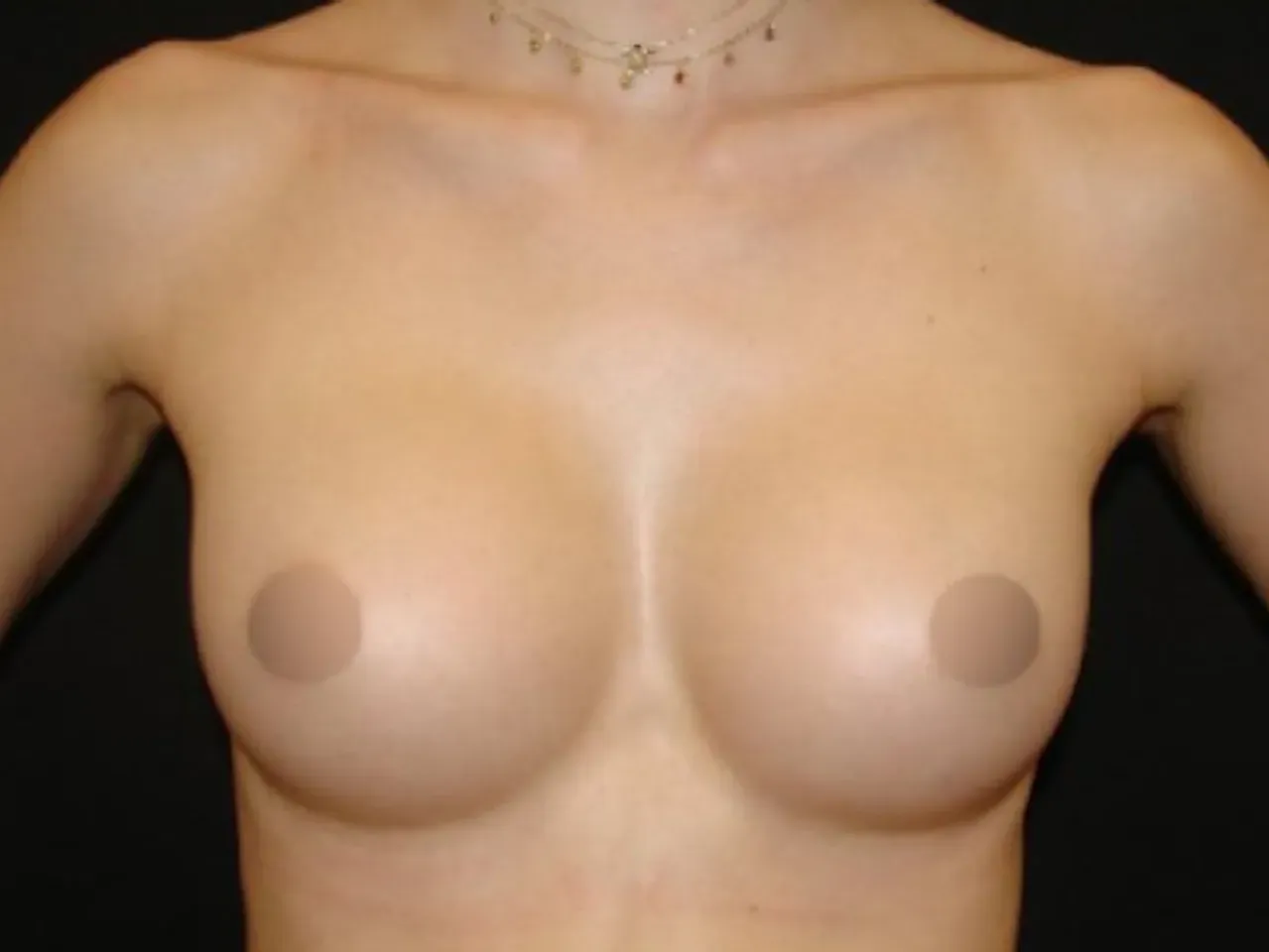
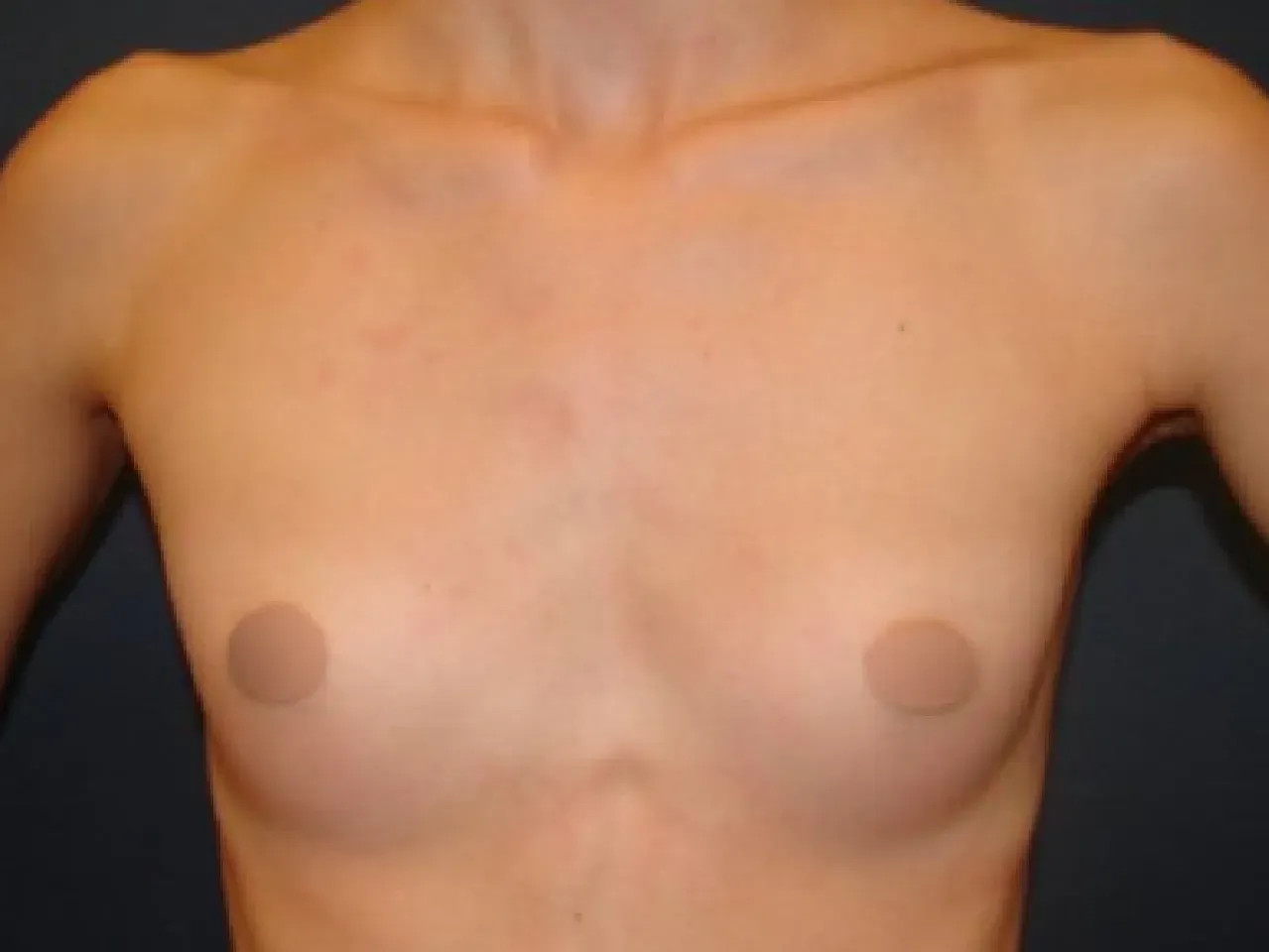
What does a natural breast augmentation look like? Two of our patients
Rosalía, aged 27, and Sandra, aged 28, had their surgery in Barcelona. In both cases the augmentation was done with implants, aiming for a natural result in proportion with their body.
What if the breast has dropped?
Then the implant alone does not give a natural result. An implant adds volume, but it does not lift a sagging breast; that is what a mastopexy is for, which lifts the breast and repositions the areola.
When both are needed they are combined in a mastopexy with implants. We see it in the examination at the first visit.
Frequently asked questions about natural-looking breast augmentation
Does a natural breast augmentation mean choosing a small volume?
Not necessarily. The look depends on how the volume is distributed: the base and profile of the implant count as much as the cubic centimetres.
Can you feel the implants to the touch?
Current ergonomic implants imitate the density and movement of breast tissue, with a soft feel.
Is the scar from a breast augmentation noticeable?
The usual incisions are the fold under the breast and the edge of the areola, two areas where the scar is discreet. It matures over 12 to 18 months.
How much does the first visit cost?
The consultation costs €80 and is deducted if the patient goes ahead with surgery. The price of the surgery is set after that visit, because it depends on the implant and the technique.